
Mongolia's Women Riders Take Centre Stage at Naadam 2026
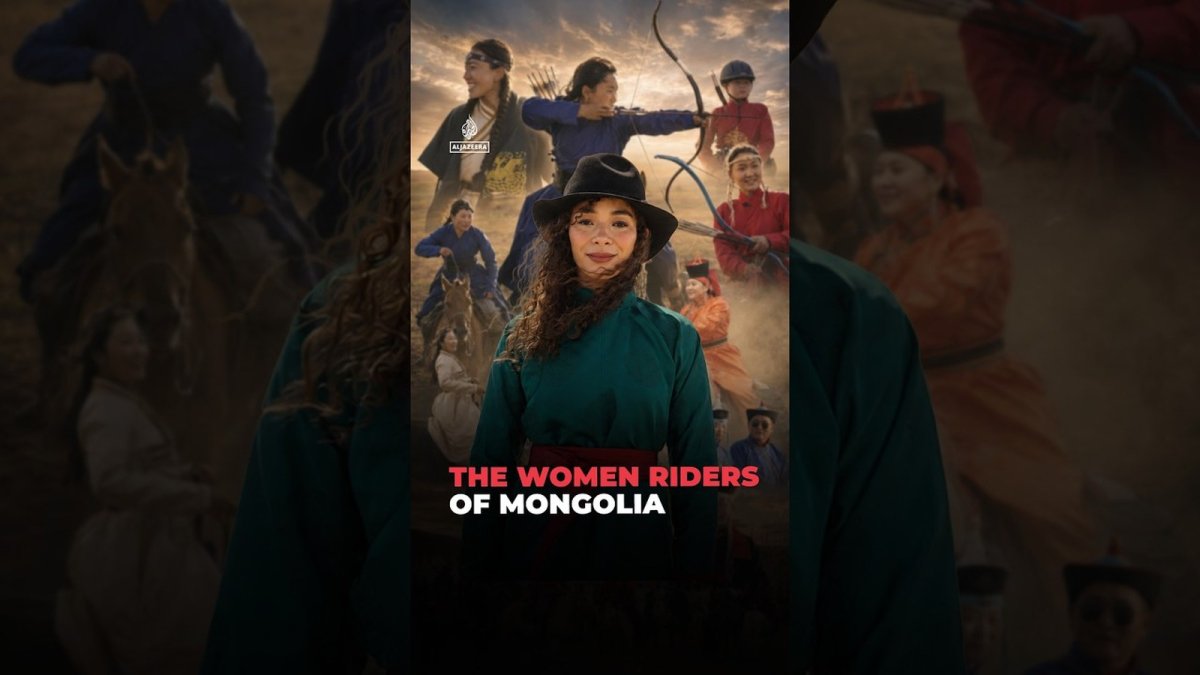
Al Jazeera English's Lina Serene travels to Mongolia's Naadam Festival to meet the women riders who have always been part of the country's horse culture. With the 2026 Durban July making history with two female jockeys, South African racing finds a powerful parallel in the steppe.
The thunder of hooves across Mongolia's open steppe has always been the heartbeat of the Naadam Festival, but for too long, the story has been told through a male lens. Al Jazeera English's Lina Serene travelled to Ulaanbaatar for the 2026 Naadam Festival to meet the women riders who have always been part of this ancient horse culture, challenging the narrative that this is a man's world. From 13-year-old jockeys dreaming of glory to the matriarchs of the herding communities, the report reveals a sporting tradition where women are not newcomers, but essential pillars of a culture dating back to Chinggis Khan.
Beyond the Male Lens: Mongolia's Women Riders Take Centre Stage at Naadam 2026
Ulaanbaatar, Mongolia – August 2026 — The 2026 Naadam Festival, which ran from July 11-13 in Ulaanbaatar, marked a significant moment in the evolution of Mongolia's most sacred sporting tradition. While the opening ceremony at the 60,000-seat National Central Stadium featured the expected military parade, cavalry displays, and the presentation of the nine white horse-tail banners (tug) symbolising Mongolian sovereignty, the real story was unfolding 50 kilometres away at the Khui Doloon Khudag racecourse. There, on the open steppe, girls as young as seven were saddling up alongside boys, riding races of up to 30 kilometres, and proving that the phrase "like a girl" has no place in Mongolian horse culture.
Naadam 2026 — A Festival of Firsts and Ancient Traditions
The 2026 Naadam was a celebration of staggering historical depth, marking the 2,235th anniversary of the First Mongolian State, the 820th of the Great Mongol Empire, and the 115th of national freedom restoration. The festival, which commemorates Mongolia's 1921 independence from China and was added to UNESCO's Intangible Cultural Heritage list in 2010, drew over 13,000 artists and organisers, with tickets for the opening and closing ceremonies selling out within 30 minutes. South Korean President Lee Jae-myeong attended the opening during a state visit, with 21 cooperation documents signed between the two nations, underscoring the festival's geopolitical significance.
Yet for Lina Serene and the Al Jazeera team, the focus was squarely on the infield and the steppe, where the three traditional games — Mongolian wrestling (bokh), archery (surharban), and horse racing (uraldag) — played out. These games, dating to the 12th-13th century Mongol Empire military training under Chinggis Khan, have evolved, but the horse remains supreme. The wrestling saw Orkhonbayar secure the coveted Dayan Avarga title with 10 straight victories, progressing through the ranks of falcon, elephant, lion, giant (arslan), and titan (avarga) without a single loss. But it was the horse racing, with its child jockeys and gruelling distances, that captured the imagination of the global audience watching via Al Jazeera.
The Steppe's Young Warriors — Girls Riding for Glory
The horse races at Khui Doloon Khudag are not for the faint-hearted. Split by horse age groups, the races range from the daaga (foal) race over 10-12 kilometres to the ikh nas race for older horses covering 24-26 kilometres of open, unforgiving terrain. The soolon (five-year-old) race, which saw a horse named Soyolon from Tsogttsetsii take the win, stretched 22-24 kilometres. With an estimated 30,000 Mongolian child jockeys, the law sets a minimum age of seven, but the tradition of using light riders — both girls and boys — remains central to the sport's strategy.
Michidma Gombosuren, a 13-year-old from Khentii province, embodies this new wave. "I can ride horses as fast as any boy... I feel like I'm riding in the Naadam Festival," she told reporters, her dream being to qualify for the main event. Her journey has not been without heartbreak — she failed to qualify once, losing out to a boy — but her determination reflects a broader shift. The winning horse's sweat is ritually smeared on spectators' foreheads for luck, a tradition that now includes the faces of young girls who have earned their place among the victors.
Archery's Female Revolution and the World Horse Day Launch
While horse racing grabs the headlines, women's archery has become a phenomenon in its own right. Officially added to Naadam in the 2000s, women now compete at 60 metres (men shoot at 75 metres), aiming at small leather cylinders called surs, with the ritual uukhai chants echoing before each release. The sport's popularity has exploded, and the 2026 festival showcased the depth of female talent. This shift extends beyond Mongolia's borders — at Inner Mongolia's Naadam in China, women archers, riders, and even judges are taking on increasingly prominent roles. Archer Sanqiri captured the essence of the change: "You cannot rely on brute force. You need technique, and more importantly, a strong mindset." Judge Xiuyun added that more women are entering the sport "because of their passion," and social development is giving them more chances than ever before.
The 2026 Naadam also marked the UN-backed World Horse Day launch at Khui Doloon Khudag, featuring a presidential race that drew international attention. With 959 free shuttle buses running across 139 routes — including two dedicated lines to the racecourse — the festival was accessible to all, with the aroma of khuushuur (fried meat pastry) and airag (fermented mare's milk) filling the air. This was a festival for the people, and the people included the women riders who have always been there, now finally getting their due recognition.
South African Perspective — The Durban July Parallel
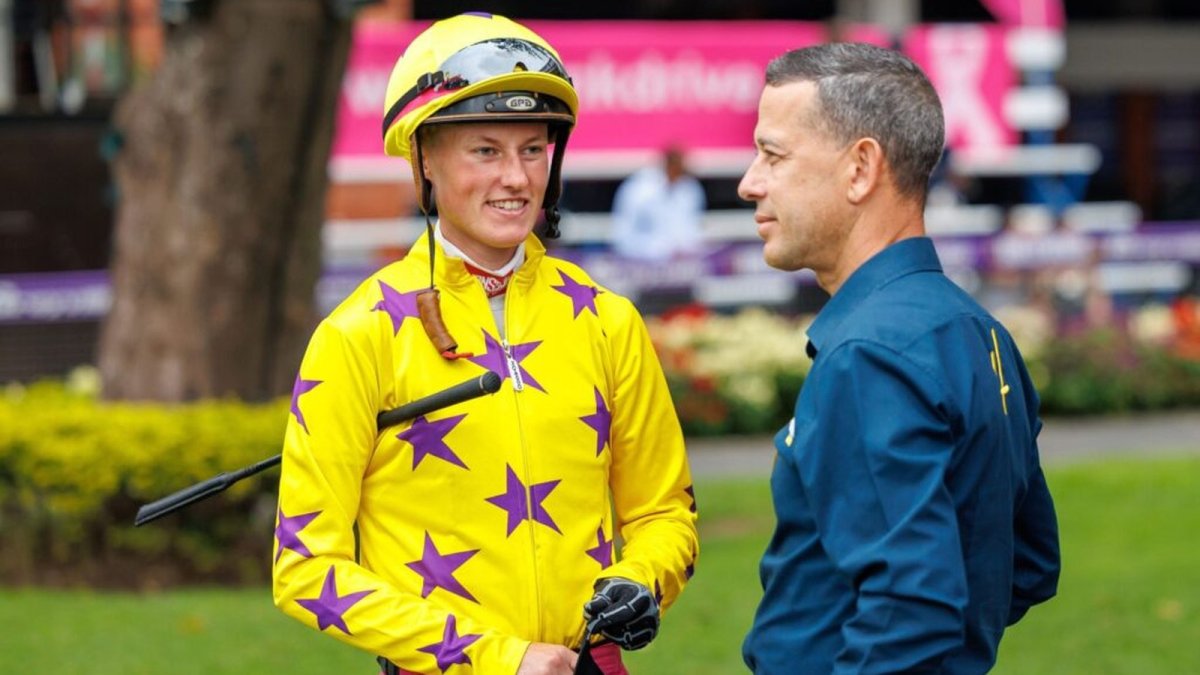
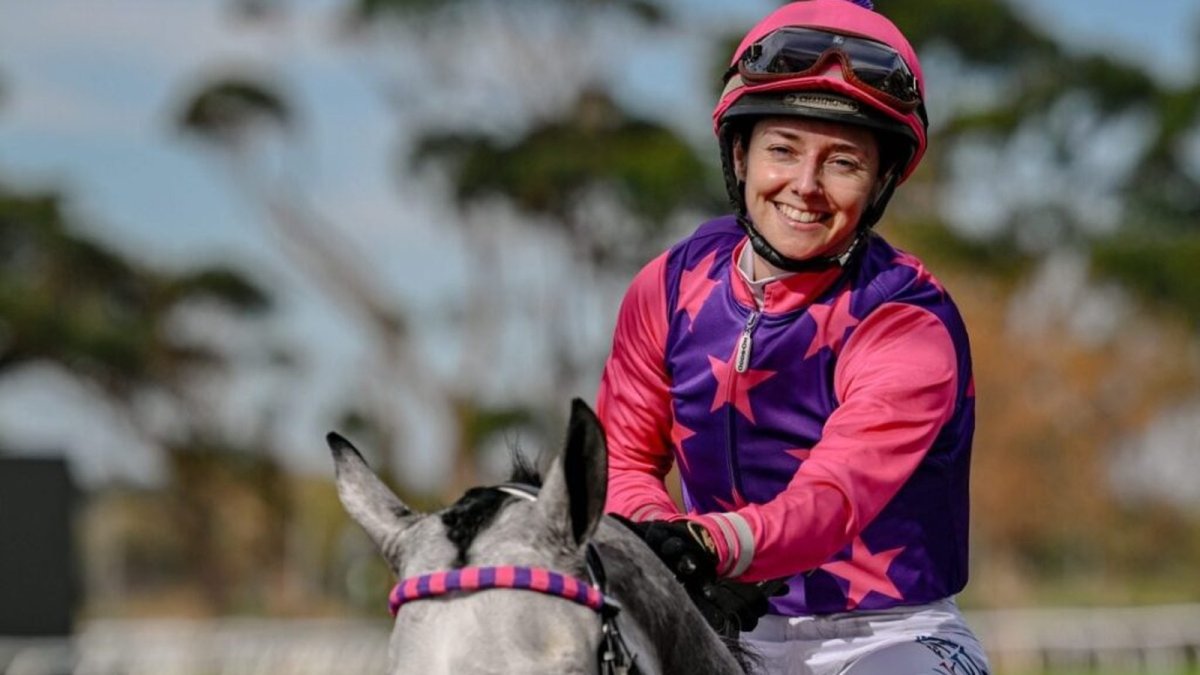
For South African sports fans, the story of Mongolia's women riders resonates with a familiar chord, struck just weeks earlier at Greyville. On July 4, 2026, the 130th Hollywoodbets Durban July made history when two female jockeys — Durban's Rachel Venniker and French rider Mickaelle Michel — competed in the main race for the first time ever. The R10 million showpiece, watched by more than 45,000 spectators, saw Venniker, 24, ride Choisaanada for trainer Erico Verdonesse, while Michel partnered Curious Girl for the powerful Mike and Mathew de Kock stable.
Venniker's journey is a testament to perseverance. Born in KwaZulu-Natal and raised at Summerveld, she has been on horseback since age four, yet was initially deemed too tall for the SA Jockey Academy. She became the first female jockey to ride in the Durban July in 2024, was ruled out by concussion in 2022, and saw her 2023 mount fail to make the final line-up. Her career now boasts 209 wins and 644 top-three finishes. Michel's story is equally compelling — she broke the French record for a female jockey with 72 winners in 2018, has over 300 wins across 14 countries, and arrived in South Africa in December 2025 planning a five-week stay that stretched to seven months. Her Grade 1 victory aboard Star Major in the Daily News 2000 made her only the second female rider to win a South African Grade 1, and Curious Girl's Grade 2 TAB SA Derby win on April 4, 2026, was the first by a filly in 108 years.
Transformation and the Changing Face of Global Horse Racing
The parallels between Ulaanbaatar and Durban are striking. In both nations, horse racing has been historically dominated by men, yet the 2026 season has proven that the tide is turning. The Durban July result — Richard Fourie's fourth win in the race, guiding Note To Self to a quarter-length victory over stablemate Wish List for Justin Snaith's sixth crown — was historic, but the presence of Venniker and Michel in the line-up was arguably more significant for the sport's future. Snaith's post-race comment, "I knew everyone was in trouble. If he came right, he was the horse to beat," spoke to the quality of the field, which included two women who had earned their place through merit, not tokenism.
This shift is not without its challenges. A 2017 Al Jazeera report documented the risks faced by child jockeys in Mongolia, with 1,500 injuries and 10 deaths over five years per Ulaanbaatar Traumatology Hospital figures. A helmet law was introduced in 2011, and parliamentarians owned 654 racehorses, highlighting the sport's political and economic entanglements. Yet the women riders persist, driven by a passion that transcends the dangers. In South Africa, the transformation conversation has focused on racial representation, but the Durban July's female jockeys have opened a new front in the battle for equality, proving that the saddle knows no gender.
Implications for Fans and the Sport
For South African fans, the rise of female riders in Mongolia and at home signals a broader evolution in how we consume and celebrate horse racing. The Durban July's R10 million purse and 45,000-strong crowd demonstrate the sport's commercial power, but the inclusion of women at the highest level expands the narrative, attracting new audiences who see themselves reflected in the silks. The Hollywoodbets sponsorship and SuperSport's broadcasting have been instrumental in bringing these stories to life, and the success of Venniker and Michel has already inspired a new generation of young girls across KwaZulu-Natal and beyond.
The Mongolian model offers lessons in grassroots development. With 30,000 child jockeys, the sport is embedded in the national psyche, and the UN-backed World Horse Day launch at Naadam 2026 signals a global push to recognise equestrian culture's value. South Africa's own racing industry, centred on KwaZulu-Natal and the Western Cape, could learn from Mongolia's ability to blend tradition with modernity, using festivals and cultural events to draw in crowds beyond the hardcore racing faithful.
What to Watch For
As the 2026-27 South African racing season builds towards the Summer Cup and the 2027 Durban July, all eyes will be on Rachel Venniker and Mickaelle Michel. Venniker, still only 24, has years of peak performance ahead, and her trajectory suggests she will not be a one-race wonder. Michel, who has already proven herself across 14 countries, may extend her South African stay, and her partnership with the de Kock yard could yield more Grade 1 success. In Mongolia, the push for greater female participation in Naadam's official structures — including potentially female wrestling and judging roles — will continue, with the 2027 festival likely to feature even more women riders at Khui Doloon Khudag.
The global conversation around women in equestrian sport is accelerating, and South Africa is positioned to lead it. The 130th Durban July was a watershed moment, but it was also a starting gun. With the Hollywoodbets brand backing the sport and a new generation of female riders emerging from the SA Jockey Academy, the future looks brighter than ever. The women of Mongolia's steppe and the women of Greyville's hallowed turf are riding the same wave, and for fans, that is a spectacle worth celebrating.
The 2026 Naadam Festival and the 130th Durban July have proven that horse racing's soul is not confined to any gender. From the 13-year-old girls of Khentii province dreaming of Naadam glory to the 24-year-old women of Durban and Paris chasing Grade 1 crowns, the sport is being redefined. For South African fans, the message is clear: the future of racing is faster, more inclusive, and more thrilling than ever before. The only question is who will be next to break the barrier.
This article was produced with AI-assisted research and editorial support. Sources: Al Jazeera English, BBC, MongolBeat, Atlas Mongolia Travel, Fullview, IOL.
By Dante Williams, Staff Writer
What's Your Reaction?
 Like
0
Like
0
 Dislike
0
Dislike
0
 Love
0
Love
0
 Funny
0
Funny
0
 Wow
0
Wow
0
 Sad
0
Sad
0
 Angry
0
Angry
0
Breaking News and Investigations Correspondent at Global1.News. Based in London, covering global breaking news, security, and investigative stories. Known for digging deeper and connecting the dots across continents.











Comments (0)