
Meta's $17 Billion Settlement: What It Means for Latin America's Youth
Meta has agreed to pay up to $17 billion and overhaul Facebook and Instagram after 51 US state attorneys general accused the platforms of engineering addiction in young users — a landmark settlement that arrives as Latin America confronts its own youth mental health emergency. For families from São Paulo to Mexico City, the deal is both a precedent and a mirror, exposing how far the region's own regulators have come and how much further they must go.
Meta has agreed to pay up to $17 billion and overhaul Facebook and Instagram after 51 US state attorneys general accused the platforms of engineering addiction in young users — a landmark settlement that arrives as Latin America confronts its own youth mental health emergency. For families from São Paulo to Mexico City, the deal is both a precedent and a mirror, exposing how far the region's own regulators have come and how much further they must go.
Meta's $17 Billion Settlement: What It Means for Latin America's Youth
São Paulo, Brazil – August 26, 2026 — In a historic move that could reshape the digital landscape for millions of teenagers, Meta Platforms has agreed to a settlement valued at up to $17 billion with a bipartisan coalition of US state attorneys general, directly addressing allegations that Instagram and Facebook were deliberately engineered to addict young users and contribute to a documented decline in adolescent health. Led by New York Attorney General Letitia James, the agreement includes daily time limits, overnight blocks, disabled notifications during school hours, age-verification measures, and a ban on cosmetic-procedure filters — changes whose ripple effects are already being measured across Latin America.
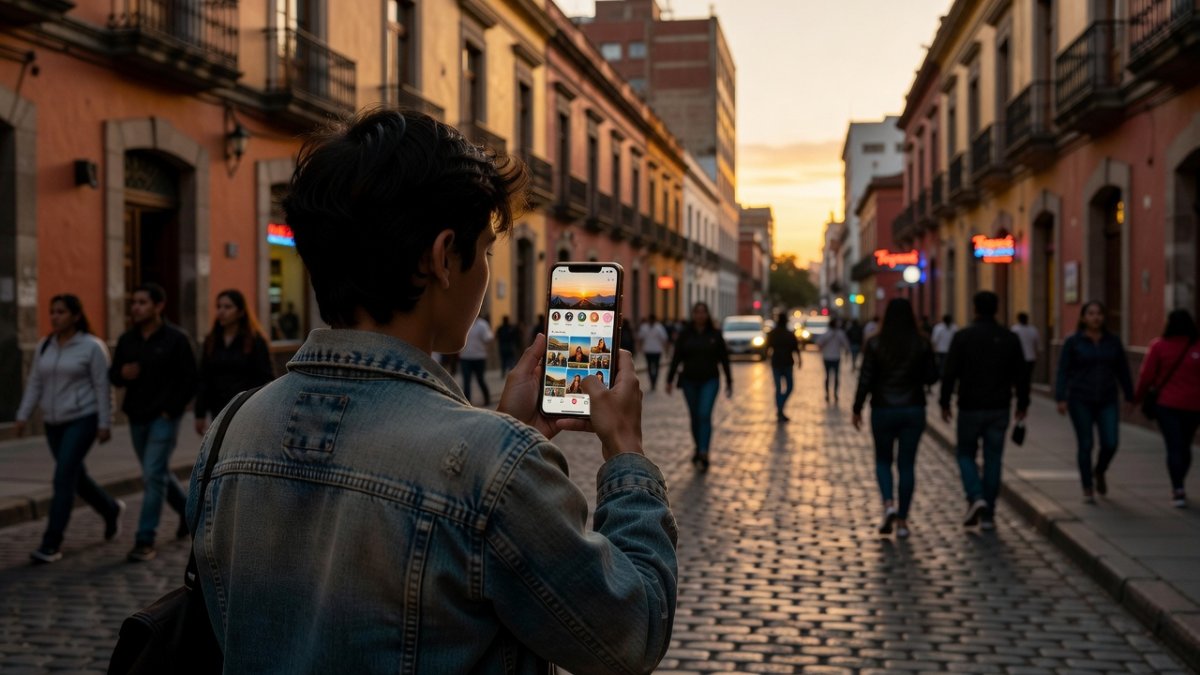
The $17 Billion Reckoning — What Meta Has Agreed To
The scale of this settlement is unprecedented in the history of social media litigation. Under the terms, Meta will pay up to $17 billion over several years, with the final amount tied to compliance and the adoption of protective measures by other tech giants. The core allegations, brought by a bipartisan coalition of 51 attorneys general, centered on internal Meta documents suggesting the company knowingly amplified addictive features—infinite scroll, algorithmic recommendation engines, and social comparison triggers—to maximize engagement among minors. New York Attorney General Letitia James framed the settlement as a "victory for every parent who has fought to get their child off the couch and into the real world."
The operational mandates are specific and enforceable. Teenagers will face a default daily time limit, likely set at 60 minutes, after which the app locks unless a parent overrides it. Overnight blocks will prevent access between 10:00 PM and 6:00 AM, a window when sleep deprivation and late-night doomscrolling are most harmful. Notifications will be silenced during standard school hours, and age-verification measures will move beyond self-declaration to include biometric or government-ID checks. The ban on cosmetic-procedure filters—which simulate lip fillers, nose jobs, and skin smoothing—directly targets the documented link between these augmented-reality tools and body dysmorphia in adolescent girls.
For Latin America, the most significant clause is the $5 billion "poison pill" that remains withheld until rival platforms—think TikTok, Snapchat, and YouTube—implement comparable safeguards. This creates a regulatory floor that could, in theory, be adopted by other nations. However, the settlement’s enforcement jurisdiction is US-based. Brazilian regulators, for instance, cannot directly leverage this US court order, but they can cite it as evidence of industry-wide harm. The funds will flow to US state coffers, not to Latin American health systems, meaning the region must craft its own financial remedies. The message is clear: Meta is willing to pay billions to avoid admitting liability, but the behavioral changes are now contractual obligations, not voluntary gestures.
Addiction by Design: How Platforms Hook Young Brains
To understand why this settlement matters in Latin America, one must first grasp the mechanics of addiction. Platforms like Instagram and Facebook are not passive tools; they are engineered environments optimized for variable reward schedules, the same psychological principle that makes slot machines addictive. For a 14-year-old in Mexico City, every pull-to-refresh delivers a dopamine hit—a like, a comment, a new video—that is unpredictable and therefore irresistible. The algorithm learns the user’s vulnerabilities: if a teen in Buenos Aires searches for weight-loss content, the platform feeds them more extreme thinspiration, pushing them down a rabbit hole of comparison and self-criticism.
Neuroscience shows that the adolescent prefrontal cortex—the region responsible for impulse control and long-term decision-making—is not fully developed until the mid-20s. Meanwhile, the amygdala and reward centers are hyperactive. This biological mismatch makes teens uniquely susceptible to the intermittent reinforcement loops designed by Meta’s growth teams. The settlement’s acknowledgment of "addiction by design" is a tacit admission that these features were not accidental. Internal emails, unsealed during the investigation, reportedly discussed "capturing the teen demographic" and "maximizing time spent" without adequate consideration of developmental harm.
In Latin America, the addiction is compounded by access dynamics. For many low-income youth in São Paulo’s favelas, a smartphone is their primary window to the world—their classroom, their social square, their escape. The platform’s design exploits this reliance, turning a lifeline into a leash. The settlement’s ban on cosmetic filters is particularly poignant in a region where Eurocentric beauty standards dominate media. A 16-year-old in Lima may spend hours using these filters, not realizing they are internalizing a distorted, digitally altered version of reality. The harm is not abstract; it manifests in rising rates of anxiety, depression, and, tragically, suicide attempts, which we will examine next.
Latin America's Silent Mental Health Crisis
The data from the region is stark and worsening. Peru’s health ministry reported 12,718 moderate and severe depressive episodes in 2025, a 15% increase from 2024, alongside 4,053 suicide attempts—a staggering 26% jump. The most affected demographic is 15- to 24-year-olds, precisely the cohort that spends the most time on social media. These are not just numbers; they represent young people in Lima’s sprawling districts, in Cusco’s Indigenous communities, and in Arequipa’s universities, struggling in silence. The Peruvian government has acknowledged the crisis but lacks the digital infrastructure to intervene at the platform level.
Mexico presents an equally troubling picture. The Mexican Social Security Institute (IMSS) reported treating approximately 203,000 people for depression in 2024, a figure that likely undercounts the true prevalence given that many Mexicans lack access to formal mental health care. Federal officials have promoted the free hotline Línea de la Vida (800 911 2000) as a first-line response, but a hotline cannot undo the algorithmic harm that pushes a 15-year-old in Guadalajara toward self-harm content. The UN World Youth Report 2025, titled "Youth Mental Health and Well-being," identifies six social determinants of mental health, explicitly including technology and digital environments. The report calls for inclusive, youth-informed policies—a recommendation that remains aspirational in most of Latin America.
Research from the region underscores the intersection of poverty and digital exposure. Young people in South America’s deprived urban regions face heightened risks for mental disorders, and high social media engagement is consistently associated with depression and anxiety. The Pan American Health Organization (PAHO) has declared adolescent health a regional priority, but its resources are dwarfed by the scale of the problem. The Meta settlement, while US-focused, provides a legal and scientific precedent that Latin American health ministries can use to justify domestic regulation. The crisis is not a future threat; it is a present emergency, and the settlement is a delayed acknowledgment of a problem that has been festering for a decade.
Brazil's Digital ECA — The Region's Boldest Test
Brazil has not waited for Washington to act. The Digital ECA (Lei 15.211/2025), which took effect on March 17, 2026, is the most aggressive national response to the youth social media crisis in the Western Hemisphere. Named after the Estatuto da Criança e do Adolescente (Child and Adolescent Statute), the law requires all users under 16 to link their social media accounts to a legal guardian. This is not a simple parental consent checkbox; it mandates robust age verification that explicitly prohibits self-declaration. Platforms must use biometric, document-based, or other verifiable methods to confirm a user’s age and guardian linkage.
The law applies to any foreign platform reachable from Brazilian territory, meaning Meta, TikTok, and others must comply or face severe consequences. Enforcement falls to the ANPD (National Data Protection Authority), which has the power to levy fines of up to R$50 million per violation or 10% of the company’s Brazilian revenue, whichever is higher. Courts can also suspend or ban noncompliant platforms entirely—a nuclear option that would effectively cut off millions of Brazilian teens from global social networks. The Digital ECA is a direct response to the same harms cited in the US settlement, but it goes further by embedding guardian oversight into the platform architecture itself.
The implementation has been contentious. Tech companies argue that biometric age verification raises privacy concerns and excludes teens without government-issued IDs, disproportionately affecting low-income and Indigenous youth. Civil liberties groups worry about surveillance. However, the Brazilian government, backed by child development experts, argues that the mental health benefits outweigh these risks. The US settlement’s $5 billion "rival platform" clause could actually help Brazil: if global platforms adopt uniform safeguards to access the US market, they will likely extend those same protections to Brazilian users to avoid duplicative compliance costs. The Digital ECA is a bold experiment, and the world is watching whether it reduces harm or simply drives teens to unregulated corners of the internet.
Mexico, Argentina and the Uneven Regulatory Map
Beyond Brazil, the regulatory landscape in Latin America is fragmented and reactive. Mexico, despite its 203,000 depression cases, has no comprehensive federal law regulating social media design for minors. The government relies on public awareness campaigns and the Línea de la Vida hotline, which, while valuable, does not address the root cause: the addictive architecture of the platforms themselves. Some state-level initiatives have proposed "digital curfews" for minors, but none have passed. The IMSS data is a political liability, yet the legislative will to challenge Meta and other tech giants remains weak, partly due to lobbying pressure and partly due to a lack of technical expertise among lawmakers.
Argentina presents a mixed picture. Buenos Aires has seen grassroots movements of parents demanding school-based digital literacy programs, but federal action is stalled. The country’s economic crisis has diverted attention away from mental health policy, and there is no equivalent to Brazil’s ANPD with explicit authority over platform design. In Chile, a 2024 law required platforms to provide "digital well-being" tools, but enforcement is minimal. Peru, despite its alarming suicide statistics, has focused on clinical responses—training psychologists and expanding hotlines—rather than upstream prevention through platform regulation.
This uneven map creates a patchwork of protections where a teen’s safety depends on their postal code. A 15-year-old in São Paulo has legal protection under the Digital ECA; a 15-year-old in Mexico City has a hotline number. The US settlement could serve as a harmonizing force. If Meta is forced to implement time limits and overnight blocks in the US, it is technically trivial to apply those same settings globally. The question is whether Latin American governments will demand it. PAHO has called for regional cooperation, but without binding treaties, each nation must fight its own battle. The settlement is a powerful precedent, but it is not a substitute for local law.
What the Settlement Means for Latin American Families
For a mother in a São Paulo favela, the settlement is both a relief and a reminder of inequality. Her 13-year-old daughter uses Instagram to follow dance tutorials and connect with cousins in other states. The overnight block and time limits, if applied in Brazil, would give her family back their evenings. But the $17 billion will not fund a single therapist in her community. The settlement’s funds are earmarked for US states, leaving Brazil to finance its own mental health services, which are already overstretched. The Digital ECA provides a legal framework, but enforcement requires the ANPD to actively audit platforms—a resource-intensive task.
In Mexico City, a father of a 16-year-old boy who attempted suicide last year sees the settlement as validation. He had blamed himself, but the internal Meta documents revealed in the US case show that the platform’s algorithms were pushing his son toward content glorifying self-harm. The ban on cosmetic filters and the school-hours notification block could have reduced the triggers. Yet, he knows that his son’s recovery depends on access to a psychologist, not just a safer app. The IMSS treats depression, but wait times can stretch for months, and stigma remains high in many communities.
For Indigenous youth in Peru’s Andean regions, the settlement is a distant echo. Their mental health struggles are compounded by poverty, climate stress, and cultural dislocation, not just social media. However, the UN World Youth Report’s emphasis on digital environments as a social determinant is crucial here: even in remote villages, smartphones are ubiquitous, and the same addictive algorithms operate. The settlement’s requirement for age verification could exclude teens without national IDs, cutting them off from vital information and support networks. The challenge for Latin American families is to demand the protections of the US settlement while ensuring that implementation does not deepen existing inequalities.
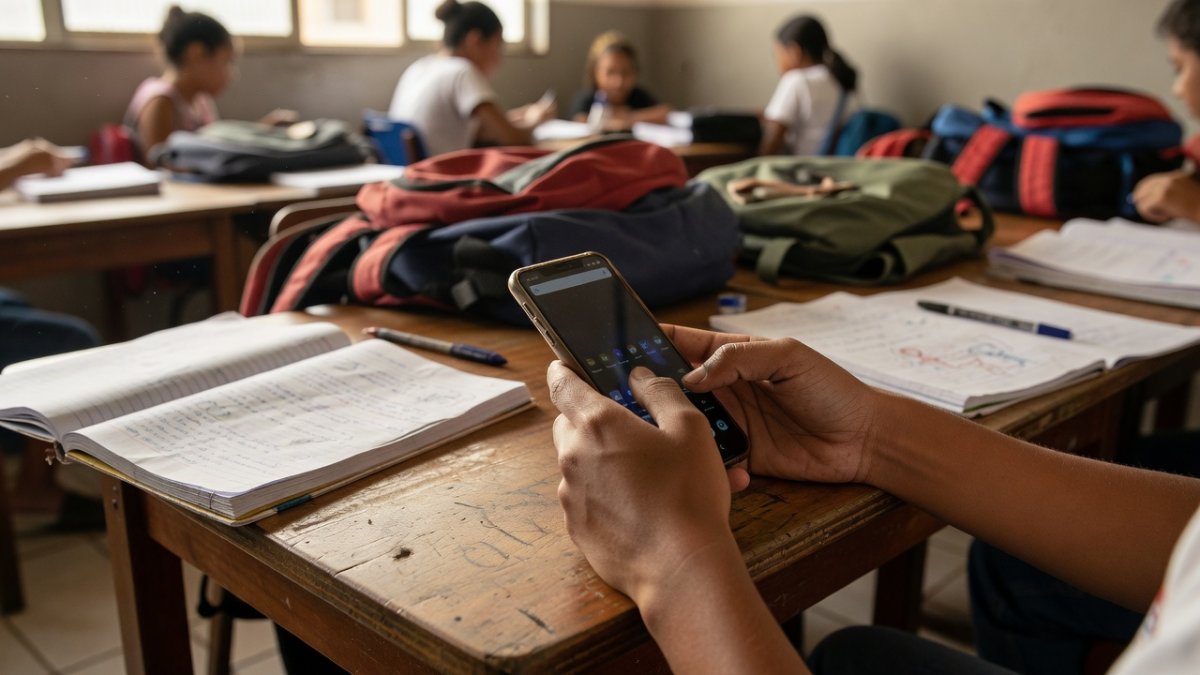
The Bottom Line — A Global Standard Takes Shape
The Meta settlement is not the end of the fight; it is the beginning of a new regulatory era. By agreeing to $17 billion in payments and sweeping design changes, Meta has effectively conceded that its platforms are harmful to minors, even as it denies legal liability. The $5 billion clause tied to rival platforms is a masterstroke, creating a domino effect that could force TikTok, Snapchat, and YouTube to adopt similar safeguards or lose a competitive edge in the US market. For Latin America, this means that the design changes—time limits, overnight blocks, filter bans—are likely to become the global default, simply because it is cheaper for tech companies to implement one standard than to maintain multiple versions.
However, the settlement’s financial remedies are US-centric. Latin American governments must negotiate their own reparations, whether through fines like Brazil’s R$50 million per violation or through regional coalitions under PAHO’s umbrella. The Digital ECA is a model, but it needs enforcement funding and technical capacity. The US settlement provides the legal precedent and the scientific evidence, but it cannot replace local political will. The UN World Youth Report’s call for youth-informed policies is a reminder that any regulation must involve the voices of the young people it aims to protect.
As the court approval process unfolds in the coming months, Latin American families should watch closely. The settlement’s operational changes could arrive in their apps within a year, but the deeper work—funding mental health services, reducing stigma, and addressing the social determinants of depression—remains a local responsibility. The $17 billion is a drop in the ocean compared to the cost of a generation’s mental health. But it is a start, and for the first time, the world’s largest social media company has been forced to admit that its design choices have consequences. The question now is whether Latin America will seize this moment to build a digital environment that truly protects its children.
*Keywords:* Meta settlement, youth mental health, Brazil Digital ECA, Instagram addiction, Latin America depression, ANPD, Peru suicide, Mexico IMSS, PAHO, teen social media regulation
By Elena Vasquez, Staff Writer
This article was produced with AI-assisted research and editorial support. Reporting is based on sources cited in the article.
What's Your Reaction?
 Like
0
Like
0
 Dislike
0
Dislike
0
 Love
0
Love
0
 Funny
0
Funny
0
 Wow
0
Wow
0
 Sad
0
Sad
0
 Angry
0
Angry
0

Latin America Correspondent at Global1.News. Based in Mexico City, covering politics, economics, energy, and culture across the region. Brings an on-the-ground perspective to stories spanning from the Rio Grande to Patagonia.













Comments (0)