
LIST: 2027 holidays and special non-working days
Malacañang Palace announced on September 11, 2026 that President Ferdinand Marcos Jr. has signed Proclamation No. 1427, laying out the calendar of regular holidays, special non‑working days and other observances for 2027.
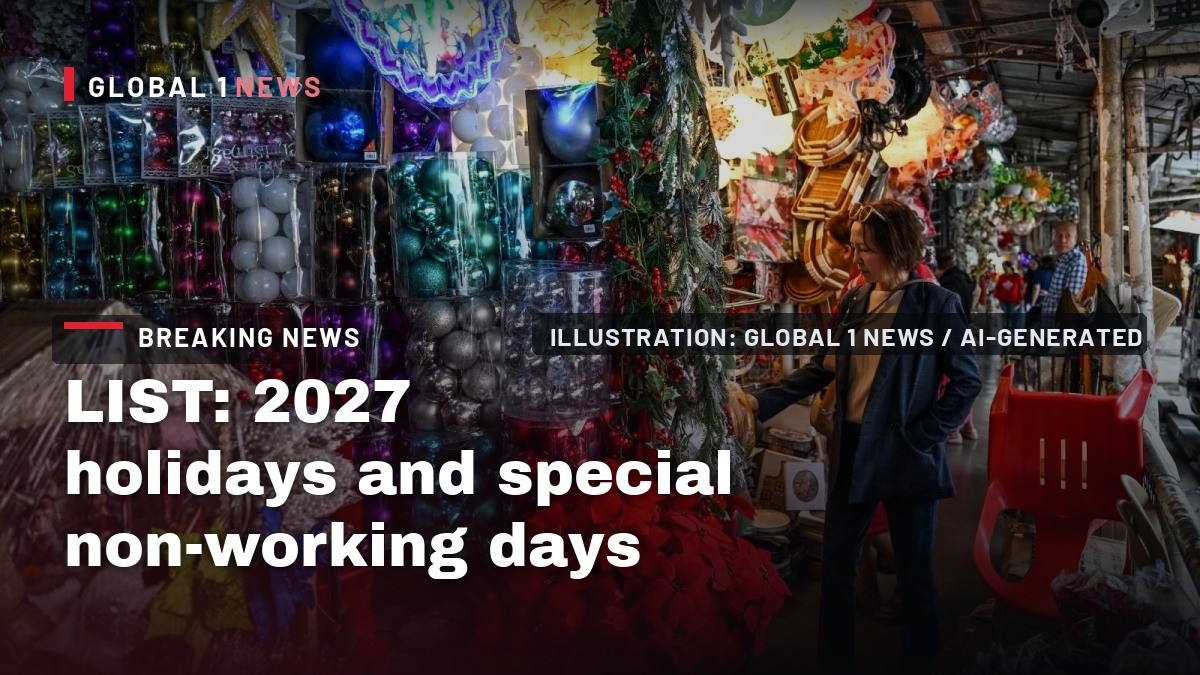
Malacañang Palace announced on September 11, 2026 that President Ferdinand Marcos Jr. has signed Proclamation No. 1427, laying out the calendar of regular holidays, special non‑working days and other observances for 2027. While the proclamation itself lists the specific dates, the release also highlights a few notable additions that aim to give Filipino families more breathing room and to spur domestic tourism. The move, though routine in its legal form, carries a palpable human impact, especially for workers in the informal sector, small‑scale traders, overseas Filipino families planning visits, and the countless barangays that organize community celebrations.
Understanding the Proclamation: What the List Says
Proclamation No. 1427 formally designates the days that will be observed as regular holidays and special non‑working days for the coming year. The document follows the standard practice of the Office of the President in issuing an annual holiday schedule, a tradition that helps schools, businesses and government agencies plan ahead. In addition to the regular holidays that have long been part of the Philippine calendar—such as Independence Day and National Heroes Day—the proclamation earmarks certain dates as “special non‑working days,” a classification that allows private firms to decide whether to grant leave while still mandating a premium pay rate for those who work.
Crucially, the proclamation notes that the specific dates for the Islamic holidays of Eidul Fitr and Eidul Adha will be announced later, once the lunar calendar or astronomical calculations determine their approximate timing. This reflects the government’s ongoing effort to respect the religious observances of the Muslim community, especially in Mindanao, while also ensuring that businesses have a clear timeline for planning.
New Additions: Chinese New Year, Black Saturday, All Souls’ Day and Christmas Eve
The 2027 schedule introduces four additional special non‑working days: Chinese New Year, Black Saturday, All Souls’ Day and Christmas Eve. These days were singled out to “provide more time for family activities and promote domestic tourism,” according to the proclamation. By granting a day off on Chinese New Year, the administration acknowledges the cultural contributions of the Chinese‑Filipino community, whose festivals often light up the streets of Binondo and other historic districts.
Black Saturday, the day before Easter Sunday, is traditionally observed as a solemn pause in many Christian households. Declaring it a special non‑working day formalizes a practice that many already follow, allowing families to attend church services and partake in the reflective customs that accompany Holy Week. All Souls’ Day, observed on November 2, offers a moment for Filipinos to honor departed relatives, a ritual deeply embedded in the country’s Catholic heritage. Finally, Christmas Eve, a night already filled with midnight masses and festive gatherings, receives official recognition as a day for families to travel, prepare feasts, and reunite after a year of hard work.
Impact on Workers and the Informal Sector
For the millions of Filipinos who earn a living in the informal economy—street vendors, sari‑sari store owners, jeepney drivers and seasonal farm laborers—the holiday calendar can be a double‑edged sword. On one hand, an extra day off may mean a loss of daily earnings, especially for those who cannot afford to close shop. On the other hand, the designated special non‑working days often coincide with peak travel periods, prompting a surge in demand for goods and services that can boost sales for small businesses.
Community leaders in barangays across Luzon, Visayas and Mindanao have begun discussing how to balance these effects. In many rural towns, local officials plan to organize communal feasts or “pista” celebrations on the new special days, creating short‑term employment for cooks, musicians and vendors. Such initiatives embody the Filipino spirit of bayanihan, turning a potential economic setback into an opportunity for collective uplift.
Domestic Tourism: A Strategic Push
The proclamation’s explicit aim to “promote domestic tourism” aligns with the Department of Tourism’s ongoing campaigns to encourage Filipinos to explore their own archipelago. By clustering holidays around cultural and religious observances, the government hopes to generate longer travel windows that can stimulate occupancy rates in hotels, patronage of local eateries and foot traffic in heritage sites.
Travel agencies have already begun crafting itineraries that link the new special days. For instance, a package might combine a visit to the historic Chinatown of Binondo for Chinese New Year festivities with a weekend trip to a coastal resort during the Christmas Eve break. Such bundles not only help the tourism sector recover from the pandemic’s lingering effects but also allow families—especially those with members working overseas—to spend quality time together without the prohibitive costs of international travel.
Religious Sensitivities and Inclusive Governance
The delayed proclamation of Eidul Fitr and Eidul Adha dates underscores the government’s careful approach to religious inclusivity. By waiting for accurate lunar calculations, the Office of the President signals respect for the Islamic tradition of moon‑sighting, a practice that remains central to the faith of millions in the Bangsamoro Autonomous Region and elsewhere.
In practice, this means that schools, especially those under the Department of Education’s jurisdiction in Muslim‑majority provinces, will receive the final holiday schedule a few weeks before the actual celebrations. This timing allows parents to plan school breaks and permits local officials to coordinate community events, such as the traditional “halal” feasts and communal prayers that mark the end of Ramadan.
Community Preparations: From Barangay Halls to Sari‑Sari Stores
Across the nation, barangay captains are already convening emergency meetings to discuss how the 2027 holiday calendar will affect local operations. In some provinces, the additional special days have prompted plans for extended fire and police patrols, ensuring safety during the expected increase in gatherings and travel. The Philippine National Police, in coordination with local officials, is likely to issue advisories on traffic management, especially on routes leading to popular tourist destinations during the Christmas Eve period.
Meanwhile, sari‑sari store owners anticipate a surge in demand for holiday essentials—snacks, candles, decorations and small gifts. Many are stocking up early, mindful of the limited cash flow that characterizes micro‑entrepreneurship. The anticipation of a longer holiday window also encourages some to offer credit or “buy now, pay later” schemes, a practice that, while informal, reflects the community’s adaptive spirit.
Looking Ahead: What 2027 May Hold for Ordinary Filipinos
As the calendar for 2027 takes shape, its impact will be felt most keenly by ordinary Filipinos navigating the rhythms of work, family and community life. The added special non‑working days provide a structured pause that can deepen family bonds, allow for cultural expression and potentially stimulate local economies. Yet the reality of lost wages for daily‑wage earners remains a concern that barangay leaders and social welfare agencies must address through targeted assistance.
In the broader picture, the holiday schedule serves as a reminder of how national policy intertwines with daily lived experience. From the bustling streets of Manila to the quiet rice paddies of the Cordilleras, the proclamation’s intent to honor tradition, promote tourism and respect religious diversity reflects a vision of a more inclusive Philippines—one where the rhythm of work and celebration is calibrated to the heartbeat of its people.
This article was produced with AI-assisted research and editorial support. Reporting is based on the source material cited below. Sources: Philstar.com; Global1.News (11 September 2026).
By Bella Reyes, Staff Writer
What's Your Reaction?
 Like
0
Like
0
 Dislike
0
Dislike
0
 Love
0
Love
0
 Funny
0
Funny
0
 Wow
0
Wow
0
 Sad
0
Sad
0
 Angry
0
Angry
0

Philippines/Southeast Asia Correspondent at Global1.News. Manila-based journalist covering Philippine politics, environment, maritime security, and social issues. Passionate about marine conservation and the communities protecting the Philippines' natural heritage.












Comments (0)