
Les Blues du Fleuve: Baaba Maal's Festival of Music and Development in Podor
On an island in the Senegal River, where the waters bend toward Mauritania, a small town of 15,000 people becomes the beating heart of West African music every December. For the 16th edition of Les Blues du Fleuve, Baaba Maal — the globally renowned Senegalese artist whose voice carried the Oscar-winning soundtrack of Black Panther — returned to his hometown of Podor to prove that world-class culture does not need to leave the river to reach the world.
On an island in the Senegal River, where the waters bend toward Mauritania, a small town of 15,000 people becomes the beating heart of West African music every December. For the 16th edition of Les Blues du Fleuve, Baaba Maal — the globally renowned Senegalese artist whose voice carried the Oscar-winning soundtrack of Black Panther — returned to his hometown of Podor to prove that world-class culture does not need to leave the river to reach the world.
Les Blues du Fleuve: Baaba Maal's Festival of Music and Development Keeps the River's Soul Alive in Podor
Dakar, Senegal — For more than a decade and a half, the festival that Baaba Maal built entirely with his own resources has turned the remote Fouta Toro region into a stage for griots, master drummers, and the next generation of African talent. More than a concert series, Les Blues du Fleuve has become a development engine for a community that refuses to be forgotten.
A Festival Born on the Banks of the Senegal River
Podor sits on an island in the Senegal River near the Mauritanian border, with just 15,000 inhabitants. The town draws visitors from across the Fouta Toro region each year when the festival lights up its riverbanks.
The 16th edition of Les Blues du Fleuve took place in December 2024. Organizers estimated 6,000 attendees for the 16th edition, filling the open-air spaces along the water with families, musicians, and traders.
The festival is entirely organized and funded by Baaba Maal. He has sustained the event through his personal commitment without relying on external sponsors or government budgets.
Baaba Maal's stated vision centers on moving major cultural events out of the capital. He wanted a festival that would leave Dakar and establish itself in a region like the River region.
The name Les Blues du Fleuve reflects his deeper musical hope. "I thought we needed a festival that would leave Dakar and establish itself in a region like the River region. But most importantly, the name of the festival, Les Blues du Fleuve, reflects my hope that musically, people realize that everything happening globally in music has its roots in Africa," Baaba Maal said.
The three-night music program unfolds beside the Senegal River. The riverside setting creates an intimate atmosphere where the sound of the water mixes with traditional rhythms and modern arrangements.
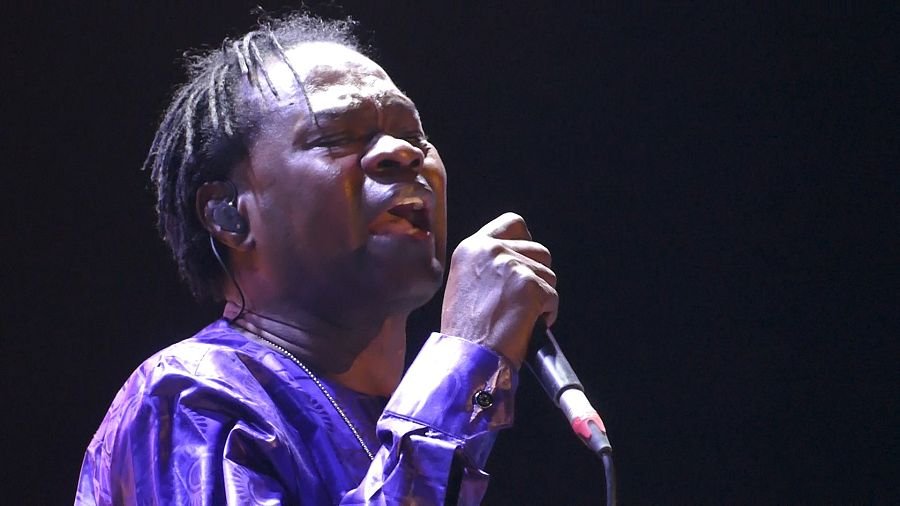
Voices of the Fouta Toro: Master Drummers and Family Tradition
The concert's focus on local heritage brings forward artists who usually perform only at traditional ceremonies in the Fouta Toro region. These musicians carry the living memory of Fula and Tukulor traditions.
Baaba Maal discovered many of these performers during his own travels through the area. He has made it a point to give them space on a larger stage.
"I realized that these are incredibly talented musicians — truly great musicians — who haven't had the chance to perform on major stages. So why not shine a spotlight on them?" Baaba Maal said.
The Dia family of fishermen performs at family ceremonies. Brothers Demma Dia, Yero Dia, Baudi Dia, and Sileye Dia, along with their spouses and children, form the core of this group.
"We are the musical group, the Dia Brothers. I am Demma Dia... We are a family of master drummers," Demma Dia said. Their performances highlight the griot lineage and traditional Fula music of the Fouta Toro.
The festival spotlights these heritage keepers so younger generations see the value in staying connected to their roots. The Dia Brothers' presence turns each evening into a living archive of river culture.
In Fouta Toro, drumming and rhythm mark every stage of community life. At weddings, baptisms, and harvest celebrations, the steady pulse of drums gathers families and neighbors, turning ordinary moments into shared rituals that honor continuity and belonging. The talking drum, known as the tama, produces sounds that travel across river communities, carrying messages of invitation, warning, or celebration from one village to the next.
The festival offers these family troupes their first professional stage. For the Dia brothers and similar griot lineages, performing before wider audiences transforms private mastery into public recognition. This exposure supports cultural preservation by encouraging younger generations to learn the traditions directly from elders, ensuring that the rhythms and stories of the river continue to be passed forward with pride and purpose.
Beyond the Stage: A Development Engine for the River Region
Baaba Maal's broader commitments to the region extend well past the festival dates. He channels resources into projects that address daily life along the Senegal River.
"These celebrations are an opportunity to highlight development opportunities. When you come here, you see the potential for agriculture to thrive. And all of this serves as a driving force for development," Baaba Maal said.
The NANN.KA Rural Development Project is fully funded by Baaba Maal. It operates year-round in the Fouta Toro, focusing on practical improvements in farming and community life.
Mamadou Babacar Diop is coordinator of the NANN.KA Rural Development Project. He works directly with local groups to implement the initiatives Baaba Maal supports.
"NANN.KA's goal is to strengthen agriculture, particularly by supporting women and young people, so they can truly understand that everything we need can be achieved here without leaving our country," Mamadou Babacar Diop said.
The fight against migration pressure and rural exodus runs through every aspect of the project. Culture and agriculture work together as driving forces for development in the river region.
The river region faces persistent challenges that shape daily life. Seasonal flooding disrupts planting cycles, while irrigation needs remain constant for sustaining crops. At the same time, many young people leave for Dakar or opportunities abroad, drawn by the promise of steadier work and leaving villages with fewer hands to maintain fields and traditions.
The festival’s visibility draws visitors and partners to Podor, generating economic ripple effects for local traders and artisans who sell goods and crafts during the event. When a community sees its culture valued on this scale, residents feel renewed investment in their future, strengthening the connection between cultural pride and practical development efforts that keep families rooted in the region.

December 2025: The 17th Edition and West African Integration
The 17th edition was held December 5-7, 2025 in Podor. The program of concerts, conferences, panels and workshops dedicated to the culture of the Senegal River drew participants from multiple countries.
Artists from Senegal, Mali and Mauritania shared stages and discussions. Their presence turned the event into a cross-border gathering of river communities.
Prominent cultural figures from the sub-region attended the opening ceremonies. The theme of strengthening ties between peoples living along the Senegal River and maintaining West African integration guided every session.
Baaba Maal's closing message at the 17th edition focused on integration and an appeal for peace. He spoke directly to the shared history of communities on both sides of the river.
The festival is placed under the banner of peace and social harmony. This framing encourages dialogue that reaches beyond music into everyday cooperation.
The festival contributes to strengthening Senegal's Vision 2050 by showing how cultural events can support national development goals. Local organizers see the gathering as one practical step toward that long-term vision.
As the sun sets over the river during the opening ceremony, crowds gather along the banks in anticipation. The warm reception reflects the deep anticipation that builds each year, with families and visitors settling into spaces where music and conversation flow naturally under the evening sky.
The Senegal River binds communities across borders, as Mali, Mauritania, and Senegal share its waters and long history of movement and exchange. Cultural exchange at the festival builds everyday cooperation between neighboring countries by creating spaces where artists and audiences from each side meet, share stories, and strengthen ties that extend beyond the event itself into ongoing regional relations.
The River's Music and the World's Roots
Baaba Maal's international career has taken him across continents while he keeps his base in the Fouta Toro. His Oscar-winning work on the Black Panther soundtrack brought global attention to the sounds of the Sahel.
He is known as "The Voice of the Sahel" and serves as UNCCD Goodwill Ambassador. These roles connect his music to wider questions of environment and culture across Africa.
His band Daande Lenol means "The Voice of the People" and celebrated 40 years in late 2024. The group continues to tour with the same commitment to Fula traditions that defined its early days.
Baaba Maal's classic album Djam Leelii (1989) was recorded with Mansour Seck. That recording remains a landmark of acoustic collaboration between two masters of the region.
Baaba Maal blends traditional Fula music of the Fouta Toro with blues, rock and electronic sounds. The result keeps the core rhythms intact while opening doors to new listeners.
The festival's message that everything happening globally in music has roots in Africa resonates through every performance. The Fouta Toro region's culture is represented through music, traditional dance, and crafts that visitors carry home.
What to Watch For
The tradition of the festival returning each December continues without interruption. Audiences already plan their travel for the next gathering along the river.
Expectations for the next edition in December 2026 center on expanded workshops and new collaborations with artists from the wider Sahel. The core program of evening concerts will remain the heart of the event.
NANN.KA's year-round agricultural initiatives continue beyond festival season. Women and young farmers work the fields and irrigation projects that Baaba Maal supports throughout the year.
The growing recognition of the festival's model of self-funded cultural development has reached other regions in Senegal. Organizers in Saint-Louis and Tambacounda have begun studying the approach.
Local coverage of the 17th edition noted limited state support while the festival thrives on Baaba Maal's private initiative. This contrast highlights both the strength of individual commitment and the gaps in public cultural policy.
The festival means concrete progress for African cultural tourism and creative economies. It shows how one artist's decision to stay rooted can generate lasting opportunities for an entire river community.
Les Blues du Fleuve stands as proof that African communities can sustain their own cultural institutions through steady private effort. At the same time, the honest challenges of funding and limited state support remain visible, reminding everyone that sustained success still depends on wider partnerships to reach its full potential.
By Amara Diop, Staff Writer
This article was produced with AI-assisted research and editorial support. Reporting is based on sources cited in the article.
What's Your Reaction?
 Like
0
Like
0
 Dislike
0
Dislike
0
 Love
0
Love
0
 Funny
0
Funny
0
 Wow
0
Wow
0
 Sad
0
Sad
0
 Angry
0
Angry
0

West Africa/Sahel Correspondent at Global1.News. Dakar-based journalist covering politics, security, climate, and development across Francophone and Anglophone West Africa. Tells the stories of a region undergoing profound transformation.














Comments (0)