
Jason Arday's Death Sparks Reckoning Over Duty of Care, Media Scrutiny and Racism
Professor Jason Arday, the youngest Black professor ever appointed at Cambridge, was found dead days after resigning amid plagiarism allegations he denied. His death has ignited a reckoning over duty of care, media scrutiny and racism in British academia, with calls growing for an independent inquiry.
The death of Professor Jason Arday — the youngest Black professor ever appointed at the University of Cambridge — has ignited a national reckoning over institutional duty of care, the ferocity of media scrutiny, and the entrenched racism that continues to shape British academia. The 41-year-old sociologist was found dead at his home in Battersea, south London, on Friday afternoon, just days after resigning from his post amid a torrent of plagiarism allegations he vehemently denied.
Death of Professor Jason Arday: A Reckoning Over Duty of Care, Media Scrutiny and Racism in British Academia
London, UK – 17 August 2026 — The Metropolitan Police were called by the London Ambulance Service to Arday's home shortly after 3pm on Friday 14 August. He was pronounced dead at the scene. Police have stated that his death is being treated as unexpected but is not believed to be suspicious, with a file to be prepared for the coroner. The news has sent shockwaves through the academic world, prompting an outpouring of grief, anger, and pointed questions about who — if anyone — failed him.
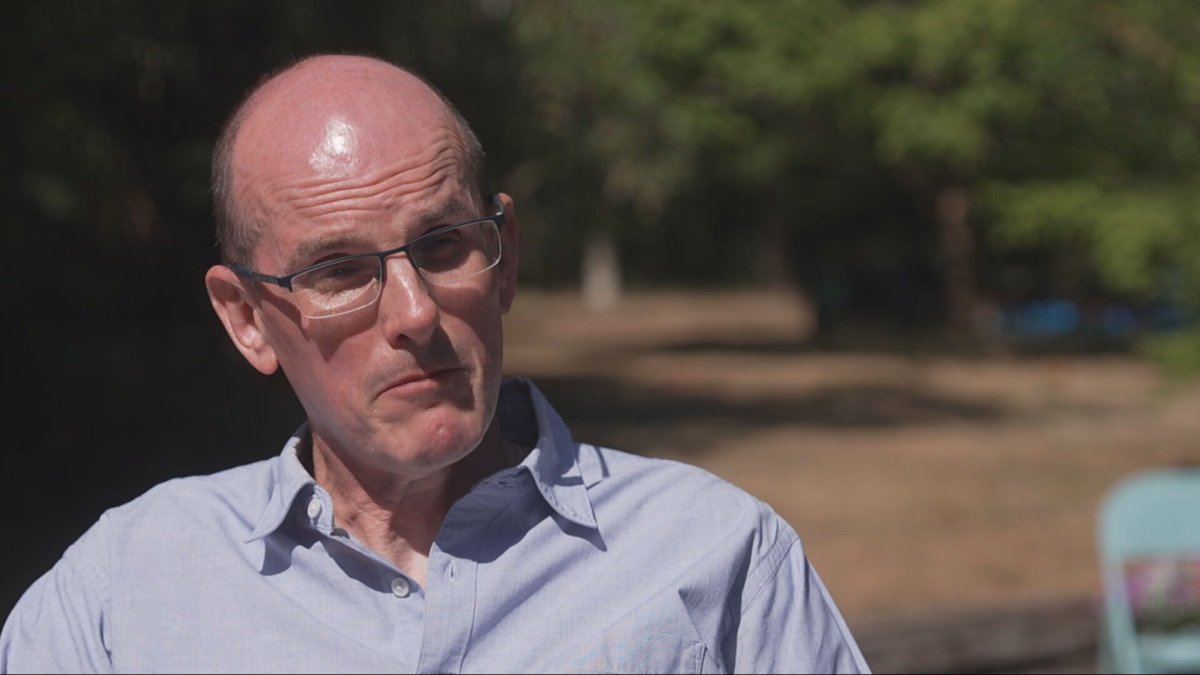
A 'Campaign of Sustained Abuse'
In a statement issued through his publisher, Simon & Schuster UK, Arday's family delivered a devastating indictment of the treatment he received. They said he had been subjected to "a campaign of sustained abuse for more than three years since he accepted the role of professor at Cambridge University." They added, "The campaign of misinformation was too much for Jason, who was a gentle man," and pleaded with the press to halt "the campaign of harassment which has been waged against Jason and his family for too long."
The timeline of that campaign is now under intense scrutiny. Arday resigned with immediate effect from Cambridge and Jesus College the previous week, following allegations of plagiarism and questions about parts of his public record. While he admitted to errors in his work, he categorically denied the more serious claims of fabrication. The row intensified after Nathan Cofnas, a self-described "race realist" who was sacked from Cambridge in 2024, publicly claimed he had found instances of plagiarism in Arday's early academic output.
Political Reaction: A 'Wake-Up Call'
The political response has been swift and sombre. Prime Minister Andy Burnham called the death "a tragedy on so many levels," urging the nation to pause. "It's not a moment for any rushing to judgment. It's a moment for reflection... A really sad, sad and sorry state of affairs," he said. His words were echoed by Sadiq Khan, the Mayor of London, who delivered a stinging rebuke of the media and public discourse surrounding Arday. Khan stated that Arday "faced an unacceptable public hounding and campaign of abuse" and was "the victim of a pernicious public shaming that other people in his position simply wouldn't have faced... His death was a tragedy, but once again it should be a wake-up call for all of us."
Cambridge's vice-chancellor, Professor Deborah Prentice, said the university was "desperately saddened" by the news. However, her statement comes against a backdrop of institutional actions that critics argue contributed to the pressure on Arday. Earlier in the week, Cambridge announced an independent investigation into Arday's appointment after 89 academics signed a letter demanding one, alongside an independent review of "relevant processes." Education Secretary Lucy Powell expressed she was "deeply shocked and saddened," urging the public to "remember there are real people with loved ones involved."
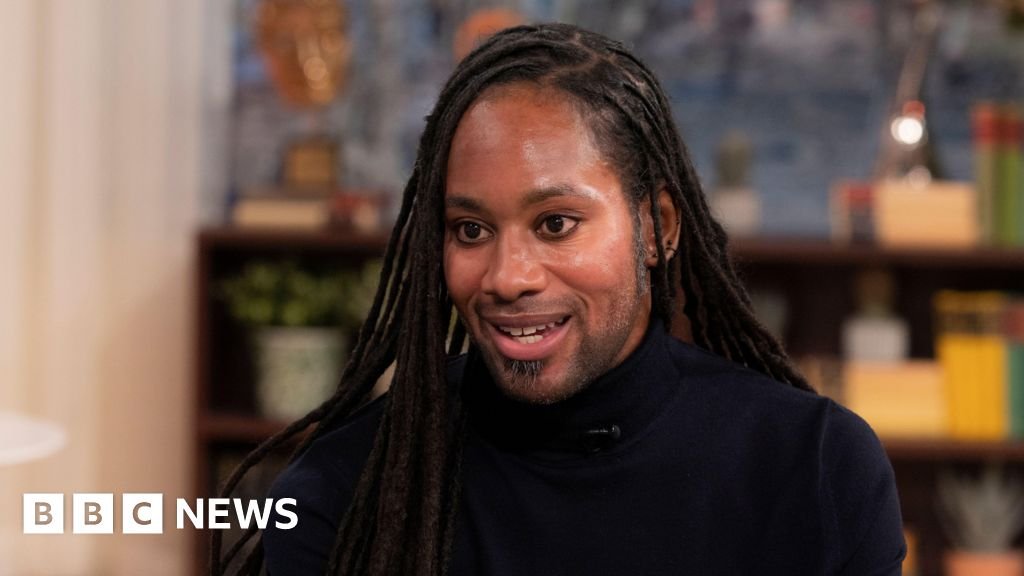
The Human Toll: 'He Couldn't See a Way Out'
Beyond the institutional statements, the testimony of those closest to Arday paints a harrowing picture of a man in crisis. Kehinde Andrews, Professor of Black Studies at Birmingham City University and a close friend, told Channel 4 News that Arday "couldn't see a way out." He described Arday as "very upset," revealing that he "effectively wasn't leaving the house" and had "lost a lot of weight." Andrews did not mince words, describing the death as a "public lynching" and criticising the coverage of the plagiarism allegations, which he insisted were false. He called for a formal inquiry into how universities handled the allegations, stating there needs to be "a wakeup call to just how bad black academics actually have it in academia."
Simon Baron-Cohen, the director of the Autism Research Centre at Cambridge and a friend of Arday, provided a chilling account of Arday's final hours. Speaking on BBC Radio 4's Today programme, Baron-Cohen revealed that Arday told him on Friday morning "he felt that he was unable to go on." He stressed Arday's lifelong vulnerability, noting, "He was a vulnerable child, a vulnerable teenager and a vulnerable adult, so he needed and deserved safeguarding and support and reasonable adjustment every step of the way."
A Double Standard in British Academia?
The central question emerging from this tragedy is whether Arday was held to a different standard than his white peers. Labour MP Bell Ribeiro-Addy articulated this concern forcefully, stating that "the idea that an academic would be dragged through this amount of media scrutiny is unheard of." She drew a stark contrast between Arday's treatment and that of white academics who have been proven to have plagiarised or manipulated data, questioning why they did not face the same relentless public pillorying.
Jolyon Maugham of the Good Law Project added a legal and ethical dimension to the debate. "I do not understand what the public interest was in continuing to hound him after he resigned as a professor and I do not understand what risk assessments media outlets did," he said. His comments raise serious questions about the editorial decisions made by news organisations in the weeks leading up to Arday's death. Daniel Kebede, general secretary of the National Education Union, was unequivocal in his condemnation, stating Arday had been subjected to "a public and brutal takedown that unleashed a tirade of racism." He warned of a chilling effect: "It tells Black people and others from underrepresented backgrounds that entering prominent public positions will make you a target."
The Institutional Context: A Symbol of Progress Under Fire
To understand the magnitude of this loss, one must appreciate the symbolic weight Arday carried. Appointed in 2023 at the age of 37, he was hailed as a progressive milestone for Cambridge and for the UK, where only one per cent of professors are Black. His journey was nothing short of extraordinary. Arday was nonverbal until the age of 11 and unable to read or write until he was 18, requiring extensive speech and language therapy. He was a torchbearer for the 2012 London Olympic flame, worked as a PE teacher, and completed a doctorate in education at Liverpool John Moores University in 2015 — a decision the university upheld after a review earlier this year.
He held posts at Durham (2019-2021) and the University of Glasgow before his landmark appointment at Cambridge. Arday attributed some errors in his early academic work to his autism, explaining that he relied on mimicry to make sense of information. In a poignant interview with The Times, he defended his integrity, saying: "I didn't murder somebody. I think the cruelty that I've experienced and the positioning of me as this kind of liar and fantasist is totally unacceptable."
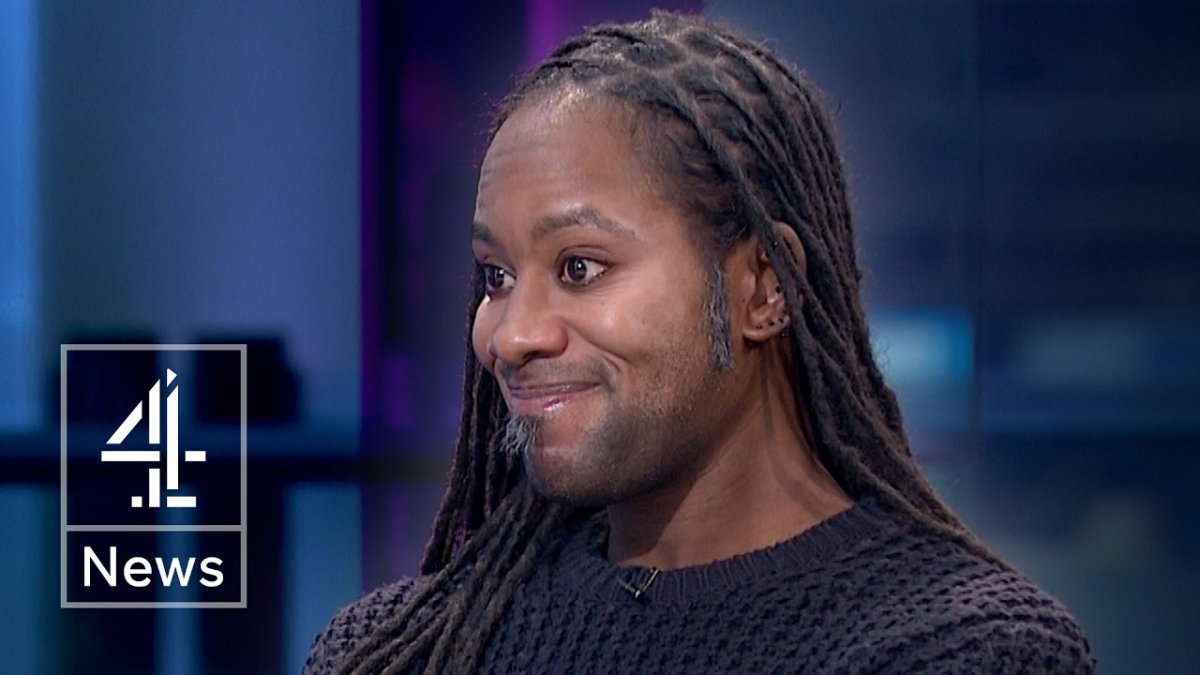
Questions for Cambridge and the Media
The focus now turns to the institutions that surrounded Arday. Cambridge's decision to launch an internal inquiry on 5 August, after receiving "new information" about his qualifications and honorary appointments, is under intense scrutiny. Critics argue that the university failed in its duty of care to a vulnerable employee, choosing to distance itself rather than support him. The 89 academics who had demanded an independent investigation will expect those questions to be answered in full.
Conservative MP James Cleverly added that people at academic institutions "have serious questions to answer," a sentiment that is likely to grow louder in the coming days. The media, too, faces a reckoning. The relentless coverage of the plagiarism allegations, which continued even after Arday's resignation, is now being examined for its proportionality and public interest value. The fact that Arday's memoir, Great and Unfortunate Things, was published in the US this week by Simon & Schuster — with UK publication scheduled for 27 August — adds a tragic layer of irony to the narrative.
The Bottom Line — What Comes Next
As the family prepares for an inquest, the calls for a fully independent inquiry are intensifying. More than £20,000 has been raised via a GoFundMe campaign launched by Windrush campaigner Sir Patrick Vernon, a testament to the public's desire to honour Arday's legacy and support his family. The question is no longer just about what happened to Jason Arday, but about what his death reveals about the state of British academia and public discourse.
If implemented, an independent inquiry could examine not only Cambridge's handling of the allegations but also the broader culture of racism and ableism that Black academics report across UK universities. It would scrutinise the duty of care owed to staff, the role of social media in amplifying attacks, and the editorial standards of the press. The tragedy of Jason Arday is that it took his death to force these conversations into the open. The challenge now is whether the institutions involved — universities, media outlets, and regulators — have the courage to confront the uncomfortable truths he has left behind.
In the UK, Samaritans can be contacted on 116 123.
By Erica Thornton, Staff Writer
This article was produced with AI-assisted research and editorial support. Reporting is based on sources cited in the article.
What's Your Reaction?
 Like
0
Like
0
 Dislike
0
Dislike
0
 Love
0
Love
0
 Funny
0
Funny
0
 Wow
0
Wow
0
 Sad
0
Sad
0
 Angry
0
Angry
0

US Politics and Policy Correspondent at Global1.News. Based in Washington DC, covering American politics, policy, elections, and the courts. Knows how the system works and tells you what it actually means.














Comments (0)