
India's Air Pollution Fuels Lung Cancer Surge in Non-Smokers
India recorded 1,12,659 new lung cancer cases in 2024 according to GLOBOCAN 2024 estimates from WHO-IARC, making the disease the third most common cancer yet the leading cause of cancer deaths with 98,687 fatalities. This grim mismatch between incidence and mortality is sharpening focus on air pollution as a driver of rising cases among non-smokers, particularly women in rapidly growing cities such as Bengaluru and Mumbai.
India recorded 1,12,659 new lung cancer cases in 2024 according to GLOBOCAN 2024 estimates from WHO-IARC, making the disease the third most common cancer yet the leading cause of cancer deaths with 98,687 fatalities. This grim mismatch between incidence and mortality is sharpening focus on air pollution as a driver of rising cases among non-smokers, particularly women in rapidly growing cities such as Bengaluru and Mumbai. The National Programme for Prevention and Control of Non-Communicable Diseases under the Ministry of Health and Family Welfare still excludes lung cancer from organised screening, leaving early detection dependent on individual vigilance.
India's Air Pollution Emerges as Major Driver of Lung Cancer in Non-Smokers, Outpacing Smoking Trends
Bengaluru, Karnataka – August 1, 2026 — A 50-year-old woman arrived at pulmonologist Dr Sachin Kumar's clinic in Bengaluru for what she believed was asthma; a chest X-ray instead revealed fluid around her lungs and tests confirmed advanced lung cancer that had spread to the pleura. Lung cancer claimed more Indian lives than any other malignancy in 2024, comprising 7.2 percent of 15.62 lakh total cancer cases yet causing 10.9 percent of the 9,01,828 cancer deaths. India's annual lung cancer burden has more than doubled from roughly 55,000 cases in 2004 to 1,12,659 in 2024, with women now accounting for nearly 30 percent of diagnoses, up from 20 percent two decades earlier.
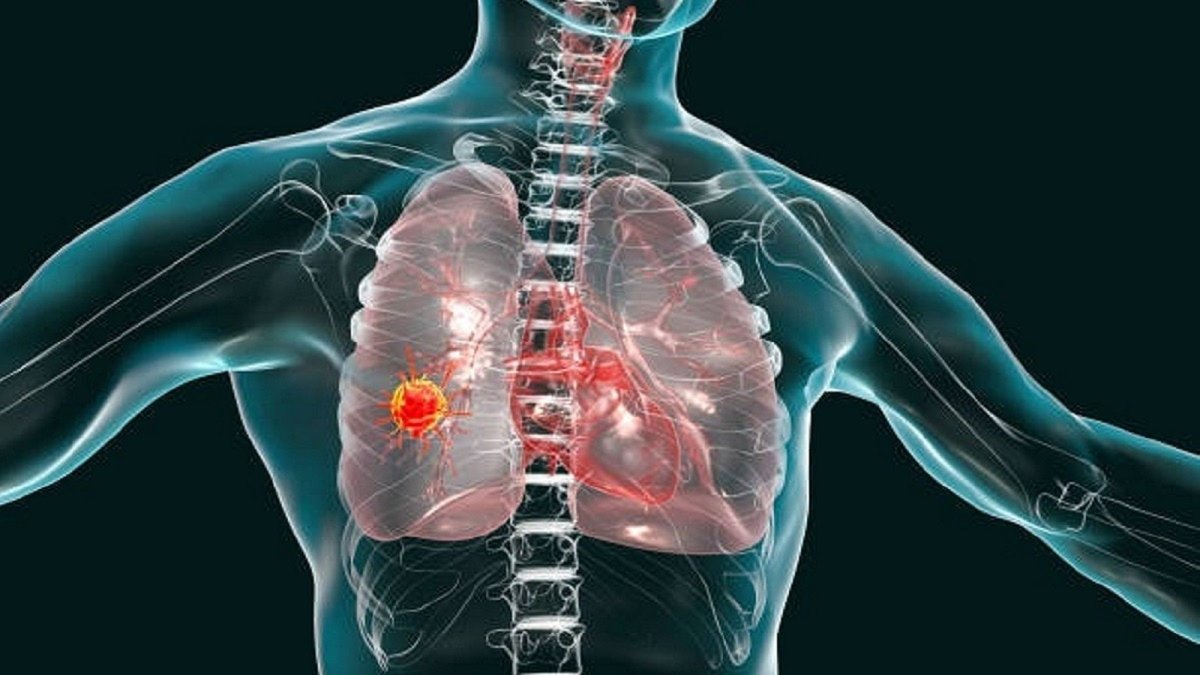
Analytical Framing — Rising Burden and Shifting Demographics
India's National Cancer Registry Programme coordinated by ICMR tracks incidence through hospital and population-based registries, yet the country maintains no national statistics on smoking status. Hospital studies consistently show 15-35 percent of lung cancer patients have never smoked, while 60-85 percent of Indian women diagnosed with the disease report no smoking history. Dr Kumar's Bengaluru practice sees two to three new primary lung cancer cases every three months, with nearly 40 percent involving women or never-smokers. GLOBOCAN 2024 data places lung cancer mortality at 98,687 deaths, underscoring how the disease's silent progression allows tumours to grow undetected for months before symptoms appear.
The two-decade doubling of lung cancer cases from roughly 55,000 in 2004 to 1,12,659 in 2024 reflects a sustained upward trajectory that outpaces many other malignancies tracked by the ICMR National Cancer Registry Programme. This rise coincides with broader demographic transitions, including urbanisation and changing exposure patterns, which together amplify population-level vulnerability even as overall smoking prevalence remains lower than in many Western countries.
Gender distribution has shifted markedly, with women accounting for approximately 20 percent of cases in 2004 and rising to nearly 30 percent by 2024, resulting in more than 33,600 women diagnosed in a single year. Hospital-based observations further indicate that 15–35 percent of all lung cancer patients are never-smokers, while 60–85 percent of Indian women with the disease report no smoking history, underscoring the need to examine non-tobacco drivers in epidemiological models.
GLOBOCAN 2024 data released by WHO-IARC on 8 July 2026 place lung cancer as the third most common malignancy yet the leading cause of cancer mortality, representing 7.2 percent of 15.62 lakh total cases but 10.9 percent of 9,01,828 deaths. This incidence-mortality mismatch signals later-stage detection and limited therapeutic access, producing disproportionately high fatality rates that strain both surveillance systems and clinical resources.
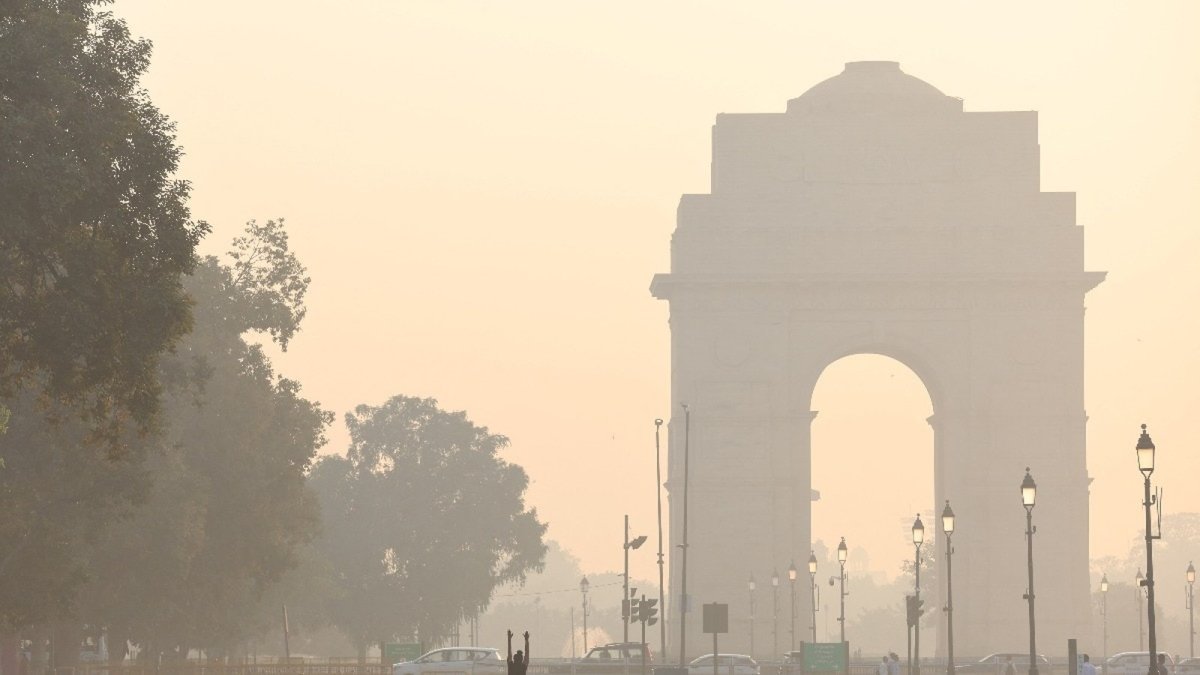
What This Means for India
The absence of lung cancer from the National Programme for Prevention and Control of Non-Communicable Diseases screening basket at primary health centres leaves millions without routine checks, unlike oral, breast and cervical cancers. Ayushman Bharat Pradhan Mantri Jan Arogya Yojana provides Rs 5 lakh annual cover for cancer treatment at empanelled hospitals, yet late-stage diagnosis means most patients reach care only after the disease has advanced beyond surgical cure. Fewer than one in ten patients qualify for surgery, the treatment offering the best chance of cure, while the five-year survival rate even with early detection stands at 27-28 percent. Taxpayers fund this tertiary care through AB-PMJAY while upstream prevention remains limited to tobacco control rather than air quality measures.
The exclusion of lung cancer from the NP-NCD screening basket at primary health centres leaves a critical detection gap at the point where most patients first seek care. Ayushman Bharat AB-PMJAY’s Rs 5 lakh per-family annual hospitalisation cover absorbs downstream costs of late-stage treatment, yet the scheme’s sustainability is tested when the majority of cases arrive requiring intensive, prolonged intervention rather than earlier, lower-cost management.
ICMR National Cancer Registry Programme data provide the incidence baseline for policy, yet translating these figures into action requires coordinated measures across air quality standards and tobacco control. The National Clean Air Programme targets PM reductions in cities, but integration with cancer prevention strategies remains incomplete, allowing upstream environmental drivers to continue feeding the rising case load.
Ultimately, the burden falls on taxpayers and an already stretched healthcare system. Prioritising upstream prevention—through stricter emission controls, expanded molecular diagnostics and inclusion of lung cancer in organised screening—offers the only scalable route to reducing both incidence and the disproportionate mortality share currently borne by Indian patients.
Deeper Analysis — Air Pollution as Population-Level Risk Factor
PM2.5 particles and toxic gases from traffic, industrial emissions, crop burning and biomass fuels penetrate deep into lung tissue, triggering chronic inflammation and oxidative stress that accumulate over years. Unlike smoking, where risk concentrates among users, air pollution affects entire urban populations, turning even modest individual risk into large case numbers across cities. Researchers note that India's lower historical cigarette smoking rates compared with Western countries make the contribution of outdoor and indoor pollution more visible, especially among never-smokers. Prolonged exposure to biomass fuel smoke indoors and worsening outdoor air quality now rank alongside passive smoking and radon as key contributors in hospital cohorts.
PM2.5 particles and associated toxic gases penetrate deep into alveolar spaces, triggering chronic inflammation, oxidative stress and progressive cellular damage that accumulate over years of exposure. This mechanism converts modest per-person risk into substantial case volumes when entire communities breathe the same degraded air, a dynamic distinct from the concentrated harm of individual behaviours.
While tobacco smoke remains the strongest preventable cause, containing thousands of harmful chemicals that directly damage lung-lining cells, the debate over whether air pollution could emerge as the new tobacco highlights its population-wide reach. Indoor biomass fuel combustion in Indian kitchens adds another layer of exposure, particularly for women, and evidence from China cited by oncologists links such household pollution directly to elevated lung cancer incidence.
Monsoon conditions that trap pollutants after rainfall further intensify this burden, converting episodic spikes into sustained risk. Because community-level exposure multiplies even small individual probabilities, air quality interventions acquire the same public-health urgency traditionally reserved for tobacco control, especially as never-smoker cases continue to rise.
Expert Perspectives
Dr Vijay Kumar Srinivasalu, medical oncologist at Sakra World Hospital in Bengaluru, highlights that genetic alterations such as EGFR mutations, more common in Asian populations and never-smokers, interact with pollution exposure to elevate risk in women. Dr Kumar Prabhash, oncologist and researcher at Tata Memorial Centre in Mumbai, notes that tuberculosis frequently clouds the clinical picture, with persistent cough and imaging abnormalities initially attributed to TB and delaying correct diagnosis. Dr Aseem Kumar Samar, Director of Medical Oncology at CK Birla Hospitals Jaipur, emphasises that tobacco remains the strongest individual risk factor, yet constant community-wide exposure to polluted air is becoming an increasingly important driver for never-smokers.
Diagnostic Challenges and Policy Gaps
Lung cancer often mimics asthma, infections, allergies or tuberculosis, leading most patients to receive advanced-stage diagnoses. The lung's large capacity permits silent tumour growth for months before symptoms such as persistent cough, unrelieved breathlessness, recurrent infections or unexplained weight loss emerge. India lacks organised population-level screening programmes, leaving early detection dependent on symptom-driven investigations rather than proactive measures. ICMR's National Cancer Registry Programme continues to document rising incidence, yet integration of air quality data into cancer surveillance remains absent from current Ministry of Health frameworks.
Lung cancer frequently presents with symptoms that mimic asthma, recurrent infections, allergies or tuberculosis, allowing tumours to grow silently within the lung’s large functional reserve. Dr Kumar Prabhash of Tata Memorial Centre notes that TB overlap commonly clouds the clinical picture in India, delaying targeted investigations until disease has advanced beyond early intervention windows.
Even when detected, five-year survival hovers around 27–28 percent, and fewer than one in ten patients reach diagnosis early enough for surgical resection. The absence of organised population-level screening—unlike the oral, breast and cervical programmes under NP-NCD—leaves warning signs such as persistent cough, unrelieved breathlessness, recurrent chest infections and unexplained weight loss unaddressed at primary-care level.
Additional barriers include limited access to molecular testing for mutations such as EGFR, which occur more frequently in Asian never-smokers, and unequal availability of targeted therapies. These gaps compound financial strain and produce systematic under-diagnosis, particularly among women and non-smokers whose risk profiles fall outside conventional screening assumptions.
The Bottom Line
With 1,12,659 cases and 98,687 deaths recorded in 2024, lung cancer's dominance in mortality demands that India's healthcare framework expand beyond tobacco-focused policies to address air pollution as a modifiable population risk. Integration of lung cancer considerations into the National Programme for Prevention and Control of Non-Communicable Diseases, combined with stronger enforcement of air quality standards in cities such as Bengaluru and Mumbai, could alter the trajectory for the 33,600-plus women and thousands of never-smokers diagnosed annually. Continued reliance on late-stage treatment under AB-PMJAY without upstream prevention will sustain the current mismatch between incidence and survival.
— By Dr. Raj Patel, Staff Writer
This article was produced with AI-assisted research and editorial support. Reporting is based on sources cited in the article.
What's Your Reaction?
 Like
0
Like
0
 Dislike
0
Dislike
0
 Love
0
Love
0
 Funny
0
Funny
0
 Wow
0
Wow
0
 Sad
0
Sad
0
 Angry
0
Angry
0

India/South Asia Correspondent at Global1.News. Analytical voice with a background in science and health journalism. Based in New Delhi, covering Indian politics, education, healthcare, technology, and policy. Breaks down complex data into clear, actionable reporting.













Comments (0)