
The FDA wants to pull its approval of a drug. It’s not so easy.
The FDA’s recent attempt to yank approval of Tavneos has turned into a high‑stakes showdown that underscores how fragile the nation’s drug‑approval system can be when a single, high‑priced medication rides on shaky clinical data.
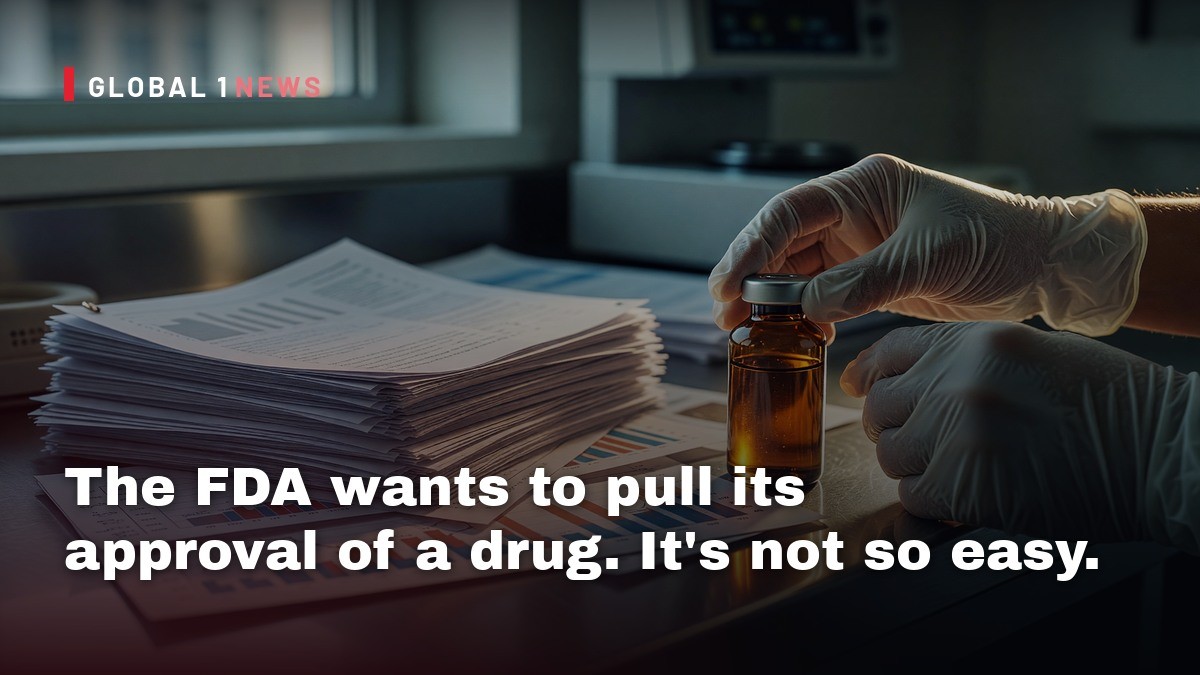
The FDA’s recent attempt to yank approval of Tavneos has turned into a high‑stakes showdown that underscores how fragile the nation’s drug‑approval system can be when a single, high‑priced medication rides on shaky clinical data. What began as a cautious briefing in May 2021 has morphed into a multi‑year saga involving an independent advisory committee, a $220,000‑a‑year price tag, a looming $69 million settlement, and a battle between a biotech newcomer and a pharmaceutical giant. As the October 29 court hearing approaches, the question isn’t just whether Tavneos stays on the market—it’s whether the FDA can reliably police the integrity of the data that gets drugs to patients in the first place.
From a Tentative Briefing to a Narrow Approval Vote
In May 2021 the FDA released a lengthy briefing document on an experimental drug aimed at a rare autoimmune vasculitis that frequently attacks the kidneys and lungs. The agency was “on the fence” about approval and called for an independent advisory committee to weigh the evidence. The central issue was whether the drug, later branded as Tavneos, was meaningfully better than existing therapies.
The trial, conducted by California‑based ChemoCentryx, showed a modest uptick in symptom remission after one year. Yet the FDA flagged the study’s design as “less than optimal,” noting that the results were hard to interpret. One committee member bluntly said the effect “is just not well verified by this study.” Despite those concerns, the advisory committee voted narrowly in favor of approval, and the FDA green‑lighted Tavneos on October 7, 2021.
The Promise of a Steroid‑Sparing Alternative
For patients with ANCA‑associated vasculitis (AAV), the standard of care has long hinged on high‑dose steroids to quell inflammation, followed by slower‑acting agents to keep the disease in check. Steroids are brutally effective but notoriously toxic, often causing rapid weight gain, mood swings, insomnia and nightmares—as illustrated by the experience of Chloe Cusano, a 20‑year‑old who gained 40 pounds and endured severe emotional volatility during her two‑week hospitalization.
Because of those side effects, a drug that could reduce or replace steroids would be a game‑changer. That promise helped fuel patient and physician enthusiasm for Tavneos, despite the FDA’s reservations about the trial’s rigor.
Financial Stakes and Corporate Maneuvering
ChemoCentryx’s gamble paid off handsomely. Within a year of approval, the company was acquired by Amgen, one of the world’s largest pharmaceutical firms. Tavneos now commands a price of $220,000 per year, according to Drugs.com, and generated nearly half a billion dollars in sales during fiscal year 2025. Those figures illustrate why Amgen is fiercely defending the drug, even as the FDA moves to rescind its approval.
The financial windfall sits alongside a long‑running investor lawsuit that uncovered evidence of data manipulation by ChemoCentryx employees. In April 2026 the FDA issued a letter proposing withdrawal of Tavneos, citing reports of serious, sometimes fatal, liver injury and arguing that the drug no longer meets the “substantial evidence” standard required for market authorization.
International Repercussions and the Growing Controversy
The FDA’s concerns have reverberated abroad. This summer, the New England Journal of Medicine retracted a paper describing the pivotal trial, and the European Union promptly removed Tavneos from its market. The United Kingdom announced a similar removal. These coordinated actions amplify the pressure on Amgen and the U.S. regulators, highlighting how a single data integrity issue can trigger a global cascade.
Amgen, however, is not backing down. In July 2026 the company submitted a 104‑page dossier to the FDA, asserting that “the totality of the evidence supports the continued availability of TAVNEOS.” The firm’s stance reflects a broader industry trend of defending products amid post‑approval scrutiny, often by marshaling extensive post‑marketing data to offset earlier deficiencies.
Scientific Voices Split on Efficacy
Even among experts, opinions diverge. Eric Roberts, an epidemiologist at UCSF who co‑authored an independent registry study, called Tavneos “an efficacious medication.” His view aligns with patients who have seen steroid‑related side effects and are eager for alternatives.
Conversely, members of the original advisory committee, such as rheumatologist David Pisetsky of Duke University, voted against approval. Pisetsky argued that the control arm received only a single dose of rituximab—a slower‑acting agent—when standard practice would have involved two doses, making the comparison unfair. Mike Putman, medical director of the Vasculitis Program at the Medical College of Wisconsin, echoed this critique, noting that the trial’s standard‑of‑care comparator was “somewhat debatable” at the time.
The Regulatory Gap and Calls for Reform
Reshma Ramachandran, physician and co‑director of the Yale Collaboration for Regulatory Rigor, Integrity, and Transparency, warned that the Tavneos saga exemplifies a systemic problem: “we’re just going to be living in uncertainty in terms of whether or not these drugs actually work” unless more rigorous studies are required before or after market entry. Her concern reflects a broader call for the FDA to tighten pre‑approval evidentiary standards, especially when a small biotech conducts the pivotal trial and stands to profit enormously from a single product.
The current situation also raises questions about post‑marketing surveillance. The FDA’s April 2026 letter cited liver injury reports, but the agency’s ability to act swiftly depends on robust adverse‑event reporting—a system that has historically been under‑resourced. Strengthening that infrastructure could help catch safety signals earlier, potentially averting the need for dramatic market withdrawals.
What Lies Ahead for Tavneos and Patients
The October 29 Zoom hearing will determine whether a $69 million settlement resolves the investor lawsuit, but it will not settle the drug’s fate in the United States. Amgen will likely continue to press the FDA with its 104‑page defense, while patient advocacy groups may lobby for continued access, citing the drug’s steroid‑sparing potential.
For patients like Chloe Cusano, the outcome will be personal. If Tavneos is withdrawn, they may be forced back onto high‑dose steroids with all the attendant side effects. If the drug remains, they will continue to rely on a treatment whose efficacy is still under debate and whose safety profile is under intense scrutiny.
Ultimately, the Tavneos controversy forces a reckoning: the FDA must balance rapid access to innovative therapies against the imperative to ensure those therapies are backed by solid, transparent data. As the court hearing looms and the industry watches, the stakes are high—not just for a single drug, but for the credibility of the entire drug‑approval process.
This article was produced with AI-assisted research and editorial support. Reporting is based on the source material cited below. Sources: Ars Technica; arstechnica.com; Global1.News (31 October 2026).
By Jessica Ali, Staff Writer
What's Your Reaction?
 Like
0
 Dislike
0
 Love
0
 Funny
0
 Wow
0
 Sad
0
 Angry
0

Editor-in-Chief at Global1.News. Atlanta-based journalist who cuts through the BS and tells it like it is. Lead anchor, host, and the voice you hear when the spin stops and the truth starts.














Comments (0)