
Hangzhou Arrests in Assault Case Put China’s ‘Drinking Table Culture’ Under Scrutiny
Chinese authorities have arrested a local government official and a businessman on suspicion of sexually assaulting a woman at a karaoke bar in Hangzhou following an official company dinner, a case that has ignited wides...
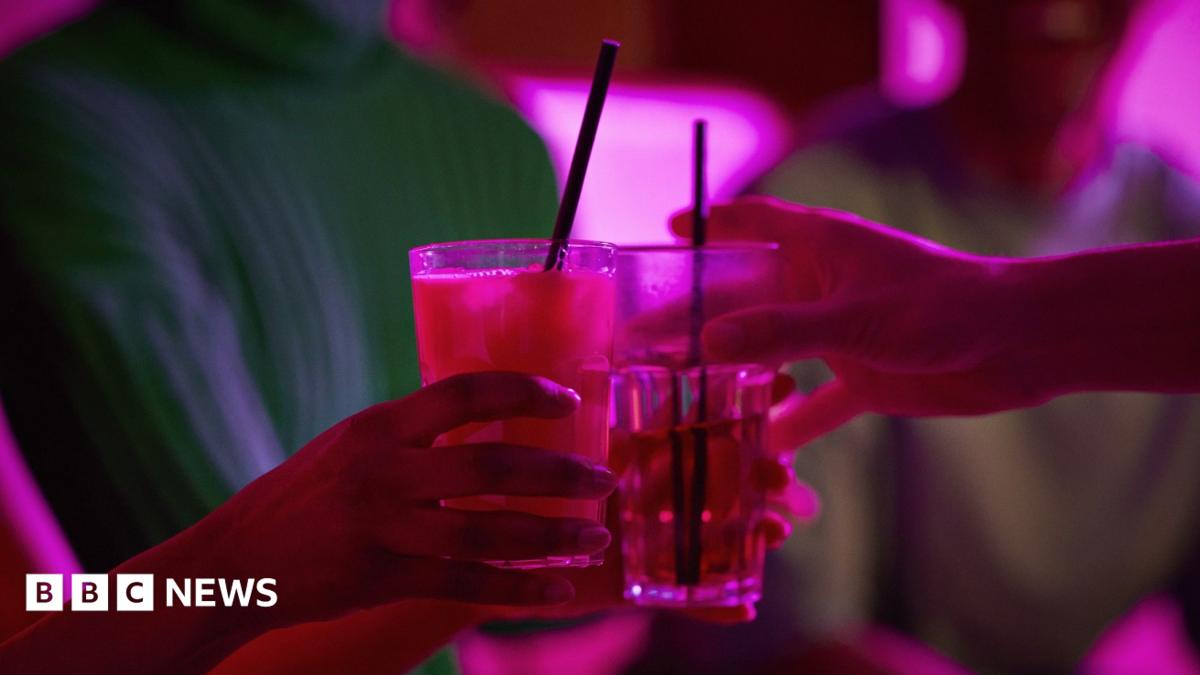
Chinese authorities have arrested a local government official and a businessman on suspicion of sexually assaulting a woman at a karaoke bar in Hangzhou following an official company dinner, a case that has ignited widespread public outrage and renewed debate over workplace power dynamics and the country’s entrenched drinking culture.
The arrests, confirmed in a statement by local authorities, mark a relatively rare instance of criminal proceedings being brought in a case involving alleged sexual misconduct by a public official. The statement said an investigation had determined the woman was sexually assaulted by both men, and that she had been pushed to the ground by one of them, causing injuries to her lower back. Both suspects have been dismissed from their positions, according to the statement.
The incident has dominated social media discourse in China, featuring in seven of Weibo’s top 50 trending topics on Wednesday. One related topic received more than 68 million views, while several others drew between one and six million views each, according to platform data cited in reports. The case has become a flashpoint for public anger over what many perceive as an abuse of power embedded in workplace hierarchies.
Details of the Alleged Incident and Immediate Response
According to the official statement, the woman was allegedly assaulted at a karaoke lounge in Hangzhou after an official dinner that involved executives from several companies and government officials. The sequence of events, as described by authorities, indicates the woman was taken to the karaoke venue after the dinner, where the alleged assaults occurred.
The statement did not name the individuals involved, nor did it specify the exact government department or company affiliations beyond noting that one suspect was a local official and the other a businessman from a state-owned enterprise. The lack of named figures in the official communication has not dampened public interest; rather, it has fueled speculation and commentary across social media platforms.
Local authorities have moved swiftly to address the case, with the dismissals of both suspects coming as part of the initial investigative response. The statement emphasized that the investigation had found sufficient evidence to support the assault allegations, including the physical injury to the victim’s lower back, which appears to have been a key factor in the decision to pursue arrests.
Public Outrage and Social Media Reaction
The case has resonated deeply with Chinese internet users, many of whom have expressed anger not only at the alleged perpetrators but also at the broader cultural norms that they say enable such behavior. One widely shared comment on Weibo read: “Going to a drinks gathering does not mean consenting to be harmed, and drinking alcohol does not mean voluntarily consenting to abuse.”
Another comment questioned the practice of expecting women to participate in drinking sessions alongside men, asking: “What is the rationale behind having women accompany men in drinking? Hopefully this practice can be eliminated.” These sentiments reflect a growing public discourse around consent, workplace conduct, and the social expectations placed on women in professional settings.
The volume of engagement on social media—particularly the 68 million views on a single related topic—indicates that this case has struck a nerve far beyond the immediate circumstances. Commentators have noted that the public reaction is not merely about the specific incident but about a pattern of behavior that many women say they have experienced or witnessed in Chinese corporate and government settings.
The ‘Drinking Table Culture’ and Its Implications
Central to the public discussion is what is commonly referred to in China as “drinking table culture” (jiu wen hua), a practice in which alcohol consumption is heavily integrated into business negotiations, networking, and social bonding. Reports surrounding this case have noted that the woman was allegedly asked to drink heavily before being taken to the karaoke lounge, a detail that has amplified criticism of the practice.
This culture, long tolerated as a necessary part of doing business in China, has come under increasing scrutiny in recent years. Critics argue that it creates environments where power imbalances are exacerbated and where individuals—particularly women in subordinate positions—may feel pressured to comply with demands they would otherwise refuse. The expectation that women “accompany” men in drinking sessions, as referenced in social media commentary, is seen by many as a vestige of outdated gender norms that have no place in modern professional life.
The case has also prompted discussions about the legal and institutional frameworks that govern such interactions. While sexual assault is a criminal offense under Chinese law, the practical enforcement of these laws in cases involving officials and business executives has historically been inconsistent. The arrests in this case are therefore being watched closely as a potential signal of changing enforcement priorities.
Institutional Response and Calls for Systemic Change
A comment piece in China Women’s News, the official publication of the All-China Women’s Federation, argued that dealing with the individuals involved would not be sufficient to address the underlying issues. The piece called for defining “the boundaries of business interactions through institutional measures, cutting off the grey areas where power becomes entangled with social obligations.”
This framing aligns with broader governance objectives in China, where authorities have repeatedly emphasized the importance of discipline among officials and the need to maintain public trust in the party-state. The case presents an opportunity for institutional messaging around conduct rules, particularly for public officials, and for reinforcing the message that abuse of power will not be tolerated.
The reference to “grey areas” in the China Women’s News commentary is significant, as it acknowledges that the problem extends beyond individual misconduct to systemic ambiguities in how business and official interactions are conducted. The call for institutional measures suggests a recognition that cultural change may require more than just legal enforcement; it may require redefining the norms themselves.
Strategic and Governance Implications
From a governance perspective, the handling of this case carries strategic weight. Arrests of officials in sexual misconduct cases are relatively uncommon in China, and the decision to pursue criminal charges—rather than merely administrative discipline—signals a willingness to apply the law rigorously when public anger demands it. This is consistent with the party’s broader anti-corruption and conduct framework, which has sought to hold officials accountable for behavior that undermines public confidence.
The case also intersects with ongoing efforts to address gender inequality and workplace harassment in China. While legal protections exist, enforcement has often been uneven, particularly in private and semi-official settings. The public reaction to this case suggests that there is significant appetite for stronger protections and clearer standards of conduct.
For foreign observers, the case offers a lens into how China’s legal system and social governance mechanisms respond to high-profile incidents involving officials. The swift arrests and dismissals may be read as an attempt to demonstrate that the rule of law applies equally to those in positions of power, a message that aligns with the party’s stated commitment to law-based governance.
Broader Social and Cultural Context
The outrage generated by this case must be understood within the context of a society that is increasingly vocal about issues of consent, workplace safety, and gender-based violence. Social media platforms in China, while subject to content moderation, have become arenas for public debate on these topics, and cases like this one often serve as catalysts for broader conversations.
The fact that the case has remained prominent on Weibo’s trending lists for multiple days suggests sustained public interest, which in turn puts pressure on authorities to respond transparently and decisively. The official statement, while limited in detail, has been seen as a constructive step in acknowledging the seriousness of the allegations and taking action.
However, commentators have also noted that the case highlights the limitations of relying on individual prosecutions to address systemic issues. The “drinking table culture” is deeply embedded in Chinese business and official life, and changing it will require not only legal enforcement but also shifts in social norms and expectations. The China Women’s News commentary implicitly acknowledges this by calling for institutional measures to define appropriate boundaries.
Looking Ahead: Potential Reforms and Ongoing Debate
As the legal process unfolds, attention will likely focus on the outcome of the criminal proceedings and whether the case leads to any broader policy changes. Some observers have suggested that the case could prompt renewed discussions about workplace conduct codes, particularly for officials and state-owned enterprise executives. Others have pointed to the need for clearer legal definitions of consent and for stronger protections for victims of sexual assault.
The case also raises questions about the role of alcohol in professional settings and whether companies and government agencies should adopt policies to limit or regulate drinking at official functions. While such measures would face cultural resistance, the public mood may create space for incremental changes.
For now, the immediate priority for authorities is to ensure that the legal process is seen as fair and transparent. The dismissals of the two suspects, combined with the arrests, send a clear signal that such conduct carries serious consequences. Whether this translates into lasting institutional change remains to be seen, but the public conversation has already shifted in ways that may prove difficult to reverse.
The case serves as a reminder that in China, as elsewhere, the intersection of power, alcohol, and gender can create conditions for abuse. The public response, amplified by social media, reflects a demand for accountability and for a rethinking of practices that have long been tolerated. The coming weeks will reveal whether the authorities’ response extends beyond this single incident to address the broader cultural and institutional factors that enabled it.
This article was produced with AI-assisted research and editorial support. Sources: BBC News (China).
By Prof. Marcus Chen, Staff Writer
What's Your Reaction?
 Like
0
Like
0
 Dislike
0
Dislike
0
 Love
0
Love
0
 Funny
0
Funny
0
 Wow
0
Wow
0
 Sad
0
Sad
0
 Angry
0
Angry
0

World Politics Analyst at Global1.News. Based in Beijing, covering US-China relations, global trade, and geopolitical strategy. Brings deep analytical perspective to the power dynamics shaping international affairs.















Comments (0)