
Habagat Floods Devastate Mindoro: Newly Built Home Swept Away, P200 Million in Damage
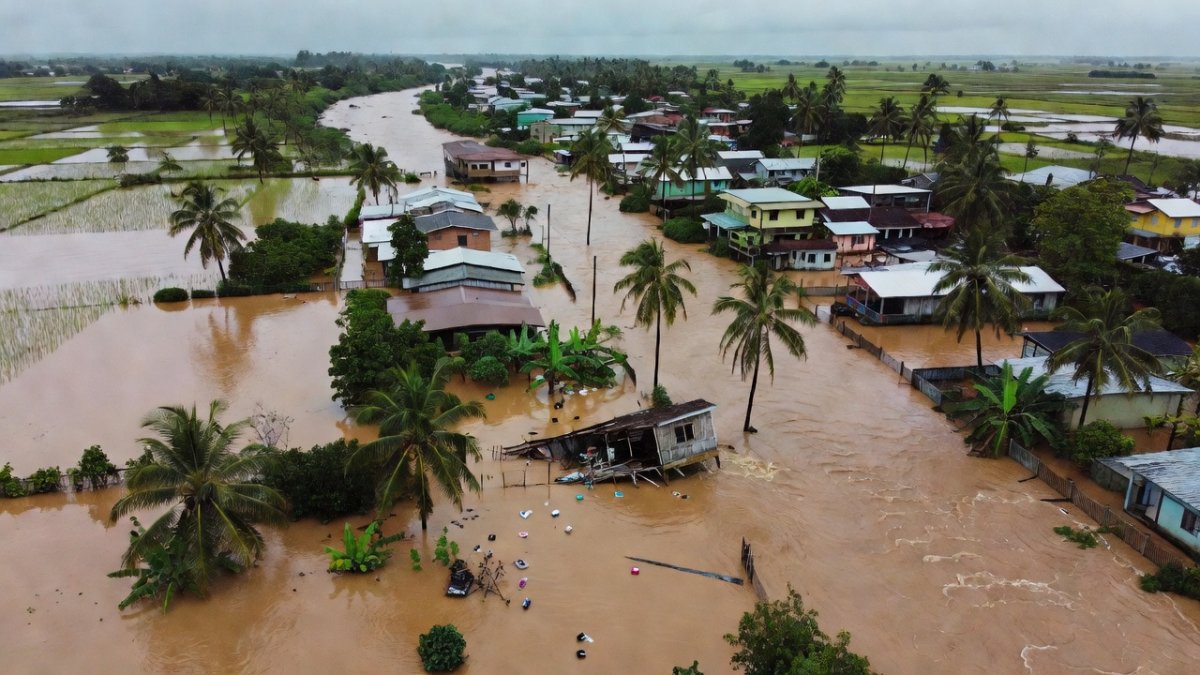
In a recent ANC 24/7 report, the full scale of devastation in Occidental Mindoro came into sharp focus as a newly built home along a river in Abra de Ilog was swept away, collapsing into the raging water before the eyes of helpless onlookers. The video captures the terrifying moment when the ground gave way, a stark symbol of the catastrophic flooding that has left over 200 million pesos in damage and hundreds of families homeless across the province.
In a recent ANC 24/7 report, the full scale of devastation in Occidental Mindoro came into sharp focus as a newly built home along a river in Abra de Ilog was swept away, collapsing into the raging water before the eyes of helpless onlookers. The video captures the terrifying moment when the ground gave way, a stark symbol of the catastrophic flooding that has left over 200 million pesos in damage and hundreds of families homeless across the province. This is not just a story of infrastructure failure; it is a story of Filipino families who watched their dreams, their savings, and their safe havens disappear into the brown, churning floodwaters of the southwest monsoon.
Habagat Floods Devastate Mindoro: Homes Collapse, 200 Million Pesos in Damage, Hundreds Displaced as Nautical Highway Closes
Manila, Philippines – August 19, 2026 — The relentless southwest monsoon, or habagat, has transformed the coastal town of Abra de Ilog in Occidental Mindoro into a disaster zone, with a newly constructed riverside home collapsing into the water in a scene captured on video and aired by GMA News’ 24 Oras. The house, which belonged to a relative of the video’s uploader and had been occupied for only about two months, slowly sank into the river as screams pierced the air, a harrowing reminder of how quickly the ground beneath our feet can betray us. As the province reels from over 200 million pesos in agricultural and infrastructure damage, the focus now shifts to the thousands of residents who have lost everything and the long road to recovery that lies ahead.
The Story: A Home Lost in Seconds
The video footage from Abra de Ilog is difficult to watch. A newly built house, a symbol of hope and progress for a local family, stands precariously on the eroding bank of a swollen river. The non-stop rains from the habagat have turned the once-manageable waterway into a violent, debris-laden torrent. As the ground slowly gave way, the structure tilted, groaned, and then plunged into the water, disappearing from sight. The screams of relatives and neighbors captured in the report underscore the profound sense of loss and helplessness that defines this disaster.
This is not an isolated incident. In Santa Cruz, also in Occidental Mindoro, several residents were forced to evacuate after a road dike collapsed, cutting off a vital artery and threatening nearby homes. The collapse of these structures highlights a critical vulnerability: many communities in Mindoro have built their lives along riverbanks and floodplains, often with inadequate flood control infrastructure. The residents of Abra de Ilog, who spoke to NET25, expressed their frustration, complaining that even the flood control measures in their area failed, placing them directly in harm’s way. Their anger is justified; they did everything right, built their homes, and trusted the government’s promise of protection, only to be let down by the very systems designed to keep them safe.
The situation in Occidental Mindoro is mirrored across the island. In Oriental Mindoro, the Provincial Disaster Risk Reduction and Management Office (PDRRMO) reported that over 200 families were forced to evacuate as heavy rains flooded 56 barangays across six municipalities and one city. The numbers are staggering: 126 families, or 450 individuals, are currently housed in designated evacuation centers, while another 114 families, comprising 401 individuals, have sought shelter with relatives. The flooding has not only destroyed homes but has also paralyzed transportation and daily life for thousands.
Philippine Context: The Habagat’s Relentless Grip
The southwest monsoon, or habagat, is a seasonal wind system that brings heavy rainfall to the western portions of the Philippines, including Luzon and the island of Mindoro, from June to November. This year, the habagat has been particularly vicious, enhanced by Tropical Depression Neneng, which PAGASA reported slightly weakened as it moved west. The combination of the monsoon and the tropical depression has created a perfect storm, dumping unprecedented amounts of rain on already saturated ground.
Mindoro island, split into the provinces of Occidental Mindoro and Oriental Mindoro, is particularly susceptible to these weather events. Abra de Ilog, a coastal town in Occidental Mindoro along the Mindoro Strait, is often the first to feel the brunt of the monsoon’s fury. The town’s geography, nestled between the sea and the mountains, makes it a natural catchment area for rainwater, and its rivers, like the Abra de Ilog river, can quickly overflow their banks. The flooding in this region is not a new phenomenon, but the intensity and frequency of these events are increasing, placing immense strain on local governments and their disaster response capabilities.
The situation in Mindoro is part of a larger pattern of extreme weather affecting the entire country. In Marilao, Bulacan, residents helped each other as floods rose to chest level, even carrying the statue of the Black Nazarene on a boat to safety as the Marilao River reached critical levels. In San Marcelino, Zambales, an overflowing river caused floods four feet high, forcing families to flee their homes. These events, occurring simultaneously across Luzon, demonstrate the widespread impact of the enhanced monsoon and the need for a coordinated, national response to climate-related disasters.
Impact on Filipinos: Lives Disrupted, Livelihoods Destroyed
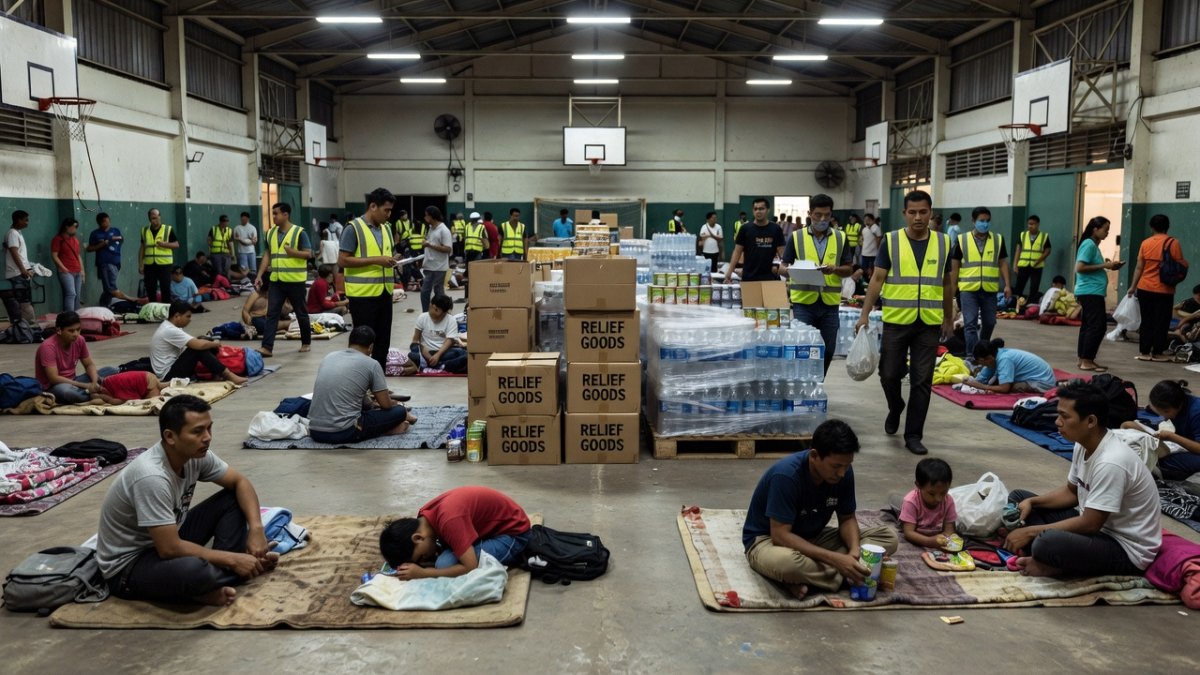
The human cost of this disaster extends far beyond the 200 million pesos in damage. In Abra de Ilog, families like the one whose home collapsed are now facing an uncertain future. They have lost not just a structure, but their sense of security and their place in the community. The evacuation centers, like the municipal gymnasium in Abra de Ilog, are now home to hundreds of displaced families, who must contend with cramped conditions, limited supplies, and the emotional trauma of losing everything.
The flooding has also crippled the local economy. In Oriental Mindoro, 15 roads, including key portions of the Strong Republic Nautical Highway, were rendered impassable. The southern route, specifically portions of the highway in Barangay Bucayao, Calapan City, and Barangay Pinagsabangan II in Naujan, is closed, severing the vital link between Mindoro and the rest of the country. The northern route, which provides access to the tourist destination of Puerto Galera, has also been cut off as sections of the national highway in Baco and San Teodoro became unpassable. This disruption has halted the transport of goods, agricultural products, and people, dealing a severe blow to farmers, fisherfolk, and small business owners who depend on these routes for their livelihoods.
For the farmers in Naujan, which has 19 flooded barangays, the damage to their rice paddies and vegetable farms is a catastrophic loss. The harvest season is a time of hope, but this year, the floodwaters have destroyed their crops, leaving them with no income and no way to feed their families. Similarly, the fisherfolk in coastal communities like Puerto Galera and Mansalay are unable to go out to sea, and their boats and fishing gear have been damaged or destroyed. The ripple effects of this disaster will be felt for months, if not years, as families struggle to rebuild their lives and their livelihoods from scratch.
Reactions and Responses: A Community and Government Mobilized
In the face of this devastation, the response from local government units and the community has been swift and determined. In Abra de Ilog, the Municipal Disaster Risk Reduction and Management Office (MDRRMO), assisted by personnel from the Bureau of Fire Protection, the Philippine National Police, the Philippine Coast Guard, and the Philippine Army, conducted a coordinated evacuation of families from the flood-prone Sitio Alatin in Barangay Tibag. The operation, which was carried out following a directive from Mayor Meg Constantino, brought affected families to the municipal gymnasium, where they are now being assisted by the Camp Coordination and Camp Management (CCCM) Response Cluster.
The MDRRMO continues to monitor other communities considered critical or vulnerable to flooding, with a focus on preventing further loss of life. The rivers in Oriental Mindoro, including the Alag, Bucayao, Panggalaan, Mag-Asawang Tubig, and Malitbog, are being closely watched as they remain at critical levels. The PDRRMO is coordinating with local officials to ensure that evacuation protocols are in place and that residents in high-risk areas are moved to safety before the situation worsens.
The spirit of bayanihan, the Filipino tradition of communal unity and cooperation, is also on full display. In Marilao, Bulacan, residents did not wait for government assistance; they helped each other, wading through chest-deep water to rescue neighbors and their belongings, even going so far as to secure the revered Black Nazarene statue on a boat. This selfless act of community solidarity is a testament to the resilience of the Filipino people, who, even in the darkest of times, find the strength to help one another. In the evacuation centers, families are sharing food, clothing, and comfort, creating a makeshift community bound by a shared experience of loss and a shared hope for recovery.
What to Watch For: The Road to Recovery and the Need for Systemic Change
As the rains continue and the floodwaters slowly recede, the focus must shift from immediate response to long-term recovery and prevention. The damage in Occidental Mindoro alone is estimated at over 200 million pesos, a staggering sum for a province with limited resources. The national government, through the National Disaster Risk Reduction and Management Council (NDRRMC), must step in to provide financial assistance, rebuilding materials, and livelihood support to the affected families. The reconstruction of homes, roads, and dikes will require a massive infusion of funds and a coordinated effort between local and national agencies.
But beyond the immediate recovery, this disaster should serve as a wake-up call for systemic change. The residents of Abra de Ilog who complained that their flood control measures failed are right to be angry. The construction of dikes, seawalls, and drainage systems must be based on sound engineering and a realistic assessment of the risks posed by climate change. The current infrastructure is clearly inadequate to handle the intensity of the rains brought by the enhanced habagat. The government must invest in climate-resilient infrastructure, including the elevation of roads, the construction of stronger flood barriers, and the implementation of early warning systems that give communities enough time to evacuate.
Furthermore, there needs to be a serious conversation about land use planning. Building homes along riverbanks and in flood-prone areas is a recipe for disaster. Local governments must enforce zoning regulations and prohibit construction in high-risk zones. For families already living in these areas, the government must provide safe, affordable relocation options. The heartbreaking image of a newly built home collapsing into the river is a stark reminder that we cannot continue to build in harm’s way. The cost of prevention is always lower than the cost of disaster response, both in financial terms and, more importantly, in human lives.
The flooding in Mindoro is a tragedy, but it is also an opportunity for the Philippines to rethink its approach to disaster risk reduction. The country is one of the most disaster-prone nations on Earth, and events like this will only become more frequent and more severe as the climate continues to change. The resilience of the Filipino people is legendary, but resilience alone is not enough. We need proactive, intelligent, and well-funded policies that protect our communities and ensure that no family has to watch their home, their dreams, and their future be swept away by the floodwaters.
The families in Abra de Ilog, Naujan, Calapan City, and all the other affected areas are not just statistics. They are our neighbors, our relatives, our fellow Filipinos. Their recovery is our collective responsibility. As the waters recede, the true test begins: rebuilding not just structures, but lives and communities, and building them in a way that is safer, stronger, and more prepared for the challenges that lie ahead. The bayanihan spirit that has carried us through this crisis must now be channeled into a sustained effort to create a more resilient Philippines, one where the sound of a collapsing home is replaced by the sound of a community rebuilding together.
By Bella Reyes, Staff Writer
This article was produced with AI-assisted research and editorial support. Reporting is based on sources cited in the article.
What's Your Reaction?
 Like
0
Like
0
 Dislike
0
Dislike
0
 Love
0
Love
0
 Funny
0
Funny
0
 Wow
0
Wow
0
 Sad
0
Sad
0
 Angry
0
Angry
0

Philippines/Southeast Asia Correspondent at Global1.News. Manila-based journalist covering Philippine politics, environment, maritime security, and social issues. Passionate about marine conservation and the communities protecting the Philippines' natural heritage.












Comments (0)