
Guinea Student's Death After Bac Arrest Ignites Regional Debate
The death of 17-year-old Mamadou Djouma Bah has sent shockwaves through Guinea and across Francophone West Africa, where the baccalaureate remains a defining moment for young people and their families. Arrested during Guinea's national school-leaving exam for alleged cheating, the social sciences student from Kindia died days later after his health sharply declined in detention.
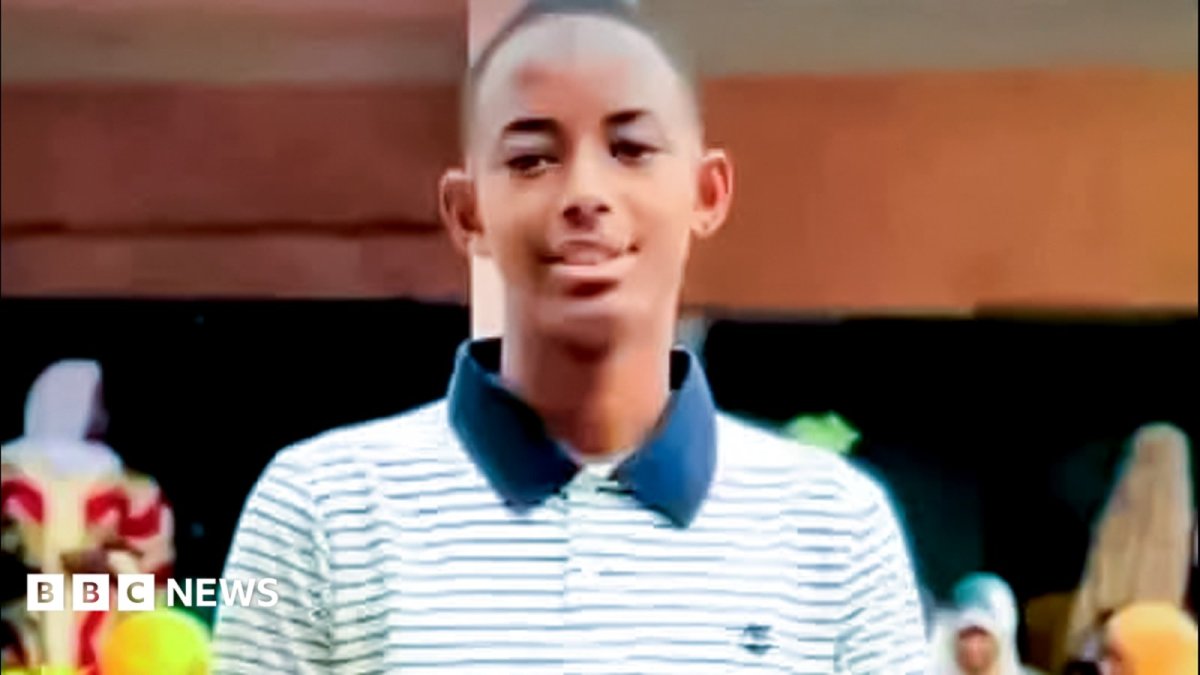
The death of 17-year-old Mamadou Djouma Bah has sent shockwaves through Guinea and across Francophone West Africa, where the baccalaureate remains a defining moment for young people and their families. Arrested during Guinea's national school-leaving exam for alleged cheating, the social sciences student from Kindia died days later after his health sharply declined in detention. His case has drawn attention to the high stakes of these exams and the vulnerabilities faced by students living with chronic conditions like sickle cell disease.
Guinea Bac Death Prompts Family Outcry
Conakry, Guinea — Mamadou Djouma Bah, a 17-year-old student with sickle cell disease, died after serving part of a one-month prison sentence handed down for exam fraud during Guinea's 2026 baccalaureate. His father, Mamadou Saliou Bah, told the BBC that authorities failed to provide adequate medical care while his son was in custody in Kindia. The case has prompted protests by students and calls from human rights groups for an independent investigation into the circumstances surrounding the death.
The Arrest During National Exams
Guinea's unified baccalaureate opened on 29 June 2026 under a strict anti-fraud directive from the Ministry of Pre-University Education and Literacy. The launch took place at Tafory College in Kindia, 135 kilometres from Conakry, with more than 25,000 secondary students sitting the papers nationwide. On 15 July, Mamadou Djouma Bah was arrested along with other students suspected of using mobile phones during the exam. Inspectors in Siguiri prefecture had already seized 132 phones, four smart watches and two Bluetooth devices in earlier crackdowns. A separate case in Maferinyah saw a Conakry university student detained for attempting to sit the exam in his cousin's place.
The Baccalaureate as West African Rite of Passage
Across Senegal, Guinea, Mali and Côte d'Ivoire, the baccalaureate functions as a shared national milestone that shapes futures in one intense examination period. In each country families gather anxiously on results day, neighbourhoods celebrate successes with public announcements and music, and failure carries a visible social weight that can shape a young person's standing for years. The pressure is especially acute in communities where economic mobility rests on educational credentials earned through this common Francophone system.
Guinea's 2026 zero-tolerance policy reflects similar regional debates about fairness and the lengths students will go when opportunities hinge on a single set of papers. These regional parallels highlight how the exam functions as both gateway and gatekeeper. When students face arrest for alleged phone use, the consequences ripple beyond one nation because the qualification is recognised across borders. Families in Dakar or Bamako watch Guinea's events closely, recognising that the same tension between merit, desperation and state authority plays out in their own capitals. The shared tradition therefore turns local policy decisions into matters of continental concern for an entire generation.
Health Decline in Detention
Convicted on 17 July, Mamadou Djouma Bah received a six-month sentence with five months suspended, leaving one month to serve in a Kindia prison roughly 137 kilometres north-east of the capital. His sickle cell condition quickly worsened under detention conditions, and he was transferred to the regional hospital after struggling to breathe. His father visited and recalled the moment his son leaned against him and said, "Dad, I'm dying." The young man spent about two days in hospital before discharge and died shortly after returning home. The prosecutor stated that he died "under the care of his treating physician."
Father's Direct Appeal to Authorities
Mamadou Saliou Bah has publicly blamed officials for the lack of proper medical attention. "A student should not be sent to prison. These young people are the future of our country," he told the BBC. He further urged the release of other detained students, warning, "I also ask the authorities to release the other students who are still detained before they too lose their lives." Saliou Bah added, "We lost our son; we lost our future."
Sickle Cell: A Continental Health Reality
Sickle cell disease affects people of African descent disproportionately because of a faulty gene that produces unusually shaped red blood cells prone to blocking blood vessels. Across West Africa the condition is a daily reality for millions of families, bringing lifelong risks of severe infections, anaemia and sudden painful episodes in the chest, limbs, back and joints that can damage organs. Management relies on daily antibiotics to prevent infections, regular hydration, warmth to avoid crises, and occasional blood transfusions, yet access to consistent care remains uneven, especially inside detention facilities far from specialised centres.
Mamadou Djouma Bah's death after his health deteriorated in Kindia prison underscores these gaps. His father reported that the young man did not receive good medical care while serving his sentence, and the transfer to hospital came only after breathing difficulties became acute. When a student with a known chronic illness is placed in such an environment during the height of exam season, the outcome reveals how healthcare access in West African detention settings often fails those who need it most. The case adds urgency to regional conversations about protecting vulnerable young people caught in anti-fraud operations.
Education Ministry and Official Response
Education Minister Alpha Bacar Barry stated he was "deeply saddened by the news" and extended his "sincere condolences" to the family. His words came amid growing calls from human rights organisations for an independent investigation into the circumstances of Mamadou Djouma Bah's death and the prosecution of other students detained on similar charges. The minister's statement reflects the official position under Guinea's current administration, yet it leaves open questions about accountability in how the zero-tolerance policy was applied during the July 2026 baccalaureate.
An independent investigation would need to examine the medical care provided to Bah while in detention in Kindia, the conditions under which he was transferred to the regional hospital, and whether his sickle cell condition was properly managed during the one-month sentence. It would also review the broader pattern of arrests that included students caught with mobile phones in Siguiri and the university student detained in Maferinyah for exam substitution. Such scrutiny could clarify how the justice system handles young people whose futures hinge on a single national examination.
Student Protests and Guinea's Political Moment
On 22 July, students took to the streets to demand the release of classmates still held over exam-related charges. The demonstrations highlight tensions between strict enforcement measures and the lived realities of young people navigating high-stakes testing. Similar fraud crackdowns have unfolded in neighbouring countries, underscoring a shared West African conversation about balancing integrity with compassion.
Guinea's junta-led transition reached a milestone when the army chief won the presidential election by landslide, as reported on 31 December 2025. The education system continues to face deep challenges, with more than 25,000 secondary students sitting the baccalaureate under strict new rules. The arrest and sentencing of students for alleged cheating, followed by demonstrations calling for their release, shows how young people are testing the boundaries of this political moment and demanding that their futures not be sacrificed to enforcement measures. Mamadou Saliou Bah's plea that students should not be sent to prison because they represent the country's future resonates in a nation still navigating its post-coup path.
Looking Ahead for Families and Policy
The tragedy has placed renewed focus on how Guinea and the wider region support students with chronic illnesses during national examinations. With the baccalaureate serving as a collective cultural anchor from Dakar to Abidjan, the case of Mamadou Djouma Bah illustrates the intersection of educational pressure, health vulnerabilities and detention practices. Families across the continent continue to advocate for systems that protect rather than endanger the next generation during these pivotal moments.
By Amara Diop, Staff Writer
This article was produced with AI-assisted research and editorial support. Reporting is based on sources cited in the article.
What's Your Reaction?
 Like
0
Like
0
 Dislike
0
Dislike
0
 Love
0
Love
0
 Funny
0
Funny
0
 Wow
0
Wow
0
 Sad
0
Sad
0
 Angry
0
Angry
0

West Africa/Sahel Correspondent at Global1.News. Dakar-based journalist covering politics, security, climate, and development across Francophone and Anglophone West Africa. Tells the stories of a region undergoing profound transformation.











Comments (0)