
Vibra-Signe: How Burkina Faso's Deaf Dancers Turn Vibration Into Art
In Bobo-Dioulasso, Burkina Faso's cultural heartland, a contemporary dance troupe is redefining what it means to hear music. The Fientan Company — made up entirely of deaf and hard-of-hearing dancers — moves to the pulse of drums and djembes through "Vibra-Signe," a technique invented by choreographer Yaya Sanou that turns vibration, touch, and sign language into rhythm.
In Bobo-Dioulasso, Burkina Faso's cultural heartland, a contemporary dance troupe is redefining what it means to hear music. The Fientan Company — made up entirely of deaf and hard-of-hearing dancers — moves to the pulse of drums and djembes through "Vibra-Signe," a technique invented by choreographer Yaya Sanou that turns vibration, touch, and sign language into rhythm. What began as a neighbourhood experiment in 2018 has become one of the continent's most celebrated stories of art, inclusion, and creative genius.
Vibra-Signe: How Burkina Faso's Deaf Dancers Turn Vibration Into Art
Bobo-Dioulasso, Burkina Faso — The Fientan Company performs with a joy that defies expectation. Its dancers keep perfect time to the beat of traditional drums and djembes, yet they cannot hear a single note. They feel the music instead — through the ground beneath their bare feet, through the choreographer's touch, and through the sign language that shapes every movement. This is Vibra-Signe, a dance technique born in Burkina Faso and now drawing international acclaim.
Dancing to a Rhythm Only the Body Can Hear
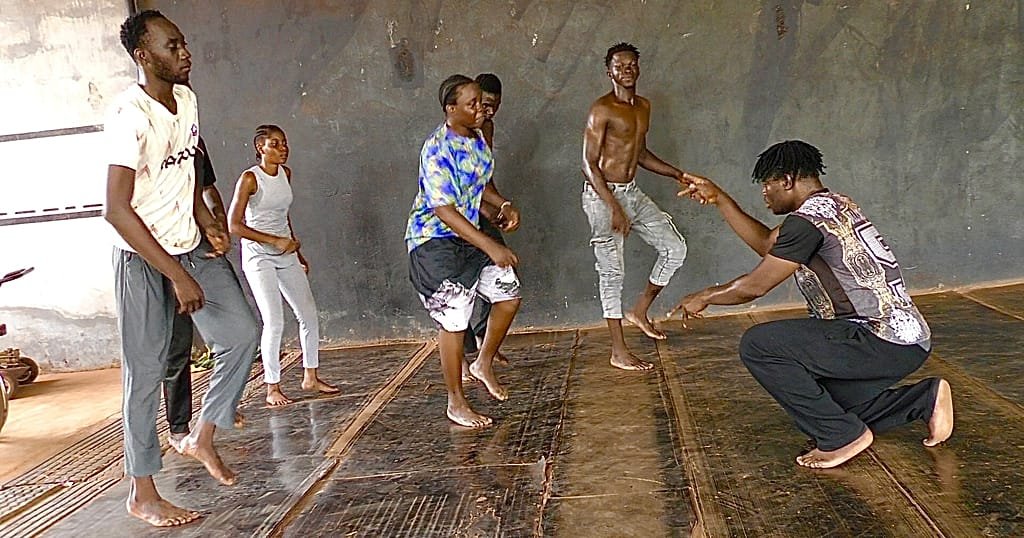
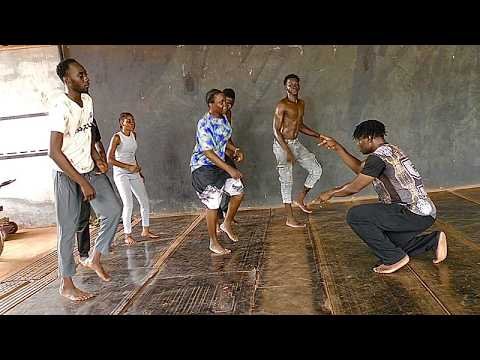
The Vibra-Signe technique relies on sign language to let dancers sign the dance while sight guides them to see and execute movements, as Yaya Sanou explains. Every dancer in the Fientan Company is deaf or hard of hearing, yet they maintain precise timing with traditional drums and djembes through these layered cues. Physical touch from the choreographer and a direct connection to the ground transmit the rhythm without any auditory input.
Dancing barefoot allows the performers to feel specific vibrations and a resonance rising from the floor or terrace. Yaya Sanou links that resonance directly with the music playing, the dance itself, and the sign language being used. He taps each dancer's body to convey the musical tempo, enabling them to feel and capture every beat in real time.
The combination of sign language, sight, physical touch, and connection to the ground forms the complete method. Dancers respond instantly when Yaya Sanou places his hands on their shoulders or backs to mark changes in tempo. This approach turns the floor into a living instrument that carries the pulse of the djembes straight into their bodies.
Bare feet press against the earth during rehearsals in Bobo-Dioulasso, picking up vibrations that anchor the entire performance. The technique ensures no dancer misses a single transition because the ground itself becomes the conductor. Sign language gestures flow seamlessly into the choreography, turning communication into movement.
Yaya Sanou developed these elements over years of experimentation so that deaf dancers could perform exactly as their hearing peers do. The result is a performance where every step aligns with the drums through felt resonance rather than sound. This method has become the foundation for all Fientan Company work since its creation.
Born of Tradition and a Neighbourhood's Need
Yaya Sanou began his artistic career in 1998 with the urban dance group Turbo Star, where he won several trophies as a dancer, choreographer, and singer. His roots in West African tradition run deep, where music and dance have always been central to daily life. He grew up surrounded by rhythms that shaped his desire to share that same experience with others.
Out of a need to have his deaf and mute neighbours dance to music just as in his culture, Yaya Sanou founded the Fientan Company in 2018 in Bobo-Dioulasso. The troupe operates within the association Art au-delà du Handicap, meaning Art Beyond Disability. This organisation provides the structure and support for the company's inclusive work.
Yaya Sanou has developed the Vibra-Signe pedagogical method since 2006, refining it through consistent practice with local dancers. The company is based in Bobo-Dioulasso, Burkina Faso's second-largest city, known as a cultural capital. Neighbours who once watched from the sidelines now join rehearsals that blend tradition with innovation.
The founding came from a simple neighbourhood experiment that quickly grew into a formal company. Yaya Sanou's West African upbringing emphasises communal dance as a birthright, not a privilege. He wanted deaf residents to experience the same joy he felt growing up with music in every gathering.
Art au-delà du Handicap hosts regular sessions where the pedagogical method teaches new dancers the core principles of vibration and touch. The 2018 founding marked the moment when these efforts became a dedicated troupe rather than informal gatherings. Today the company stands as proof that tradition can expand to include everyone.
Adepte de mon être: Gold at the Kinshasa Francophone Games
The 9th Francophone Games ran from July 28 to August 6, 2023 in Kinshasa, Democratic Republic of Congo. On August 3, 2023, the Fientan Company won the gold medal for dance creation with its show "Adepte de mon être," meaning Devotee of My Being. The performance explores the dancers' personal experiences and their ongoing struggle to reclaim their place in society.
Named dancers Abdoul Aziz Zoundi and Souleymane Barro delivered standout performances that helped secure the victory. The show highlights how deaf artists navigate daily barriers while asserting their creative power. For Burkina Faso, the gold medal represented national pride on an international stage.
The win carried special weight for deaf artists across the francophone world who rarely see their stories centred in major competitions. "Adepte de mon être" used Vibra-Signe to communicate resilience without words, letting the body speak through vibration and sign. Judges recognised the originality and emotional depth of the work.
Abdoul Aziz Zoundi and Souleymane Barro embodied the show's themes of self-acceptance and community. Their movements conveyed both personal challenges and collective triumph. The gold medal elevated the visibility of inclusive dance from West Africa to the wider francophone community.
The Kinshasa victory confirmed that Vibra-Signe belongs on the same platforms as any other contemporary form. Burkina Faso celebrated the achievement as a milestone for its cultural scene. Deaf dancers across the continent took note of the recognition their peers received.
From Bobo-Dioulasso to the World Stage
The troupe has performed at MASA, the Marché des Arts du Spectacle d'Abidjan, Africa's premier performing arts market in Côte d'Ivoire. These appearances introduced Vibra-Signe to producers and audiences from across the continent. The company has also led workshops abroad, including in Basel, Switzerland, where participants learned the technique firsthand.
Africanews first profiled the troupe in April 2024 under the title "Fientan du Burkina, the dance troupe empowering the deaf." Dancer Oumar Sanou has danced with Yaya Sanou for eight years and continues to refine his command of the method. His long tenure reflects the stability and growth of the company.
Yaya Sanou has been recognised as a Living Human Treasure of Burkina Faso for his contributions to inclusive arts. The international acclaim builds on the local foundation established in Bobo-Dioulasso. Each performance abroad reinforces the technique's adaptability to different stages and audiences.
Workshops in Basel allowed European dancers to experience how vibration replaces sound as the primary cue. The MASA showcases opened doors for future tours and collaborations. Oumar Sanou's eight years of dedication demonstrate the depth of training within the company.
The Living Human Treasure designation highlights Yaya Sanou's role in preserving and evolving Burkina Faso's dance heritage. International profiles like the Africanews feature have drawn new attention to the troupe's story. The path from neighbourhood rehearsals to global stages shows the reach of determined creativity.
Art Beyond Disability: Changing How Africa Sees Difference
The company means a great deal for disability inclusion in African arts by proving that deaf dancers can excel in contemporary forms. Dance serves as freedom, communication, and flourishing for every member of Fientan. Dancer Sanou Waramata has said, "When I dance, I am very happy. Dance really helps me flourish, interact, communicate, and share my story; I feel truly free."
A broader movement of African artists with disabilities continues to claim space in cultural institutions across the continent. Fientan challenges stereotypes about deafness in West African societies where hearing loss was once seen as a barrier to artistic participation. The economic and creative potential of inclusive arts grows each time the company performs.
Sanou Waramata's words capture the personal transformation that comes from regular practice and performance. The association Art au-delà du Handicap supports this shift by providing training and performance opportunities. Audiences in Bobo-Dioulasso and beyond witness dancers who move with complete confidence and joy.
Other West African communities have begun to notice how Fientan redefines ability through rhythm and expression. The company's success encourages families to support deaf relatives who want to pursue dance. This change in perception strengthens social bonds in neighbourhoods where inclusion was once limited.
Inclusive arts also create new economic pathways for young performers who might otherwise face restricted options. The gold medal in Kinshasa and appearances at MASA prove that disability need not limit professional achievement. Fientan stands as a model for how tradition and innovation together expand opportunity.
What to Watch For
Upcoming performances and workshops will continue to spread the Vibra-Signe method to new cities and countries. The company's growing international reputation brings invitations from festivals eager to feature inclusive work. Other African troupes have started adopting similar techniques after seeing Fientan perform.
The significance of Vibra-Signe for dance education lies in its practical tools that any instructor can learn and apply. This story matters for African readers because it celebrates the continent's cultural dynamism through real innovation rather than imported models. Audiences can support inclusive African art by attending shows, funding workshops, and sharing the company's story with local schools.
Future tours will likely include more francophone venues following the Kinshasa success. Training sessions in Bobo-Dioulasso remain open to new deaf dancers who want to join the company. The association Art au-delà du Handicap continues to seek partnerships that sustain the work.
Young choreographers across West Africa now study recordings of Fientan performances to understand how vibration guides ensemble timing. The Living Human Treasure recognition for Yaya Sanou opens doors for policy discussions on arts funding for disabled artists. Support from international markets like MASA helps secure resources for continued growth.
African readers can follow the troupe through local cultural centres and online platforms that highlight Burkina Faso's scene. Each new workshop multiplies the reach of the technique and strengthens the network of inclusive practitioners. The Fientan Company shows that when communities invest in difference, the entire cultural landscape becomes richer and more vibrant.
By Amara Diop, Staff Writer
This article was produced with AI-assisted research and editorial support. Reporting is based on sources cited in the article.
What's Your Reaction?
 Like
0
Like
0
 Dislike
0
Dislike
0
 Love
0
Love
0
 Funny
0
Funny
0
 Wow
0
Wow
0
 Sad
0
Sad
0
 Angry
0
Angry
0

West Africa/Sahel Correspondent at Global1.News. Dakar-based journalist covering politics, security, climate, and development across Francophone and Anglophone West Africa. Tells the stories of a region undergoing profound transformation.











Comments (0)