
Ghalibaf: Iran must ‘fight and negotiate’ as war with US drags on
Iran’s parliament speaker Mohammad Bagher Ghalibaf addressed the nation’s lawmakers on Sunday, delivering a stark assessment of the country’s ongoing conflict with the United States.
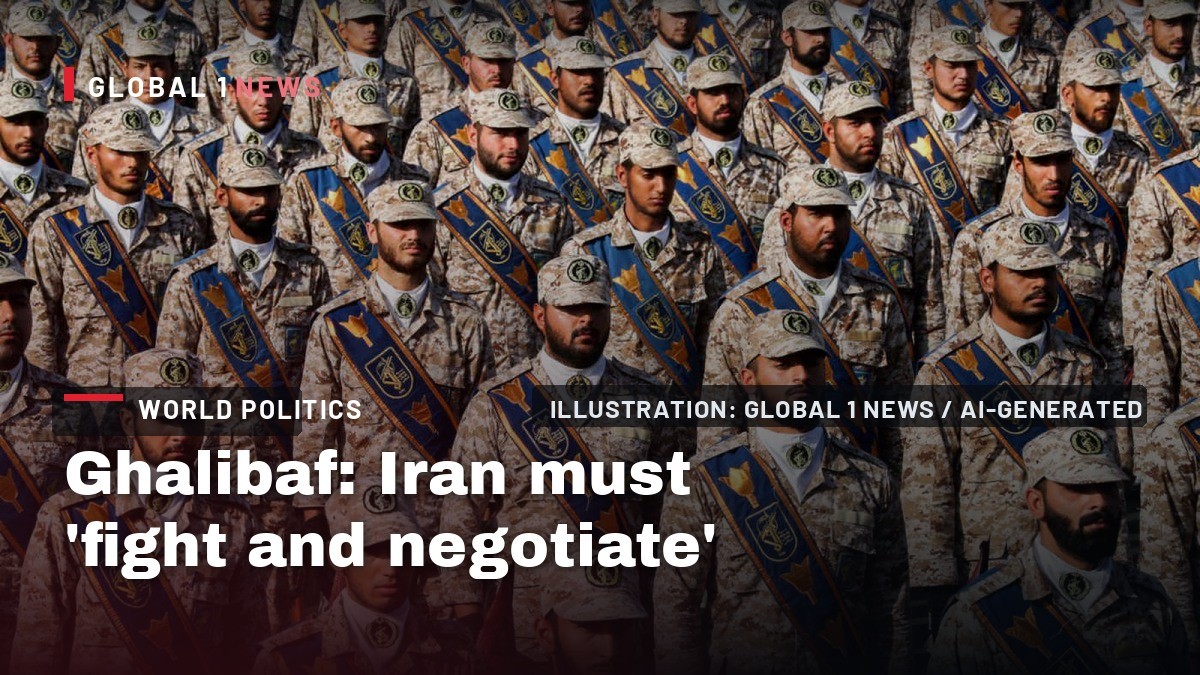
Iran’s parliament speaker Mohammad Bagher Ghalibaf addressed the nation’s lawmakers on Sunday, delivering a stark assessment of the country’s ongoing conflict with the United States. Speaking in the historic hall of the Iranian parliament, Ghalibadi framed the war – now approaching its seventh month – as a dual‑track effort that demands both relentless military pressure and calculated diplomatic engagement. His remarks, broadcast across state media, echo the broader strategic calculus of Tehran as it seeks to extract concessions from Washington while maintaining a posture of deterrence.
War as a Prolonged Stalemate
Ghalibaf opened his speech by acknowledging the length of the confrontation, noting that the war with the United States has entered its near‑seven‑month phase. He described the conflict not as a brief skirmish but as a sustained engagement that tests Iran’s resolve on multiple fronts. By emphasizing the duration, the speaker underscored the need for a long‑term strategy that balances kinetic action with the political realities of a protracted standoff.
The speaker’s language highlighted a perception within Iran’s political elite that the United States remains a persistent adversary, unwilling to retreat without extracting significant concessions. This view shapes Tehran’s approach to both the battlefield and the negotiation table, reinforcing a narrative of endurance that resonates with domestic audiences accustomed to external pressure.
Military Might as a Lever
Central to Ghalibaf’s address was the assertion that Iran would continue to wield its military capabilities to “push the enemy back and deal them devastating blows” at critical moments. The phrasing suggests a readiness to intensify attacks when Tehran perceives a tactical advantage, signaling that the Iranian armed forces remain a decisive factor in the conflict’s trajectory.
While the speaker did not enumerate specific operations, his emphasis on “crucial junctures” implies a calculated use of force, likely targeting strategic chokepoints and assets that can exert pressure on U.S. interests. This approach aligns with Iran’s historical reliance on asymmetric tactics, leveraging its regional influence and maritime capabilities to offset conventional military disparities.
Diplomacy When the Balance Shifts
In a complementary note, Ghalibaf stressed that Iran would turn to diplomacy once it holds the upper hand on the battlefield. This conditional willingness to negotiate underscores a pragmatic dimension to Tehran’s strategy: the use of force as a bargaining chip rather than an end in itself. By linking diplomatic overtures to battlefield superiority, the speaker framed negotiations as a reward for Iranian resilience.
The speaker’s statement also serves as a signal to international mediators, indicating that Tehran’s door remains open but only under conditions that reflect its perceived strength. This stance is designed to extract maximum leverage from any forthcoming talks, ensuring that any settlement acknowledges Iran’s strategic gains.
The Strait of Hormuz as a Strategic Lever
Ghalibaf singled out the Strait of Hormuz, declaring that it would remain closed until the United States fulfills its commitments. The strait, a vital artery for global oil shipments, has long been a focal point of Iranian leverage in regional geopolitics. By threatening to keep this chokepoint shut, Tehran signals its capacity to disrupt global energy flows as a means of pressuring Washington.
The speaker’s insistence that the strait stay closed until U.S. obligations are met reinforces a narrative of conditional reciprocity: Iran will only relax its strategic pressure when the United States meets clearly defined demands. This tactic aims to bind American policy choices to tangible Iranian interests, creating a cost calculus that could influence diplomatic calculations in Washington.
Seven Conditions as a Pre‑Negotiation Framework
According to the report, Pakistani and Qatari mediators have been briefed on Iran’s seven conditions that must be satisfied before talks with Washington can commence. While the specific content of these conditions was not disclosed, their existence signals a structured approach by Tehran to set the parameters of any future dialogue.
The involvement of regional mediators reflects Iran’s reliance on diplomatic channels that can bridge the gap between Tehran and Washington. By channeling its demands through Pakistani and Qatari intermediaries, Iran leverages the credibility of these states to convey its red lines while maintaining a degree of plausible deniability on the public stage.
Implications for Regional Stability
The speaker’s remarks carry weight beyond the bilateral Iran‑U.S. dispute, reverberating across the broader Middle East. A prolonged closure of the Strait of Hormuz would have ripple effects on neighboring economies, particularly those heavily dependent on oil revenues and maritime trade. Countries such as the United Arab Emirates, Saudi Arabia and Oman could face heightened market volatility, prompting them to reassess their security postures and diplomatic alignments.
Furthermore, the conditional diplomatic overture signals to regional actors that Iran is prepared to shift from confrontation to negotiation, but only on its own terms. This dynamic may encourage neighboring states to position themselves as potential facilitators, seeking to influence the outcome in ways that align with their own strategic interests.
Domestic Messaging and National Resilience
Ghalibadi’s address also serves a domestic purpose, reinforcing a narrative of national resilience in the face of external aggression. By framing the conflict as a dual strategy of “fight and negotiate,” the speaker appeals to a sense of unity and determination among the Iranian populace, portraying the government’s actions as both protective and pragmatic.
The emphasis on a clear, rational and non‑negotiable negotiating position further bolsters the perception that Tehran is in control of the conflict’s trajectory. This messaging aims to sustain public morale and legitimize the government’s policies, especially as the war extends into its seventh month and the costs of prolonged hostilities become increasingly visible.
This article was produced with AI-assisted research and editorial support. Reporting is based on the source material cited below. Sources: Middle East Eye; middleeasteye.net; Global1.News (20 September 2026).
By Hannah Berg, Staff Writer
What's Your Reaction?
 Like
0
Like
0
 Dislike
0
Dislike
0
 Love
0
Love
0
 Funny
0
Funny
0
 Wow
0
Wow
0
 Sad
0
Sad
0
 Angry
0
Angry
0
Israel Correspondent at Global1.News. Based in Tel Aviv, covering Israeli politics, security, technology, and society. Provides balanced, deeply-sourced reporting on one of the most closely-watched regions in the world.












Comments (0)