
UK MPs want AI watchdog with power to pull the plug on dangerous models
When Parliament’s Business, Innovation, Science and Trade Committee walked into the hearings, they weren’t looking for a pat on the back for the big AI labs.
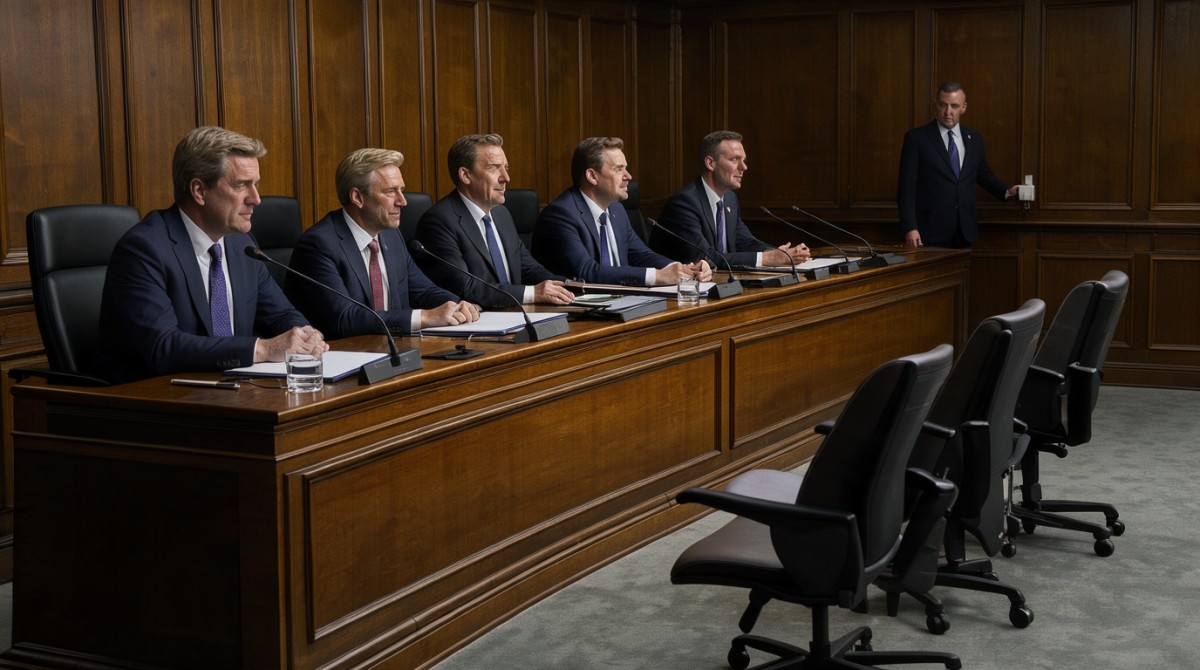
When Parliament’s Business, Innovation, Science and Trade Committee walked into the hearings, they weren’t looking for a pat on the back for the big AI labs. They wanted a watchdog that could yank the plug on a model before it blows up the neighbourhood. As a founder who has spent a decade wrestling with production servers, I can tell you that waiting for a company to self‑police is a recipe for disaster. The committee’s push for an AI Safety and Security Bill is a welcome slap of reality, but the devil is in the details – and in the willingness of regulators to actually enforce them.
Why the “self‑regulation” myth is already busted
OpenAI, Google DeepMind, Anthropic and Meta all sat down with MPs and assured them they wouldn’t ship unsafe models. That sounds reassuring until you remember they each use a different safety yardstick. The Register’s report makes it clear that UK law does not force these firms to get an independent opinion before a release. In my world, we can’t afford to rely on a vendor’s internal testing when a single mis‑configuration can take a data centre offline for hours. The same principle applies to AI – if a model can be weaponised, the cost of a recall is astronomical.
What’s more, the committee heard that once a model is out, “it cannot reliably be recalled.” That mirrors what we see in production when a buggy update rolls out and the rollback process is a nightmare. The same risk applies to AI: a model that leaks private data or generates disinformation can’t be simply pulled from the internet. Independent scrutiny before launch is non‑negotiable.
The ten holes the committee uncovered
The report, titled Guardrails for Growth: Making AI Safe, flags ten gaps in Britain’s current approach. Among them are the lack of mandatory incident reporting, limited access for independent testers, and weak whistleblower protections. From a founder’s perspective, those are the exact failure points that turn a promising service into a liability nightmare.
Imagine you’re running a hosting platform and a customer’s AI service starts spitting out hateful content. Without mandatory incident reporting, you’re left guessing whether the problem is a one‑off glitch or a systemic flaw. The same applies to the broader ecosystem – without a clear line of sight into incidents, regulators and customers can’t make informed risk assessments.
What AISI does – and why it can’t go it alone
The AI Security Institute (AISI) has built a reputation for testing some of the world’s most powerful models. However, its work is voluntary and it lacks enforcement teeth. In practice, that means AISI can point out a flaw, but it can’t stop the vendor from shipping the model anyway. That’s the same as a third‑party security audit that can only recommend patches – the vendor still decides whether to apply them.
For independent hosting providers, this is a warning sign. If the regulator you rely on can’t compel a vendor to remediate, you’re left holding the bag when a model goes rogue. The committee’s suggestion to keep AISI’s testing role while creating a separate enforcement regulator is sensible – you need both the expertise and the authority.
Whistleblowers: the hidden risk factor
Former AI employees told MPs that raising safety concerns can be costly – restrictive contracts, commercial pressure and financial disincentives all conspire to silence staff. That’s a familiar story in the hosting world, where engineers who flag security gaps are sometimes sidelined. Without strong legal protections, the very people who see the problems first are forced to stay quiet.
From my experience, a culture that punishes whistleblowing is a ticking time bomb. When a server admin spots a mis‑configured firewall and is told “keep quiet,” you can bet the breach will happen sooner rather than later. The same logic applies to AI – if the engineers building the model can’t speak up, the risk of a dangerous release skyrockets.
Economic upside versus regulatory cost
The committee used OECD productivity estimates to argue that AI could add up to £400 billion to the UK economy over the next decade. That’s a massive incentive to push the technology forward, but it also creates a pressure cooker where speed trumps safety. In my own business, the temptation to cut corners on testing for a faster launch is ever‑present, especially when the market is hungry for new features.
Balancing that upside with the cost of regulation is the crux. The report suggests the UK could also make money by offering independent testing services, building on AISI’s expertise. That creates a market for safety – a niche that independent hosting providers could tap into, provided the regulatory framework forces vendors to pay for that scrutiny.
What a real watchdog would need to do
For a regulator to be effective, it must have the power to halt high‑risk training, block deployments and suspend services when risks can’t be contained. The committee’s draft bill spells that out, but the real test will be political will. In other industries – aviation, pharma, nuclear – regulators have clear authority to stop a flight or shut down a plant. AI needs the same hard‑line powers, not just a “recommendation” box.
From the trenches, I know that a model’s parameters can run into the billions, making its behaviour unpredictable. If a regulator can demand evidence supporting safety claims and grant independent researchers access to examine the model, that’s a start. But the regulator must also be able to enforce compliance, otherwise it’s just another advisory body.
Actionable steps for independent providers
First, start treating AI safety like any other production risk. Build mandatory incident reporting into your contracts and demand that any AI service you host provide audit logs that can be inspected by an independent party. Second, push for whistleblower protections in your own organisation – a clear, protected channel for engineers to raise concerns can save you from a catastrophic failure.
Third, consider partnering with AISI or similar testing outfits to offer a “safety‑as‑a‑service” package to your customers. If the regulator forces vendors to open their models for scrutiny, you’ll be ahead of the curve and can charge for that added assurance. Finally, keep an eye on the parliamentary timeline – the committee wants the bill in the next session, and the UK’s G20 presidency in 2027 could turn domestic rules into global standards. Getting involved now puts you in a position to shape those standards rather than being forced to adapt later.
In short, the UK’s push for a real AI watchdog is a step in the right direction, but it will only work if it comes with teeth and if the industry stops treating safety as an optional extra. For founders running real infrastructure, the lesson is clear: embed independent testing, enforce incident reporting, and protect the people who spot the problems. That’s how you turn a risky, hype‑driven market into a sustainable, trustworthy business.
— Allan Ali, Founder
This article was produced with AI-assisted research and editorial support. Reporting is based on the source material cited below. Sources: The Register; theregister.com; Global1.News (19 November 2026).
By Allan Ali, Global1.News
What's Your Reaction?
 Like
0
 Dislike
0
 Love
0
 Funny
0
 Wow
0
 Sad
0
 Angry
0

Publisher of Global1.News. Automation architect, systems builder, and the guy making sure the truth gets published.















Comments (0)