
Geoje and Tongyeong Face a Long Recovery After Historic Floods
The torrential rain that inundated the southern coastal cities of Geoje and Tongyeong during the National Liberation Day holiday weekend has left a trail of destruction that will require months, if not years, of recovery. The deluge, described by Korean media as a "once-in-200-year" event, struck a region already grappling with drought, transforming parched hillsides into deadly mudslides and overwhelming urban drainage systems designed for far lesser storms.
The torrential rain that inundated the southern coastal cities of Geoje and Tongyeong during the National Liberation Day holiday weekend has left a trail of destruction that will require months, if not years, of recovery. The deluge, described by Korean media as a "once-in-200-year" event, struck a region already grappling with drought, transforming parched hillsides into deadly mudslides and overwhelming urban drainage systems designed for far lesser storms. As the waters recede, the focus shifts from emergency rescue to the long, arduous process of rebuilding—and the difficult questions this disaster poses for infrastructure planning in an era of climate volatility.
Geoje and Tongyeong Face a Long Recovery After Historic Floods
Seoul, South Korea – August 21, 2026 — The scale of the catastrophe that befell South Gyeongsang Province is only now coming into full focus. Between August 15 and 17, record rainfall delivered 954.8 millimeters on Geoje and 763.0 millimeters on Tongyeong, with more than 400 millimeters falling between Sunday night and Monday dawn alone. The rainfall, which followed weeks of drought, triggered landslides, flash floods, and a humanitarian crisis that has displaced hundreds and left at least one person dead.
The Scale of the Disaster
The meteorological data underscores the unprecedented nature of this event. Geoje recorded an hourly rainfall intensity of 124.4 millimeters, while Tongyeong saw 97.4 millimeters per hour—both setting regional records. The cumulative three-day total on Geoje, which surpassed 700 millimeters over the holiday weekend, represents a volume of water that the region's infrastructure was never designed to handle. Korean media reports characterized the event as a "once-in-200-year" occurrence, a statistical benchmark that speaks to the rarity of such concentrated precipitation. Geoje's all-time daily rainfall of 636 millimeters ranked third in its history, a sobering statistic for a city accustomed to monsoon seasons.
The immediate physical damage is extensive. In Geoje, 51 apartment complexes sustained damage from flooding or earth and debris. In Tongyeong, soil erosion caused one home to tilt approximately 20 degrees. Preliminary damage assessments include 365 hectares of farmland and two land-based aquaculture facilities, dealing a blow to the region's agricultural sector. Five national heritage sites were also damaged, including the Historic Site Related to Admiral Yi Sun-sin on Hansando Island in Tongyeong—a location of profound historical significance that adds a cultural dimension to the recovery effort.
Human Toll and Displacement
The human cost of the disaster became tragically clear in the early hours of August 17. At approximately 4:40 a.m., a landslide at the Samdo Royal Mansion apartment complex in Okpo-dong, Geoje, sent mud and debris crashing into the first floor. One resident, a man in his twenties, was killed; two others were injured, including a woman in her fifties who suffered a broken arm. Authorities initially searched for more possible victims, though the confirmed toll remained at one fatality. In a separate incident on Gonri Island in Tongyeong, a woman in her sixties was buried by a landslide and rescued after approximately one hour and thirty minutes—a narrow escape that highlighted the perilous nature of the overnight hours.
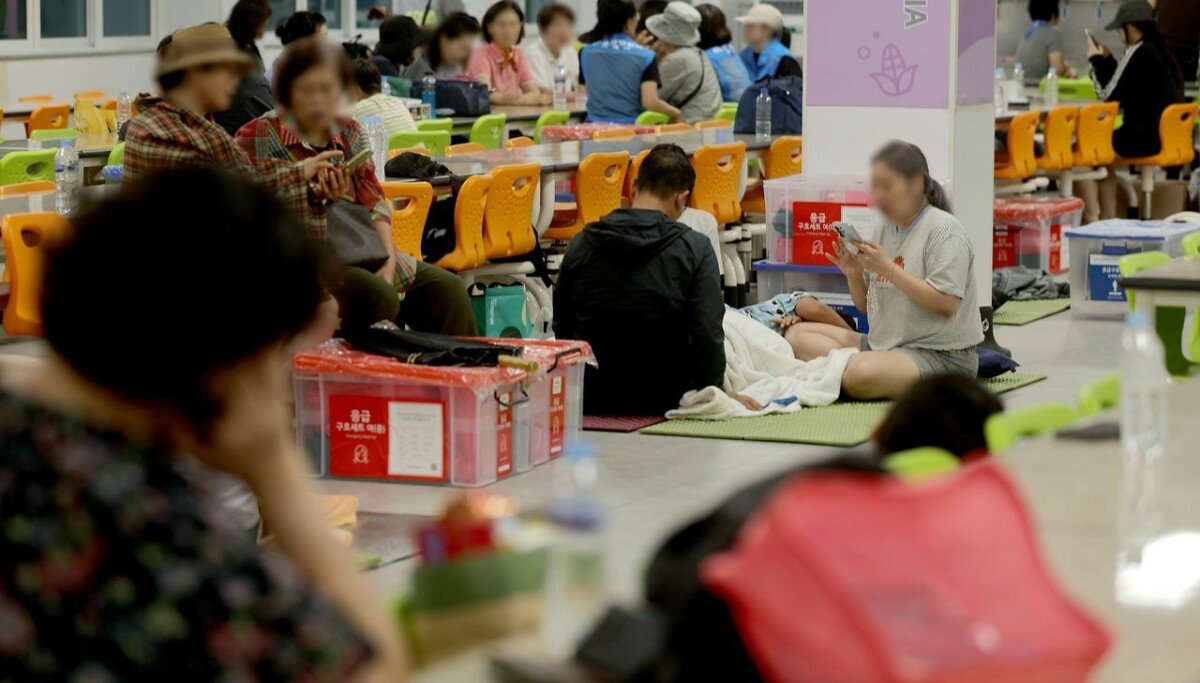
The displacement figures paint a picture of a community in flux. On August 17, 498 people from 274 households were evacuated. By the morning of August 18, 245 people from 145 households remained in temporary shelters, including community centers, village halls, and schools. Of those, 140 people from 61 households were residents of two apartment complexes in Okpo-dong, Geoje, who stayed away due to the ongoing risk of further landslides. The psychological toll of such displacement, compounded by the uncertainty of when—or if—they can return home, will be a lasting feature of this recovery.
State Response: From Emergency Funds to Special Disaster Zone Review
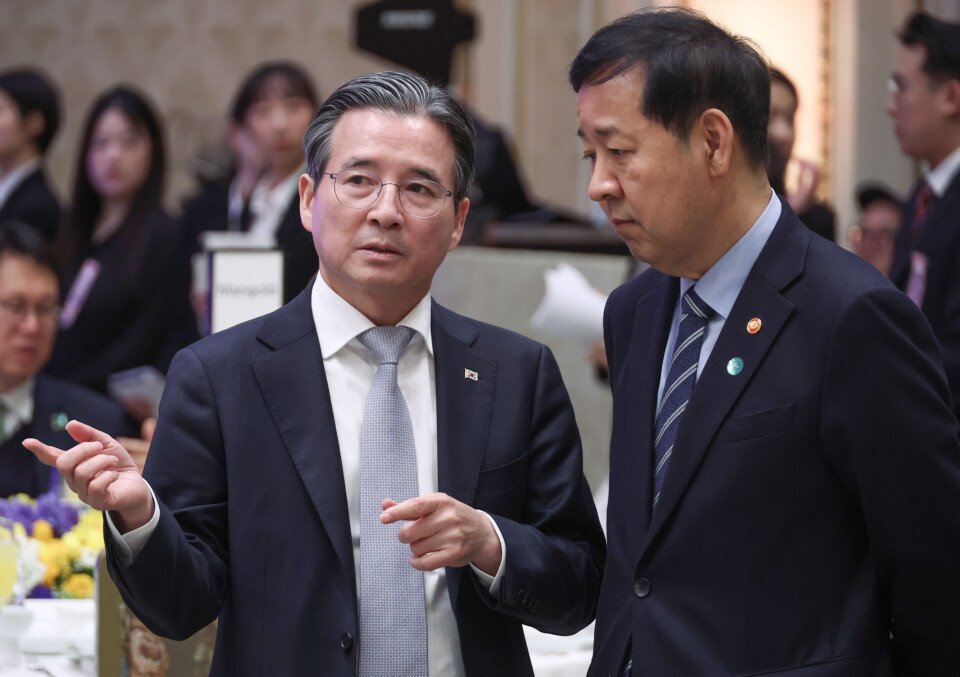
The government's response has been swift, though the full scope of federal assistance remains under review. The Ministry of the Interior and Safety activated the first stage of the Central Disaster and Safety Countermeasures Headquarters, a procedural step that mobilizes inter-agency coordination. Interior Minister Yun Ho-jung visited Tongyeong and Geoje on August 18, inspecting the landslide site in Okpo-dong and a flooded underground parking lot at the Ilseong Yusu-an Apartment in Tongyeong. During his visit, Minister Yun pledged a review of special disaster zone designation—a status that would unlock significant central government funding for recovery.
Tongyeong Mayor Kang Seok-ju formally requested the declaration, and Minister Yun said preliminary damage inspections had begun and the government would "actively review" the request. The financial commitment thus far includes 3 billion won in special allocation taxes and 40 million won in disaster relief project funds for emergency recovery. On August 20, Deputy Prime Minister and Minister of Economy and Finance Gu Yoon-cheol added that the government will review declaring both Geoje and Tongyeong special disaster zones. The designation, if granted, would provide a more robust financial framework for the long recovery ahead.
Infrastructure Under Stress: The Limits of 200-Year Design
The disaster has exposed critical vulnerabilities in the region's infrastructure, particularly in Geoje, a city that had invested heavily in flood prevention. In 2018, during the Gohyeon Port redevelopment project, a large drainage pumping station was installed by Geoje Big Island PFV at a cost of 69.2 billion won and donated to the city. Its six pumps can move up to approximately 115,000 tons of water per hour—a formidable capacity that was nonetheless overwhelmed by the "200-year" rainfall. The station's failure to prevent widespread flooding raises uncomfortable questions about whether even the most advanced engineering can keep pace with the intensifying weather patterns associated with climate change.
The utility disruptions compounded the crisis. Power and communications were cut to 1,656 households in Geoje and 768 households in Tongyeong, with service restored to only 500 and 396 households respectively as of August 18. Water service was lost to 4,177 households in Geoje and 630 households in Hansan-myeon, Tongyeong. Korean media reported that approximately 2,600 households were affected by power outages at the peak. Around 20 roads were closed, and city buses, intercity buses, and taxis stopped operating, effectively isolating affected communities. The Geoje city government's 2:42 a.m. warning about the Mundong Reservoir's high overflow risk, followed by a traffic ban around Gohyeon Stream, demonstrated a functioning early warning system—but one that could not prevent the scale of destruction that followed.
Regional and Economic Implications
Geoje's status as a major shipbuilding hub adds a strategic dimension to the recovery. The region's two major shipyards, Hanwha Ocean and Samsung Heavy Industries, implemented emergency measures restricting employee access during the flooding. While the full impact on production schedules has not been quantified, any disruption to these facilities carries national economic significance given their role in South Korea's export-driven economy. The shipyards' resilience in the face of such disruption will be closely watched in the coming weeks.
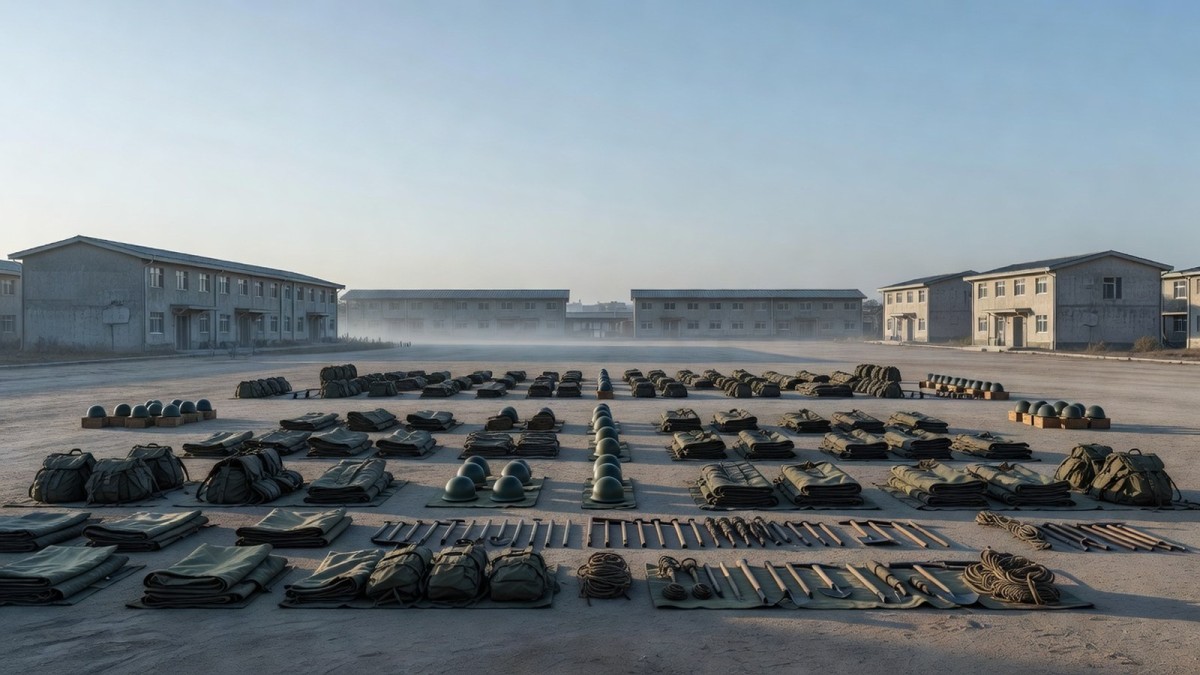
The educational impact is also notable. The Gyeongsangnam-do Office of Education reported 41 cases of rain damage to educational facilities—25 cases of flooding, 9 leaks, and 7 cases of damage or washouts—across 10 kindergartens, 19 elementary schools, 8 middle schools, 3 high schools, and 1 special education school. Two schools closed temporarily. The recovery effort has drawn on a broad coalition: Gyeongnam Governor Park Wan-su visited the disaster site and joined recovery work, calling for public support. Approximately 200 to 240 soldiers, including troops from the Army's 39th Division, were deployed for mud and debris removal. Corporations and celebrities also joined the effort, with the K-pop group Rescene donating 50 million won.
Looking Ahead
As the immediate emergency subsides, the longer-term challenges come into focus. The Korea Meteorological Administration has forecast an additional 80 to 150 millimeters of rain for South Gyeongsang's southern coast, threatening to complicate recovery efforts and potentially trigger further landslides on already saturated ground. The nearly 2,000 emergency reports and 136 rescues recorded in the affected area underscore the scale of the emergency response, but the recovery will require sustained effort.
The disaster raises profound questions about the adequacy of South Korea's infrastructure standards in an era of climate change. The "200-year" rainfall event that overwhelmed Geoje's state-of-the-art pumping station suggests that historical design parameters may no longer be sufficient. As the government reviews the special disaster zone designation, it must also consider whether the nation's approach to flood prevention, urban planning, and hillside development requires fundamental reassessment. For the residents of Geoje and Tongyeong, the immediate priority is rebuilding homes and restoring normalcy. But for policymakers, the challenge is ensuring that the next "once-in-200-year" event does not arrive sooner than expected—or find the region equally unprepared.
By Prof. David Park, Staff Writer
This article was produced with AI-assisted research and editorial support. Reporting is based on sources cited in the article.
What's Your Reaction?
 Like
0
Like
0
 Dislike
0
Dislike
0
 Love
0
Love
0
 Funny
0
Funny
0
 Wow
0
Wow
0
 Sad
0
Sad
0
 Angry
0
Angry
0

East Asia/Technology Correspondent at Global1.News. Seoul-based voice covering Korean politics, technology, business, and culture. Analyzes how technology and geopolitics intersect across East Asia.










Comments (0)