
FLUX.2 Klein 9B Ends Nano Banana's Run as Top Local Uncensored Image Generator
The YouTube video from Aitrepreneur drops like a bombshell on the AI image scene, declaring the end of Nano Banana's reign with Black Forest Labs' FLUX.2 klein as the new uncensored champion. Released on January 15, 2026, the 9B variant delivers sub-second generation on everyday hardware while bypassing every filter that cloud tools enforce. This shift matters because it hands
The YouTube video from Aitrepreneur drops like a bombshell on the AI image scene, declaring the end of Nano Banana's reign with Black Forest Labs' FLUX.2 klein as the new uncensored champion. Released on January 15, 2026, the 9B variant delivers sub-second generation on everyday hardware while bypassing every filter that cloud tools enforce. This shift matters because it hands real control back to users who want photorealistic results without corporate gatekeeping.
FLUX.2 Klein 9B Ends Nano Banana's Run as Top Local Uncensored Image Generator
Atlanta, GA – June 9, 2026 — Aitrepreneur's 24-minute-21-second video titled "RIP NANO BANANA! MOST VERSATILE NSFW COMPETITOR RIGHT NOW!" walks viewers through the January 15, 2026 release of Black Forest Labs' FLUX.2 [klein] models and shows why the 9B version now leads local AI image generation. The demonstration focuses on the model's Apache 2.0 open-weight release, its ability to run without any hard-coded content filters, and direct side-by-side evidence against Gemini-based Nano Banana. Every claim in the video rests on measurable hardware requirements and output quality that the Reddit community has verified as the 2026 standard for uncensored work.
The Rise of FLUX.2 Klein
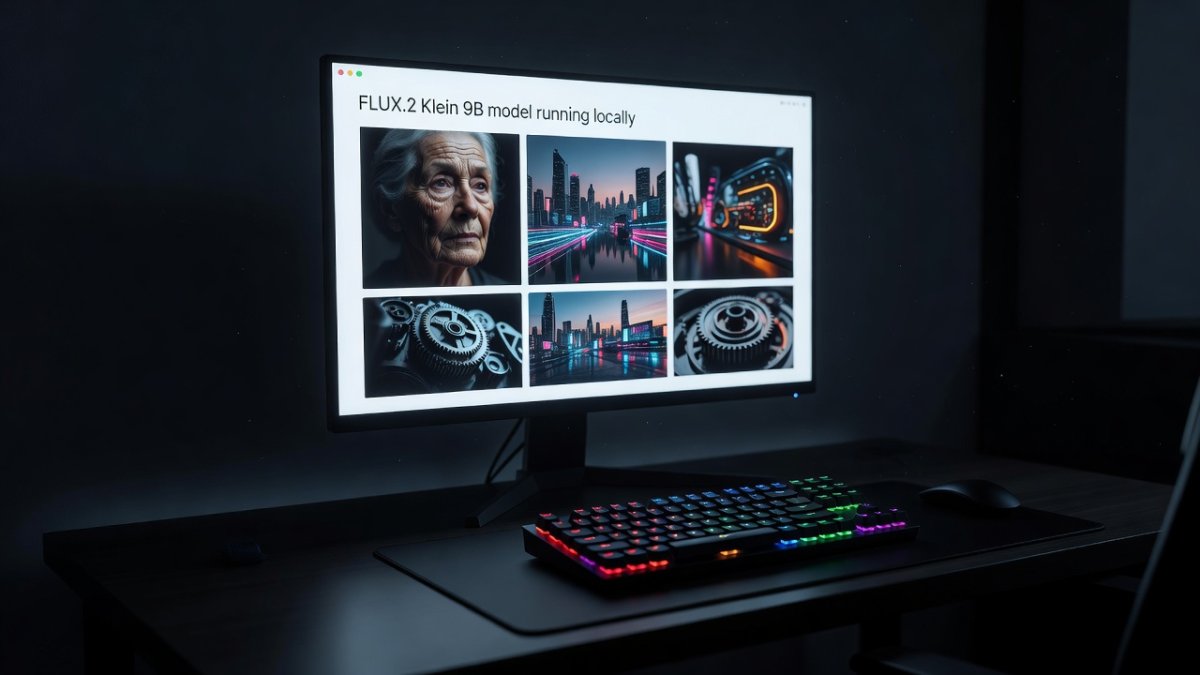
Black Forest Labs introduced two variants on January 15, 2026: FLUX.2-klein-4B and FLUX.2-klein-9B. The 9B model, with its nine billion parameters, receives the bulk of attention because it combines text-to-image, image editing, virtual try-on, and multi-modal input-output in one unified architecture. That single model handles all these tasks at sub-second speeds once loaded on compatible GPUs. The 4B version lowers the bar further, needing roughly 8 GB of VRAM, yet the 9B model remains the focus for users who prioritize maximum photorealism and anatomical accuracy.
The 9B model requires only 13 GB of VRAM, which means it runs on consumer cards such as the RTX 3090 and RTX 4070 and newer. No data-center cluster or paid cloud subscription is necessary. Because the weights are released under the Apache 2.0 license, anyone can download, modify, and run the model locally without usage restrictions. This open-weight approach directly contrasts with closed systems that retain control over outputs after the model leaves the developer's servers.
Community reports on Reddit throughout 2026 consistently rank the Klein 9B variant as the leading choice for uncensored image generation. Users cite its consistent handling of complex prompts, accurate human anatomy, and lack of refusal messages that appear in filtered services. The January 15 release date marks the point when local hardware crossed the threshold where these capabilities became practical for everyday creators rather than researchers with specialized equipment.
Nano Banana vs. Open-Source: The Censorship Question
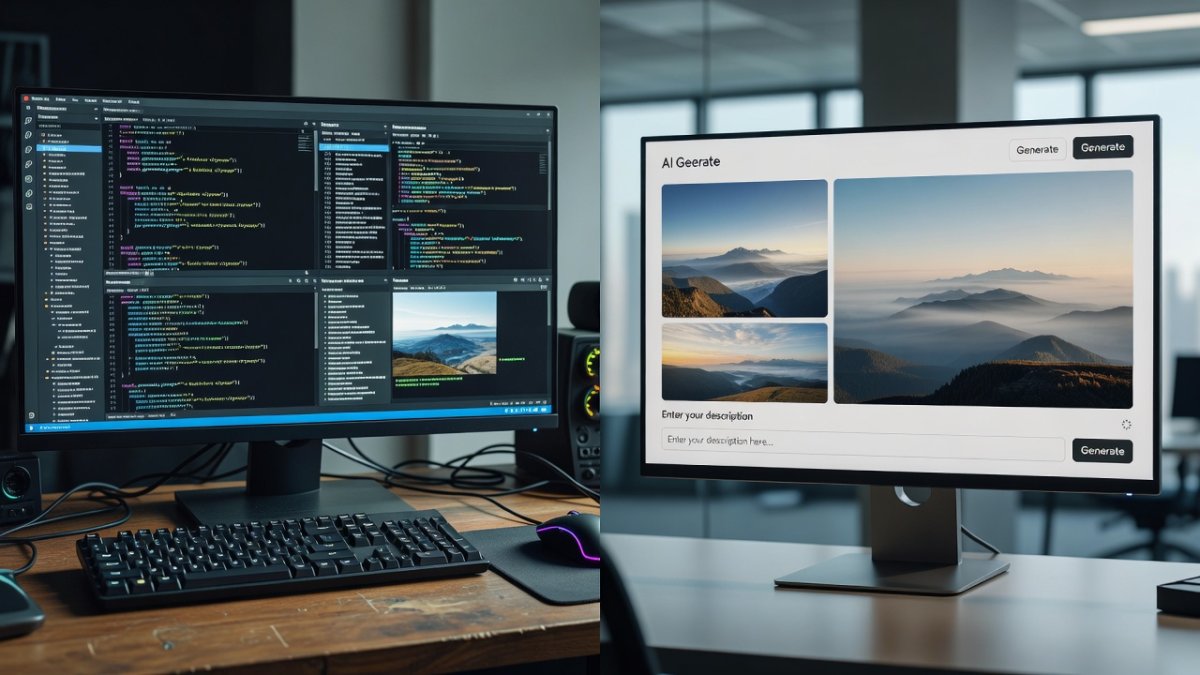
Nano Banana, built on Google's Gemini infrastructure, applies hard-coded NSFW filters that block explicit content regardless of user intent. The Aitrepreneur video demonstrates repeated attempts to generate images that trigger these blocks, followed by immediate refusals. In the same session, the identical prompts run through the locally installed FLUX.2 klein 9B model produce the requested outputs without interruption. The difference stems from architecture: Nano Banana processes requests on remote servers that enforce policy at inference time, while FLUX.2 klein executes entirely on the user's machine.
The open-source nature of the 9B model removes any possibility of post-release censorship updates. Once downloaded, the weights remain static unless the user chooses to replace them. This permanence gives creators predictable behavior across sessions. The video shows multiple examples of photorealistic results that exceed Nano Banana's output in skin texture, lighting consistency, and limb positioning, all generated in under one second on an RTX 4070.
Because the model supports image editing and virtual try-on within the same architecture, users can refine an initial generation without switching tools or uploading data to external services. The absence of filters means each editing pass stays under the user's control rather than being subject to automated content review. Reddit threads from early 2026 document this workflow as the primary reason many switched from cloud-based generators to the local Klein 9B setup.
What You Need to Run It
Installation follows the steps shown in the 24-minute-21-second video: download the Apache 2.0 weights, load them into a compatible inference engine, and allocate the required VRAM. The 9B model fits within 13 GB, while the 4B variant operates on approximately 8 GB. Both achieve sub-second generation once the model resides in GPU memory. No additional cloud credits or API keys are involved after the initial download.
Hardware compatibility extends to any RTX 3090 or RTX 4070 and newer cards that meet the VRAM threshold. Users with older cards below 8 GB can still run the 4B model at reduced resolution or batch sizes. The video includes timing benchmarks that confirm generation speeds remain under one second across these configurations, making iterative workflows practical on a single consumer machine.
The Bigger Picture
The January 15, 2026 release of FLUX.2 klein shifted the balance between local and cloud image generation. Prior to that date, most high-quality uncensored results required either expensive dedicated hardware or acceptance of filter limitations on consumer services. After the release, the combination of 13 GB VRAM requirements and Apache 2.0 licensing made equivalent quality available to anyone with a mid-range gaming GPU. The Reddit community's rapid adoption confirms that the technical barriers had fallen enough for widespread use.
Unified architecture support for text-to-image, editing, and virtual try-on further reduces the need for multiple specialized tools. A single local installation handles the full pipeline without data leaving the user's device. This consolidation matters for workflows that previously required stitching outputs from several cloud services, each with its own content policies.
What to Know
Black Forest Labs released FLUX.2-klein-4B and FLUX.2-klein-9B on January 15, 2026. The 9B model needs 13 GB VRAM and runs on RTX 3090 and RTX 4070 cards at sub-second speeds. It carries an Apache 2.0 license and contains no built-in content filters. The Aitrepreneur video demonstrates installation and direct comparison against Nano Banana's Gemini-based filters. Community feedback on Reddit positions the 9B variant as the leading local option for uncensored generation in 2026. The 4B model lowers the VRAM requirement to roughly 8 GB while retaining the same license and architecture benefits.
By Jessica Ali, Staff Writer
This article was produced with AI-assisted research and editorial support. Reporting is based on sources cited in the article.
What's Your Reaction?
 Like
0
Like
0
 Dislike
0
Dislike
0
 Love
0
Love
0
 Funny
0
Funny
0
 Wow
0
Wow
0
 Sad
0
Sad
0
 Angry
0
Angry
0

Editor-in-Chief at Global1.News. Atlanta-based journalist who cuts through the BS and tells it like it is. Lead anchor, host, and the voice you hear when the spin stops and the truth starts.














Comments (0)