
Mother told to book appointment to give birth to baby who had died
In February 2023 a seven‑month‑pregnant woman from North Tyneside was discharged from a Newcastle hospital despite a life‑threatening condition and the loss of her unborn child.
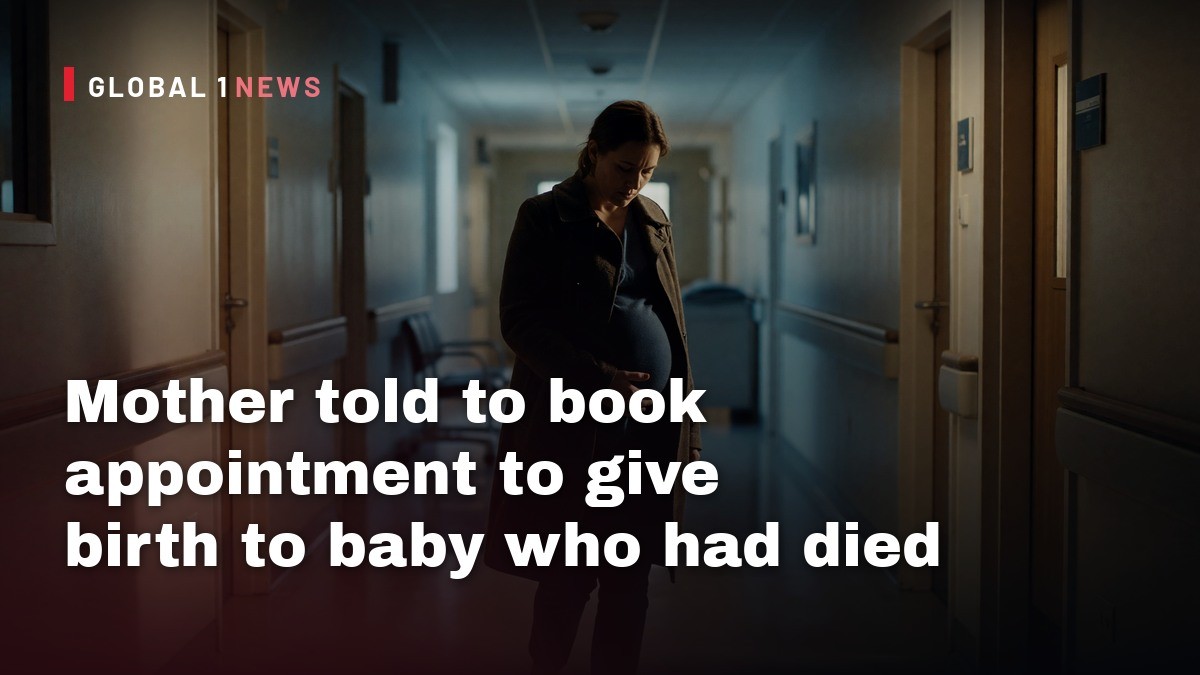
In February 2023 a seven‑month‑pregnant woman from North Tyneside was discharged from a Newcastle hospital despite a life‑threatening condition and the loss of her unborn child. The episode, recounted by Danielle Brown and her partner Anthony Miller, has sparked outrage and prompted the Newcastle Hospitals NHS Trust to admit that aspects of its care fell short of expected standards. Their story highlights a painful gap in the UK’s maternity services – the lack of a compassionate, specialised pathway for families who have just lost a baby.
The clinical cascade that led to tragedy
Danielle Brown, 31, first noticed the classic signs of pre‑eclampsia – swelling of her face, hands and feet – in early February 2023. Pre‑eclampsia can be fatal for both mother and foetus if not swiftly managed. She and her partner, Anthony Miller, 34, sought help at the Northumbria Specialist Emergency Care Hospital in Cramlington. Clinicians there identified a worrying drop in the foetal heart rate and arranged an emergency transfer to the Royal Victoria Infirmary (RVI) in Newcastle, where a caesarean section was initially promised.
Instead of the operation, Danielle was placed on a ward under the care of a consultant who assured her she would remain in hospital until delivery. The following day a different doctor reviewed her case and, contrary to the earlier urgency, discharged her home. Within hours Danielle’s condition deteriorated again, prompting her to call the maternity unit. A subsequent scan revealed no detectable heartbeat, confirming that her baby, Maisie, had died in utero.
From diagnosis to dismissal: a disjointed care pathway
After being told the tragic news, Danielle expected the hospital to facilitate an immediate delivery, a standard practice when a foetus has died. Instead, staff gave her a phone number and instructed her to call on Friday morning to book a slot for birth. The couple spent the intervening days at home, still carrying the stillborn child, before Danielle eventually gave birth after a ten‑hour labour. The silence in the delivery room, as she described, underscored the stark disconnect between clinical protocol and the emotional reality of bereavement.
Both Danielle and Anthony have since spoken out, urging hospitals to provide an alternative route for grieving parents – a dedicated, compassionate pathway that recognises the unique needs of families who have just lost a child. Their plea is that no other family should be sent home while still carrying a stillborn baby, forced to navigate an ordinary maternity ward without specialised support.
Institutional response: apology and procedural changes
Newcastle Hospitals NHS Trust issued a public apology, acknowledging that “aspects of the care we provided fell short of the standards the family had every right to expect.” Executive Director of Nursing and Midwifery Ian Joy cited a “detailed review in 2023” that led to improvements in urgent assessment for women presenting with unexpected symptoms or suspected complications, and the introduction of quicker escalation procedures when concerns arise.
Despite these statements, the trust’s response has been criticised as reactive rather than preventive. The admission that Danielle should not have been discharged on the 14th or 15th of February – a detail supplied by legal executive Faisal Ali of Irwin Mitchell – suggests that the failings were not merely procedural but stemmed from a fundamental misjudgement of risk at a critical juncture.
Legal perspective: the cost of missed monitoring
Faisal Ali highlighted that pre‑eclampsia, without appropriate monitoring, can be life‑threatening. He argued that had Danielle remained in hospital, continuous observation would have likely identified the need for an expedited delivery, potentially saving Maisie’s life. The legal commentary underscores the tangible human cost of systemic lapses – not only the loss of a newborn but also the enduring psychological trauma inflicted on parents.
While no legal action has been reported, the case adds to a growing body of maternity‑related litigation across the NHS, where families seek accountability for avoidable deaths. The legal framing also pressures trusts to tighten clinical governance, ensuring that risk assessments are robust and that discharge decisions are never made without exhaustive review.
National policy context: NHS England’s stance
An NHS England spokesperson described the failings as “unacceptable” and affirmed that anyone experiencing the loss of a baby should receive full support from a specialist maternity team. This aligns with national guidance that bereavement care should be integrated into maternity pathways, offering families choices about how and where they wish to give birth after a loss.
However, the spokesperson’s statement stops short of outlining concrete steps to enforce consistency across trusts. The gap between policy rhetoric and on‑the‑ground practice, as illustrated by Danielle’s experience, raises questions about the mechanisms for monitoring compliance and the adequacy of training for staff handling such sensitive cases.
Personal impact: the emotional aftermath for Danielle and Anthony
Beyond the clinical missteps, the personal narrative reveals the profound emotional toll. Danielle described the moment she realised Maisie was gone as “the screen was turned away and there was no sound,” a stark image of isolation in a hospital setting. The couple’s final walk out of the maternity ward – past other parents cradling living infants while they carried a memory box – left an indelible scar. “We should have been leaving with our baby too, but we were leaving with a memory box,” Danielle recalled.
Anthony’s words capture the lingering horror: “Lying in bed and holding that belly, and still being able to feel Maisie but knowing she wasn’t alive.” Their testimony underscores the necessity for a dignified, supportive environment that recognises the unique grief of stillbirth, rather than treating it as a routine discharge.
What needs to change: a roadmap for compassionate stillbirth care
The case points to three immediate priorities for NHS trusts. First, a mandatory protocol that any woman diagnosed with a stillbirth must be offered an immediate, specialist‑led delivery option, rather than being sent home to arrange a later appointment. Second, the establishment of dedicated bereavement suites staffed by midwives and counsellors trained in stillbirth support, ensuring families are not forced to navigate ordinary maternity wards while grieving. Third, a robust audit trail that records every decision point – from admission to discharge – with clear accountability, enabling swift review when outcomes diverge from expected standards.
Implementing these measures would align practice with the NHS’s own commitment to compassionate care and could prevent future families from enduring the kind of trauma endured by Danielle and Anthony. As the public conversation around maternity safety intensifies, the Newcastle case serves as a stark reminder that clinical excellence must be paired with humane, patient‑centred pathways, especially at the most vulnerable moments of loss.
This article was produced with AI-assisted research and editorial support. Reporting is based on the source material cited below. Sources: BBC News UK; bbc.co.uk; Global1.News (03 November 2026).
By Erica Thornton, Staff Writer
What's Your Reaction?
 Like
0
 Dislike
0
 Love
0
 Funny
0
 Wow
0
 Sad
0
 Angry
0

US Politics and Policy Correspondent at Global1.News. Based in Washington DC, covering American politics, policy, elections, and the courts. Knows how the system works and tells you what it actually means.














Comments (0)