
Fauci Faces State Subpoenas: Florida, West Virginia, Louisiana Probe Alleged COVID Self-Dealing
Folks, the legal ground is shifting under Dr. Anthony Fauci's feet. Three state attorneys general just fired a coordinated subpoena across state lines, demanding records on whether pandemic-era decisions doubled as personal profit plays. Florida, West Virginia, and Louisiana are not waiting for Washington to finish its dance.
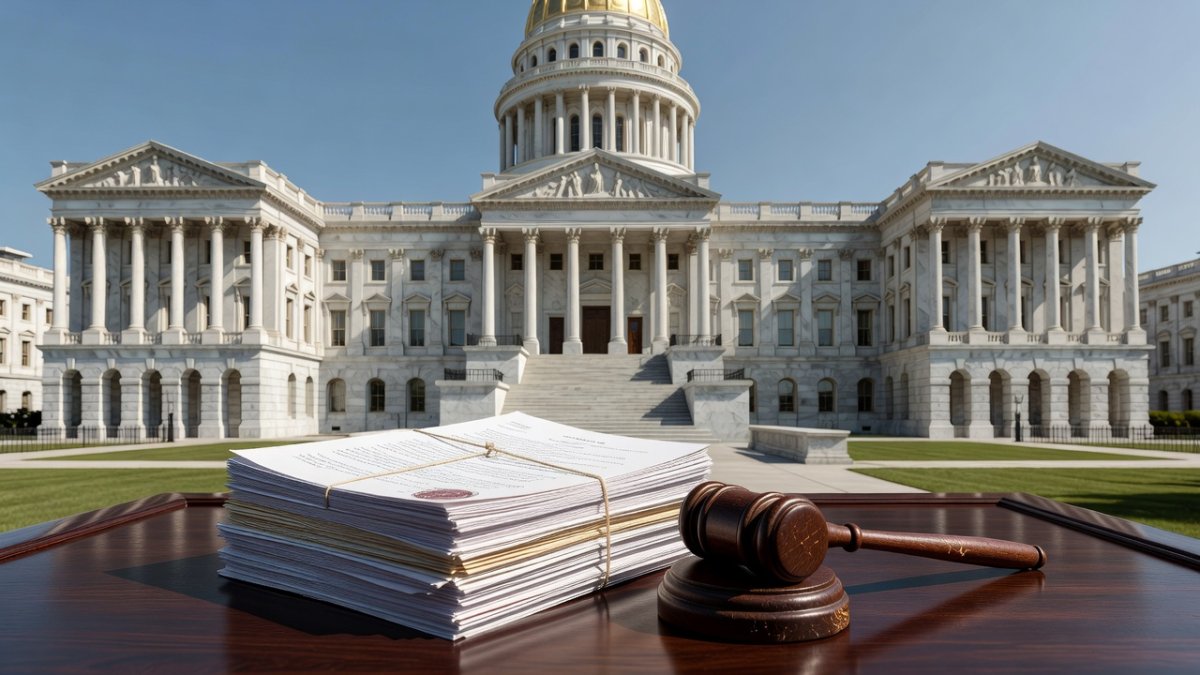
Folks, the legal ground is shifting under Dr. Anthony Fauci's feet. Three state attorneys general just fired a coordinated subpoena across state lines, demanding records on whether pandemic-era decisions doubled as personal profit plays. Florida, West Virginia, and Louisiana are not waiting for Washington to finish its dance. The move lands after a federal pardon already closed one lane and after more than a hundred Fifth Amendment invocations in Congress, leaving state investigators to test whether any real accountability lane remains for a public health figure whose guidance reshaped daily life for millions.
Fauci Faces State Subpoenas: Florida, West Virginia, Louisiana Probe Alleged COVID Self-Dealing
Tallahassee, Florida — Florida Attorney General James Uthmeier announced on August 5, 2026, that his office, joined by West Virginia Attorney General John McCuskey and Louisiana Attorney General Liz Murrill, issued an investigative subpoena to Dr. Anthony Fauci over potential self-dealing during the COVID-19 pandemic. The move targets documents from January 3, 2020, through the present, with production due by August 31, 2026. Officials frame the inquiry around whether Fauci personally benefited from guidance that affected Florida residents and businesses, citing categories such as awards, book deals, and communications tied to pandemic policy. The announcement arrives against the backdrop of Fauci's long federal career that included leadership at the National Institute of Allergy and Infectious Diseases through six administrations and service as White House chief medical adviser during the height of the outbreak.
The Subpoena and Its Scope
The subpoena requires Fauci to produce records on awards applied for, considered, or received from any organization in Florida related to COVID-19. It also seeks details on book deals and payments, along with communications and records connected to guidance that impacted state residents and businesses. Additional demands cover any materials bearing on alleged self-dealing, fraud, deceptive trade practices, or public nuisance. The document list reaches back to the first days of 2020, capturing the period when early uncertainty about transmission, treatments, and vaccines shaped policy across the country.
Uthmeier's office tied the request to diary entries recently released by Senator Rand Paul. Those entries, stored on government servers, cover Fauci's private notes from the pandemic's early period. Some content overlaps with material in Fauci's 2024 memoir, while other portions reflect uncertainty in the initial months of the outbreak. The overlap has prompted questions about consistency between contemporaneous notes and later public accounts, though defenders note that evolving scientific understanding is common in novel outbreaks.
The August 31 deadline sets a firm timeline for document production. Failure to comply could trigger enforcement actions under Florida state law, including potential court orders or contempt proceedings at the state level. Procedurally, the date functions as a hard cutoff that forces either full production or a legal fight over scope and privilege before any further state remedies can be pursued.
Background From the Senate Hearing
On July 29, 2026, Fauci appeared before the Senate Homeland Security and Governmental Affairs Committee. He invoked his Fifth Amendment right against self-incrimination more than 100 times during questioning led by Senator Rand Paul. The panel had been examining issues including COVID origins and pandemic policy over several years. Republican-led oversight of Fauci has continued for years on topics that include COVID origins, vaccine guidance, and related policy decisions, building a record that stretches back through multiple congressional sessions.
Paul released more than 1,000 pages of the diary entries ahead of the hearing. The documents provided context for the state attorneys general's subpoena. Paul's committee was expected to consider a contempt vote after Fauci declined to answer multiple questions. Fauci's federal career spanned roughly 40 years and six administrations, during which he also confronted earlier public health crises such as HIV/AIDS, Ebola, and Zika.
The Federal Pardon and State Authority
President Joe Biden issued Fauci a full and unconditional pardon covering federal offenses from January 1, 2020, onward. Legal observers note that a federal pardon does not prevent state-level investigations from proceeding. This distinction allows the attorneys general to continue their inquiry despite the federal action, underscoring that state consumer-protection and public-nuisance statutes operate independently of federal clemency. The legal significance lies in the survival of state authority even after federal charges have been extinguished.
The pardon has drawn divided reactions among legal experts. Some point to the possibility of state prosecutions as a factor in Fauci's Fifth Amendment invocations during the Senate hearing. Others question aspects of how the pardon was executed, including reports it was signed via autopen. Defenders of Fauci describe the state subpoenas as political targeting of a career public servant who guided responses through multiple administrations, while supporters of the inquiry argue that the federal pardon and repeated Fifth Amendment invocations underscore the need for state-level review of accountability questions.
Under the doctrine of dual sovereignty, federal and state governments function as separate sovereigns, each able to enforce its own laws even when the underlying conduct overlaps. A presidential pardon reaches only federal offenses and leaves untouched any state claims rooted in consumer-protection statutes or public-nuisance doctrines that states have long administered independently. Those state laws focus on harm to residents and businesses within their borders, not on the federal criminal code that the pardon addressed.
This separation means the three attorneys general can still examine whether any personal benefit derived from pandemic guidance violated state standards, regardless of what federal authorities chose to forgive. Courts have repeatedly upheld that states retain this independent authority, preventing a single federal act from erasing every possible avenue of review.
Statements From the Attorneys General
Uthmeier appeared on Fox News to describe the subpoena. He stated it seeks documents on what Fauci knew, when he knew it, and his doubts about the safety and efficacy of vaccines. After the Senate hearing, Uthmeier posted on X that Fauci's lack of candor to Congress was unbelievable. Louisiana Attorney General Liz Murrill commented on the joint effort. She said the truth will come out. West Virginia Attorney General John McCuskey joined the investigation without additional public statements released at the time of the announcement.
The three offices coordinate under state consumer-protection and public-nuisance authorities. Their focus remains on potential fraud, deceptive trade practices, self-dealing, and public nuisance tied to pandemic-era actions. This framing allows the states to argue that any personal benefit derived from guidance that restricted businesses or altered daily life in Florida, Louisiana, and West Virginia could constitute harm redressable under state law.
Political Context and Prior Scrutiny
Republican-led congressional oversight of Fauci has continued for years. Topics have included COVID origins, vaccine guidance, and related policy decisions. The current state subpoenas build on that record of examination. Fauci's 2024 memoir addressed some of the same period covered by the released diary entries. The overlap between the memoir and the newly public notes has informed the document requests now before him.
Critics of the probe describe it as political targeting of a career public servant. Supporters counter that the federal pardon and repeated Fifth Amendment invocations underscore the need for state-level review of accountability questions. The broader trend shows states stepping into federal controversies when national processes stall or shift, creating parallel records that operate outside Washington timelines.
Fauci's appearances before Congress stretch back through multiple sessions, with repeated focus on the origins debate and the evolution of public health guidance. He has drawn fire from both sides of the aisle at different points, including questions about lab-leak possibilities and shifting mask and vaccine recommendations. At the same time, defenders highlight his decades of work on HIV/AIDS research and responses to earlier outbreaks like Ebola and Zika as evidence of a career dedicated to public health rather than personal gain.
That long record now collides with the current subpoenas, as states examine whether any financial or professional benefits tied to pandemic communications crossed lines under state law. The tension reflects how pandemic-era decisions continue to generate scrutiny long after the federal chapter closed.
Implications for Florida Taxpayers and Consumers
The investigation is framed around consumer-protection laws and public-nuisance claims. Officials argue that any self-dealing would have directly affected Florida residents through policies that restricted businesses and daily life during the pandemic. Document categories include communications that reached Florida and records of any financial benefits tied to those communications. The attorneys general position the inquiry as a means to determine whether state residents faced unnecessary harm from guidance influenced by personal interests.
Next steps after the August 31 deadline could include depositions or further enforcement if production is incomplete. The states retain authority to pursue civil remedies under their own statutes regardless of federal developments. Readers in Florida and the other states involved may see this as an effort to close perceived gaps in accountability that federal processes left open.
States Filling Federal Gaps and What Comes Next
The action reflects a pattern of states addressing issues where federal processes have shifted. COVID accountability and vaccine policy questions have moved into state venues as national priorities change. By pursuing records through state subpoenas, the attorneys general create an independent record. This approach operates separately from any federal pardon or congressional outcome. The August 31 production date will determine whether additional state actions follow. The investigation remains focused on the specific document categories outlined in the subpoena.
Watch for whether Fauci complies fully, seeks court relief, or triggers enforcement proceedings. The outcome will test how far state consumer-protection tools can reach into matters once dominated by federal authority and whether the divided legal opinions on the pardon and Fifth Amendment invocations produce further litigation. The three-state effort signals that accountability questions tied to pandemic policy are unlikely to end with federal clemency alone.
After August 31, readers should track whether depositions follow, whether enforcement motions land in state courts, and whether additional states join the effort. The results could shape how much trust the public places in institutions that guided the nation's response, especially when federal protections no longer shield every question from further review.
Accountability matters, but so does fairness. These subpoenas test whether state tools can reach what federal processes left behind, yet they must still respect the lines between legitimate inquiry and political theater. For regular folks who lived through the lockdowns, the mandates, and the shifting rules, the real test is whether any of this produces clearer answers instead of more noise. The story is not over, and the next moves will show whether state power fills the gap or simply keeps the fight alive.
By Jessica Ali, Staff Writer
This article was produced with AI-assisted research and editorial support. Reporting is based on sources cited in the article.
What's Your Reaction?
 Like
0
Like
0
 Dislike
0
Dislike
0
 Love
0
Love
0
 Funny
0
Funny
0
 Wow
0
Wow
0
 Sad
0
Sad
0
 Angry
0
Angry
0

Editor-in-Chief at Global1.News. Atlanta-based journalist who cuts through the BS and tells it like it is. Lead anchor, host, and the voice you hear when the spin stops and the truth starts.













Comments (0)