
Detergent in Mid-Day Meal: 36 Sick in Bihar, Again
At least 36 students at a government primary school in Bihar's Nalanda district were rushed to hospital on Tuesday after consuming a mid-day meal cooked with detergent powder instead of salt, in a food-safety failure that has reignited concerns over the world's largest school feeding programme.
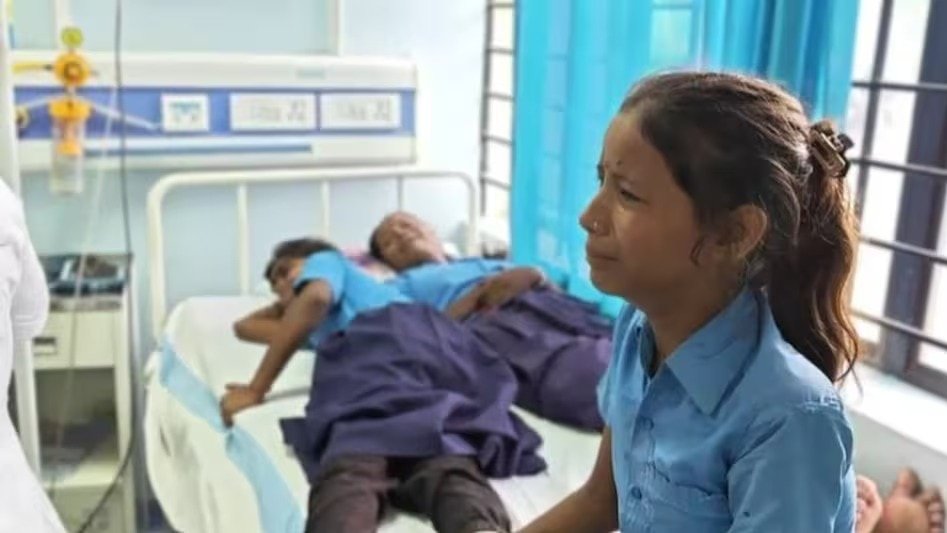
At least 36 students at a government primary school in Bihar's Nalanda district were rushed to hospital on Tuesday after consuming a mid-day meal cooked with detergent powder instead of salt, in a food-safety failure that has reignited concerns over the world's largest school feeding programme. The incident occurred at the Government Primary School in Paingri village, under the Deepnagar police station area, on August 18, 2026, with children aged 6-12 complaining of vomiting and nausea within minutes of eating. Officials confirmed the students were treated at Biharsharif Sadar Hospital and are currently stable, even as the reported number of affected children varied between 24 and 40 across news agencies through the day.
Detergent in Mid-Day Meal: 36 Sick in Bihar, Again
Nalanda, Bihar – August 19, 2026 — The containers of salt and detergent powder were kept at the same place in the school kitchen, and the cook allegedly mistook the detergent for salt, adding it to the food being prepared for students. According to the school headmaster, the incident occurred after the cook mistakenly offered detergent powder to students who had asked for extra salt. Some students had already eaten when others complained that the food lacked salt, prompting the cook to reach for what was believed to be the salt container.
What Happened at the Nalanda School Kitchen
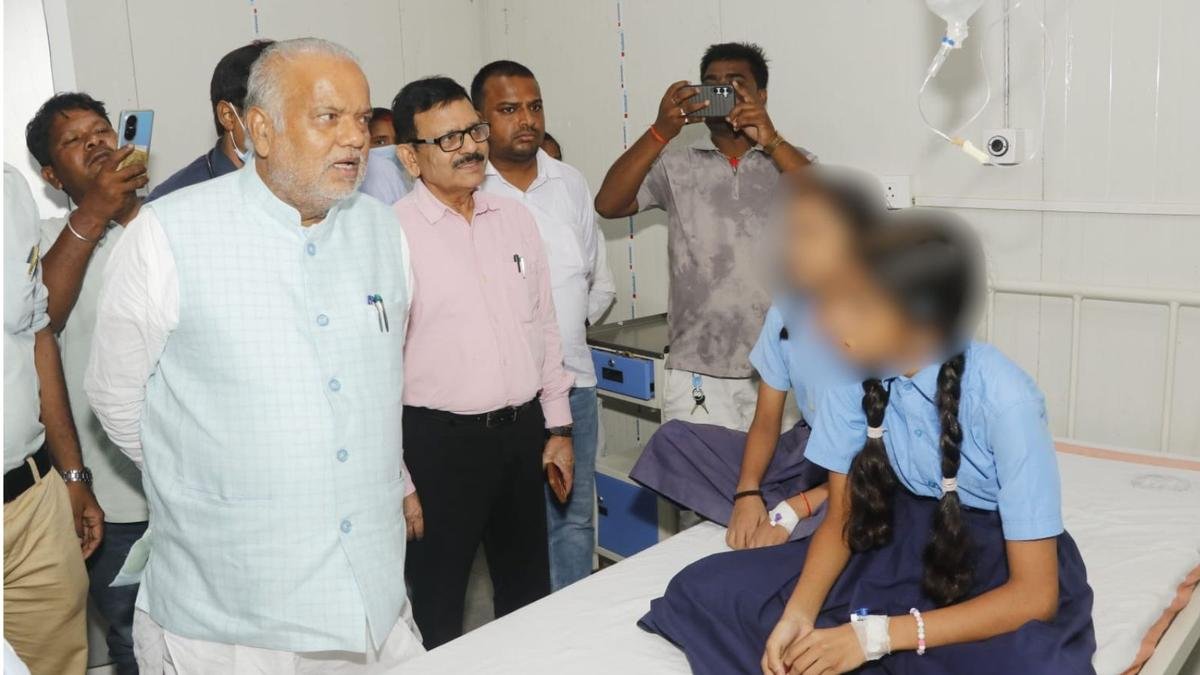
The timeline of events at the Government Primary School in Paingri village, Noorsarai block, Nalanda district, points to a cascade of procedural failures. The mid-day meal was served as usual on Tuesday morning, but within minutes, students began showing symptoms of food poisoning — nausea, vomiting, and abdominal pain. Teachers and local residents rushed the children to Biharsharif Sadar Hospital, where they were placed under medical observation. By Wednesday morning, hospital officials said all students were stable, with no critical cases reported.
Authorities have promised strict action. The Bihar Education Department has initiated an inquiry, and the district administration has been directed to submit a detailed report. Local reaction has been sharp: "First no teachers in classrooms, now detergent in mid-day meals!" was a common refrain among parents gathered outside the hospital, reflecting a broader erosion of trust in the state's school infrastructure.
The World's Largest School Meal Programme
This incident strikes at the heart of PM POSHAN Shakti Nirman, formerly the Mid-Day Meal Scheme, which is the largest school feeding programme on the planet. According to the official pmposhan.education.gov.in portal, the scheme serves approximately 11.80 crore (118 million) children across 11.20 lakh (1.12 million) schools in India. In 2020-21 alone, the Government of India invested more than Rs 24,400 crore in the programme, including about Rs 11,500 crore on food grains alone.
The scheme provides one hot cooked meal every school day to children in government and government-aided schools, from pre-primary (Bal Vatika) through Class 8. It is a proven tool against school dropout and malnutrition, with studies linking regular meals to improved attendance and cognitive development. For millions of children from economically weaker sections, this meal is often the only nutritious food they receive in a day. A single lapse in food safety, therefore, is not just a logistical failure — it is a direct threat to the health and educational future of India's most vulnerable students.
A Pattern That Keeps Repeating
Tuesday's incident is not an isolated anomaly but part of a troubling pattern in Bihar's school kitchens. On July 16, 2013, 23 children died — with reports ranging from 23 to 27 — after eating a mid-day meal contaminated with pesticide at Gandaman village in Saran district (Chhapra), Bihar. That tragedy, one of India's worst school meal disasters, prompted nationwide scrutiny of mid-day meal kitchens and led to a series of safety directives from the central government.
Yet, more than a decade later, the same failures persist. The National Human Rights Commission (NHRC) has previously issued notices to the Bihar government over schoolchildren falling ill after consuming mid-day meals, including an incident involving about 150 students in West Champaran. Each recurrence raises the same question: why do these avoidable errors continue to happen in a programme that feeds over a hundred million children daily?
Protocols on Paper, Laxity in Practice
The root cause of Tuesday's incident lies in the gap between written protocols and on-ground implementation. Standard operating procedures under PM POSHAN mandate that food ingredients be stored separately, clearly labelled, and kept out of reach of contaminants. Detergent and other cleaning agents are supposed to be stored in a separate area, away from food items. Cooks are required to undergo training on food safety and hygiene, and meals are supposed to be tasted by a designated person before being served to students.
None of these safeguards appear to have been followed at the Paingri school. The fact that salt and detergent containers were kept side by side in the kitchen indicates a systemic failure in storage discipline. The cook's alleged inability to distinguish between the two substances — despite detergent typically having a distinct smell and texture — points to inadequate training. Furthermore, the absence of a proper tasting mechanism before serving meant that the contaminated food reached the students without any quality check.
The Food Safety and Standards Authority of India (FSSAI) has established clear guidelines for school kitchens under its Eat Right School initiative, which includes mandatory food safety audits and hygiene ratings. However, enforcement remains weak, particularly in rural Bihar where inspection visits are infrequent and accountability is diffuse. The Bihar Education Department's oversight mechanisms have repeatedly failed to catch such lapses before they turn into health emergencies.
What This Means for India
The Nalanda incident is a stark reminder that India's public health and education infrastructure is only as strong as its weakest link. For the 11.80 crore children who depend on PM POSHAN meals, food safety is not a bureaucratic detail — it is a matter of life and death. The economic implications are equally significant: the Rs 24,400 crore annual investment in the scheme is undermined when incidents like this erode public confidence and discourage parents from sending their children to school.
There is also a broader policy dimension. India has made significant strides in reducing child malnutrition and improving school enrolment, but these gains are fragile. A single high-profile food poisoning incident can reverse years of behavioural change, as parents in affected areas may choose to keep their children home rather than risk their health. The trust deficit is compounded by the perception that authorities respond only after incidents occur, rather than preventing them through proactive monitoring.
The Bihar government's promise of strict action is welcome, but it must be backed by concrete measures: mandatory CCTV surveillance in school kitchens, unannounced inspections by district officials, regular refresher training for cooks, and a zero-tolerance policy for storage violations. The NHRC's previous interventions have not resulted in sustained improvements, suggesting that the issue is not a lack of guidelines but a lack of enforcement will.
The Bottom Line
On August 18, 2026, 36 children in a small village in Nalanda district consumed detergent powder because a cook could not tell it apart from salt. They are stable now, but the incident has exposed a systemic vulnerability in a programme that feeds 118 million children every school day. The 2013 Chhapra tragedy, which killed 23 children, was supposed to be a turning point. Thirteen years later, the same mistakes are being repeated with alarming regularity. India can afford to invest Rs 24,400 crore in school meals, but it cannot afford to treat food safety as an afterthought. The children of Paingri village — and the 11.80 crore others like them — deserve better than a system that only reacts after the damage is done.
— By Dr. Raj Patel, Staff Writer
This article was produced with AI-assisted research and editorial support. Sources: NDTV, Indian Express, India Today, News18, The Print, pmposhan.education.gov.in.
What's Your Reaction?
 Like
0
Like
0
 Dislike
0
Dislike
0
 Love
0
Love
0
 Funny
0
Funny
0
 Wow
0
Wow
0
 Sad
0
Sad
0
 Angry
0
Angry
0

India/South Asia Correspondent at Global1.News. Analytical voice with a background in science and health journalism. Based in New Delhi, covering Indian politics, education, healthcare, technology, and policy. Breaks down complex data into clear, actionable reporting.













Comments (0)