
Delhi H1N1 Cases Surge 6-Fold; Bengaluru School Shut After Outbreak
Delhi has recorded 1,344 H1N1 influenza cases in 2026 — nearly six times the 229 logged in the same period last year — as a Bengaluru school shut after an outbreak sickened over 500 students. Doctors urge flu shots, isolation and vigilance for high-risk groups.
Delhi has recorded 1,344 confirmed H1N1 influenza cases so far in 2026 — nearly six times the 229 cases logged during the same period last year — as the monsoon season fuels a nationwide surge in respiratory infections. The spike has prompted doctors to renew calls for annual flu vaccination and strict isolation protocols, even as a Bengaluru school shut its gates for two days following an outbreak that sickened over 500 students and staff.
Delhi H1N1 Cases Jump Six-Fold as Monsoon Fuels Nationwide Flu Surge; Bengaluru School Shut After Outbreak
New Delhi, August 19, 2026 — India's influenza season has arrived with unusual force. Delhi alone has confirmed 1,344 H1N1 cases as of August 12, 2026, nearly six times the 229 cases recorded in the same window last year, according to an India Today report. The surge is not confined to the capital; multiple regions are reporting elevated flu activity during the current monsoon period, and Bengaluru has seen at least two new confirmed H1N1 cases linked to a school outbreak in the city's Richards Town neighbourhood.
The Bengaluru School Outbreak: A Case Study in Urban Health Risks
Clarence High School in Bengaluru's Richards Town was forced to shut for two days during the week of August 17, 2026, after more than 500 students and 21 staff members reported symptoms of fever, cold, cough, and body aches. Local reports initially suggested the two confirmed H1N1 cases were students, but the Karnataka health department clarified on August 17 that the affected individuals were teachers, now under treatment, according to News18.
School authorities have pointed to a persistent environmental hazard as the likely trigger: accumulated waste from local street food stalls and other vendors surrounding the campus. They allege they raised the issue repeatedly with civic body officials, but no action was taken. The incident underscores how urban sanitation gaps can directly intersect with public health, turning routine seasonal flu into a disruptive outbreak affecting hundreds of children and staff.
Understanding H1N1: Virology and Transmission
Influenza viruses are classified into four types — A, B, C, and D — with types A and B responsible for the seasonal epidemics that sweep through populations each year. H1N1 is a subtype of influenza A and now circulates as one of the seasonal influenza viruses. The virus spreads primarily through respiratory droplets when an infected person coughs, sneezes, or talks, though contaminated surfaces can also play a role in transmission.
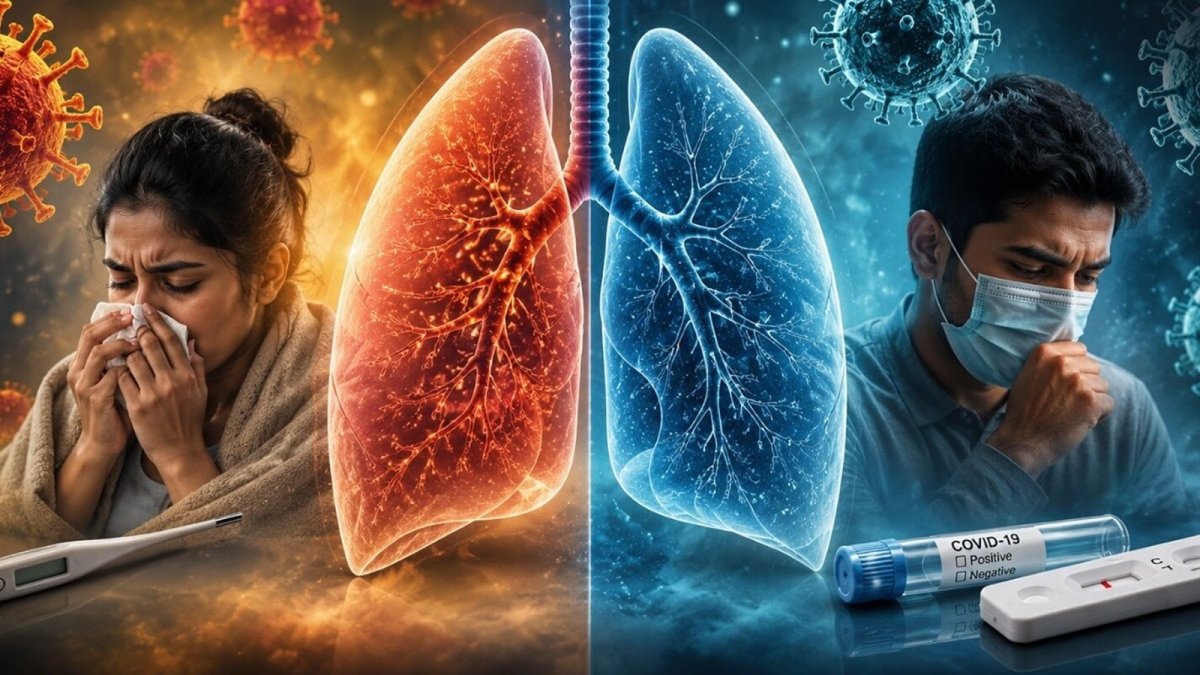
Common symptoms include fever, cough, sore throat, headache, body aches, fatigue, and a runny or blocked nose. While most otherwise healthy individuals recover without complications, influenza can progress to pneumonia, respiratory failure, or secondary bacterial infections — particularly in vulnerable populations. The current surge during the monsoon aligns with India's established seasonal pattern, which typically sees two peaks: one in the post-monsoon period from August to October, and another from January to March.
What This Means for India: Vaccination Gaps and Policy Implications
The sharp rise in cases raises critical questions about India's influenza prevention framework. Annual flu vaccination is estimated to reduce the risk of influenza by 50-60%, according to available data. Yet India's Centre-run Universal Immunisation Programme (UIP) does not provide an annual influenza vaccination, leaving annual influenza vaccination outside the state-run programme. The government does endorse immunisation for vulnerable groups — pregnant women, children aged six months to five years, people over 65, those with chronic medical conditions, and healthcare workers — broadly in line with World Health Organization recommendations.
In a notable policy development, a government-appointed panel in 2024 suggested, for the first time, region-specific timing for flu vaccination based on weather patterns. The panel advised May-June shots for vulnerable groups in mainland India and the Andaman and Nicobar Islands; July for Tamil Nadu; and October for Jammu and Kashmir, Himachal Pradesh, and Uttarakhand. This differentiated approach reflects India's climatic diversity, but implementation remains voluntary.
Expert Perspectives: Who Should Get Vaccinated and Why
Dr Vinay D, infectious diseases specialist at Apollo Hospitals, Bengaluru, is unequivocal: "Anybody above the age of six months can use this vaccine." He emphasises that vaccination is particularly critical for high-risk groups — very young children, older adults, pregnant women, people with poorly controlled diabetes, cancer patients or those undergoing cancer treatment, and people with untreated or uncontrolled HIV.
Dr Vaibhav Gupta, internal medicine specialist at Regency Hospital, offers a realistic caveat: vaccination does not guarantee a person will never contract influenza. Its major benefit, he explains, is reducing the risk of severe illness, hospitalisation, and complications. H1N1 can cause pneumonia and worsen existing respiratory diseases, making the vaccine a crucial safeguard even if it does not provide perfect protection. Both trivalent vaccines (covering three influenza strains) and quadrivalent vaccines (covering four strains) are available in India, and because the formulation is updated regularly, vaccination must be repeated every year.
Beyond Influenza: The Pneumococcal Vaccine Distinction
Doctors are also drawing attention to a frequently confused but important distinction: the influenza vaccine and the pneumococcal vaccine are not the same. Influenza is caused by a virus, while pneumococcus is a bacterium that can cause serious infections, including pneumonia. People at increased risk of pneumococcal pneumonia include older adults and those with chronic kidney, liver, lung, or heart disease, as well as individuals who consume excessive amounts of alcohol.
Dr Vinay recommends pneumococcal vaccination particularly for people aged over 60, noting that risk increases with age and that vaccination can substantially reduce serious outcomes. For Indian families caring for elderly parents or relatives with chronic conditions, this dual-vaccination strategy — flu plus pneumococcal — offers a more comprehensive shield against respiratory illness during peak seasons.
Prevention, Warning Signs, and the Road Ahead
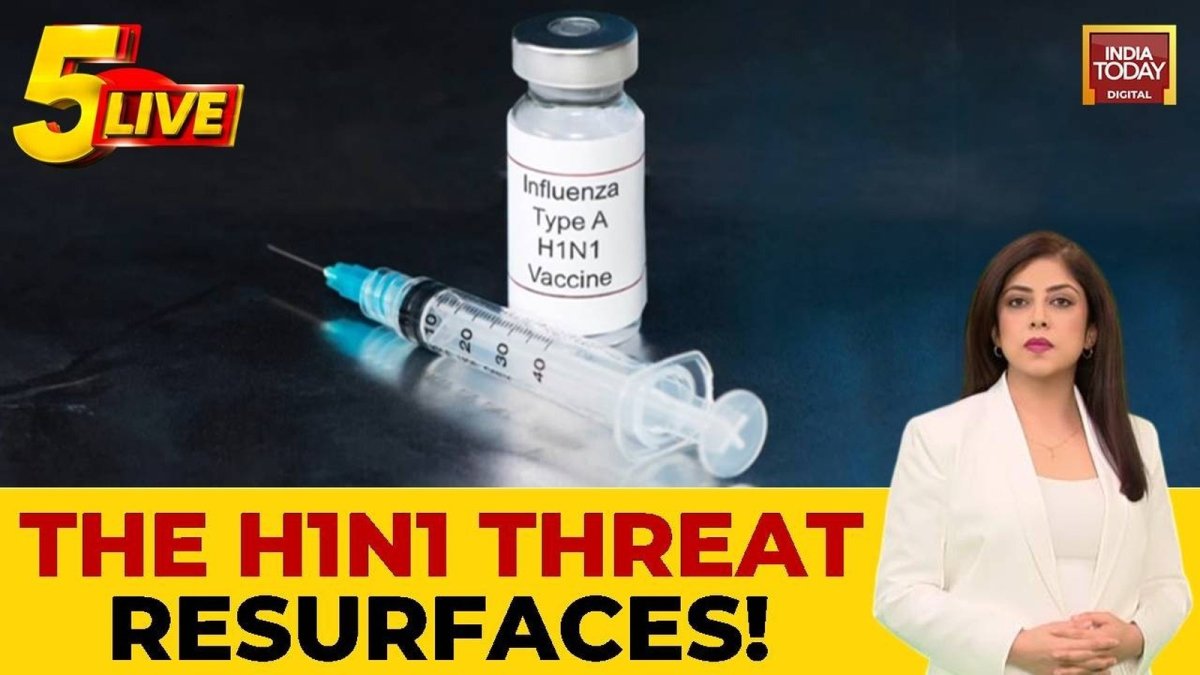
Doctors advising in the India Today video recommend flu shots and isolation as cases rise. For those already experiencing flu-like symptoms, the guidance is clear: avoid close contact with others, maintain hand hygiene, cover coughs and sneezes, and consider wearing masks in crowded or poorly ventilated settings. High-risk groups should seek medical advice early if symptoms develop.
Certain red flags warrant prompt medical evaluation: breathing difficulty, chest pain, confusion, severe weakness, dehydration, or symptoms that worsen after initially improving. These signs may indicate progression to severe disease requiring hospitalisation.
The Bottom Line
The six-fold surge in Delhi's H1N1 cases and the Bengaluru school outbreak are not isolated events — they are a warning signal for India's preparedness against seasonal influenza. With the UIP not covering flu shots, the onus falls on individuals and families to seek vaccination, particularly those in high-risk categories. The 2024 regional timing recommendations offer a useful framework, but without wider adoption, India risks repeated disruptive outbreaks each monsoon. For now, the most effective tools remain simple: timely vaccination, early isolation, and vigilance for warning signs. As Dr Vinay puts it, anyone above six months can benefit — the question is whether enough Indians will act on that advice before the next wave peaks.
This article was produced with AI-assisted research and editorial support. Sources: India Today, Deccan Chronicle, News18, NDTV, Mint.
— By Dr. Raj Patel, Staff Writer
What's Your Reaction?
 Like
0
Like
0
 Dislike
0
Dislike
0
 Love
0
Love
0
 Funny
0
Funny
0
 Wow
0
Wow
0
 Sad
0
Sad
0
 Angry
0
Angry
0

India/South Asia Correspondent at Global1.News. Analytical voice with a background in science and health journalism. Based in New Delhi, covering Indian politics, education, healthcare, technology, and policy. Breaks down complex data into clear, actionable reporting.












Comments (0)