
Deadly Sonora Heat Wave Expected to Intensify Over Next 3 Days
Sonora braces for three more days of extreme heat with temperatures up to 47°C. The six-week heat wave has killed 22 people and sickened 350, health officials said Tuesday.
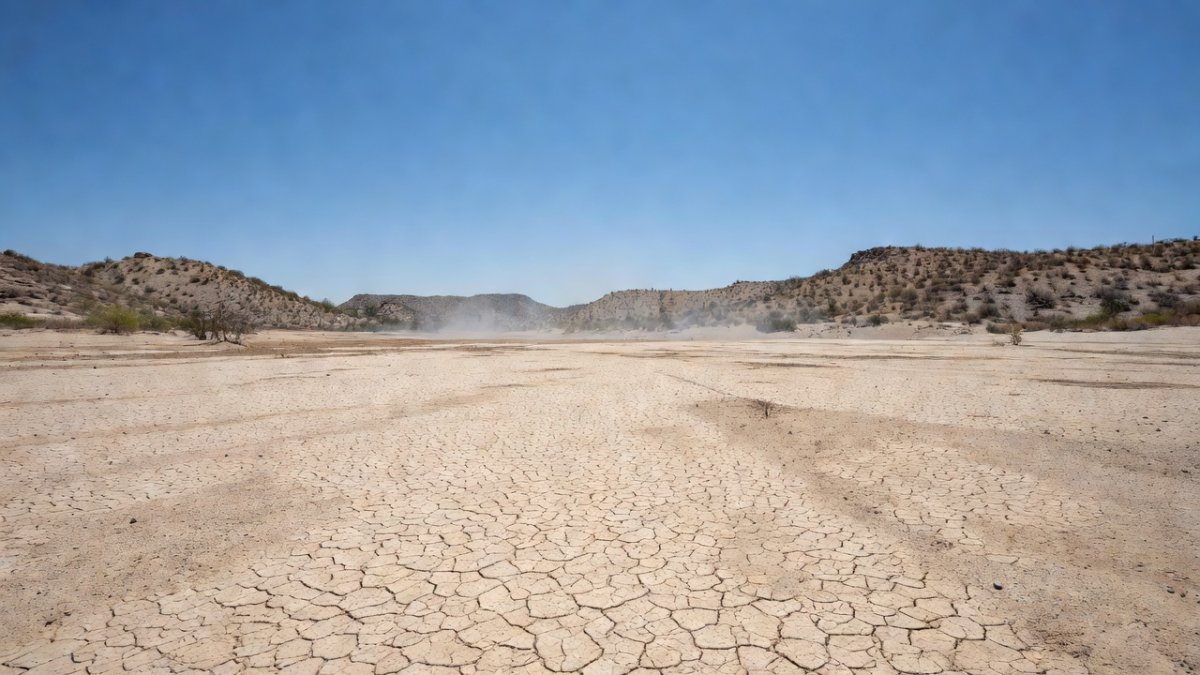
Deadly Sonora Heat Wave Expected to Intensify Over Next 3 Days
The northwestern border state of Sonora is bracing for what meteorologists are calling a dangerous intensification of an already deadly heat wave. According to Mexico's National Meteorological Service (SMN), temperatures are expected to exceed 40 degrees Celsius (104 degrees Fahrenheit) for the next three days, with highs reaching a blistering 47 degrees Celsius in municipalities across the northwest and central regions of the state.
As of Tuesday morning, the Sonora State Health Ministry has confirmed 22 deaths and 350 people sickened by heat-related illnesses since this prolonged heat event began more than six weeks ago. The cities of San Luis Rio Colorado, Caborca, and the state capital Hermosillo could experience highs between 43 and 47 degrees Celsius, making daily life increasingly perilous for the more than 2.9 million residents who call this desert state home.
This is not just another hot spell in a region accustomed to high temperatures. This is a public health emergency that is testing the resilience of Sonoran families, particularly those who work outdoors, live in informal housing, or lack access to reliable cooling. The heat wave has become a defining feature of the summer of 2026, and the coming days promise to be the most challenging yet.
Tags: Sonora heat wave, Mexico heat wave 2026, Hermosillo temperature, golpe de calor, Sonora health ministry, SMN forecast, border heat, climate Mexico, heatstroke symptoms, Sonora workers
The Forecast: Extreme Heat and Monsoon Rains
The SMN's latest bulletin paints a stark picture of what lies ahead. In Hermosillo, the state capital known as the "City of the Sun," the relative humidity hovers around 45 percent, creating a suffocating, sauna-like environment that prevents the body from cooling itself through perspiration. The ultraviolet radiation index is in the "extreme" category, ranging from 8 to 11, meaning that unprotected skin can burn in minutes and prolonged exposure poses serious health risks.
What makes this forecast particularly treacherous is the simultaneous presence of summer monsoon conditions. The State Civil Protection Coordination has announced that monsoons will continue to bring rainfall across much of Sonora on Tuesday, with moderate to heavy rain, lightning, and gusty winds expected in the mountainous regions of central and southern Sonora. However, officials are clear that these storms will not provide relief from the heat. In fact, the increased humidity from monsoon rains can make the heat feel even more oppressive, as the body's natural cooling mechanism becomes less effective in humid air.
For residents of the affected municipalities, this means a dangerous combination: extreme heat during the day, followed by violent thunderstorms in the afternoon and evening. The storms bring their own hazards, including flash flooding in low-lying colonias and the risk of lightning strikes in rural areas where many agricultural workers live and labor.
A Health Crisis Unfolding in Real Time
The human toll of this heat wave is being measured in the state's hospitals and clinics. The 22 confirmed deaths and 350 reported illnesses represent real families — abuelitos who collapsed while tending their gardens, jornaleros who worked too long under the midday sun, and children who played outside during the hottest hours. The Sonora State Health Ministry has been tracking these cases since the heat wave began, and the numbers continue to climb.
Health authorities are particularly concerned about the most vulnerable populations: older adults, young children, and those with pre-existing medical conditions such as diabetes, hypertension, and kidney disease. In many Sonoran communities, these individuals live in homes without air conditioning, relying on fans and open windows that offer little relief when nighttime temperatures remain above 30 degrees Celsius.
The main signs associated with heatstroke, known locally as golpe de calor, include severe headache, dizziness, confusion, nausea, very hot skin, and loss of consciousness. Health authorities have advised the public to seek immediate medical attention by calling 911 if these severe symptoms occur. The message is being repeated across radio stations, social media, and community loudspeakers in both Spanish and indigenous languages, reflecting the state's diverse population.
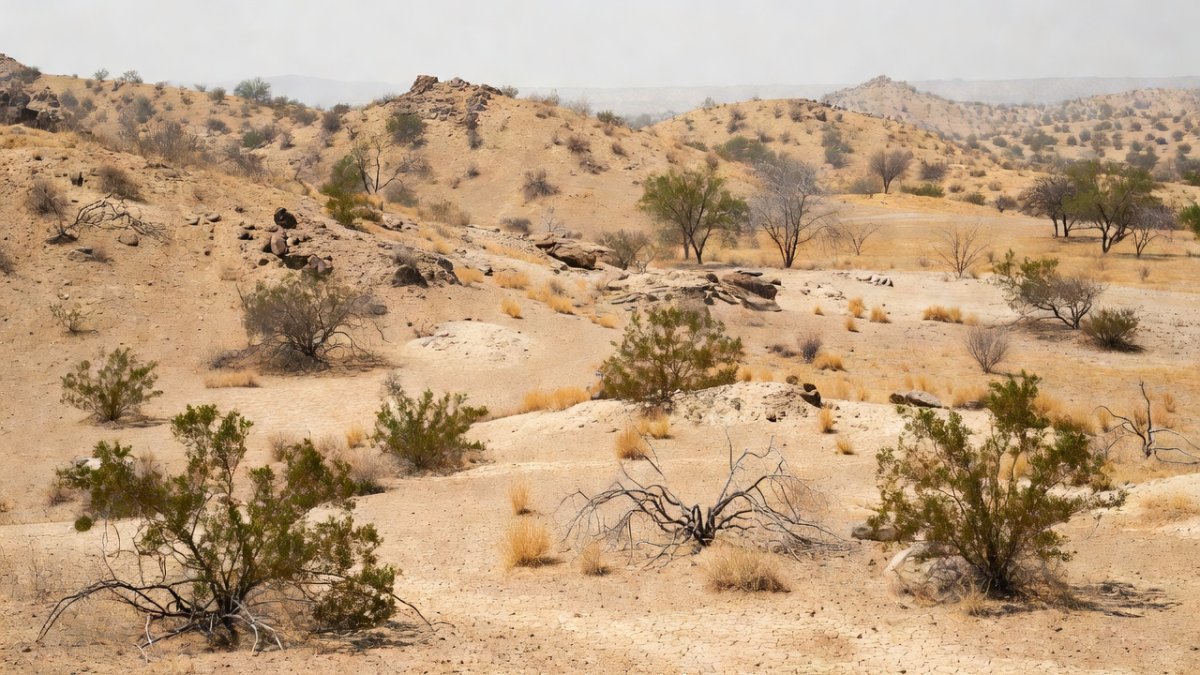
Protecting Workers on the Front Lines
The economic impact of this heat wave is being felt most acutely by Sonora's construction and agricultural workers, who have no choice but to work outdoors. The state government has issued warnings to employers, urging them to schedule breaks during the workday to allow workers to hydrate and reduce their exposure during peak sun hours. These recommendations, while sensible, are not always enforced, and many workers report feeling pressure to continue working despite the dangerous conditions.
In the agricultural valleys of Sonora, where crops like wheat and grapes are harvested, jornaleros often start their shifts before dawn to maximize productive hours before the heat becomes unbearable. But even these early starts are not enough when temperatures exceed 45 degrees Celsius by mid-morning. The state's Civil Protection Coordination has been working with farm owners to establish cooling stations and provide electrolyte drinks, but the scale of the challenge is immense.
For construction workers in Hermosillo and San Luis Rio Colorado, the situation is equally dire. Many are employed on large infrastructure projects, including the ongoing expansion of border crossing facilities and new housing developments. The heat not only threatens their health but also affects their productivity and income, as many are paid by the day and cannot afford to take time off.
Community Response and Cultural Resilience
In the face of this crisis, Sonoran communities are drawing on their traditions of solidarity and mutual support. In the colonias of Hermosillo, neighbors are checking on elderly residents, sharing fans and cool water, and opening their homes to those without electricity. In the rural ejidos, families are gathering in the shade of mesquite trees, sharing homemade aguas frescas made from watermelon, lime, and hibiscus — traditional remedies that provide both hydration and a sense of cultural continuity.
The heat wave has also revived memories of previous extreme weather events in Sonora's history. The state has long been one of Mexico's hottest regions, with summer temperatures regularly exceeding 40 degrees Celsius. But climate scientists and local observers note that the frequency and intensity of these heat waves are increasing, a trend that is reshaping how communities plan for the future.
Local authorities are encouraging the public to stay hydrated, wear light-colored, lightweight clothing with long sleeves, and use a hat or umbrella to protect themselves from the sun. People should avoid being outdoors during the hottest hours of the day, typically between 11 a.m. and 5 p.m. These recommendations, while simple, can mean the difference between life and death in the coming days.
Looking Ahead: A Region on the Front Lines of Climate Change
As Sonora prepares for the next three days of extreme heat, the broader implications of this event are becoming clear. The state's position on the U.S.-Mexico border makes it a critical point of connection between two nations, and the heat wave is affecting cross-border commerce, tourism, and daily life in cities like San Luis Rio Colorado, which shares a border with Arizona.
The SMN will continue to monitor conditions and issue updates, but the immediate focus is on survival. For the families of Sonora, the coming days will test their endurance, their resources, and their community bonds. The 22 lives already lost serve as a somber reminder of the stakes, and the 350 people who have fallen ill are a warning that this crisis is far from over.
In the meantime, the people of Sonora are doing what they have always done: adapting, supporting one another, and finding ways to endure. From the taquerias of Hermosillo to the agricultural fields of Caborca, the message is the same — stay hydrated, stay indoors during peak hours, and look out for your neighbors. The heat will eventually break, but the resilience of Sonoran communities will endure long after the temperatures return to normal.
This article was produced with AI-assisted research and editorial support. Sources: Mexico News Daily, La Jornada, El Sol de México.
By Rosa Martinez, Staff Writer
What's Your Reaction?
 Like
0
Like
0
 Dislike
0
Dislike
0
 Love
0
Love
0
 Funny
0
Funny
0
 Wow
0
Wow
0
 Sad
0
Sad
0
 Angry
0
Angry
0

Latin America/Andes Correspondent at Global1.News. Based in Bogota, covering politics, environment, energy, and social movements across the Andean region. Passionate about environmental journalism and communities protecting their land.












Comments (0)