
Climate Finance Crisis Threatens Latin America's Future
The global climate finance system is collapsing under the weight of broken promises and political retreat, leaving Latin America to confront escalating disasters with dwindling support. Developed nations grew rich through fossil fuels yet now slash aid as floods, droughts, and hurricanes ravage the region. This failure demands urgent reckoning before COP31. Climate Finance Crisis Deepens as Lat...
The global climate finance system is collapsing under the weight of broken promises and political retreat, leaving Latin America to confront escalating disasters with dwindling support. Developed nations grew rich through fossil fuels yet now slash aid as floods, droughts, and hurricanes ravage the region. This failure demands urgent reckoning before COP31.
Climate Finance Crisis Deepens as Latin America Faces Mounting Losses from Broken Global Pledges
Brasilia, Brazil - August 4, 2026 — As the 2026 Atlantic hurricane season unfolds and Amazon communities grapple with lingering drought effects, the widening climate finance gap threatens to undo years of fragile progress across Latin America. Rich countries that built their wealth on fossil fuels are retreating from commitments, forcing poorer nations to shoulder recovery costs alone.
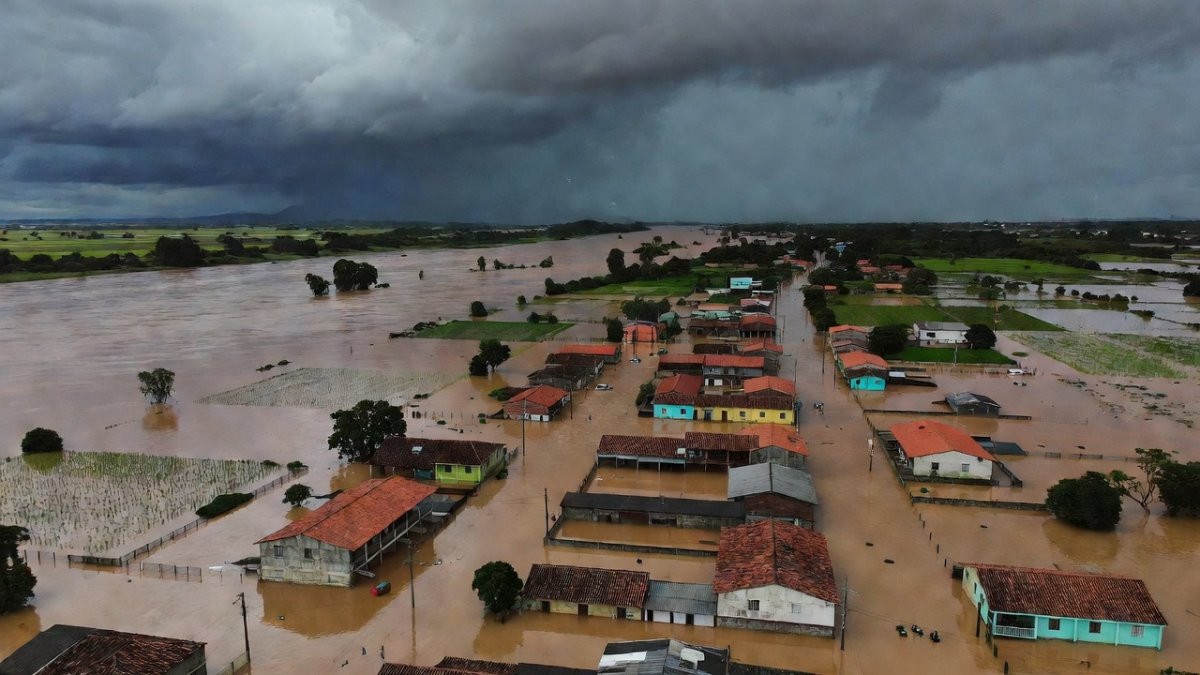
The Rich Polluted, the Poor Pay — Climate Finance Is Failing
The injustice at the heart of the climate crisis has never been clearer. Developed nations industrialized through unchecked fossil fuel emissions, yet today they hesitate to fund adaptation in the very regions suffering the worst consequences. Al Jazeera English's July 19, 2026 episode of Counting the Cost laid bare this divide, noting that poorer countries now spend billions annually recovering from floods and droughts while needing at least $2 trillion every year to respond and adapt effectively. Latin American family farmers watch their crops fail under erratic rains, Caribbean islanders rebuild after storms like Hurricane Melissa, which devastated Jamaica and Cuba in late 2025. The emissions disparity compounds the pain: the region contributes only 8-10 percent of global greenhouse gases but endures disproportionate impacts including Amazon drought, Andean glacier retreat, and coastal erosion. Without scaled public finance, these communities face repeated cycles of loss. The 17th Petersberg Climate Dialogue in Berlin highlighted the urgency of operationalizing adaptation components before COP31 in Antalya, Türkiye, yet donor fatigue grows. This is not charity but repayment for historical emissions that enabled wealth elsewhere. Latin America's vulnerability demands immediate action rather than further delays that condemn entire generations to preventable suffering.
The World Bank Walks Back Its Climate Promise
On June 30, 2026, the World Bank Board of Directors dropped its target of directing 45 percent of investments toward climate mitigation and adaptation, extending the Climate Change Action Plan while agreeing only to a future review. This retreat came at the explicit demand of the current US administration along with Russia and Saudi Arabia, overriding a coalition of nearly 100 developing countries that had pushed for sustained commitments. WRI Global Director for Climate Melanie Robinson called the move unfortunate, stating that a small number of shareholders had succeeded in weakening the framework by eliminating its target. For Latin America, the decision signals reduced access to concessional resources critical for coastal defenses in Central America and coral reef protection across the Caribbean. The bank's shift undermines trust built over years of negotiations and leaves emerging markets without reliable partners. Family farmers in drought-prone Andean regions and small-island states already stretched thin now confront even steeper barriers to funding. This political maneuver prioritizes short-term interests over long-term stability, ignoring how climate impacts cross borders and economies. The erosion of the 45 percent goal represents more than a policy tweak; it is a direct blow to frontline nations counting on multilateral institutions to bridge the adaptation gap.
The $2 Trillion Gap: Promises vs Reality
At COP29, wealthy nations pledged just $300 billion annually in public climate finance by 2035, a figure widely denounced as disappointing and insufficient by developing countries that had demanded at least $1.3 trillion in public resources. The full $1.3 trillion target now hinges on contested private finance mobilization that remains unreliable. UN DESA estimates annual adaptation finance needs for developing countries at $215-387 billion through 2030, while emerging markets and developing countries excluding China require approximately $2.4 trillion yearly by the same deadline. The gap between these figures and actual flows continues to widen as major donors cut aid. The Caribbean and Central America depend heavily on such finance for hurricane recovery, yet replenishment lags. This shortfall forces governments to divert domestic budgets from health and education toward disaster response. Latin American negotiators at the 17th Petersberg Climate Dialogue pressed for concrete operationalization of the new collective quantified goal's adaptation component ahead of COP31, but progress remains slow. Without bridging this chasm, vulnerable populations will continue absorbing costs that should be shared globally. The numbers reveal a system designed more for optics than delivery.
What This Means for Latin America
Latin America stands at the sharp edge of the finance crisis despite its modest emissions footprint. Amazon drought intensifies food insecurity for rural communities, while retreating glaciers threaten water supplies for millions in the Andes. Coastal erosion accelerates in Brazil and Colombia, and Central American nations rebuild repeatedly from storms. The Caribbean small-island states remain among the world's most climate-vulnerable, relying on external support for coastal defenses and reef restoration that protect both livelihoods and biodiversity. Hurricane Melissa's 2025 destruction of Jamaican infrastructure underscored how quickly recovery needs outpace available resources. US State Department restoration of some global health aid to UNICEF, Gavi, and the World Bank on August 2, 2026, offers limited relief still far below prior humanitarian levels. Family farmers across the region face compounding risks without dedicated adaptation streams. These impacts are not abstract; they erode cultural heritage, displace populations, and strain already fragile economies. The region's 8-10 percent emissions share contrasts sharply with the outsized burden it carries, highlighting the moral failure of current finance architecture. Sustained support could transform resilience, yet political retreats threaten to lock in greater losses.
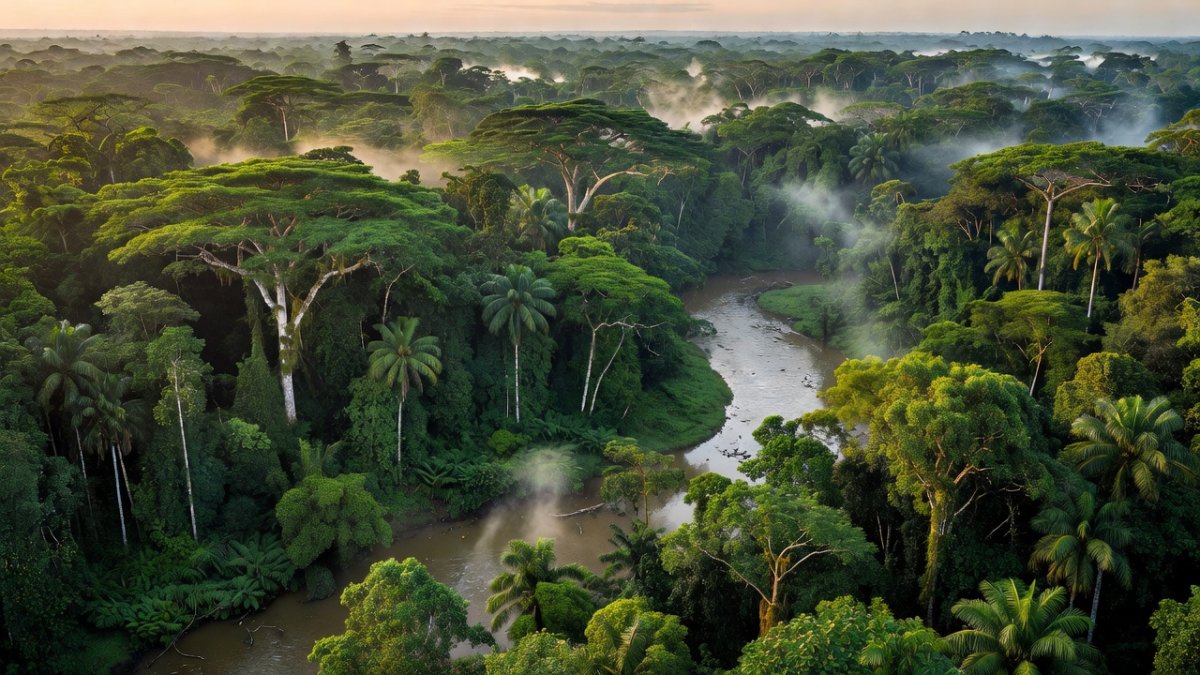
The Amazon's Fragile Progress Depends on Funding
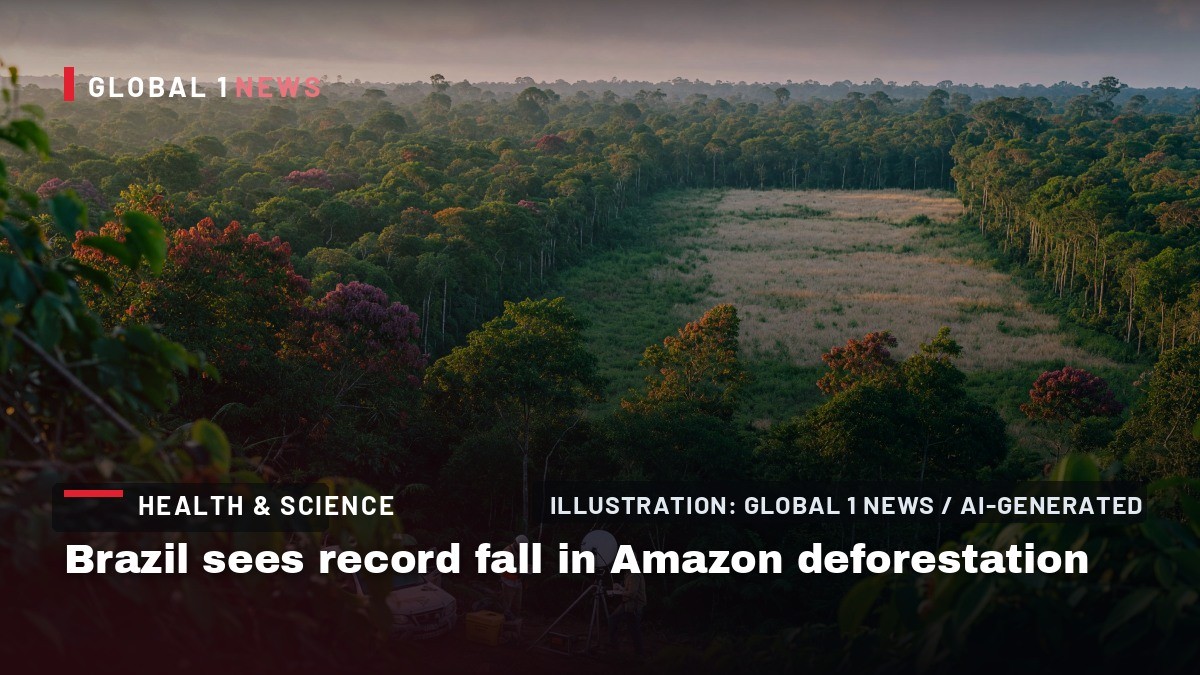
INPE DETER alerts recorded 1,325 square kilometers of forest clearing in the Brazilian Amazon during early 2026, marking continued improvement and the lowest deforestation levels since 2014. This progress stems partly from renewed international backing for the Amazon Fund managed by BNDES, with Germany and Norway re-endorsing contributions. BNDES is now selecting climate funds including Brookfield's Catalytic Transition Fund Brazil, offering up to R$1 billion, and Mombak's Amazon Reforestation Fund II, providing up to R$500 million, to scale nature-based solutions. Amazon communities that have stewarded these forests for generations see their efforts validated when finance flows reliably. Yet these gains remain precarious without predictable resources to support monitoring, enforcement, and alternative livelihoods for local populations. Family farmers transitioning to sustainable practices depend on such mechanisms to resist pressures from illegal logging and agriculture expansion. The Amazon's role in global climate regulation makes its protection a shared responsibility, but donor fatigue risks reversing recent declines. Continued investment through the Amazon Fund and complementary vehicles can secure biodiversity corridors and carbon sinks, delivering benefits far beyond Brazil's borders. Without it, deforestation could rebound, amplifying regional droughts and global emissions alike.
Loss and Damage: A Fund That Cannot Keep Up
The Loss and Damage Fund, agreed at COP27 in 2022 and operationalized in 2023, confronts a $2 billion deficit even before major disbursements to frontline countries. Latin American nations have requested $611.6 million from the fund, while Asia-Pacific countries sought $751.1 million, illustrating the scale of unmet needs. The fund's executive on June 25, 2026, assured that money is coming, yet frustration mounts among recipients awaiting concrete support for recovery from events like Hurricane Melissa. Caribbean islanders and Central American communities rebuilding homes and infrastructure cannot wait indefinitely. This shortfall exposes the gap between rhetorical commitments and actual delivery, leaving vulnerable populations to finance their own survival through debt or diverted budgets. The fund was meant to address irreversible losses from climate impacts that adaptation alone cannot prevent, yet slow capitalization undermines its purpose. For Latin America, where extreme weather increasingly disrupts agriculture and tourism, timely payouts could mean the difference between recovery and prolonged crisis. Political will must translate into rapid capitalization if the mechanism is to fulfill its mandate before COP31.
The Bottom Line — COP31 and the Fight for Justice
COP31 in Antalya, Türkiye, this November offers a critical test for the international community to reverse the retreat on climate finance. Latin American voices will demand full public resources under the NCQG rather than reliance on uncertain private flows. The 17th Petersberg Climate Dialogue already framed adaptation as non-negotiable, yet donor countries must match words with scaled contributions. Brazil's Amazon successes demonstrate what targeted finance can achieve when paired with national leadership. Caribbean states require dedicated streams for resilience infrastructure that protects both people and ecosystems. Without addressing the $2 trillion annual need and the specific $2.4 trillion requirement for emerging economies, the region faces escalating losses that ripple globally. Family farmers, indigenous communities, and island residents have endured enough broken promises. Justice requires wealthy nations to honor historical responsibility through predictable, grant-based support rather than loans that deepen debt. The coming months will reveal whether COP31 delivers transformation or merely more delay. Latin America stands ready to lead, but it cannot do so alone.
By Elena Vasquez, Staff Writer
This article was produced with AI-assisted research and editorial support. Reporting is based on sources cited in the article.
What's Your Reaction?
 Like
0
Like
0
 Dislike
0
Dislike
0
 Love
0
Love
0
 Funny
0
Funny
0
 Wow
0
Wow
0
 Sad
0
Sad
0
 Angry
0
Angry
0

Latin America Correspondent at Global1.News. Based in Mexico City, covering politics, economics, energy, and culture across the region. Brings an on-the-ground perspective to stories spanning from the Rio Grande to Patagonia.












Comments (0)