
Cape Town's Ballet Showdown: 115 Young Dancers Compete at Africa's Only International Ballet Stage
For six days in early August, Cape Town's Artscape theatre becomes the beating heart of African classical dance as 115 young dancers from South Africa and across the world compete at the 13th South African International Ballet Competition.
For six days in early August, Cape Town's Artscape theatre becomes the beating heart of African classical dance as 115 young dancers from South Africa and across the world compete at the 13th South African International Ballet Competition. This is the only international ballet competition on the African continent, and this year's edition carries a message that reaches far beyond the medals: a South African ballet determined to become more inclusive, and give young talent a real chance to turn passion into career.
Cape Town's Ballet Showdown: 115 Young Dancers Compete at Africa's Only International Ballet Stage
Cape Town, South Africa — The 13th South African International Ballet Competition opened at the Artscape Opera House on 4 August 2026, gathering 115 promising dancers from South Africa and abroad for three days of semi-finals, finals and celebration. Behind the glittering tutus and gravity-defying grand jetés is a deeper ambition: to make ballet on the continent more inclusive, more African, and more open to young dancers whose talent has too often gone unseen.
Africa's Only International Ballet Stage
The 13th South African International Ballet Competition stands as the sole international ballet competition of its kind on the African continent. Founded by Dirk Badenhorst, Artistic Director of Mzansi Ballet, the event has grown steadily since its early editions at the Artscape Opera House in Cape Town. Dancers now arrive from multiple continents to test their skills on this African stage.
Its acceptance into the International Federation of Ballet Competitions came after the stature and calibre of its jury and competitors reached international levels. This membership places the SAIBC alongside major events in Europe and Asia. Young dancers from the continent no longer need to travel abroad first to gain recognition.
The competition draws direct comparisons to established platforms such as the Youth America Grand Prix and the Prix de Lausanne. Yet it remains rooted in Cape Town, where the Artscape Opera House hosts every round. This location allows families from across South Africa to attend without crossing oceans.
For African audiences the significance runs deeper than medals. The platform shows that classical dance can thrive when supported by local institutions and regional networks. It also connects ballet to the broader creative communities that already celebrate music and film festivals across the continent.
Dirk Badenhorst has watched the event expand from a national showcase into a recognised gateway for talent. Each year the number of entrants from outside South Africa increases, proving the draw of an African-based competition. The growth reflects a wider shift in how the continent approaches classical training.
The presence of this single international stage in Cape Town matters for dancers who train in places like Johannesburg or Durban. It offers them a clear path to global visibility without leaving home soil first. That proximity changes the conversation about who belongs in ballet.
115 Dancers, Three Divisions, One Stage
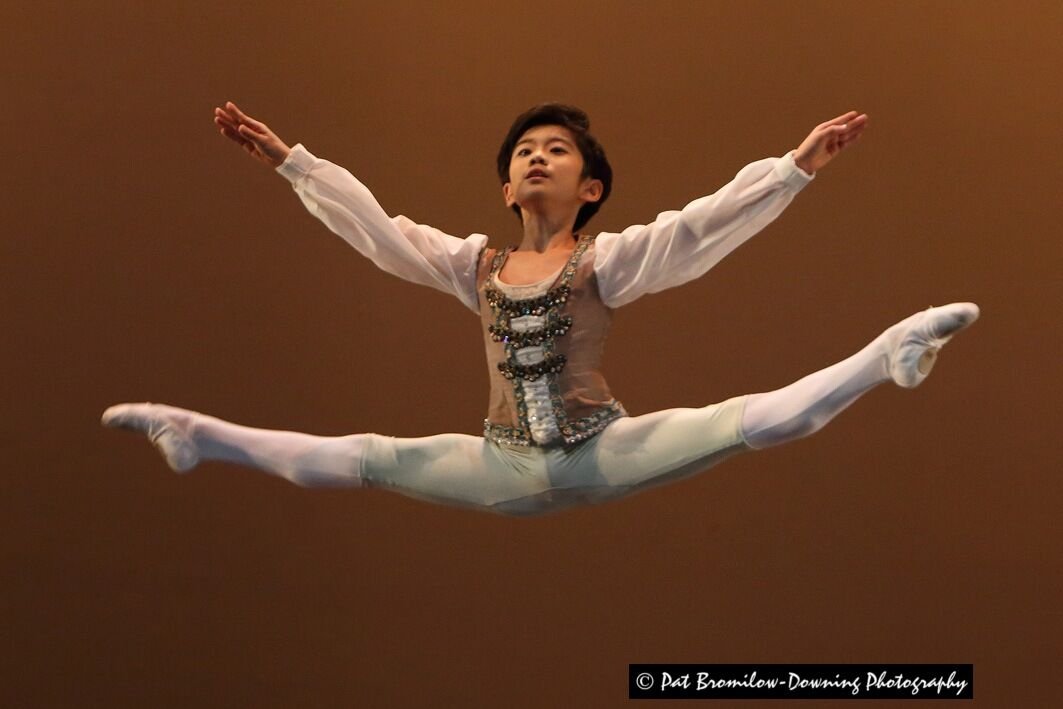
One hundred and fifteen dancers from South Africa and abroad, including Russia and the United Kingdom, fill the three age divisions at the 13th South African International Ballet Competition. The Scholar division covers ages 9 to 12, the Junior division spans 13 to 16, and the Senior division runs from 17 to 22. Each group performs across Classical Ballet, Contemporary, Choreographic and Ensemble categories.
Competitors reach the Artscape Opera House only after succeeding at inter-provincial Regionals, including the Johannesburg Regional. The path ensures that talent from every province has a chance to advance. Standards have risen noticeably with each passing year.
Standout names include 2025 gold medalist Greisell Lastre Casuso, 18, from Cuba, who returns to defend her title. Bolshoi Ballet Academy graduate Luna Helm, 20, brings her training to the Senior division. Jayden Samuels, 16, from Johannesburg, represents the next wave of local promise in the Junior category.
The four categories test different skills. Classical Ballet demands precision in technique, while Contemporary allows personal expression. Choreographic and Ensemble sections highlight creativity and group work. Dancers must excel in more than one area to reach the podium.
Regionals feed directly into the Cape Town Semi-Finals and Finals held this week. The structure keeps the competition accessible to dancers who cannot afford international travel. It also builds a national network of teachers and studios.
Observers note that the quality of entries continues to climb. This improvement comes from better access to coaching and more frequent regional events. The result is a deeper pool of dancers ready for professional stages.
A World-Class Jury Behind the Scores
The international adjudication panel features Kazakhstan-born Sergey Usanov, a respected ballet teacher, coach and adjudicator. Australian Callum Hastie serves as Ballet Master of the Youth Company at the Vienna State Opera Ballet Academy after dancing in South Africa, Australia and Germany. Kate Coyne of the United Kingdom acts as Artistic Director and Professional Training Lead at London's Central School of Ballet.
American Lorelei Bair brings her experience as an acclaimed ballet teacher and mentor of young dancers. Belarusian Igor Kolb, former Principal Dancer of the Mariinsky Ballet, adds the perspective of a world-renowned company. Ariel Mejic contributes as an international ballet teacher and adjudicator, while South African Thoriso Magongwa, an internationally acclaimed dancer, choreographer and ballet master with a career spanning more than two decades, represents the host nation.
This jury's combined credentials secured the SAIBC's membership in the International Federation of Ballet Competitions. The federation recognises events that maintain rigorous standards and attract top-level adjudicators. The panel's presence signals that African ballet now operates at the same level as older competitions elsewhere.
Thoriso Magongwa's participation carries special weight for local dancers. His two-decade career shows a clear route from South African studios to international stages. Young competitors see their own possible futures reflected in his presence.
Callum Hastie's background in Vienna and earlier work in South Africa bridges European and African training methods. His scores often highlight technical details that prepare dancers for company life. Kate Coyne's role at the Central School of Ballet similarly connects Cape Town to established London pathways.
The diversity of the panel ensures balanced assessment across styles. Dancers receive feedback that covers both classical foundations and contemporary innovation. That balance supports the competition's goal of developing well-rounded artists.
Dirk Badenhorst and the Mzansi Ballet Vision
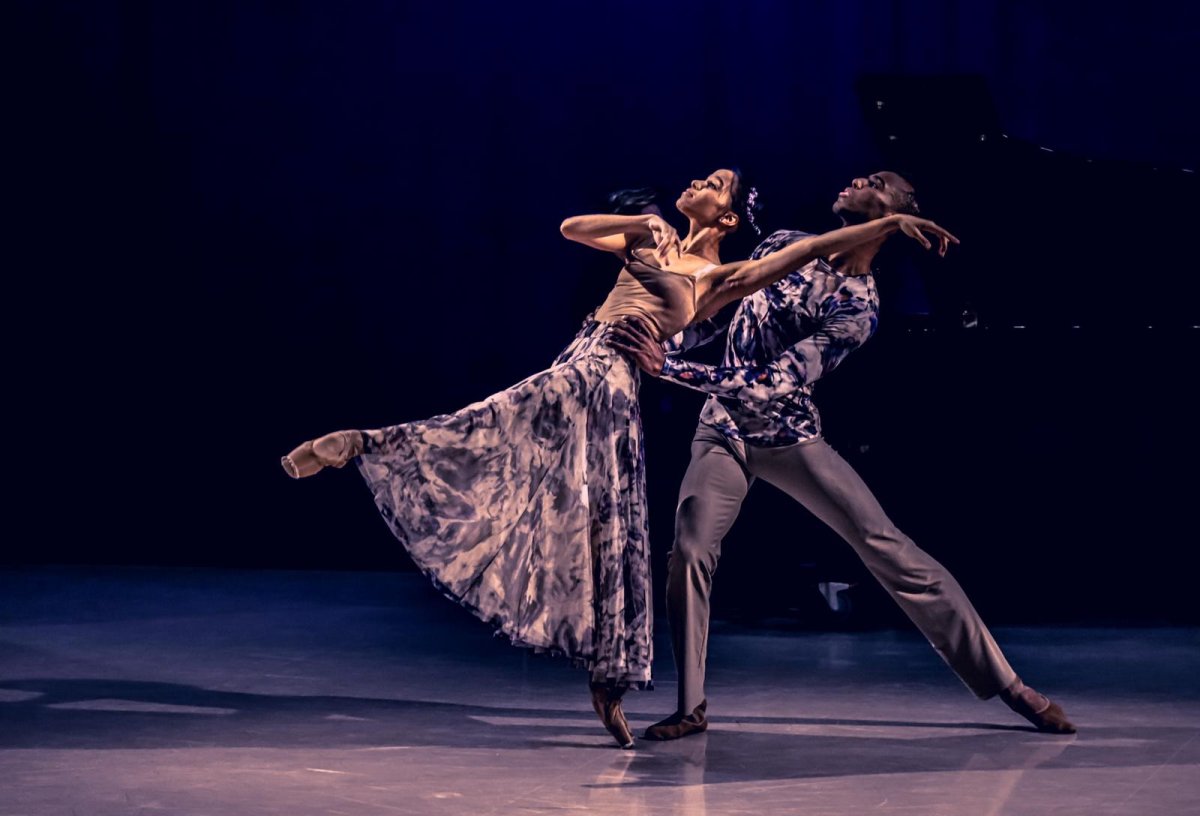
Dirk Badenhorst founded Mzansi Ballet in 2017 to identify and cultivate young South African talent. The company runs development programmes in townships of Gauteng, proving that talent is talent no matter where it comes from. These programmes reach dancers who might otherwise lack formal training.
Badenhorst has reshaped South African ballet by weaving African narratives into classical works. His approach honours the continent's dance heritage while meeting international technical demands. The result is choreography that feels both rooted and forward-looking.
He has stated that the standard of entries continues to grow every year, and he is delighted to welcome such an outstanding group of young dancers to Cape Town. The comment reflects the steady improvement he has witnessed since the competition began. It also signals confidence in the next generation.
Badenhorst often repeats that the SAIBC is about inspiring one another, building friendships, celebrating excellence and creating opportunities for the next generation of ballet artists. The words capture the event's emphasis on community over pure competition. They echo the Senegalese tradition of collective celebration in the arts.
The connection between the competition and South Africa's dance heritage runs through every rehearsal. Dancers draw on movement vocabularies from across the continent while mastering pointe work and grand jetés. This blend keeps ballet alive and relevant for local audiences.
Mzansi Ballet's township programmes feed directly into the SAIBC pipeline. Graduates of those classes now appear in the Scholar and Junior divisions. The link demonstrates how sustained investment in grassroots training produces measurable results on the international stage.
Beyond the Medals: Ballet for a New Generation
A video message from africanews emphasises that beyond the medals this competition carries a message of a South African ballet that wants to become more inclusive and offer young talents a chance to transform their passion into a career. The statement aligns with efforts across the continent to open classical forms to wider communities.
Representation in classical dance matters because young African dancers still face barriers in access to training, funding and exposure. Many talented students train in under-resourced studios far from major cities. The SAIBC removes one of those barriers by bringing the stage to them.
Competitions like the SAIBC create concrete career opportunities and international exposure. Winners often receive invitations to summer intensives or company auditions abroad. Those connections can turn a single performance into a lifelong profession.
The City of Cape Town supports the event through Mayco Member JP Smith. His involvement reflects municipal commitment to the performing arts. Public investment of this kind strengthens the entire ecosystem of dance companies and schools.
JP Smith has noted that by investing in the arts, we are investing in our people, creating opportunities for our youth. The remark places ballet within broader development goals. It echoes similar policies in Dakar and other African capitals that link culture to youth employment.
Across the continent, governments and cities are learning that sustained funding for dance yields social returns. The SAIBC model shows how one well-supported event can lift an entire generation of artists. That lesson travels well beyond Cape Town's borders.
The Gala and the Future of African Ballet
The spectacular Gala Performance on 6 August showcases the 2026 winners alongside acclaimed professional dancers from South Africa and abroad. Audiences can attend elimination rounds on 4 August at 6pm, 5 August at 2pm and 6pm, and finals on 6 August at 10am. Tickets start at R150 with concessions, while the Gala costs R285 per person.
Bookings are available through Webtickets or the Artscape Box Office on 021 421 7695. The pricing keeps the event within reach of families and students. Full houses at every session demonstrate strong local interest in classical dance.
The growing global reputation of the SAIBC appears in the rising number of international participants. Dancers from Russia and the United Kingdom now share the stage with South Africans. This mix enriches the experience for everyone involved.
What this means for the future of classical and contemporary dance in Africa is a wider stage and stronger networks. Parallels exist with festivals such as the Dakar Biennale and the Dance Umbrella in Johannesburg, where African forms meet global audiences. The SAIBC adds ballet to that expanding map.
The message for African audiences is that the continent's dance future is bright. A new generation of young artists is preparing to take centre stage. Their training combines rigorous classical technique with the expressive power of African movement traditions.
Public and private support for such events builds cultural infrastructure that lasts. Each medal awarded in Cape Town this week represents not only individual achievement but also collective progress. The continent's ballet story continues to unfold in real time.
What to Watch For
The finals take place on 6 August at 10am, followed by the Gala at 7pm the same evening. Winners will follow in the footsteps of past SAIBC champions who now dance with companies across Europe and North America. Their success stories inspire the current cohort.
Young African dancers can enter future editions by first competing at the inter-provincial Regionals. The structure remains open to newcomers from every province. Early registration through Mzansi Ballet channels gives studios time to prepare.
The continued growth of Mzansi Ballet and its township development programmes in Gauteng ensures a steady supply of prepared dancers. These programmes adapt classical technique to local realities. They also preserve space for dancers to bring their own cultural movement languages into the studio.
African ballet can draw inspiration from the continent's rich dance traditions without abandoning classical foundations. The fusion already visible in Mzansi Ballet productions points the way forward. It creates work that resonates with audiences from Dakar to Cape Town.
The forward-looking message is that South Africa's dance future is bright. The 13th South African International Ballet Competition proves that world-class training and performance can happen on African soil. The next generation stands ready to claim that future.
Observers will note how the 2026 cohort builds on the achievements of Greisell Lastre Casuso, Luna Helm and Jayden Samuels. Their performances set benchmarks that others will chase. The cycle of inspiration and excellence continues.
By Amara Diop, Staff Writer
This article was produced with AI-assisted research and editorial support. Reporting is based on sources cited in the article.
What's Your Reaction?
 Like
0
Like
0
 Dislike
0
Dislike
0
 Love
0
Love
0
 Funny
0
Funny
0
 Wow
0
Wow
0
 Sad
0
Sad
0
 Angry
0
Angry
0

West Africa/Sahel Correspondent at Global1.News. Dakar-based journalist covering politics, security, climate, and development across Francophone and Anglophone West Africa. Tells the stories of a region undergoing profound transformation.











Comments (0)