
Canadian Premiers Back Carney's Abandonment of US Trade Deal
Premiers Rally Behind Carney as Trade Talks Collapse and 50 Per Cent Tariffs Hit Canadian Goods Canada's premiers are lining up behind Prime Minister Mark Carney's decision to walk away from trade negotiations with the United States, as 50 per cent tariffs on billions of dollars in Canadian products came into force on Saturday.
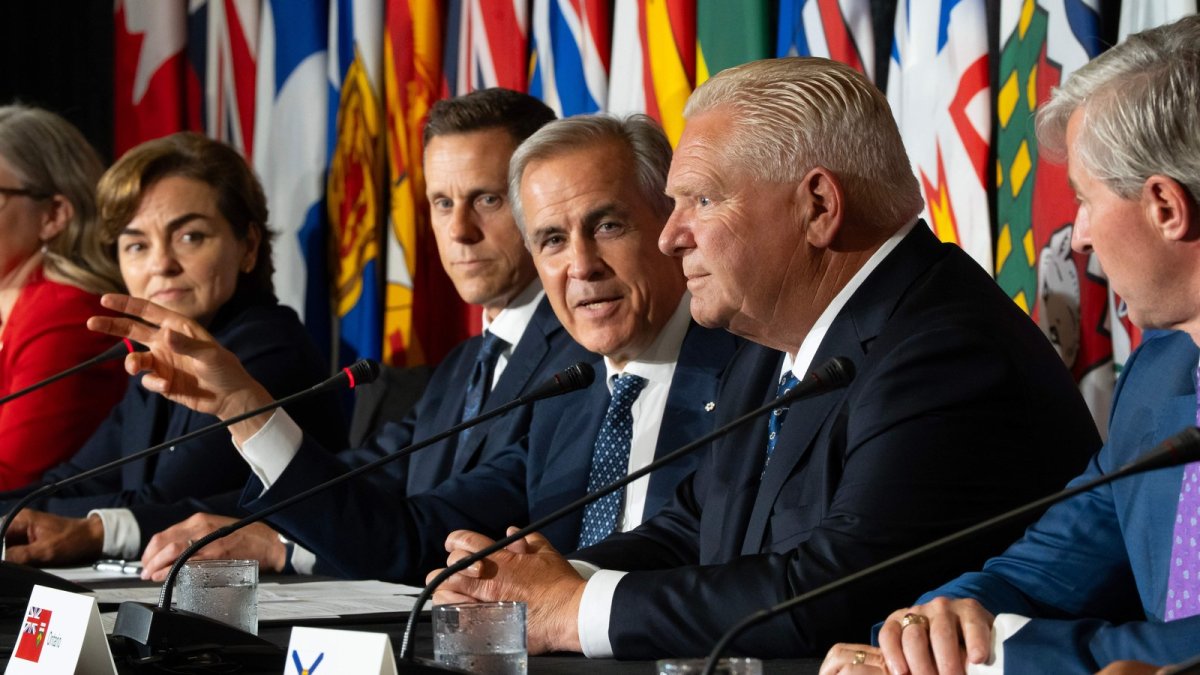
Premiers Rally Behind Carney as Trade Talks Collapse and 50 Per Cent Tariffs Hit Canadian Goods
Canada's premiers are lining up behind Prime Minister Mark Carney's decision to walk away from trade negotiations with the United States, as 50 per cent tariffs on billions of dollars in Canadian products came into force on Saturday. The collapse of the talks marks a dramatic escalation in the trade dispute between the two countries, with Ottawa vowing to retaliate dollar for dollar beginning September 8.
In a televised address to Canadians on Saturday morning, Carney said the United States had asked "too much, offered too little" in the negotiations, and confirmed he had ordered Canada's negotiators home. The prime minister described the situation as a trade war, promising that Canada would not back down in the face of American pressure.
The Collapse of the Talks: A Friday Night Breakdown
Hope had been percolating earlier in the week that a deal could be reached between Canada and the United States, with negotiators on both sides reportedly making progress on key sticking points. But those hopes were dashed late Friday night when talks stalled and ultimately collapsed, according to sources familiar with the negotiations.
Carney briefed the premiers on Saturday afternoon, laying out the details of the abandoned deal and the tariff relief that had been on the table. The prime minister's decision to suspend negotiations and recall Ottawa's negotiators signals a hardening of Canada's position after months of uncertainty and back-and-forth with the Trump administration.
The breakdown came as a surprise to many observers who had expected a last-minute compromise. Instead, the United States moved forward with its threat, imposing 50 per cent tariffs on approximately US$20 billion worth of Canadian products on Saturday. The tariffs are hitting a wide range of goods, from steel and aluminium to agricultural products and manufactured goods, with significant implications for Canadian workers and businesses.
President Donald Trump hit out at Canada over the retaliatory tariff plan, suggesting the dispute is far from over. The collapse of the talks represents a significant failure of diplomacy between the two neighbours, who have historically maintained one of the world's most integrated trading relationships.
The Premiers Rally: United Front Emerges
Following Carney's briefing, premiers across the country moved quickly to express their support for the prime minister's hardline stance. Ontario Premier Doug Ford, whose province is home to the bulk of Canada's auto and manufacturing sectors, was unequivocal in his endorsement.
"I've always said we need to fight these tariffs. Tariff to tariff, dollar to dollar," Ford told reporters in Toronto. "I'm glad he didn't sign that deal because it was a bad deal. It was a bad deal for Ontario. It was a bad deal for the auto sector, the steel sector and the manufacturing sector. We never started this fight, but I can assure you, we're going to win this fight."
Ford's comments reflect a broader sentiment among provincial leaders that Canada cannot afford to capitulate to American demands, particularly when key industries and jobs are at stake. The premier's reference to winning the fight underscores the determination of Canadian leaders to stand firm against what they view as unreasonable pressure from Washington.
Manitoba Premier Wab Kinew took an even harder line, suggesting that history would judge the American president harshly. "History will not be kind to Donald Trump, so we should never appease him," Kinew said. "We should fight back, which is what Canada's doing today." Kinew's remarks signal that western Canadian premiers are equally committed to a robust response, despite the potential economic consequences for their provinces.
Nova Scotia Premier Tim Houston echoed the sentiment, offering his full support to the prime minister. "I continue to stand ready to support and work with the prime minister," Houston said. "It's clear that we cannot trust or rely on the United States as we once did. This reality must make us more determined than ever to make Nova Scotia and Canada stronger."
The premiers of New Brunswick, British Columbia and Saskatchewan also offered their support, presenting a united front from coast to coast. This display of federal-provincial solidarity is notable, given the often-fractious nature of Canadian political relations, and suggests that the trade dispute has galvanised national unity in the face of external pressure.
What the Tariffs Mean for Canadians
The 50 per cent tariffs are expected to have significant consequences for Canadian industries and workers. The auto sector, which is deeply integrated across the Canada-U.S. border, is particularly vulnerable. Parts and vehicles cross the border multiple times during the manufacturing process, meaning tariffs could disrupt supply chains and lead to production slowdowns or job losses.
Ontario's steel and manufacturing sectors are also in the crosshairs, with Ford warning that the deal Carney rejected would have been detrimental to these industries. The premier's insistence that the abandoned agreement was bad for Ontario suggests that the terms on the table would have required significant concessions from Canadian provinces without adequate compensation.
For Canadian consumers, the tariffs could translate into higher prices on a range of goods, as businesses pass on increased costs. The cost-of-living impact comes at a time when many Canadian families are already feeling financial pressure, adding another layer of concern to the trade dispute.
Provincial economies across the country will feel the effects differently. Manufacturing-heavy provinces like Ontario and Quebec are likely to bear the brunt of the auto and steel tariffs, while resource-dependent provinces such as Alberta and Saskatchewan may face challenges in other sectors. The premiers' united front suggests they recognise the need for a coordinated national response, even as the impacts vary by region.
The federal government has indicated it is prepared to support affected workers and industries, though specific details of any assistance programmes have not yet been announced. The coming weeks will be critical in determining how effectively Canada can mitigate the economic damage while maintaining its principled stance.
The Path Ahead: September 8 Retaliation and Beyond
Canada's retaliatory tariffs, including on U.S. steel, are set to take effect starting September 8, 2026. Carney has vowed to match the American tariffs "dollar for dollar," a commitment that signals Canada's determination to respond in kind to the U.S. action.
The September 8 date gives Canadian businesses and provinces a brief window to prepare for the next phase of the trade war. It also provides an opportunity for diplomatic efforts to resume, though the collapse of the talks and the imposition of tariffs suggest that both sides are digging in for a prolonged dispute.
Carney's description of Canada being "at war" over trade is a striking choice of words, reflecting the seriousness with which his government views the situation. The prime minister's televised address on Saturday morning was designed to rally public support and prepare Canadians for the economic challenges ahead.
The coming weeks will test the durability of the federal-provincial consensus. While premiers have rallied behind Carney for now, sustained economic pain could strain that unity. The premiers' council, which has been meeting regularly throughout the dispute, will likely play a key role in coordinating Canada's response and ensuring that provincial concerns are addressed.
There are also questions about what happens next in the broader Canada-U.S. relationship. The two countries share the world's largest bilateral trading relationship, and a prolonged trade war could have lasting consequences for both economies. The historical pattern of Canada-U.S. trade disputes suggests that eventual resolution is likely, but the path to that resolution may be rocky.
Analysis: A Defining Moment for Canadian Sovereignty
The collapse of the trade talks and the premiers' unified response represent a defining moment in Canada's relationship with the United States. The decision to walk away from negotiations, rather than accept terms deemed unfavourable, signals a shift in how Canada approaches its most important bilateral relationship.
Carney's willingness to abandon the deal, despite the economic risks, suggests that his government is prioritising long-term sovereignty and economic independence over short-term stability. The premiers' support for this position, even from provinces that may face significant economic hardship, indicates a recognition that the stakes go beyond immediate financial concerns.
The trade dispute also has implications for Canada's broader international positioning. By standing firm against the United States, Canada is signalling to other trading partners that it will not be bullied into unfavourable agreements. This could strengthen Canada's hand in future negotiations with other countries, even as it complicates relations with Washington.
For Canadian workers and families, the coming months will be challenging. The tariffs will likely lead to job losses in affected sectors and higher prices for consumers. The federal government's response, including any support programmes for affected industries, will be closely watched.
The September 8 retaliation date looms as the next milestone in this escalating dispute. Whether it leads to a renewed round of negotiations or further escalation remains to be seen. What is clear is that Canada's premiers and the federal government are presenting a united front, determined to defend Canadian interests in the face of unprecedented pressure from the United States.
The coming weeks will reveal whether this unity can be maintained and whether Canada's strategy of firm resistance will ultimately succeed in securing a better deal. For now, Canadians are bracing for the economic impact of a trade war that neither country wanted but neither seems willing to back away from.
Tags: Canadian premiers, Mark Carney, US trade deal, tariffs, trade war, retaliation, Doug Ford, Canada-US relations
By Alex Thompson, Staff Writer
This article was produced with AI-assisted research and editorial support. Reporting is based on sources cited in the article.
What's Your Reaction?
 Like
0
Like
0
 Dislike
0
Dislike
0
 Love
0
Love
0
 Funny
0
Funny
0
 Wow
0
Wow
0
 Sad
0
Sad
0
 Angry
0
Angry
0

Canada Correspondent at Global1.News. Based in Toronto, covering Canadian politics, energy, trade, and US-Canada relations. Provides the Canadian perspective on North American and global affairs.















Comments (0)