
Burnham Sets Out on National Tour to Hear Public Views on Cost of Living Relief
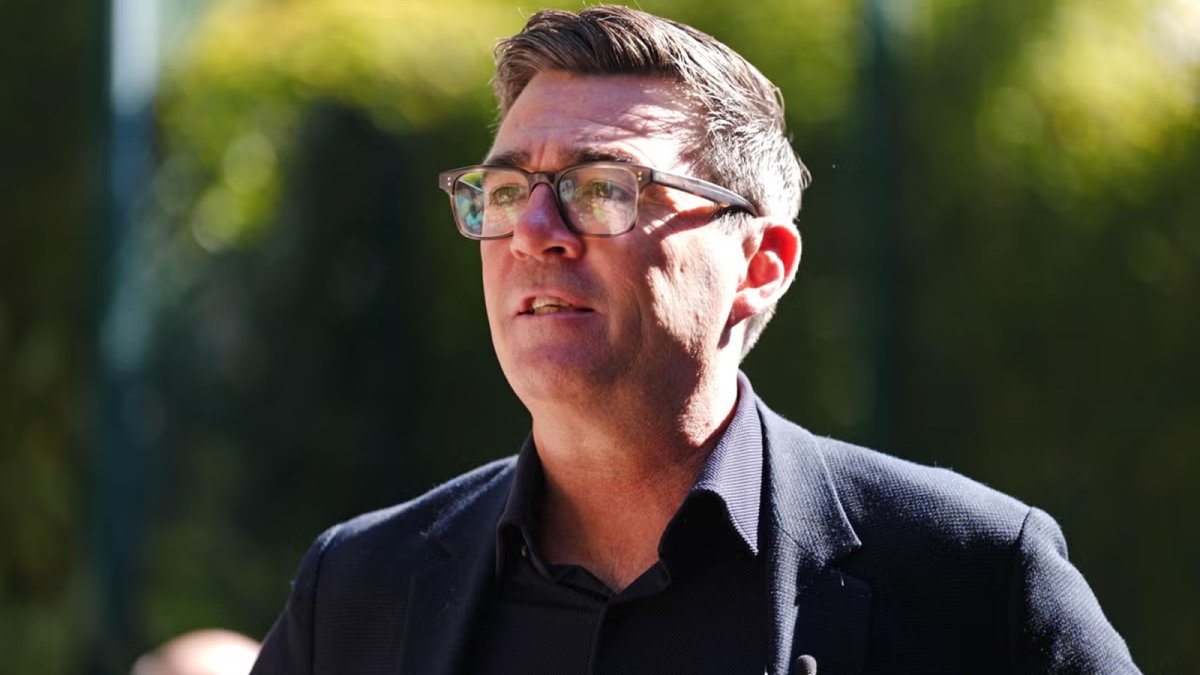
London, UK — Prime Minister Andy Burnham will begin a national tour this week, placing himself in listening mode across August to gather views on how the government can ease everyday financial strains. Officials confirmed the summer engagement will focus on the cost of living and measures to prevent consumers from being ripped off, with the findings expected to shape a 10-year plan for the country.
Burnham Sets Out on National Tour to Hear Public Views on Cost of Living Relief
London, UK — Prime Minister Andy Burnham will begin a national tour this week, placing himself in listening mode across August to gather views on how the government can ease everyday financial strains. Officials confirmed the summer engagement will focus on the cost of living and measures to prevent consumers from being ripped off, with the findings expected to shape a 10-year plan for the country.
Prime Minister to Travel Country in Search of Direct Input
Mr Burnham will leave Westminster behind to meet people where they live and work. A spokesperson for the Prime Minister said the tour marks a deliberate shift away from the habit of telling citizens that hidden pricing and other consumer frustrations must simply be accepted.
The engagement comes after Mr Burnham promised breathing space for families facing higher bills. Officials stated the tour will inform new pro-consumer steps aimed at giving households room to breathe while also examining ways to strengthen high streets.
Mr Burnham has already signalled that the exercise will not remain confined to abstract policy discussion. He intends to use the feedback to roll out concrete cost-of-living measures in the coming months. In the broader UK context, such direct engagement reflects a recognition that policy developed solely in Whitehall often overlooks the cumulative effect of small daily costs on household budgets, particularly in regions where wages have not kept pace with national averages.
By travelling to towns and cities across England, the Prime Minister is positioning the government to hear first-hand accounts of how pricing practices affect local economies. This approach carries implications for the 10-year plan, as sustained public input could shape legislation that addresses both immediate pressures and longer-term structural issues in consumer markets. The tour is expected to highlight variations in experience between urban centres and rural communities, where access to affordable services can differ markedly.
Early Steps Taken to Cut Energy and Transport Costs
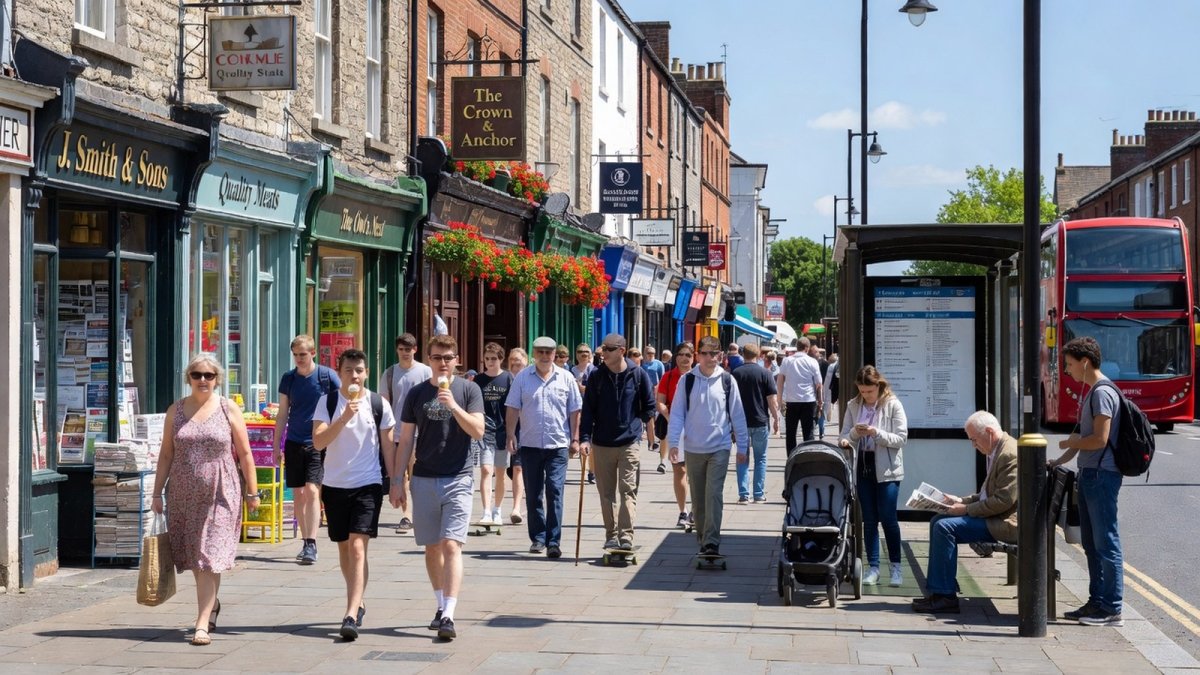
Since taking office, Mr Burnham has introduced a series of targeted interventions. These include cutting VAT on energy bills, reducing business rates for pubs, clubs and music venues, and capping bus fares at £2.
The measures were presented as immediate relief for households and local businesses. Officials described them as the first instalment of a wider programme to tackle financial pressure on families. In the UK, energy costs have long formed a significant portion of household expenditure, and reductions in VAT represent a direct attempt to ease that burden without requiring complex administrative changes.
Further announcements are expected once the national tour concludes. The Prime Minister has indicated that the summer listening exercise will help refine the next phase of support. Reducing business rates for hospitality venues carries particular weight for high streets, where such establishments often serve as anchors for footfall and local employment. The bus fare cap, meanwhile, addresses transport affordability in areas where car ownership remains low, potentially influencing commuting patterns and access to work.
These early actions set a precedent for how the government may sequence future interventions. If the tour reveals consistent public concern over specific sectors, officials could prioritise similar targeted relief in those areas, though any expansion would require careful coordination with the Treasury to maintain fiscal discipline ahead of the October budget.
Long-Standing Social Care Crisis Remains on Agenda
On his first day in office Mr Burnham stated he did not wish to leave Downing Street without confronting England’s social care crisis. He noted that successive governments have failed to resolve the issue for almost three decades.
The Prime Minister linked the social care challenge to wider cost-of-living pressures, arguing that unresolved care costs continue to drain household resources. The national tour is expected to include discussions on how local services can be better supported. England’s social care system has historically operated under a patchwork of local authority funding arrangements, creating inconsistencies in provision that affect both those receiving care and family members who often shoulder additional financial responsibilities.
Officials confirmed that feedback gathered during August will feed into longer-term planning on both care funding and service delivery across England. The tour offers an opportunity to examine how care pressures intersect with other household costs, such as energy bills for those supporting relatives at home. This integrated perspective could inform the 10-year plan by identifying where short-term consumer measures might complement more fundamental reforms to funding mechanisms.
Any proposals emerging from the engagement will need to navigate the complexities of devolution, as social care arrangements differ across the United Kingdom. The Prime Minister’s focus on England reflects the specific policy levers available at Westminster, yet the outcomes could influence cross-border discussions on best practice and resource allocation.
Inflation and Economic Worries Persist After Iran Conflict
The fallout from the Iran war has kept inflation higher than anticipated, leaving the cost of living a dominant public concern. An Ipsos poll published at the end of July found that 30 per cent of respondents listed the economy as a major worry, while 22 per cent specifically cited inflation or prices.
These figures underline why Mr Burnham has chosen to spend August outside Westminster. The tour is designed to demonstrate that the government is responding directly to the pressures recorded in recent polling. Persistent inflation affects purchasing power across income groups, though its impact is often most acute for those on fixed or lower incomes who spend a larger share of their resources on essentials.
Officials stressed that the Prime Minister views hidden pricing and other consumer practices as issues that can no longer be ignored. The forthcoming measures are intended to address these frustrations head-on. In the current economic climate, where external shocks continue to influence domestic prices, the government’s emphasis on consumer protection represents an attempt to mitigate some of the secondary effects of broader inflationary trends.
The tour’s findings will therefore play a role in determining whether additional targeted interventions can provide meaningful relief while the underlying causes of elevated inflation remain in play. This approach carries political implications, as public perception of government responsiveness may influence support for the 10-year plan as it develops.
Opposition Questions Funding and Calls for Deeper Reforms
Conservative figures have challenged Mr Burnham to explain how the new pledges will be funded. They have asked for clarity on the source of the money required to deliver the announced support.
Reform UK’s economic spokesman Robert Jenrick accused the Prime Minister of tinkering and urged him to scrap green levies and taxes on energy bills. He also called for a firm commitment against tax rises in the October budget and for reductions in the benefits bill. These positions reflect ongoing debates within UK politics about the balance between direct tax relief, spending restraint and regulatory intervention in energy markets.
These interventions highlight the political scrutiny that will accompany the tour. Mr Burnham will need to demonstrate how the listening exercise translates into funded policy rather than temporary relief. Opposition parties are likely to use the August period to press for greater detail on fiscal planning, particularly given the proximity of the budget and the need to address both immediate cost-of-living concerns and longer-term sustainability.
The tour therefore occurs against a backdrop of competing visions for economic policy. How the Prime Minister responds to calls for structural changes, such as adjustments to energy taxation or benefits expenditure, will shape the credibility of the 10-year plan when it emerges.
What the Tour Means for Households and UK Political Landscape
For households across Britain the tour signals an attempt to move beyond one-off announcements toward a more sustained response to rising bills. Families in England will watch closely to see whether the promised breathing space materialises in lower energy costs and capped fares that actually reach their pockets. The emphasis on high streets also carries local economic significance, as thriving retail and hospitality sectors support employment and community cohesion in towns and cities nationwide.
The political stakes extend beyond Westminster. Devolved governments and local councils will examine whether the 10-year plan emerging from the tour aligns with their own budgets and service pressures. Any new consumer protections or business-rate changes will require coordination with the Treasury and local authorities. This collaborative dimension is essential if measures are to be implemented effectively across different regions with varying economic profiles.
Opposition parties are already framing the exercise as insufficient. By focusing on public input rather than immediate structural reform, Mr Burnham risks being portrayed as offering consultation instead of decisive action on inflation and benefits spending. The success of the tour will ultimately be judged by whether the feedback gathered informs policies that deliver measurable improvements in household finances before the October budget.
The coming weeks will test the government’s capacity to convert listening into concrete outcomes. If the 10-year plan incorporates credible responses to the concerns raised during the tour, it could strengthen public confidence in the administration’s handling of economic pressures. Conversely, any perception that the engagement has not produced tangible results may intensify scrutiny from both opposition benches and the wider electorate.
By Erica Thornton, Staff WriterThis article was produced with AI-assisted research and editorial support. Reporting is based on sources cited in the article.
What's Your Reaction?
 Like
0
Like
0
 Dislike
0
Dislike
0
 Love
0
Love
0
 Funny
0
Funny
0
 Wow
0
Wow
0
 Sad
0
Sad
0
 Angry
0
Angry
0

US Politics and Policy Correspondent at Global1.News. Based in Washington DC, covering American politics, policy, elections, and the courts. Knows how the system works and tells you what it actually means.













Comments (0)