
Bald Range Wildfire Forces 20,000 From Homes as B.C. Declares State of Emergency
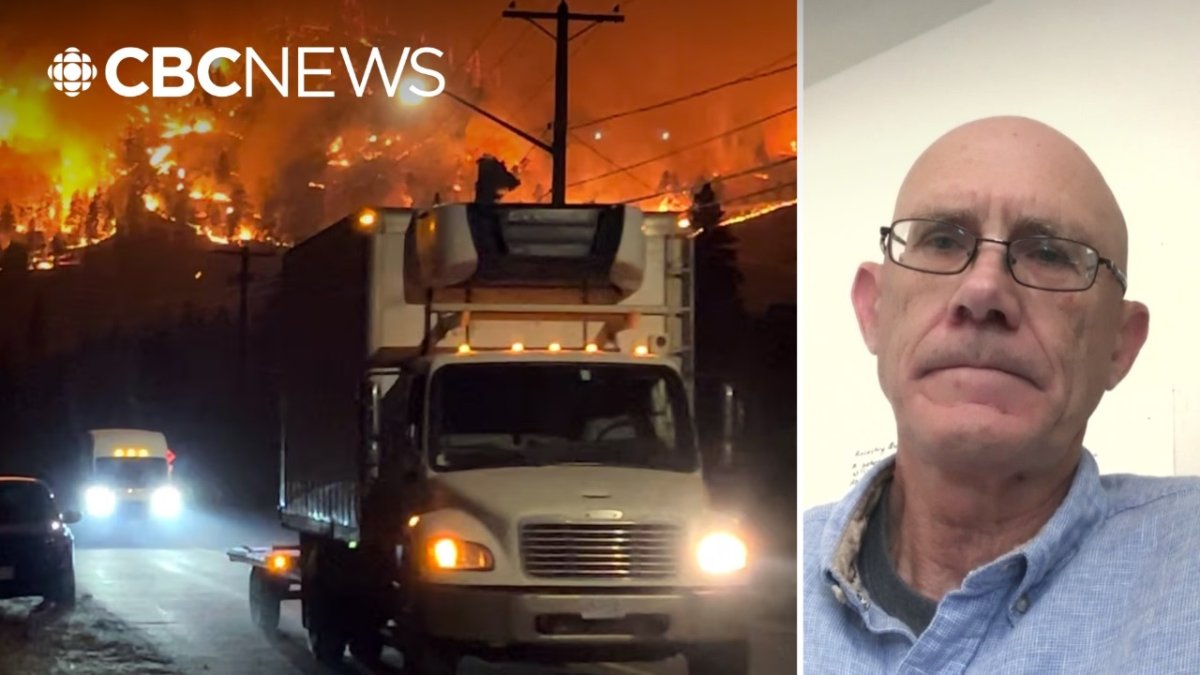
In a recent CBC News report, wildfire experts warned that British Columbia's southern interior was "primed to burn" — and within days, that warning became a devastating reality. Mathieu Bourbonnais, co-director of the Centre for Wildfire Coexistence, explained in the video how severe dry weather and strong winds were enabling fires to explode in size at a terrifying pace.
In a recent CBC News report, wildfire experts warned that British Columbia's southern interior was "primed to burn" — and within days, that warning became a devastating reality. Mathieu Bourbonnais, co-director of the Centre for Wildfire Coexistence, explained in the video how severe dry weather and strong winds were enabling fires to explode in size at a terrifying pace. For Canadians watching from across the country, the images of towering flames and mass evacuations in the Okanagan Valley have brought the escalating climate crisis into sharp focus.
Bald Range Wildfire Forces 20,000 From Homes as B.C. Declares State of Emergency
Summerland, B.C. – Monday, August 10 — The Bald Range wildfire (incident K51490) has become the defining disaster of British Columbia's 2026 fire season, forcing more than 20,000 people from their homes and prompting Premier David Eby to declare a provincewide state of emergency on Saturday. What began Friday, August 7, roughly 15 kilometres from Summerland in the South Okanagan, has exploded into a 15,590-hectare inferno — an area of about 136 square kilometres — in just four days.

The Story — A Community Overwhelmed in Hours
The fire's growth has been nothing short of staggering. Mapped at 5,000 hectares on Friday, it doubled to 10,000 hectares within a single day, and by Monday morning had reached 15,590 hectares — an average daily growth of roughly 5,197 hectares. B.C. Wildfire Service director of operations Cliff Chapman said the conditions observed near Summerland have never been seen before in wildfire history, with Premier Eby reporting extreme fire behaviour including 200-foot flames and fire-generated weather systems.
The community of Faulder bore the initial brunt of the disaster. On Friday night, as the fire overwhelmed the small settlement, helicopters airlifted residents to safety while the perimeter burned to the lake shore north of Summerland. Multiple homes were destroyed, and the RCMP is now investigating a possible wildfire-related death — though officials stress the fatality has not been confirmed.
By Saturday, August 8, the entire District of Summerland — home to roughly 12,000 people — was ordered to evacuate in what officials described as the largest evacuation of the summer. An additional 8,000 people were forced from their homes in and around nearby Peachland, bringing the total displaced across the province to more than 20,000, with some reports placing the figure closer to 22,000.
Canadian Context — Provincial Emergency Powers and Federal Support
Premier Eby's declaration of a provincewide state of emergency on Saturday activates extraordinary powers under British Columbia's Emergency Program Act, allowing the province to coordinate resources across municipal boundaries, mandate evacuations, and restrict travel to affected areas. The move mirrors similar declarations during the devastating 2021 and 2023 fire seasons, which collectively burned millions of hectares and destroyed entire communities like Lytton.
The federal government has indicated it is stepping in to support B.C.'s response, though specific details of the assistance package have not yet been announced. Historically, federal support has included Canadian Armed Forces deployment, RCMP resources, and financial assistance through the Disaster Financial Assistance Arrangements program, which reimburses provinces for eligible response and recovery costs.
The scale of this fire season is alarming. In the seven days leading up to Saturday, 70 new fires ignited across the province. By Sunday, approximately 102 to 105 fires were burning, with nearly half listed as out of control. The extreme dry weather and sustained winds that have primed southern B.C. to burn show no signs of abating, according to Environment Canada forecasts.
Impact on Canadians — Wine Country Under Threat
The Okanagan Valley is Canada's premier wine region, producing more than 80 per cent of the country's grapes and hosting hundreds of wineries that draw tourists from across Canada and around the world. The Bald Range fire now threatens vineyards, tasting rooms, and the tourism infrastructure that sustains thousands of jobs in the region. Evacuation orders have forced wineries to abandon harvest preparations at the peak of the growing season, and smoke exposure threatens to taint grapes with what vintners call "smoke taint" — a condition that can ruin an entire vintage.
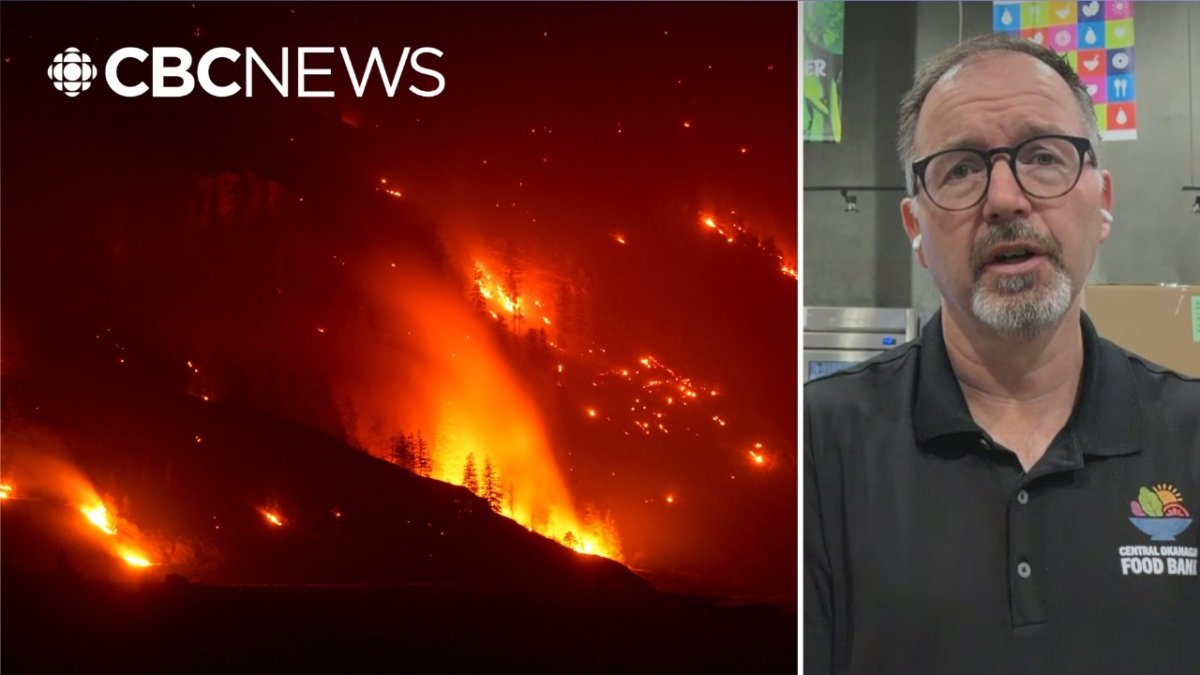
Beyond the wine industry, the human toll is immense. Summerland's mayor told CBC News that everyone in the community knows someone who has lost a home. Evacuation centres have been set up across the region, with the Okanagan food bank mobilising to "ease their pain" as evacuees flee with little more than the clothes on their backs, according to a separate CBC report.
Why the Fire Exploded — A Region Primed to Burn
The speed of the Bald Range fire's growth is the product of conditions that have been building for months. Southern B.C. has endured a prolonged stretch of extreme dry weather, with precipitation well below seasonal norms through the late spring and summer. That dryness has desiccated grasses, shrubs and forest fuels across the Okanagan, leaving the landscape ready to ignite at the first spark or lightning strike. Strong winds then did what winds do in the valley: they fanned embers into flames and drove the fire front forward faster than crews could respond.
Mathieu Bourbonnais, co-director of the Centre for Wildfire Coexistence at Thompson Rivers University, described the region in the CBC News report as "primed to burn." Wildfire scientists point to a compounding cycle: decades of fire suppression have allowed fuel to accumulate on the forest floor, while rising temperatures and shifting precipitation patterns tied to climate change have lengthened the fire season and intensified drought. The result is fire behaviour that outpaces historical experience — the very conditions Cliff Chapman said he had never seen before.
Reactions and Analysis — A Region Transformed
The psychological impact of this fire season cannot be overstated. For residents of Summerland and Peachland, many of whom lived through the 2003 Okanagan Mountain Park fire that destroyed 239 homes in Kelowna, this feels like a grim repeat. The speed of the Bald Range fire's growth — from a small ignition to a 15,590-hectare monster in four days — has shocked even veteran firefighters.
Cliff Chapman's admission that conditions "have never been seen before" underscores a troubling reality: climate change is rewriting the rules of wildfire behaviour in Canada. The fire-generated weather systems Premier Eby described — pyrocumulonimbus clouds that can create their own lightning and winds — were once rare phenomena. They are now becoming increasingly common in B.C.'s interior, fuelled by decades of fire suppression that have left forests dense with fuel, combined with record-breaking drought and heat.
The cause of the Bald Range fire remains under investigation. RCMP have asked the public for any information about the fire's start and have warned against spreading rumours on social media, a sign of the misinformation challenges that have plagued previous disasters. The investigation will be crucial not only for accountability but for understanding whether this fire was preventable.
What Happens Next — Recovery and Resilience
As the fire continues to burn, attention is turning to the long road to recovery. Evacuees face weeks or months of uncertainty, with many unsure whether they have homes to return to. Insurance claims will likely run into the hundreds of millions of dollars, and the provincial government has promised support for those who have lost everything.
The federal government's commitment to step in signals recognition that this is not just a provincial crisis but a national one. With fire seasons growing longer and more intense across Canada — from British Columbia to Quebec to the Northwest Territories — the Bald Range fire serves as a stark reminder that no region is immune. The question now is whether governments at all levels will take the bold action needed to adapt to a future where such disasters become the norm rather than the exception.
For the people of Summerland, Peachland, and the entire Okanagan Valley, the immediate priority is survival. But as the smoke clears and the evacuation orders are eventually lifted, the harder work of rebuilding — homes, businesses, vineyards, and lives — will begin. The resilience of these communities, tested time and again by fire, will be their greatest asset in the weeks and months ahead.
By Alex Thompson, Staff Writer
This article was produced with AI-assisted research and editorial support. Reporting is based on sources cited in the article.
What's Your Reaction?
 Like
0
Like
0
 Dislike
0
Dislike
0
 Love
0
Love
0
 Funny
0
Funny
0
 Wow
0
Wow
0
 Sad
0
Sad
0
 Angry
0
Angry
0
Canada Correspondent at Global1.News. Based in Toronto, covering Canadian politics, energy, trade, and US-Canada relations. Provides the Canadian perspective on North American and global affairs.













Comments (0)