
Bald Range wildfire flares overnight as crews brace for weekend winds near Summerland, Peachland
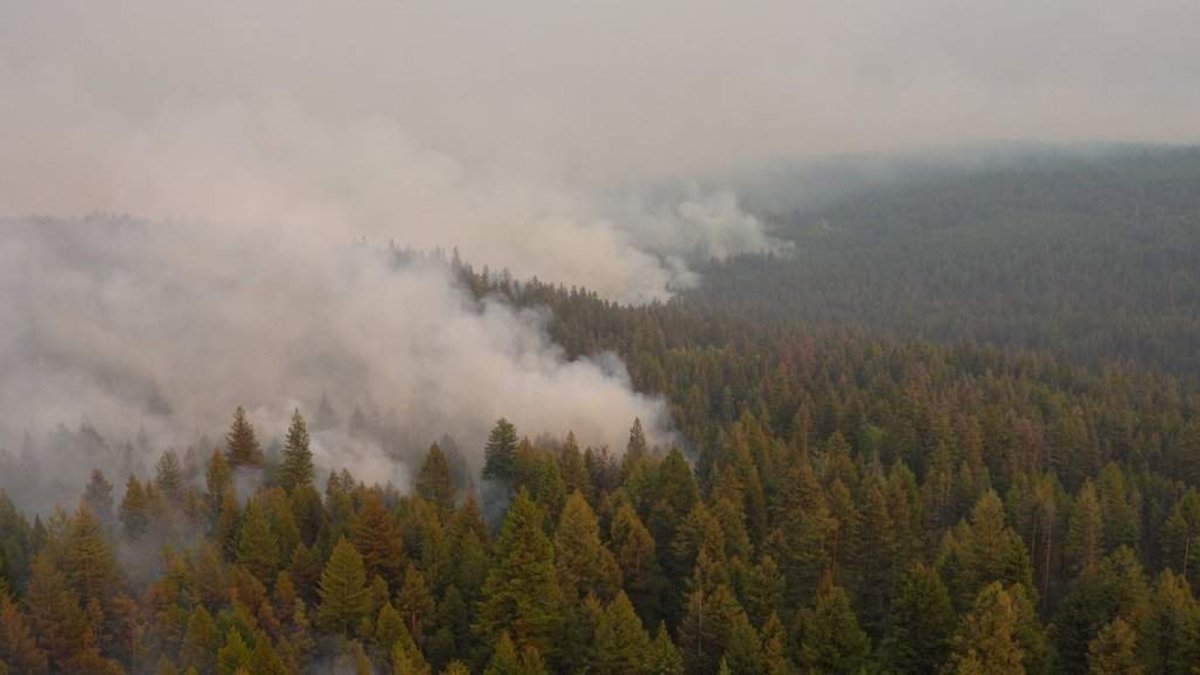
The Bald Range wildfire, burning out of control between Summerland and Peachland in British Columbia's Okanagan region, flared up overnight with strong fire behaviour that kept crews working along the southwestern flank through the early morning hours.
Bald Range wildfire flares overnight as crews brace for weekend winds near Summerland, Peachland
The Bald Range wildfire, burning out of control between Summerland and Peachland in British Columbia's Okanagan region, flared up overnight with strong fire behaviour that kept crews working along the southwestern flank through the early morning hours. The fire, which has now grown to more than 22,000 hectares, remains stubborn in difficult-to-reach terrain, and officials are warning that weekend conditions could bring renewed challenges.
Highway 97 remains open, but the situation is dynamic, according to the BC Wildfire Service, as crews continue to battle a blaze that has already forced more than 20,000 people from their homes and left a trail of destruction through one of the province's most beloved recreational and agricultural regions.
The Story / Latest Update
The Bald Range fire, which ignited on August 7 near the Princeton-Summerland Road, has become one of the most significant and fastest-growing wildfires of the 2026 Canadian season. In its early days, the fire exhibited Rank 5 behaviour - the most extreme classification on the wildfire scale - with embers spotting up to one kilometre ahead of the main flame front, according to the BC Wildfire Service.
As of the August 20 update, strong winds and low humidity have kept crews busy along the southwestern flank of the fire, which the BC Wildfire Service lists at approximately 22,693 hectares under incident number K51490 in the Kamloops Fire Centre. Crews report the fire remains quite stubborn, particularly in the southern and western portions where steep, inaccessible terrain has hampered ground operations.
On Wednesday, crews conducted controlled ignitions along the south flank northeast of Isintok Lake, working along the Isintok-McNulty Road to bring the fire's edge to containment lines. The BC Wildfire Service says crews will continue to assess opportunities to conduct small-scale ignitions as conditions allow, a tactic designed to remove fuel ahead of the main fire front and anchor the blaze to established control lines.
For residents returning to the area, the operational footprint of the fire response is shifting. The Summerland Secondary School field, which has served as a helicopter landing area for wildfire operations, will see air operations moved to Penticton Airport by August 21. The move is intended to ensure the safety of Summerland residents who are returning home after weeks of evacuation.
Similarly, the Summerland Arena and Curling Club, which has functioned as the Incident Command Post for wildfire operations, will see those operations shift to an Incident Command Post in Okanagan Falls over the next week. The transition is designed to make space for returning community members who are beginning to reclaim their town.
The BC Wildfire Service is also preparing residents for what comes next. Nearby residents can expect to see smouldering ground fire and smoke from within the fire perimeter over the coming weeks, which crews say is common and typically not a concern. The interior of a large wildfire can continue to burn for weeks or even months after the main event, particularly in areas with deep organic soils and heavy fuel loads.
Canadian Context
The Bald Range fire is unfolding against a backdrop of an already punishing 2026 wildfire season. Federal officials have said the season has "accelerated significantly," with fire activity picking up across multiple provinces and territories. The pattern is consistent with trends observed over the past decade, as climate change continues to lengthen fire seasons and intensify the conditions that drive extreme fire behaviour.
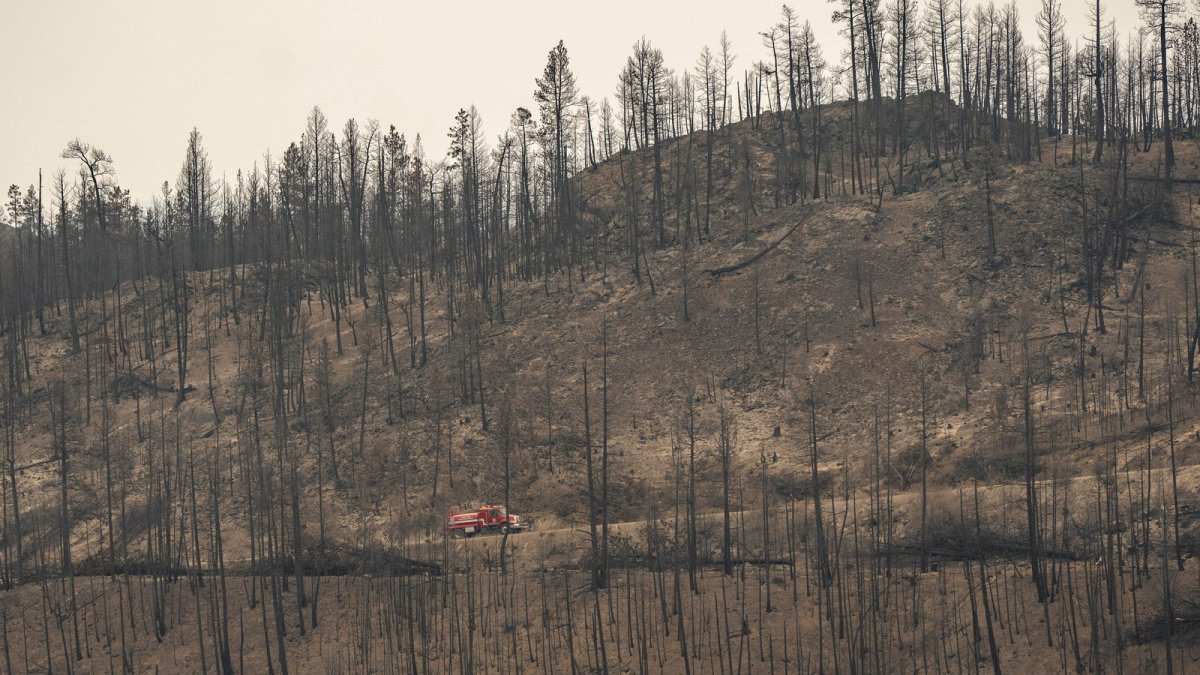
British Columbia has borne a disproportionate share of the burden in recent years. The province has experienced some of its most destructive wildfire seasons on record in the past decade, including the devastating 2021 season that destroyed the town of Lytton and the record-breaking 2023 season that saw more than 2.8 million hectares burn. The 2026 season is shaping up to be another significant chapter in that story.
The jurisdictional response to the Bald Range fire reflects the layered nature of Canadian emergency management. The BC Wildfire Service leads the operational response, coordinating with the Regional District of Okanagan-Similkameen, the Regional District of Central Okanagan, and municipal authorities in Summerland and Peachland. Emergency Management BC provides provincial coordination, while the federal government stands ready to provide support through the Canadian Armed Forces and other federal resources if requested.
This federal-provincial partnership has been tested repeatedly in recent years, with debates over the pace of federal assistance and the adequacy of provincial preparedness becoming recurring themes in Canadian disaster management. The 2026 season has renewed those discussions, with opposition critics calling for a national wildfire strategy that would include more aggressive forest management, increased investment in firefighting capacity, and a clearer framework for federal-provincial cooperation during major events.
Climate scientists have been unequivocal about the drivers of these trends. Warmer spring temperatures lead to earlier snowmelt, drier forests, and longer fire seasons. The Okanagan region, already one of the driest parts of Canada, has seen a steady decline in summer precipitation and an increase in the frequency and intensity of heat events. The forecast for the Bald Range fire area - temperatures into the 30s with humidity around 15 per cent - is emblematic of the conditions that have become increasingly common across the interior of British Columbia.
Impact on Canadians
The human toll of the Bald Range fire has been substantial. The entire community of Summerland, with a population of approximately 12,000, was evacuated, along with roughly 8,000 people from surrounding areas including Peachland and the Regional District of Central Okanagan. In total, more than 20,000 people were displaced at the height of the emergency.
Tragically, at least one person has died as a result of the fire. Around 150 structures have been damaged or destroyed, leaving families and businesses to confront the reality of rebuilding in a region already grappling with a housing shortage and rising costs.
For those returning home, the experience has been described as a journey through a changed landscape. Stage 3 re-entry has begun for parts of Summerland and Peachland, allowing residents to return to neighbourhoods that may look very different from the ones they left. Some evacuation alerts remain in place, and residents are being urged to remain vigilant as the fire continues to burn within its perimeter.
The economic impact extends well beyond the immediate fire zone. The Okanagan is one of British Columbia's premier tourism destinations, drawing visitors from across Canada and around the world to its wineries, orchards, lakes, and recreational opportunities. The wildfire has disrupted the summer tourism season at its peak, with cancellations and reduced visitor numbers affecting hotels, restaurants, tour operators, and the region's famous wine industry.
The wine sector, in particular, faces a double threat. Beyond the immediate risk of fire damage to vineyards and winery infrastructure, smoke exposure can taint grapes and compromise the quality of the vintage. Winemakers across the Okanagan have become increasingly familiar with this challenge, as wildfire smoke has affected multiple vintages in recent years. The 2026 season threatens to add another difficult chapter to that story.
Insurance and recovery will be major considerations in the months ahead. The Insurance Bureau of Canada has noted that wildfire losses have been rising steadily across the country, with the 2023 season alone causing billions of dollars in insured damage. For the residents of Summerland and Peachland, the process of documenting losses, filing claims, and beginning the long road to rebuilding will be a defining experience of the coming year.
Reactions and Analysis
The response to the Bald Range fire has drawn attention to the growing challenges facing Canadian communities in wildfire-prone regions. Emergency management officials have praised the coordination between provincial and local authorities, while also acknowledging the limitations of current approaches in the face of increasingly extreme fire behaviour.
The decision to move air operations from Summerland Secondary School to Penticton Airport reflects a careful balancing act between operational needs and community recovery. As residents return, the presence of heavy helicopter traffic over the town would add another layer of stress to an already traumatic experience. The shift to Penticton Airport, while adding some logistical complexity, allows the community to begin its recovery in a more normal environment.
Similarly, the relocation of the Incident Command Post from the Summerland Arena and Curling Club to Okanagan Falls recognises the importance of returning community facilities to their intended use. The arena and curling club are more than just buildings - they are gathering places that will be essential to the community's social and emotional recovery.
The BC Wildfire Service's messaging about smouldering ground fire and smoke within the perimeter is part of a broader effort to manage expectations during the long tail of a major wildfire. For residents returning to their homes, the sight and smell of smoke can be deeply unsettling, even when officials assure them it is not a cause for concern. Clear communication about what to expect will be essential in the weeks ahead.
Analysts have noted that the Bald Range fire fits a troubling pattern. The fire's rapid growth, extreme behaviour, and resistance to containment efforts are consistent with the conditions that have produced some of the most destructive fires in Canadian history. The fire's location in the wildland-urban interface - where homes and communities meet forested areas - adds another layer of complexity to the response.
What Happens Next
The immediate focus remains on the weekend forecast. On Friday and Saturday, there is the potential for winds to pick up and temperatures to rise into the 30s, with humidity around 15 per cent. These conditions could drive increased fire activity, particularly along the southwestern flank where crews have been concentrating their efforts.
Crews will continue to assess opportunities for small-scale ignitions along the south flank, working to bring the fire's edge to containment lines. The strategy is to methodically reduce the fuel available to the fire and anchor it to established control features, reducing the risk of further spread toward populated areas.
For residents, the coming weeks will bring a gradual return to something resembling normal life. Evacuation orders have begun to lift, but alerts remain in place for some areas. The BC Wildfire Service has cautioned that smouldering ground fire and smoke from within the perimeter can be expected for weeks, a reminder that the fire is not over even as the immediate threat recedes.
The longer-term recovery will be measured in months and years. Rebuilding destroyed structures, restoring infrastructure, and supporting the emotional well-being of a community that has been through a traumatic event will require sustained effort from all levels of government and the community itself.
The Bald Range fire will also feed into broader conversations about how Canada prepares for and responds to wildfires. The 2026 season has already demonstrated that the challenges of recent years are not anomalies but part of a new normal. The question now is whether the lessons of this fire - and the many that have come before it - will translate into meaningful change in how the country manages its forests, protects its communities, and supports those who bear the brunt of a changing climate.
For now, the people of Summerland and Peachland are focused on the immediate tasks: watching the weather, supporting their neighbours, and beginning the slow process of rebuilding their lives in a landscape that has been permanently altered.
Tags: Bald Range wildfire, Summerland, Peachland, BC Wildfire Service, Okanagan, wildfire evacuation, Kamloops Fire Centre, Isintok Lake, Highway 97, wildfire season 2026, climate change, wildland-urban interface, Okanagan wine country, emergency management, British Columbia wildfires
By Alex Thompson, Staff Writer
This article was produced with AI-assisted research and editorial support. Reporting is based on sources cited in the article.
What's Your Reaction?
 Like
0
Like
0
 Dislike
0
Dislike
0
 Love
0
Love
0
 Funny
0
Funny
0
 Wow
0
Wow
0
 Sad
0
Sad
0
 Angry
0
Angry
0

Canada Correspondent at Global1.News. Based in Toronto, covering Canadian politics, energy, trade, and US-Canada relations. Provides the Canadian perspective on North American and global affairs.













Comments (0)