
Australia-Israel Ties Strain Over Zomi Frankcom Killing Probe
The diplomatic fallout from a single drone strike in Gaza has escalated into one of the most significant rifts between Israel and a Western ally since the war began. Australia's formal rejection of Israel's military investigation into the killing of aid worker Zomi Frankcom signals a broader erosion of trust in Israel's accountability mechanisms, a development that resonates far beyond Canberra and Jerusalem.
The diplomatic fallout from a single drone strike in Gaza has escalated into one of the most significant rifts between Israel and a Western ally since the war began. Australia's formal rejection of Israel's military investigation into the killing of aid worker Zomi Frankcom signals a broader erosion of trust in Israel's accountability mechanisms, a development that resonates far beyond Canberra and Jerusalem.
Australia Rejects Israeli Probe Into Aid Worker's Death, Declaring Relations at a 'Difficult Time'
Canberra, Australia – Aug 20, 2026 — Australian Foreign Minister Penny Wong has delivered a stinging rebuke to Israel, declaring the bilateral relationship is undergoing a "difficult time" after formally rejecting the findings of a two-year Israeli military investigation into the killing of Australian aid worker Lalzawmi "Zomi" Frankcom. The declaration, made Thursday, marks a rare public rupture between the two nations and underscores the deepening international isolation Israel faces over its conduct in the Gaza conflict.
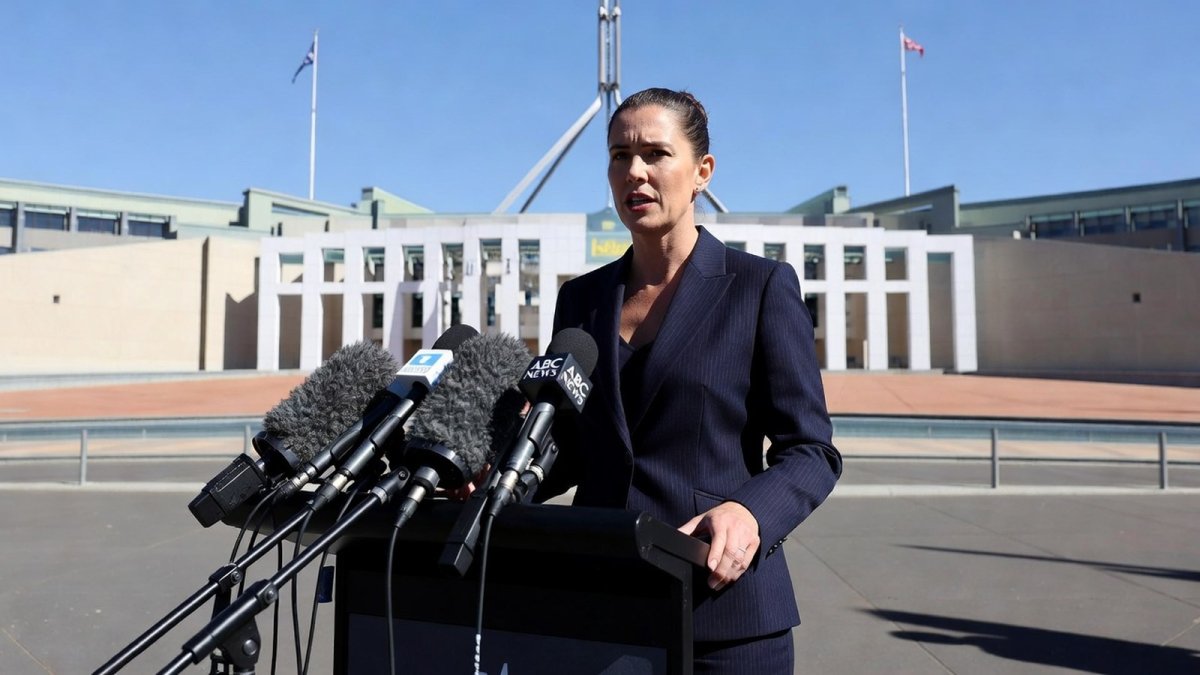
Wong summoned Israel's ambassador to Australia, Hillel Newman, to convey Canberra's displeasure directly. The move came after the Israel Defense Forces (IDF) Military Advocate General cleared Israeli personnel of criminal wrongdoing in the April 2024 drone strikes that killed Frankcom and six other humanitarian workers from the US-based aid group World Central Kitchen (WCK). While the IDF removed two officers from their positions and reprimanded three others at the time, the Military Advocate General concluded that "the decisions of the commanders did not raise reasonable suspicion of criminal misconduct."
Australia's response was unequivocal. "The Australian government does not believe the removal of two officers from their positions and three officers being reprimanded is sufficient accountability for the deaths of seven people including an Australian citizen," Wong stated. "We do not have confidence in the IDF Military Advocate General's process given the many unanswered questions." The minister's comments, delivered with characteristic diplomatic precision, signal a fundamental breakdown in trust regarding Israel's ability to police its own military operations.
A Cascade of Unanswered Questions
The Australian government's rejection is not merely a matter of punitive measures being too lenient. Wong detailed a litany of procedural failures that, in Canberra's view, render the entire investigation fundamentally flawed. Chief among these are the IDF's failure to explain why two further strikes occurred after the initial attack, which Wong noted were in breach of Israel's own rules of engagement. The strikes took place in a designated humanitarian "fire control" zone, an area supposedly deconflicted for aid operations, and Israel has provided an "unsatisfactory" explanation for why they occurred there.
Perhaps most damaging to Israel's credibility is its repeated refusal to hand over audio evidence of the attack. "Democracies seek and accept higher standards," Wong asserted, a pointed remark aimed at Israel's self-identification as the region's only democracy. The refusal to share operational audio recordings with a close ally suggests a level of opacity that undermines the IDF's claims of a thorough and transparent investigation. For Australia, a nation that prides itself on rules-based international order, this lack of transparency is a direct challenge to the principles of accountability it champions.
Insult and Outrage in Canberra
The diplomatic affront was compounded by the timing and manner of Israel's announcement. Wong revealed that the Australian government learned of the investigation's outcome moments before it was publicly released on World Humanitarian Day, a day dedicated to celebrating aid workers. Frankcom's loved ones were not advised in advance, a decision Wong described as "insulting and hurtful." The Frankcom family, who had attended an event with Wong hours earlier to announce a humanitarian award in Zomi's name, expressed their devastation in a public statement.
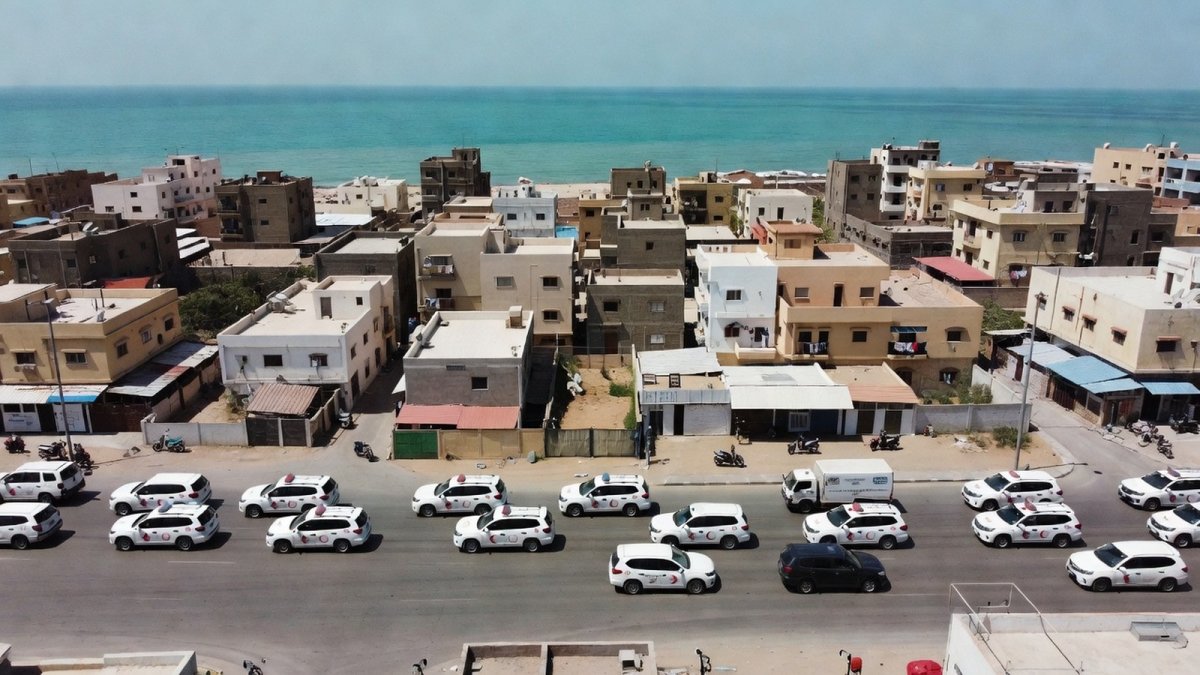
"The Frankcom family are deeply disappointed by the decision by Israel's Military Advocate General to clear their soldiers of criminal wrongdoing in the Gaza strike that killed our beloved Zomi," the family said. "Zomi and her colleagues deserve more than an internal, opaque process that ends with a short statement by the Israeli Military absolving their soldiers of criminal wrongdoing." The family's statement highlighted the brutal reality of the attack: "This was not a single, instantaneous strike. Three clearly marked humanitarian vehicles traveling in a humanitarian fire control zone were struck successively as survivors attempted to move from one vehicle to another."
Prime Minister Anthony Albanese escalated the rhetoric, calling Israel's decision "an outrage" and "a clear outrage." He committed to pressing the Israeli government for a more transparent explanation and indicated that Australia would consider pushing for an independent investigation. "We will press the Israeli government," Albanese said. "The direction, we have said today, we'll discuss with Ms Frankcom's family... And then we'll make an announcement in coming days." The Prime Minister's language, using the term "outrage" twice, signals a hardening of Australia's position that goes beyond standard diplomatic protest.
Israel's Defiant Defense
Israel, for its part, has shown no willingness to capitulate to Australian pressure. Ambassador Hillel Newman defended the investigation's integrity, arguing that its findings should not be attacked if they "are not suitable to one's political agenda." In a notably unrepentant performance, Newman refused to apologize, stating, "A court came to a decision that there's no criminal liability, so we're not going to lynch people on the streets, no. There were mistakes made by the convoy, but there were mistakes made by Israel."
The IDF maintains that its forces mistook several individuals in the vehicles for armed Hamas operatives and that the convoy deviated from its previously coordinated route. The military also claimed that WCK did not flag armed security traveling with the convoy. These justifications, however, do little to address the core questions raised by Australia regarding the successive nature of the strikes and the refusal to share audio evidence. The Israeli defense, while legally coherent, appears politically tone-deaf to the sensitivities of an ally grieving a citizen's death.
Regional Dynamics and Strategic Calculus
This diplomatic clash does not occur in a vacuum. It is a microcosm of the broader pressures facing Israel as it navigates the ongoing conflict in Gaza and its deteriorating international standing. The Frankcom case has become a symbol for a wider critique of Israel's conduct in the war, particularly regarding the safety of humanitarian workers. The April 2024 strike, which prompted an earlier IDF apology for a "grave mistake," occurred despite WCK having coordinated the convoy's movement with the Israeli military. The fact that a high-level military officer involved in the strike was one of 130 signatories to a January 2024 letter calling for a block on aid to Gaza adds a deeply troubling dimension to the case, suggesting a potential bias that the family has urged investigators to examine.
For Australia, the strategic calculus is complex. Wong has rejected calls from the Greens and human rights lawyer Chris Sidoti to expel Ambassador Newman, arguing that severing diplomatic relations would not advance Australia's interests. This pragmatic approach reflects a desire to maintain channels of communication while applying maximum diplomatic pressure. "Obviously it's a difficult time in our relationship. We made our views clear about this issue," Wong said, carefully balancing condemnation with the need to preserve a functional bilateral relationship. Opposition frontbencher James Paterson, while critical of the killing, noted that Frankcom "never should have been killed," reflecting a rare moment of bipartisan consensus on the gravity of the incident.
The Second-Order Effects on Israel's Standing
The Australia-Israel dispute is a bellwether for how middle powers are recalibrating their relationships with Israel. While the United States remains a steadfast ally, nations like Australia, Canada, and several European states are increasingly vocal in their criticism of Israeli military operations. The Frankcom case provides a concrete, human face to the abstract debates about proportionality and international law. Australia's formal rejection of the IDF's investigative process sets a dangerous precedent for Israel, as it invites other nations to scrutinize and potentially reject Israeli military justice outcomes.
This erosion of confidence in Israel's accountability mechanisms has significant second-order effects. It strengthens the case for international investigations, potentially at the International Criminal Court, and emboldens Palestinian authorities and human rights groups who have long argued that Israel cannot credibly investigate itself. For Israel, the strategic cost of the Frankcom case extends beyond a single diplomatic rebuke; it undermines the legitimacy of its entire military justice system in the eyes of the international community. The refusal to share audio evidence, in particular, suggests a level of secrecy that fuels speculation and undermines the IDF's claims of a rigorous internal review.
As the humanitarian situation in Gaza remains dire and regional dynamics involving Iran continue to simmer, Israel's diplomatic isolation is becoming a strategic liability. The Frankcom case, while tragic in its specifics, is emblematic of a broader pattern of international scrutiny that Israel can ill afford. For Australia, the path forward involves a delicate balancing act: maintaining pressure on Israel while avoiding a complete rupture that would limit its influence. The coming days, as Albanese has indicated, will bring further announcements, potentially including a push for an independent international investigation. The world will be watching to see whether Israel's "difficult time" with Australia becomes a template for its relations with other Western nations.
By Malik Hassan, Staff Writer
This article was produced with AI-assisted research and editorial support. Reporting is based on sources cited in the article.
What's Your Reaction?
 Like
0
Like
0
 Dislike
0
Dislike
0
 Love
0
Love
0
 Funny
0
Funny
0
 Wow
0
Wow
0
 Sad
0
Sad
0
 Angry
0
Angry
0
Middle East Correspondent at Global1.News. Based in Beirut, covering politics, conflict, energy, and society across the Middle East. Brings context and depth to a region often reduced to headlines.











Comments (0)