
Anutin signs order to revoke Thai citizenship for Israeli-born man
Prime Minister and Interior Minister Anutin Charnvirakul signed an order on 1 October 2026 that formally revokes the Thai citizenship of Ariel Blustin, a man who entered Thailand as an Israeli national and later concealed an additional Uruguayan passport.
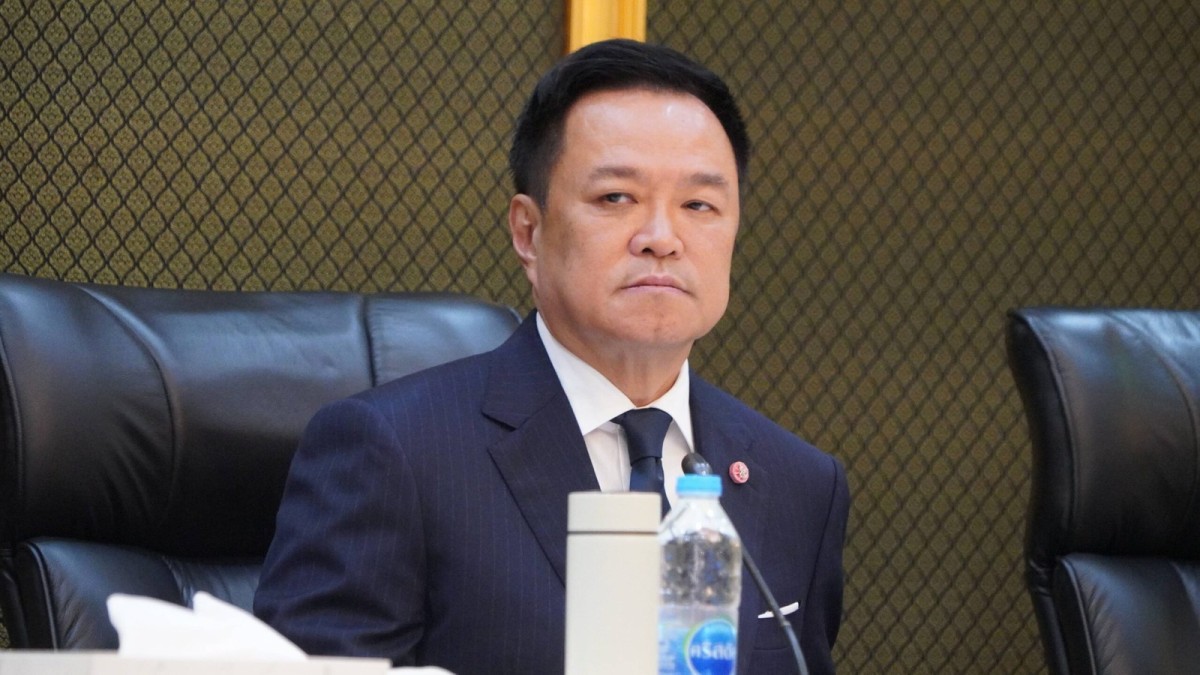
Prime Minister and Interior Minister Anutin Charnvirakul signed an order on 1 October 2026 that formally revokes the Thai citizenship of Ariel Blustin, a man who entered Thailand as an Israeli national and later concealed an additional Uruguayan passport. The decision, announced by the Interior Ministry, underscores Thailand’s long‑standing legal principle that naturalised citizens must fully renounce previous allegiances and be transparent about any other national ties. This case, while focused on one individual, touches on broader themes of national identity, the rule of law, and the delicate balance Thailand maintains between openness and security in a region marked by shifting geopolitics.
Background of the naturalisation process
Blustin’s path to Thai citizenship began under the provisions of Sections 10 and 11(1) of the Nationality Act BE 2508 (1965), which allow foreign nationals to acquire Thai nationality through naturalisation when they meet certain residency and character requirements. His naturalisation was officially recorded in the Royal Gazette on 3 April 2019, and he received his first Thai national ID card on 14 June 2019. The legal framework expects new citizens to demonstrate a clear break from former national loyalties, a principle rooted in Thailand’s historical emphasis on unity and sovereign integrity.
Thai law, guided by Buddhist concepts of honesty and moral conduct, treats concealment of prior citizenship as a serious breach. The Ministry’s statement highlighted that the act of using an Israeli passport to travel abroad on the very day he received his Thai ID card violated the condition that naturalised citizens must cease using their former passports. This breach, combined with the undisclosed Uruguayan citizenship, formed the basis for the revocation order.
Details of the alleged violations
According to the Interior Ministry, Blustin travelled to Hong Kong on 14 June 2019—the same day he obtained his Thai ID card—using an Israeli passport. He re‑entered Thailand on 23 June 2019 with the same passport. The ministry interpreted this as continued use of his former nationality, directly contravening the naturalisation conditions that require new citizens to abandon foreign travel documents.
In addition to the Israeli passport, officials discovered that Blustin also holds Uruguayan citizenship. The ministry noted that he had used his Uruguayan passport for several trips abroad before applying for Thai citizenship, yet he failed to disclose this status during his naturalisation application. The lack of disclosure was deemed a false statement or concealment of material facts, another ground for revocation under the Nationality Act.
Legal basis for revocation
The Nationality Act provides clear mechanisms for rescinding citizenship when a naturalised person breaches the conditions of naturalisation. Section 19 empowers the Prime Minister, acting through the Interior Ministry, to revoke citizenship if the individual has continued to use a former nationality or has made false statements during the application process. The ministry’s announcement stressed that such concealment could cause “serious harm to the public and the state if left unaddressed,” reflecting a view that transparency in citizenship matters is essential for national security and public trust.
By invoking Section 19, Anutin’s order aligns with precedent that Thai authorities have used in past cases where naturalised citizens were found to have hidden dual allegiances. The revocation is effective from the date of the announcement, 1 October 2026, meaning Blustin’s Thai nationality is now legally nullified.
Implications for Thailand’s immigration policy
This high‑profile revocation sends a clear signal to prospective naturalised citizens: the Thai government will rigorously enforce the requirement to renounce prior nationalities and to be fully truthful in applications. In a country where immigration policy balances economic openness with concerns about social cohesion, the case reinforces the principle that legal pathways to citizenship are contingent upon sincere commitment to Thai identity.
From a regional perspective, Thailand’s stance resonates with neighboring countries that also emphasise strict naturalisation standards. As Southeast Asia navigates complex migration flows, the decision underscores a shared regional emphasis on safeguarding national integrity while still welcoming skilled migrants and investors.
Public reaction and cultural context
Thai society, deeply influenced by Buddhist values of honesty and community harmony, generally supports measures that protect the nation’s moral fabric. The Ministry’s framing of the revocation as a safeguard against “serious harm” aligns with the cultural expectation that individuals act with integrity, especially when assuming the rights and responsibilities of citizenship.
Local media coverage has highlighted the case as an example of the state upholding the rule of law. Community leaders have reiterated that while Thailand remains a welcoming nation, the privilege of citizenship carries obligations that must be respected. This perspective reflects a broader cultural narrative that places collective well‑being above individual convenience.
Potential diplomatic dimensions
Blustin’s background as an Israeli‑born individual with Uruguayan ties introduces a subtle diplomatic layer. While the revocation is a domestic legal action, it inevitably touches on Thailand’s relations with both Israel and Uruguay. Thailand maintains friendly diplomatic ties with both nations, and the case is unlikely to strain those relationships given that the action is rooted in domestic law rather than foreign policy.
Nevertheless, the incident illustrates how personal citizenship issues can intersect with international considerations, especially when individuals hold multiple passports. It underscores the importance for foreign nationals to understand Thailand’s legal expectations before seeking naturalisation.
Looking ahead: lessons for future applicants
The revocation of Blustin’s Thai citizenship serves as a cautionary tale for anyone considering naturalisation in Thailand. Prospective applicants must ensure they fully disclose any existing citizenships and cease using foreign passports immediately upon receiving Thai identification documents. Transparency is not merely a bureaucratic requirement; it is a moral duty that reflects Thai cultural values of sincerity and respect for the community.
For the Thai government, the case reinforces the need for vigilant oversight of naturalisation processes. By upholding the law consistently, authorities aim to preserve public confidence in the citizenship system and to protect the nation’s social fabric. As Thailand continues to navigate the challenges of a globalised world, the balance between openness and safeguarding national identity remains a central theme—one that this case vividly illustrates.
This article was produced with AI-assisted research and editorial support. Reporting is based on the source material cited below. Sources: Khaosod English; khaosodenglish.com; Global1.News (02 October 2026).
By Ann Srisawat, Staff Writer
What's Your Reaction?
 Like
0
Like
0
 Dislike
0
Dislike
0
 Love
0
Love
0
 Funny
0
Funny
0
 Wow
0
Wow
0
 Sad
0
Sad
0
 Angry
0
Angry
0

Southeast Asia Correspondent at Global1.News. Based in Bangkok, covering Thai and Southeast Asian politics, economy, technology, and culture. Deep regional perspective on one of the world's most dynamic regions.












Comments (0)