
Ageing in Place: Designing Thai Homes for a Longer, More Active Life
Thailand crossed a historic demographic threshold in 2023, officially becoming an "aged society" with citizens aged 60 and older now making up more than 20 percent of the population.
Thailand crossed a historic demographic threshold in 2023, officially becoming an "aged society" with citizens aged 60 and older now making up more than 20 percent of the population. By around 2037, the kingdom is projected to enter "super-aged" status, with at least 28 percent of residents aged 65 and above. This seismic shift raises a fundamental question for millions of Thai families: can our homes keep pace with our lives?
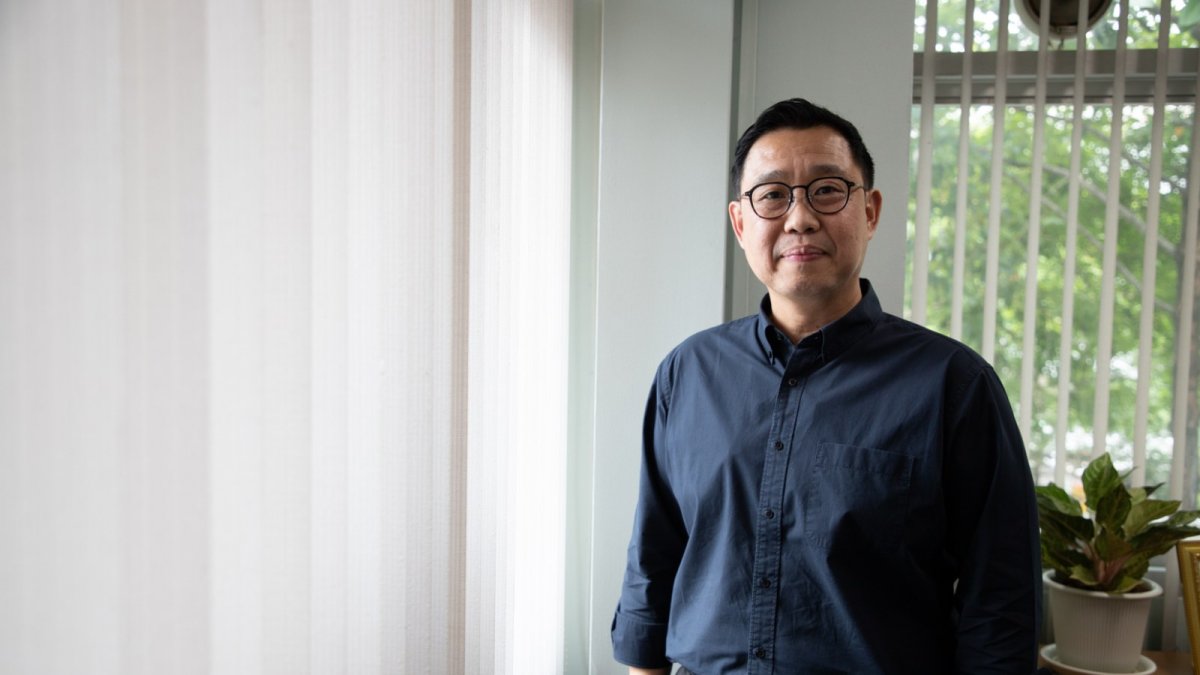
According to Asst Prof Soranart Sinuraibhan, PhD, dean of the Faculty of Architecture at Kasetsart University, the answer lies not in building sterile, clinical spaces for the elderly, but in designing homes that support activity, dignity, and connection at every stage of life. His research unit — the Built Environment for Health and Well-being Research Unit at Kasetsart — is at the forefront of rethinking how Thai households can embrace the concept of "ageing in place."
Ageing in Place: Designing Thai Homes for a Longer, More Active Life
Bangkok, Thailand - this week — The concept of ageing in place — growing old in one's own home or familiar community — is gaining urgent relevance across Thailand as the nation's demographic reality shifts. With nearly a quarter of the population projected to be 65 or older by 2030, the question of how we design our living spaces has moved from academic curiosity to national priority.
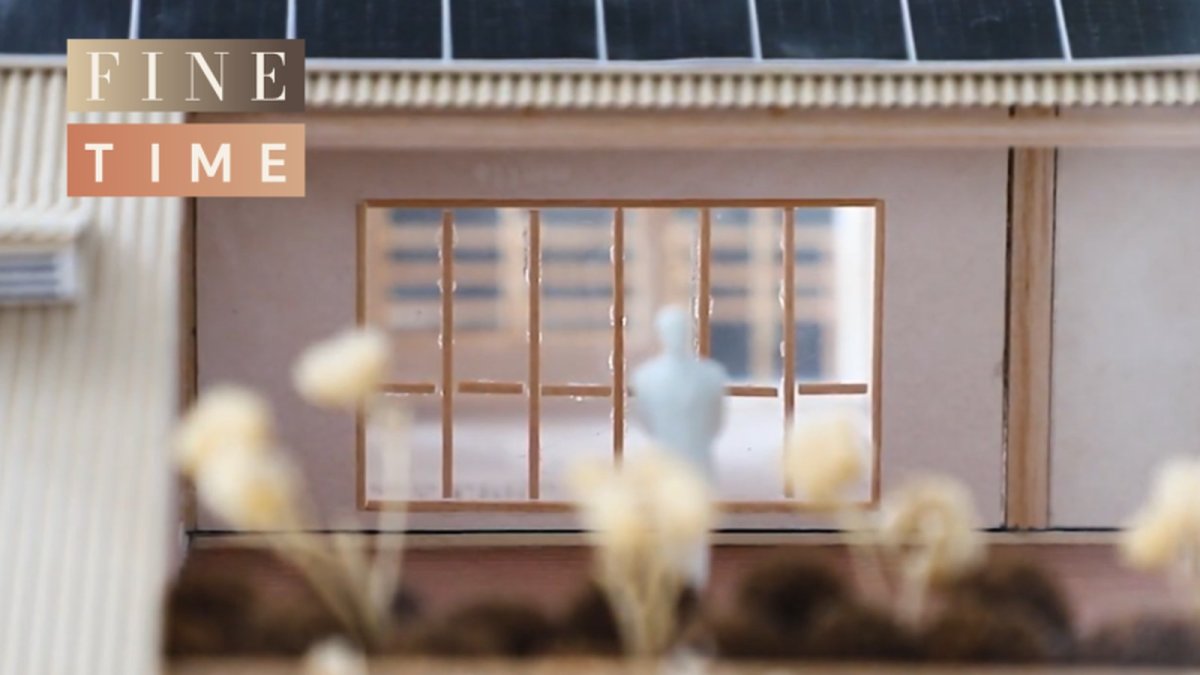
Beyond the Clinical: Rethinking Age-Friendly Design
For decades, age-friendly housing in Thailand conjured images of hospital-like bathrooms with grab bars and institutional railings. Asst Prof Soranart challenges this perception head-on. "If we see a home as an active space — one that encourages older people to stay active — then ageing at home can become a much better experience," he explains. The goal is not to design solely for old age, but to create homes that meet today's needs while adapting gracefully as residents grow older.
This philosophy transforms how architects approach everything from door handles to room layouts. Lever door handles, easier to grip than round knobs, are becoming standard recommendations. Ergonomically designed adjustable tables accommodate both standing and seated activities, allowing seniors to cook, read, or pursue hobbies without strain. The aesthetic has moved far beyond the clinical, embracing warm materials, natural textures, and thoughtful colour palettes that make homes feel inviting rather than institutional.
Safety First: Preventing Falls Through Thoughtful Design
Falls remain among the leading causes of injury among older adults in Thailand, making basic safety measures non-negotiable. Non-slip flooring and rough-textured tiles, particularly in bathrooms, are the first line of defence. But Asst Prof Soranart's approach goes deeper, addressing the subtle hazards that many Thai homes overlook.
Raised bathroom thresholds — long a standard feature in Thai construction to prevent water spillage — are being replaced by drainage channels fitted with hidden grates. This simple innovation keeps bathrooms step-free while effectively managing water flow. The benefit extends beyond immediate safety: step-free areas make it far easier to accommodate a wheelchair in the future, should mobility decline. This forward-thinking approach means families can adapt their homes incrementally rather than undertaking costly renovations during a health crisis.
Light and Movement: The Invisible Architects of Well-Being
Natural light, often overlooked in modern construction, serves as what Asst Prof Soranart calls "a kind of life clock." Dawn and dusk remind us that our lives are moving forward, anchoring us in the rhythms of the day. "When the body can still move, the mind becomes healthier too," he notes, emphasising that adequate windows for natural light and ventilation — without excessive heat gain — are fundamental to both physical and mental well-being.
Orientation matters deeply in Thailand's tropical climate. Proper building orientation for ventilation and daylight is not merely an aesthetic choice but a health intervention. Homes that capture morning light while shielding against afternoon heat create environments where older residents naturally feel more energised and connected to the world outside.
Walkway design plays an equally crucial role. Wider circulation spaces, unobstructed pathways, and appropriately positioned handrails encourage daily activity. Even short distances — from bedroom to bathroom, from living room to kitchen — become opportunities for gentle exercise that keeps older bodies moving and minds engaged.
Intergenerational Living: Designing for Family Connection
Thailand's traditional multi-generational households are undergoing transformation, yet the need for family connection has never been more critical. Asst Prof Soranart's research highlights how thoughtful home design can foster intergenerational interaction. Movement creates family interaction — when circulation spaces are designed to bring people together rather than separate them, family members of different generations are more likely to meet, talk, and share daily life.
This design philosophy directly addresses loneliness, one of the most insidious threats to elderly well-being. By creating homes where grandparents, parents, and children naturally cross paths — in kitchens, along corridors, in shared living areas — architecture can preserve dignity and independence while reducing social isolation. The design challenge is balancing privacy with connection, ensuring that older residents can retreat when needed but are never trapped in solitude.
Dementia-Friendly Design: Safety Through Simplicity
As Thailand's population ages, dementia and Alzheimer's disease are becoming increasingly prevalent concerns for families. Asst Prof Soranart acknowledges that architecture cannot restore memory, but it can make daily life safer and easier for those living with cognitive decline. Simple layouts, clear circulation patterns, and colour contrast between floors and walls help residents distinguish spaces and reduce accidents.
These design principles are particularly relevant for Thai families caring for ageing parents at home. A bathroom door that contrasts visually with the surrounding wall, a corridor free of clutter and visual confusion, a kitchen layout where everything has a clear place — these elements reduce the cognitive load on residents with dementia, allowing them to navigate their environment with greater confidence and independence.

The Seniors' Housing Trap: Decluttering and Storage
One of the most emotionally charged challenges in preparing a home for ageing is decluttering. For many older Thais, possessions feel like memories being erased — every item carries a story, a connection to a loved one, a piece of a life lived. Asst Prof Soranart urges families to approach this sensitive issue with understanding and practical solutions.
Storage deserves far greater attention in home design, he argues. Setting aside at least one room as dedicated storage allows families to preserve meaningful possessions without overwhelming living spaces. Flexible layouts — such as combining living and dining areas — create multifunctional spaces that can adapt as needs change. This approach honours the emotional attachment to belongings while ensuring that homes remain safe, navigable, and comfortable.
Ageing, Asst Prof Soranart suggests, could mean smaller and simpler. A growing number of retirement-oriented condominiums in Bangkok and other Thai cities are being purchased not only by retirees but also by younger single people planning ahead. Downsizing is gaining momentum in many countries, and Thailand is beginning to follow this trend as urban seniors recognise the benefits of smaller, more manageable living spaces.
There is a deeply Thai dimension to this design conversation. In a society shaped by Buddhist values of care and filial duty — and by traditions like Songkran, when families across the country return to their parents' homes — the home has long been the centre of elder care. Many Thai families still expect to look after ageing parents under their own roof rather than in institutional settings. Age-friendly design strengthens that tradition, making it easier for families to honour their obligations while keeping grandparents active, safe, and involved in daily life. For the millions of Thai workers who have migrated to Bangkok or abroad, a well-designed family home also offers reassurance that parents back in the province can live independently and safely for longer.
What to Watch For
As Thailand hurtles toward super-aged status, the conversation around age-friendly housing is shifting from niche concern to mainstream necessity. Policymakers and public agencies are paying closer attention to housing for older citizens, while the private sector is where the most visible changes are occurring. Developers across Bangkok, Chiang Mai, and Phuket are increasingly marketing retirement-oriented condominiums with accessibility features built in from the ground up — responding to a buyer pool that now includes younger single professionals planning decades ahead.
The ASEAN context adds another layer of urgency. Thailand's demographic trajectory mirrors trends across the region — Singapore, Malaysia, and Vietnam are all grappling with ageing populations. Thai architects and designers, through institutions like Kasetsart University's Built Environment for Health and Well-being Research Unit, are positioned to become regional leaders in age-friendly design, exporting knowledge and expertise to neighbouring countries facing similar challenges.
For Thai families, the message is clear: preparing a home for ageing does not mean waiting until retirement or a health crisis. It means making thoughtful choices today — about flooring, lighting, layout, and storage — that will serve residents well for decades to come. It means recognising that a home designed for ageing is not a home designed for decline, but a home designed for living fully at every age.
As Asst Prof Soranart reminds us, designing a home for ageing is ultimately about creating a place where people can continue to move, connect with family, maintain independence, and live well for as long as possible. In a nation where over 20 percent of citizens are already 60 or older, this is not merely good design — it is essential national infrastructure. The homes we build today will shape the quality of life for millions of Thai seniors tomorrow, and the choices we make now will echo through generations.
By Ann Srisawat, Staff Writer
This article was produced with AI-assisted research and editorial support. Reporting is based on sources cited in the article.
What's Your Reaction?
 Like
0
Like
0
 Dislike
0
Dislike
0
 Love
0
Love
0
 Funny
0
Funny
0
 Wow
0
Wow
0
 Sad
0
Sad
0
 Angry
0
Angry
0

Southeast Asia Correspondent at Global1.News. Based in Bangkok, covering Thai and Southeast Asian politics, economy, technology, and culture. Deep regional perspective on one of the world's most dynamic regions.















Comments (0)