
Ageing in Place: Designing Thai Homes for a Longer Life
The Bangkok Post's "Fine Time" series this week turns its lens on a question that touches every Thai family: how can our homes carry us gracefully into old age? As Thailand officially becomes an "aged society" — with citizens aged 60 and older now making up more than 20 percent of the total population — the conversation has shifted from abstract policy to the very walls we live in.
The Bangkok Post's "Fine Time" series this week turns its lens on a question that touches every Thai family: how can our homes carry us gracefully into old age? As Thailand officially becomes an "aged society" — with citizens aged 60 and older now making up more than 20 percent of the total population — the conversation has shifted from abstract policy to the very walls we live in. The series explores a simple yet profound idea: that ageing in place, growing old in one's own home, is not only possible but can be a richer experience when our living spaces are designed with intention.
Ageing in Place: Designing Thai Homes for a Longer Life
Bangkok, Thailand – This week — The numbers are stark and undeniable. Thailand's population aged 60 and above reached 13.6 million in the latest 2025 population analysis, surpassing children under 15, who number just 9.5 million, for the first time in the nation's history. This demographic turning point, combined with Thailand's ranking as the third-most rapidly ageing population in the world according to the Economic Research Institute for ASEAN and East Asia (ERIA), has placed an urgent focus on how the country will care for its elders. The answer, according to leading architects and urban planners, may not lie in sprawling new facilities, but in the thoughtful redesign of the homes we already occupy.
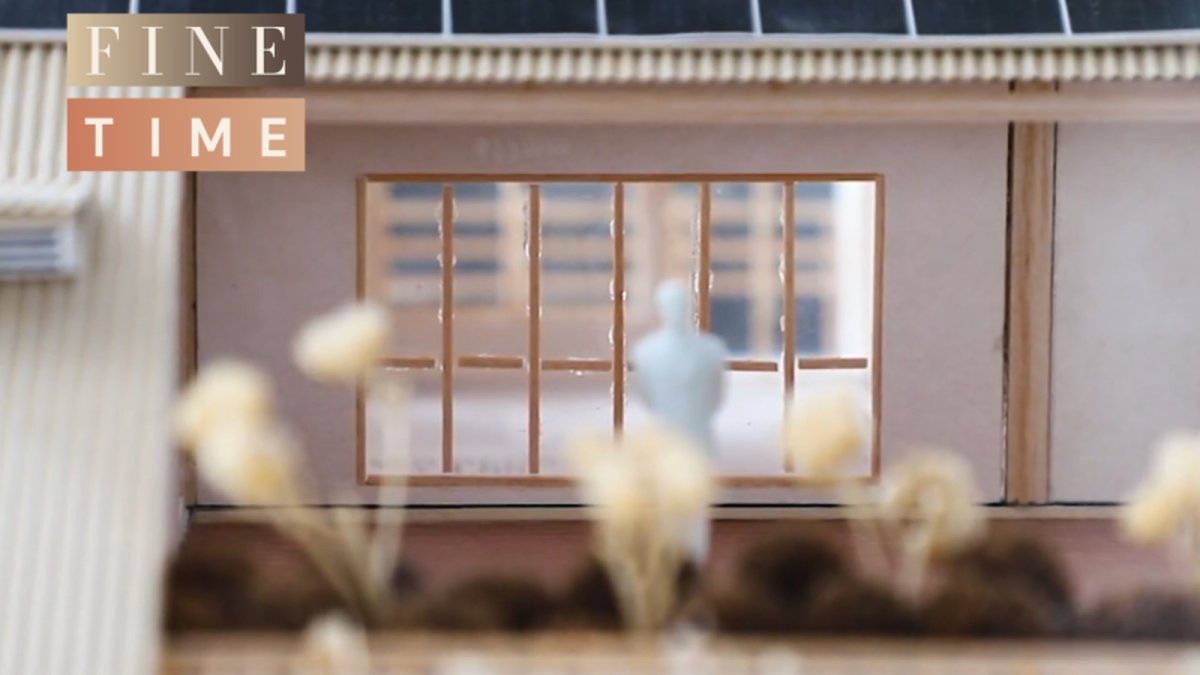
Rethinking the Thai Home for Every Stage of Life
At the forefront of this architectural shift is Asst Prof Soranart Sinuraibhan, PhD, dean of the Faculty of Architecture at Kasetsart University and head of the Built Environment for Health and Well-being Research Unit. In the Bangkok Post feature "Ageing in place: A home that matches life's pace," Prof Soranart argues that preparing a home for ageing does not mean designing it solely for old age. "If we see a home as an active space — one that encourages older people to stay active — then ageing at home can become a much better experience," he said. The philosophy is one of adaptability: a home can accompany us through childhood, adulthood, and into our later years, meeting our needs today while seamlessly adapting as those needs evolve.
This approach is a departure from the clinical, hospital-like aesthetic often associated with accessibility. Instead, Prof Soranart's vision is rooted in fundamental architectural principles that have always mattered in Thailand's tropical climate — proper orientation for ventilation and daylight. "Natural light serves as a kind of life clock, with dawn and dusk reminding us our lives are moving forward," he explained. A house should have enough windows to invite natural light and ventilation without exposing the interior to excessive heat from direct sunlight, a balance that requires careful consideration of the local climate and the home's orientation. This is not just about energy efficiency; it is about mental well-being and maintaining a connection to the rhythm of the day.
Practical Solutions: From Bathroom Floors to Door Handles
The most critical interventions are often the least glamorous. Falls are among the leading causes of injury among older adults and can result in prolonged illness, a fact that drives Prof Soranart's emphasis on simple, preventative measures. Non-slip flooring or rough-textured tiles, particularly in bathrooms, are a first line of defence. Eliminating level changes inside the home makes movement safer; instead of raised bathroom thresholds, a drainage channel with a hidden grate keeps bathrooms step-free while preventing water from flowing into the rest of the home. These step-free areas also make it easier to accommodate a wheelchair in the future, should the need arise.
The details extend beyond the bathroom. Lever door handles are easier to grip than traditional round knobs, a small change that can make a significant difference for hands affected by arthritis. Ergonomically designed adjustable tables can accommodate both standing and seated activities, allowing older residents to continue hobbies and tasks they love. Thoughtful walkway design ensures that paths around the home are easy and comfortable to navigate, with wider circulation spaces, unobstructed walkways, and appropriately positioned handrails. Even short distances, Prof Soranart notes, can be beneficial for older adults, encouraging gentle movement that maintains strength and balance.
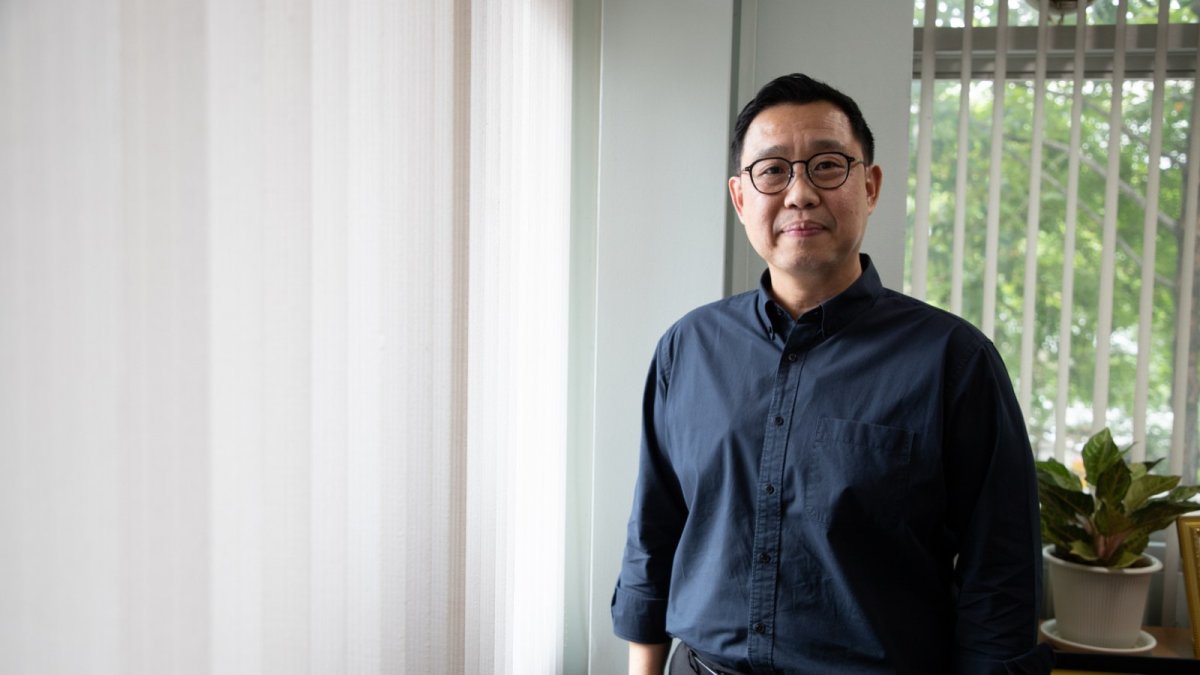
Designing for Memory, Dignity, and Family Connection
As forgetfulness can become more common with age, and some may develop dementia or Alzheimer's disease, the layout and visual distinction of spaces take on new importance. Architecture cannot restore memory, Prof Soranart acknowledges, but it can make daily life safer and easier. Simple layouts and clear circulation help residents remember and manage daily routines. Colour contrast between floors and walls helps distinguish spaces and reduce accidents, providing subtle visual cues that guide residents through their homes with confidence.
Beyond safety, the design of a home profoundly impacts social connection. Movement creates opportunities for family interaction, a cornerstone of intergenerational living. When people can easily walk from one room to another, family members of different generations are more likely to meet, talk, and spend time together. This can help reduce loneliness while preserving the dignity and independence of older adults. In a culture where respect for elders is central — expressed through the wai greeting, the Songkran tradition of pouring water over the hands of elders, and the deep-rooted custom of caring for parents in the family home — this design philosophy aligns perfectly with Thai values. It allows families to continue their traditional caregiving roles within a space that supports, rather than hinders, that duty.
Thailand's Demographic Shift and the Housing Market Response
Thailand's transition to an aged society is not a distant future; it is the present reality. The country has crossed into "super-aged" territory by UN definitions, with more than one-fifth of the population now aged 60 and over. This shift is reshaping the housing market in unexpected ways. Increasingly, people are preparing for old age long before they become elderly. A growing number of retirement-oriented condominiums are being purchased not only by retirees but also by younger single people who recognise the need to plan ahead. This trend reflects a broader global movement towards downsizing — moving into smaller homes as people age. A smaller home, as Prof Soranart points out, can better match changing lifestyles while being easier to maintain and navigate.
This is a significant departure from the traditional Thai model of the multi-generational family home, where elders are cared for by their children and grandchildren. While that tradition remains strong, urbanisation and changing family structures are making it more complex. The rise of the single-person household and the migration of younger generations to cities for work mean that many older Thais are living alone or with only a spouse. The design principles outlined by Prof Soranart offer a path forward for these families, allowing elders to remain in their communities, close to their temples and support networks, rather than being uprooted to institutional care. Temples, in particular, remain a vital support network for older Thais, and ageing in place allows them to maintain these crucial social and spiritual connections.
Implications for Southeast Asia and the ASEAN Community
Thailand's experience is being closely watched by its ASEAN neighbours. Japan, South Korea, and Singapore have already grappled with the challenges of rapidly ageing populations, and their solutions — from robotic care assistants to mandatory long-term care insurance — offer valuable lessons. However, Thailand's situation is unique, given its lower per-capita income compared to these East Asian peers and its deeply entrenched family-based caregiving traditions. The country is effectively charting a new course, one that blends modern architectural science with traditional cultural values.
The implications for the wider region are profound. As ASEAN economies integrate further, the mobility of labour and the flow of retirement income across borders will become increasingly important. Thailand, with its established tourism industry and relatively low cost of living, is already a destination for retirees from Japan, Europe, and elsewhere. The development of age-friendly housing could enhance this appeal, positioning Thailand as a hub for retirement living in Southeast Asia. Furthermore, the principles of "ageing in place" are universally applicable. As Vietnam, the Philippines, and Indonesia begin their own demographic transitions, they will look to Thailand's example for cost-effective, culturally appropriate solutions that allow their citizens to age with dignity in their own homes.
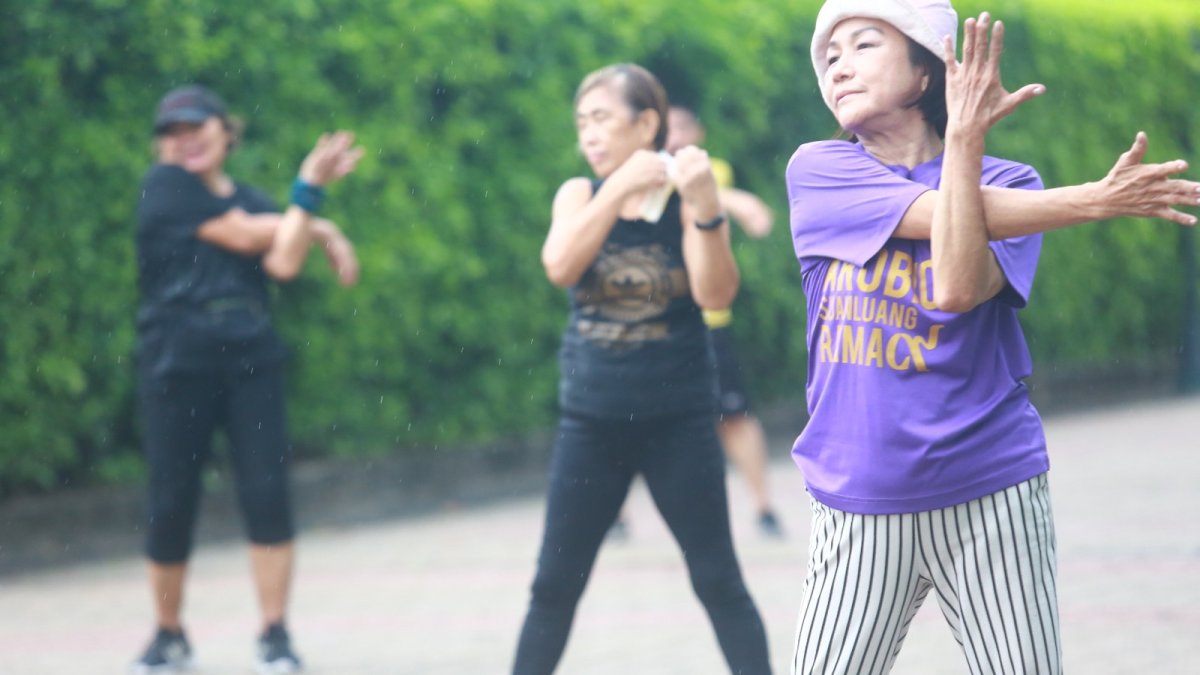
Expert Perspectives and a Call to Action
Prof Soranart's research unit at Kasetsart University is at the forefront of this movement, but he is clear that the responsibility does not rest with architects alone. Urban planners, developers, government agencies, and families all have a role to play. The Thai government, through various ministries, has begun to address elderly care policy, but the integration of age-friendly design into building codes and urban planning is still in its infancy. For families, the message is one of proactive planning. "Getting older is not an easy reality for many," Prof Soranart said. "Creating an environment that allows us to continue using the abilities we still have with ease makes ageing feel less limiting."
Storage, too, deserves greater attention. Possessions can feel like memories being erased, and homeowners are advised to set aside at least one room as a dedicated storage space. Flexible layouts, such as combining living and dining areas, can free up room for practical functions that become valuable later in life, such as a space for a caregiver or a home therapy area. The goal is not to create a sterile, clinical environment, but a warm, familiar home that can adapt. Age-friendly design has moved beyond the clinical appearance often associated with accessibility, embracing aesthetics that are both beautiful and functional.
What to Watch For
Looking ahead, the trend towards smaller, simpler, and more adaptable homes is expected to accelerate. Thailand's elderly population is projected to continue growing, placing increasing pressure on the housing market and healthcare system. We can expect to see more developers incorporating age-friendly features into new projects, not just in retirement communities but in mainstream condominiums and housing estates. The government may also introduce incentives for retrofitting existing homes, recognising that the vast majority of older Thais will remain in their current residences. The conversation is shifting from where we will live in old age to how we will live, and the answer is increasingly clear: in homes that are designed to move with us through life, supporting our independence, our connections, and our dignity at every step.
For Thai readers, the message is both personal and practical. Whether you are in your twenties planning your first home or in your sixties looking to adapt your current one, the principles of age-friendly design are relevant. It is about creating a place where you can continue to move, connect with family, maintain your independence, and live well for as long as possible. It is a Buddhist perspective on preparing for later life — not with fear, but with mindful planning and acceptance of life's impermanence. The home, in this vision, is not just a shelter but a partner in the journey of life, a testament to the belief that growing older can be a time of continued growth, connection, and peace.
By Ann Srisawat, Staff Writer
This article was produced with AI-assisted research and editorial support. Reporting is based on sources cited in the article.
What's Your Reaction?
 Like
0
Like
0
 Dislike
0
Dislike
0
 Love
0
Love
0
 Funny
0
Funny
0
 Wow
0
Wow
0
 Sad
0
Sad
0
 Angry
0
Angry
0

Southeast Asia Correspondent at Global1.News. Based in Bangkok, covering Thai and Southeast Asian politics, economy, technology, and culture. Deep regional perspective on one of the world's most dynamic regions.














Comments (0)