
Abu Obeida: Neutrality No Longer an Option as Israeli Strikes Hit Gaza
In a recent Middle East Eye report, Abu Obeida, the military spokesperson for Hamas, delivered a stark message to mediating countries as Israeli bombings continued across the Gaza Strip. The address, the third since the spokesperson assumed the role following the killing of the previous officeholder last August, declared that neutrality is no longer an option for Muslim nations
In a recent Middle East Eye report, Abu Obeida, the military spokesperson for Hamas, delivered a stark message to mediating countries as Israeli bombings continued across the Gaza Strip. The address, the third since the spokesperson assumed the role following the killing of the previous officeholder last August, declared that neutrality is no longer an option for Muslim nations witnessing the ongoing violence. The speech comes as the US-brokered ceasefire reached in October continues to unravel, with over 950 Palestinians killed since the agreement was signed.
Abu Obeida Declares Neutrality No Longer an Option as Israeli Strikes Continue Across Gaza
Gaza City, Occupied Palestinian Territory – June 6, 2026 — Abu Obeida, the newly appointed military spokesperson for Hamas, delivered a forceful third address warning mediating countries that continued neutrality in the face of Israeli military operations is untenable. The speech paid tribute to recently slain commanders and underscored the deteriorating conditions in Gaza, where most of the population remains displaced.
The Speech and Its Significance
Abu Obeida's address carried a notably firm tone, directly confronting nations that have positioned themselves as mediators in the conflict. He stated that neutrality is no longer viable amid ongoing aggression, framing the continued strikes as evidence that diplomatic efforts have failed to restrain Israeli operations. This marks a shift from previous statements, reflecting the cumulative impact of repeated violations since the ceasefire took effect.
The tribute to Ezzideen Alhaddad and Mohamed Oudeh underscored the personal losses within the military structure. Both commanders were killed in targeted strikes that also claimed the lives of family members, a pattern that Abu Obeida described as deliberate escalation. The speech positioned these assassinations as part of a broader campaign that undermines any prospect for sustained calm.
Listeners in Gaza interpreted the remarks as a call for accountability rather than mere rhetoric. Local analysts noted that the spokesperson's emphasis on third-party responsibility signals an attempt to internationalize the pressure on those countries that have maintained channels with both sides yet have not halted the violence.
Ceasefire Breakdown and Continued Israeli Military Operations
Since the US-brokered ceasefire in October, Israeli forces have killed over 950 Palestinians in Gaza according to figures reported in the region. The agreement, intended to bring a measure of relief after months of intense fighting, has proven unstable as strikes persist on multiple fronts. Abu Obeida described the situation as one where the ceasefire exists in name only.
Israeli operations have focused on areas previously designated for de-escalation, with military activity reported in northern and central Gaza throughout recent weeks. These actions contradict the expectations set during mediation talks, leaving residents uncertain about the durability of any pause in hostilities.
The pattern of continued operations has eroded trust in external guarantees. Palestinian officials have repeatedly documented instances where strikes resumed shortly after diplomatic assurances were issued, creating a cycle of temporary lulls followed by renewed bombardment.
Targeting of Residential Areas and Civilian Death Toll
This week, Israeli strikes hit multiple residential buildings, resulting in the deaths of a dozen people. These attacks occurred in densely populated neighborhoods where families had sought shelter after earlier displacements. The choice of targets has drawn attention to the direct impact on civilian infrastructure.
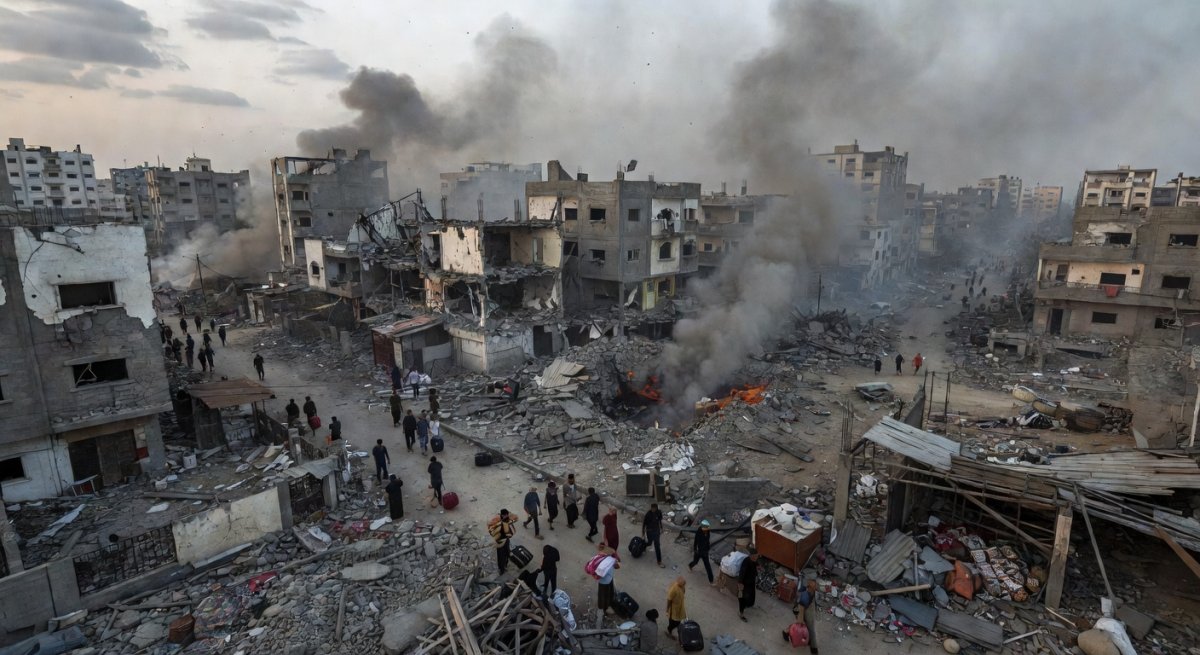
Residents described scenes of destruction where entire apartment blocks were reduced to rubble within minutes. Survivors recounted the loss of neighbors and extended family members who had gathered in what they believed were safer locations. The death toll from these specific incidents adds to the cumulative figure exceeding 950 since October.
Medical workers at local hospitals reported receiving casualties with injuries consistent with strikes on occupied structures. The repeated targeting of homes has compounded the sense of vulnerability among those who remain in Gaza, many of whom lack alternative shelter options.
Broader Regional Context and Calls for Muslim Nations to Act
Abu Obeida directed sharp criticism toward fellow Muslim nations, accusing them of insufficient intervention to ease the Palestinian plight. The speech framed this inaction as a moral and political failing at a time when diplomatic channels remain open with Israel and its allies. Such remarks reflect growing frustration with regional actors who have prioritized other concerns over direct engagement.
Historically, Palestinian appeals to the broader Muslim world have centered on shared religious and cultural ties, yet responses have often remained limited to statements of solidarity. The current address seeks to move beyond rhetoric by demanding concrete measures that could alter the balance of pressure on mediating parties.
Regional dynamics play a direct role in daily life within Gaza, where economic restrictions and movement limitations intersect with political calculations made in distant capitals. The call for accountability highlights how decisions in Arab and Muslim states influence the resources available to families facing prolonged uncertainty.
The Humanitarian Crisis and Displacement Situation
Most of Gaza's population remains displaced, with many families living in temporary shelters or overcrowded conditions after repeated waves of evacuation orders. The continued strikes on residential areas have prevented returns to original homes, extending a state of limbo that began well before the October ceasefire.
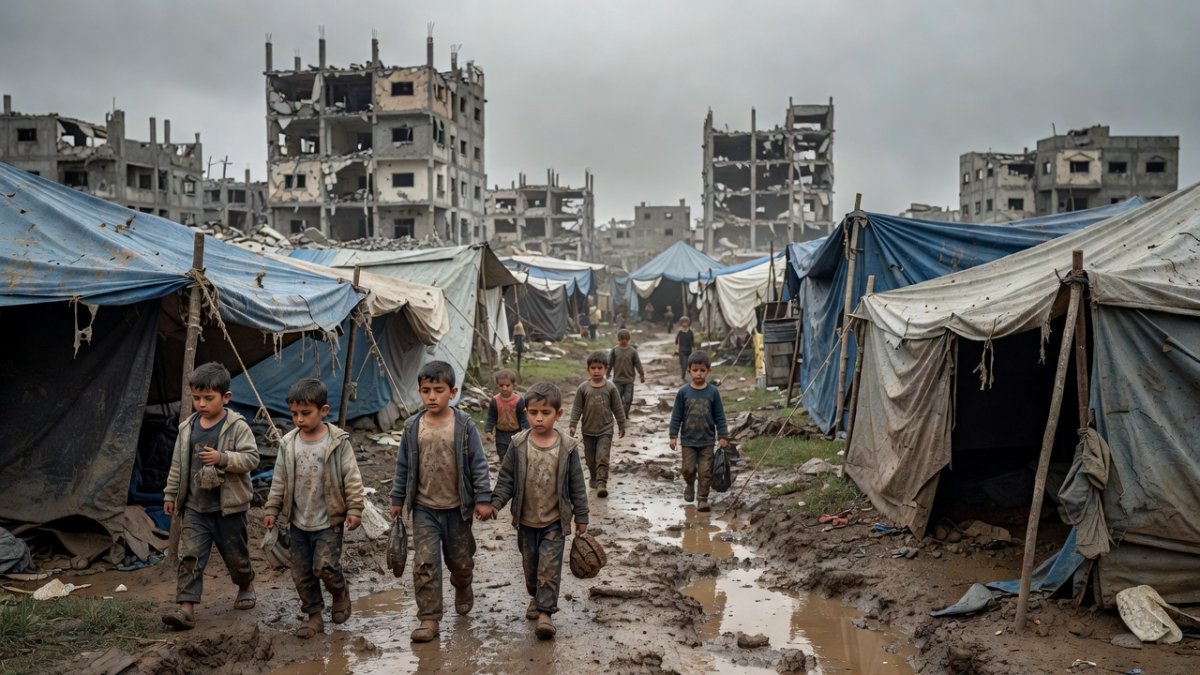
Humanitarian organizations operating in the Strip report severe shortages of basic supplies, exacerbated by the instability that followed the agreement. Access to clean water, medical care, and adequate nutrition has deteriorated further for those unable to relocate to safer zones.
The lived reality for displaced Palestinians includes constant adaptation to new threats. Children attend makeshift classes when possible, while adults navigate destroyed infrastructure to secure minimal provisions. Abu Obeida's speech connected these daily hardships to the broader failure of regional actors to enforce meaningful restraints on military activity.
Community leaders emphasize that the human cost extends beyond immediate casualties to long-term effects on mental health and social cohesion. Families separated by displacement struggle to maintain connections, while the destruction of homes removes physical anchors to community life built over generations.
By Fatima Al-Rashid, Staff Writer
This article was produced with AI-assisted research and editorial support. Reporting is based on sources cited in the article.
What's Your Reaction?
 Like
0
Like
0
 Dislike
0
Dislike
0
 Love
0
Love
0
 Funny
0
Funny
0
 Wow
0
Wow
0
 Sad
0
Sad
0
 Angry
0
Angry
0
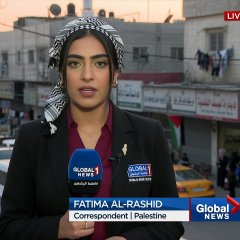
Gulf/MENA Correspondent at Global1.News. Based in Doha, covering Gulf politics, energy markets, diplomacy, and development across the Middle East and North Africa. Tracks the economic transformation of the Gulf states.












Comments (0)