
19 Dead After Sudden Downpour Sparks Stampede at Kolkata Durga Puja
In a tragic turn of events that has shaken the streets of Kolkata, 19 people lost their lives when a sudden downpour turned a festive crowd into a panicked mass at the Durga Puja celebrations.
In a tragic turn of events that has shaken the streets of Kolkata, 19 people lost their lives when a sudden downpour turned a festive crowd into a panicked mass at the Durga Puja celebrations. The DW News footage, recorded on 18 October 2026, shows the chaotic aftermath and the frantic response of authorities as they work to identify the victims and investigate the causes of the crush. While the incident unfolded far from Mexico, the dynamics of crowd safety, political responsibility and the role of religious gatherings echo the challenges we face in our own Latin American neighborhoods, where festivals and public events can quickly become sites of danger when planning falls short. This report examines the sequence of events, the structural factors that contributed to the disaster, and the broader questions about public safety that arise whenever large gatherings intersect with unpredictable weather.
How the Stampede Unfolded
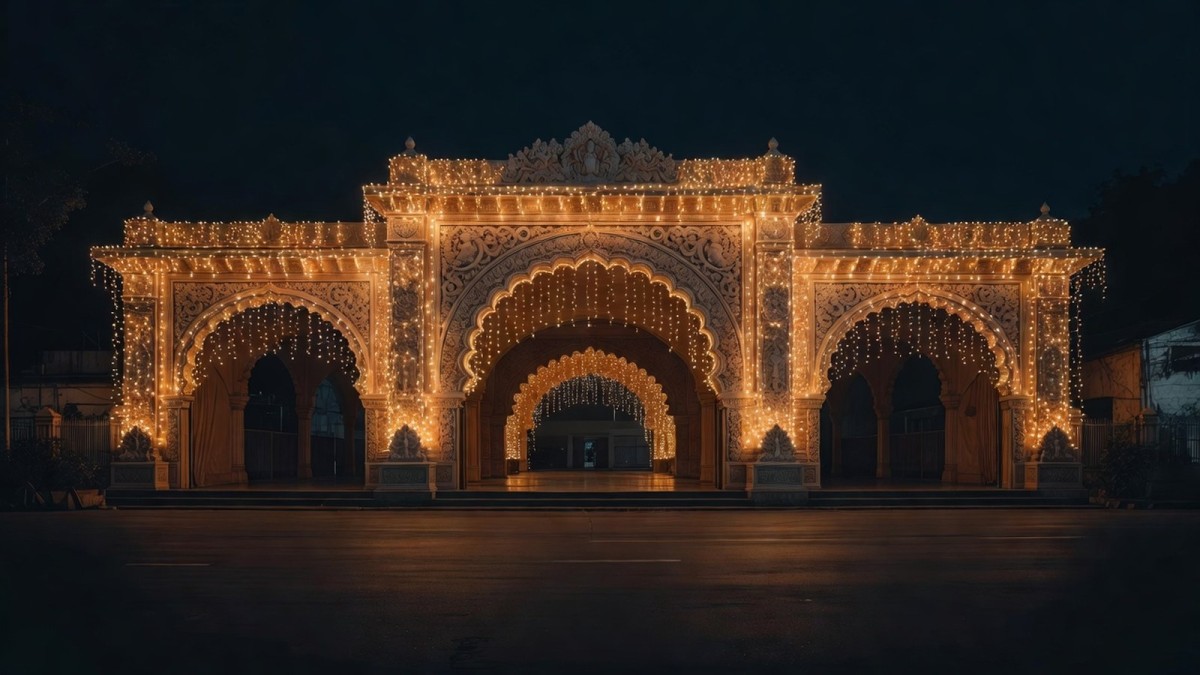
According to the DW News video, the fatal incident occurred during the Durga Puja festival, one of the most important Hindu celebrations in Kolkata. The festival is known for its elaborate pandals—temporary structures that house the deity and attract thousands of devotees. At the moment captured in the footage, a sudden downpour struck the area, prompting a rapid shift in the crowd’s behavior. The video shows people scrambling for shelter, while the flow of the crowd became erratic and dense.
Witnesses in the video describe a scene where the rain fell so heavily that the ground turned slick, and the sudden loss of visibility added to the confusion. As the crowd tried to move away from the exposed areas, the density of bodies increased, creating a bottleneck at the entrance of the pandal. The pressure built up quickly, and within minutes, the crush became deadly. The footage captures the moment when emergency responders arrived, pulling victims from the tangled mass and attempting to restore order.
DW News reports that authorities are now working to identify the 19 victims, a process that involves coordination between local police, medical services and families. The video does not provide names or specific details about the victims, but the somber tone of the report underscores the human toll of the disaster. The immediate focus of the investigation is on the safety lapses that may have allowed the situation to spiral out of control.
Factors Behind the Crowd Collapse
The video includes commentary from Mukulika Banerjee, a scholar at the London School of Economics, who points out several likely contributors to the tragedy. First, she notes that the rapid onset of rain can catch organizers off guard, especially when the event is held in open spaces without adequate shelter. The sudden weather change can trigger panic, as people instinctively seek cover, creating a surge that overwhelms the flow design of the venue.
Banerjee also highlights the growth of mega‑pandals in recent years. These structures have become larger and more elaborate, drawing ever‑larger crowds. While they are visually impressive, the increase in attendance has not always been matched by proportional upgrades in crowd‑control infrastructure. The video suggests that many pandals lack sufficient exit routes, barriers or crowd‑management personnel to safely channel thousands of worshippers.
Another factor discussed in the report is the political dimension of festival organization. In Kolkata, local politicians often sponsor or support pandals as a way to connect with constituents. This can lead to a “race to the top” in terms of size and spectacle, sometimes at the expense of rigorous safety planning. The DW footage hints that police deployment and political oversight may have been insufficient to anticipate the sudden weather event and to enforce crowd‑control measures.
Police Deployment and Political Responsibility
The video’s segment on “Who is responsible: Police deployment & politics” raises questions about the role of law‑enforcement agencies in preventing such tragedies. In the footage, DW correspondents note that police presence was visible but not necessarily positioned to manage the flow of people effectively. The lack of a clear command structure or designated crowd‑control zones may have contributed to the chaos when the rain began.
Political leaders in Kolkata often use Durga Puja as a platform to showcase development projects and cultural patronage. This political involvement can create pressure to prioritize the visual impact of the pandal over the logistical necessities of crowd safety. The video suggests that a closer coordination between municipal authorities, the police and festival organizers is needed to develop contingency plans for weather emergencies.
While the report does not assign direct blame, it emphasizes that the investigation will examine whether safety protocols were followed, whether the police were adequately briefed, and whether political actors oversaw the event with sufficient attention to risk mitigation. The outcome of this inquiry could set a precedent for how future religious festivals in India—and perhaps elsewhere—manage large crowds under unpredictable conditions.
Comparative Lessons for Latin America
Although the incident unfolded in Kolkata, the dynamics of crowd safety have parallels in many Latin American contexts. In Mexico, large religious processions, popular fairs and even political rallies can attract massive crowds, sometimes in venues that lack proper egress routes. The tragic stampede in Kolkata reminds us of the importance of integrating weather forecasts into event planning, especially for outdoor gatherings that draw thousands.
Our own experience with events such as the Feria de San Marcos in Aguascalientes or the Día de los Muertos parades in Oaxaca shows that sudden changes—whether in weather or in crowd behavior—can quickly overwhelm even well‑intentioned organizers. The DW report’s focus on the need for clear police deployment and political accountability resonates with the calls we have heard from Mexican civil society for stronger oversight of public safety at large gatherings.
Moreover, the video underscores the role of academic expertise in shaping policy. Banerjee’s analysis, presented in the DW segment, illustrates how scholars can provide critical insights into crowd dynamics and risk factors. In Mexico, institutions such as the Instituto Nacional de Estadística y Geografía (INEGI) and the Comisión Nacional de Seguridad (CNS) could benefit from similar collaborations with researchers to develop evidence‑based guidelines for crowd management.
Immediate Aftermath and Ongoing Investigation
In the hours following the stampede, emergency services worked to treat the injured and retrieve the deceased. The DW footage shows ambulances and medical teams moving through the crowded streets, while police cordoned off the area to preserve evidence. Families of the victims have been notified, and the city’s health department is coordinating with hospitals to provide care for those affected.
The investigation, as described in the video, will focus on several key questions: Were the entry and exit points of the pandal sufficient for the number of attendees? Did the organizers have a contingency plan for sudden weather changes? Were police forces adequately deployed and trained to manage a rapid surge? Answers to these questions will shape recommendations for future festivals and may lead to regulatory changes at the municipal or state level.
DW’s report also notes that the authorities are probing possible safety lapses, suggesting that they will examine whether any negligence occurred in the planning or execution of crowd‑control measures. The outcome of this probe could result in penalties for organizers, revisions to safety codes, or increased oversight by city officials. The video ends with a summary that emphasizes the need for better preparedness to prevent similar tragedies.
Looking Ahead: Strengthening Safety at Mass Gatherings
The tragic loss of 19 lives at Kolkata’s Durga Puja serves as a stark reminder that even deeply rooted cultural celebrations can become sites of danger when safety is not prioritized. The DW News report, through its footage and expert commentary, highlights the importance of comprehensive planning that accounts for weather, crowd density, and clear lines of authority.
For Mexico and other Latin American nations, the incident offers a cautionary tale. It underscores the necessity of integrating meteorological data into event logistics, ensuring that venues have sufficient egress routes, and that police and security forces are strategically positioned to manage crowd flow. It also calls for political leaders to place public safety above spectacle, recognizing that the credibility of cultural festivals rests on the well‑being of participants.
As the investigation in Kolkata proceeds, the lessons drawn from this tragedy can inform policy discussions in our own country. By learning from the missteps observed in the video—such as inadequate shelter, insufficient crowd‑control personnel, and a lack of coordinated emergency response—we can work toward safer, more resilient public celebrations. The hope is that the families of the 19 victims find some solace in knowing that their loss may help prevent future disasters, both in India and across the globe.
By Rosa Martinez, Staff Writer
This article was produced with AI-assisted research and editorial support. Reporting is based on the source material cited below. Sources: DW News video report (18 October 2026); DW News; Global1.News
What's Your Reaction?
 Like
0
Like
0
 Dislike
0
Dislike
0
 Love
0
Love
0
 Funny
0
Funny
0
 Wow
0
Wow
0
 Sad
0
Sad
0
 Angry
0
Angry
0

Latin America/Andes Correspondent at Global1.News. Based in Bogota, covering politics, environment, energy, and social movements across the Andean region. Passionate about environmental journalism and communities protecting their land.












Comments (0)