
Which neighborhoods in Mexico City have the highest seismic risk?
Every September 19th, the memory of past tremors hangs heavy over the streets of Mexico City, a reminder that the capital rests on a fragile lakebed that amplifies the earth’s movements.
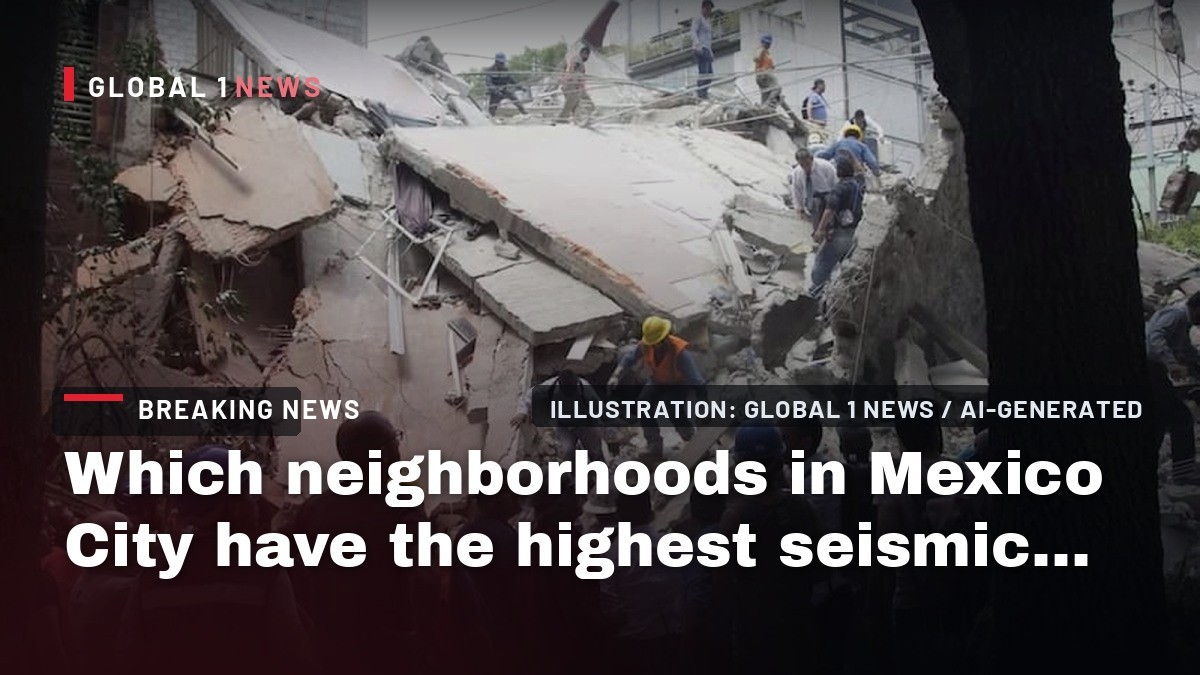
Every September 19th, the memory of past tremors hangs heavy over the streets of Mexico City, a reminder that the capital rests on a fragile lakebed that amplifies the earth’s movements. While scientists stress the impossibility of precise prediction, the lived experience of families, vendors, and office workers tells a different story: the city’s neighborhoods are not all equally vulnerable. Understanding which colonias sit atop the most treacherous clay and how urban planning—or the lack of it—has shaped their fate is essential for any conversation about safety, heritage, and the daily rhythm of life in the metropolis.
Why the lakebed matters: the science of Zone III
Mexico City’s seismic microzonation divides the urban sprawl into zones based on the composition of the ground beneath. The most perilous of these is Zone III, often called the Lake Zone, where thick layers of lacustrine clay sit ready to amplify seismic waves. When the ground shakes, the soft, highly compressible clay acts like a giant cushion that rebounds, intensifying the motion felt on the surface. This phenomenon explains why certain colonias, despite being only a few blocks apart, experience dramatically different levels of damage during the same earthquake.
Residents of neighborhoods that lie within Zone III have learned to read the subtle signs of an impending tremor—cracks in the pavement, the sway of old church towers, the sudden hush of street vendors. Their lived knowledge, combined with the scientific mapping of the lakebed, highlights a stark reality: the city’s geography is a silent partner in every quake, and its influence is unevenly distributed.
Colonia Cuauhtémoc: skyscrapers and seismic strain
At the heart of the Cuauhtémoc borough, the eponymous colonia stands as a microcosm of the capital’s contradictions. Bordered by the iconic Paseo de la Reforma, the historic streets of Juárez, and the bustling Historic Center, this neighborhood mixes towering corporate skyscrapers with dense residential blocks. The very height of its buildings, while a symbol of modern ambition, also makes them especially vulnerable to the amplified waves that travel through Zone III’s clay.
After the earthquakes of 2017 and 2022, Colonia Cuauhtémoc suffered severe damage, a consequence of both the soft ground and what many observers describe as “poor urban planning.” The rapid rise of high‑rise structures on a foundation that swells and shifts under pressure has left cracks in façades, shattered windows, and a lingering sense of unease among families who now watch the horizon for the next tremor.
The Historic Center: ancient foundations, modern fragility
The Historic Center, perched directly atop the ruins of the ancient city of Tenochtitlán, carries layers of history that are both a treasure and a liability. Buildings and temples, some more than five centuries old, sit on ground that has been compacted and re‑compacted through centuries of construction, demolition, and reconstruction. The Church of Loreto, for example, now tilts noticeably—a visible testament to the cumulative stress of repeated earthquakes.
Because the area is also within Zone III, the seismic energy that reverberates through the clay magnifies the stress on these historic structures. While the cultural value of the neighborhood is immeasurable, the physical toll is evident in cracked walls, shifted stonework, and a growing urgency among preservationists to retrofit monuments without compromising their authenticity.
Roma Norte and Roma Sur: trendy streets on trembling ground
Known for its vibrant cafés, boutique shops, and artistic vibe, Roma Norte and Roma Sur sit squarely atop the same soft clay that endangers taller districts. The streets, already famous for their chaotic traffic and tree roots that pry through asphalt, reveal an additional layer of disruption after major quakes: visible cracks that spiderweb across sidewalks and roads.
Local business owners speak of “the scars” left by past tremors—broken storefronts, shattered windows, and the ever‑present need to repair. While the borough’s efforts to patch up damage have been earnest, the underlying geology means that each new quake can reopen old wounds, turning the neighborhood’s charm into a reminder of its seismic vulnerability.
Condesa: a beloved enclave with hidden risks
Colonia Condesa, a favorite weekend destination for families strolling under its leafy avenues, shares the same Zone III designation. The neighborhood’s iconic Art‑Deco buildings and newer apartment towers rest on thick, soft clay deposits that dramatically amplify seismic vibrations. During the 2017 earthquake, several older structures that had not been adequately retrofitted collapsed, leaving a lasting imprint on the community’s collective memory.
Beyond the physical damage, residents voice concerns about corruption and perceived neglect of safety guidelines. Reports from local media suggest that a lack of enforcement has fostered fear that future strong quakes could repeat the devastation, especially in buildings that were constructed or renovated without strict adherence to seismic standards.
Juárez: nightlife under the tremor’s shadow
Colonia Juárez, renowned for its year‑round nightlife and vibrant cultural scene, also feels the ground’s movements intensely. The area’s residents have grown accustomed to the sensation of low‑intensity tremors, often evacuating onto the streets before official alerts sound. This reflex, born of experience, underscores how deeply the seismic risk is woven into daily life.
While the festive atmosphere provides a sense of community resilience, the constant awareness of potential shaking adds a layer of anxiety, especially for business owners who must balance the demands of keeping doors open with the need for rapid evacuation plans.
Looking ahead: community preparedness and policy implications
The pattern that emerges from these neighborhoods is clear: those situated in Zone III—Cuauhtémoc, the Historic Center, Roma, Condesa, and Juárez—face amplified seismic risk due to the soft lakebed beneath them. The common thread among them is not just geography but also the interaction between that geography and human decisions: the placement of high‑rise towers, the retrofitting of older structures, and the enforcement of building codes.
For families living in these colonias, preparedness means more than just having an emergency kit; it involves advocating for stricter compliance with safety standards, supporting community drills, and preserving the cultural heritage that defines each barrio. As Mexico City continues to grow, the challenge will be to balance development with the immutable reality of its lakebed foundation, ensuring that the city’s vibrancy does not come at the cost of safety.
This article was produced with AI-assisted research and editorial support. Reporting is based on the source material cited below. Sources: Mexico News Daily; mexiconewsdaily.com; Global1.News (18 September 2026).
By Rosa Martinez, Staff Writer
What's Your Reaction?
 Like
0
Like
0
 Dislike
0
Dislike
0
 Love
0
Love
0
 Funny
0
Funny
0
 Wow
0
Wow
0
 Sad
0
Sad
0
 Angry
0
Angry
0
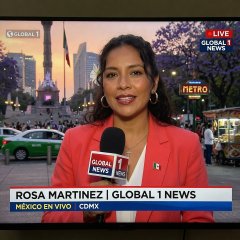
Latin America/Andes Correspondent at Global1.News. Based in Bogota, covering politics, environment, energy, and social movements across the Andean region. Passionate about environmental journalism and communities protecting their land.











Comments (0)