
UN court declares Myanmar’s 2017 attacks a state‑sponsored genocide against Rohingya
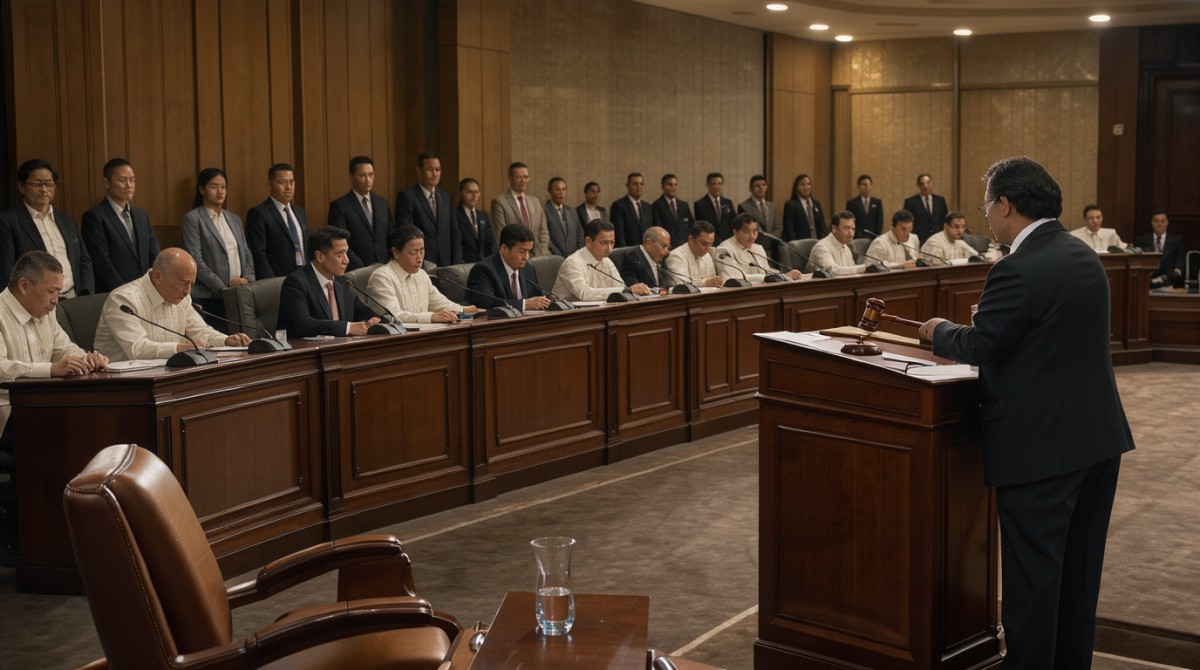
The International Court of Justice (ICJ) issued a landmark ruling on Thursday, finding that the Myanmar security forces’ killings and widespread sexual violence against the Rohingya Muslim minority in 2017 constituted state‑sponsored genocide.
The International Court of Justice (ICJ) issued a landmark ruling on Thursday, finding that the Myanmar security forces’ killings and widespread sexual violence against the Rohingya Muslim minority in 2017 constituted state‑sponsored genocide. The decision marks the first occasion the world’s highest judicial body has held a sovereign state, rather than an individual, legally responsible for genocide. The finding, reported by CBC News, carries significant implications for international law, humanitarian response and Canada’s own foreign‑policy considerations.
Legal significance of the ICJ ruling
The ICJ’s determination that the atrocities committed in 2017 amount to genocide is a profound legal development. By attributing responsibility to the state of Myanmar itself, the court has set a precedent that could shape future prosecutions of mass violence. The ruling underscores the court’s willingness to interpret the Genocide Convention expansively, recognising that systematic killings and sexual violence can satisfy the legal definition of genocide when directed by state actors.
In the report, CBC News highlighted that the judgment is the first instance in which the ICJ has held a state accountable for genocide, rather than focusing solely on individual perpetrators. This shift signals that states may face direct legal consequences for policies and actions that facilitate mass atrocities, potentially opening pathways for reparations, sanctions or other remedial measures ordered by the court.
While the ruling does not itself impose punitive sanctions, it authorises the plaintiff – in this case, Bangladesh – to seek further remedies from the court. The decision therefore lays the groundwork for subsequent legal steps, such as orders for Myanmar to prevent further acts of genocide, to provide reparations to victims, and to cooperate with international investigations. The Canadian government, as a signatory to the Genocide Convention, will be watching closely how the court’s follow‑up measures develop.
Background to the 2017 atrocities
The ICJ’s finding rests on evidence of mass killings and pervasive sexual violence perpetrated by Myanmar’s security forces against the Rohingya in 2017. The Rohingya, a Muslim minority largely confined to the Rakhine State, have faced decades of discrimination, denial of citizenship and restrictions on movement. In August 2017, a series of attacks by Rohingya insurgents prompted a sweeping military response that resulted in widespread civilian casualties.
According to the CBC video, the court’s assessment focused on “thousands of killings” and “widespread sexual violence” as core components of the genocide determination. These acts were described as systematic and coordinated, reflecting a policy of intimidation and eradication directed by state authorities. The evidence presented to the court included satellite imagery, survivor testimonies and forensic reports that documented the scale and intent of the violence.
The ruling therefore confirms what human‑rights observers have long argued: that the 2017 crackdown was not an isolated incident but part of a broader strategy to suppress the Rohingya population. By framing the violence as state‑sponsored, the ICJ acknowledges the role of government policy in facilitating the atrocities, a point that will shape diplomatic discussions and aid strategies moving forward.
Canada’s response and policy implications
Canada has historically positioned itself as a champion of human rights on the global stage, often aligning its foreign‑policy decisions with international legal standards. The ICJ’s decision will likely prompt renewed parliamentary debate on how Ottawa should respond to Myanmar’s actions, particularly in the context of existing sanctions and humanitarian assistance programmes.
In the CBC coverage, the emphasis on the court’s historic finding may influence Canadian legislators to consider stronger measures, such as expanding targeted sanctions against Myanmar’s military leadership or supporting UN‑mandated investigations. The ruling also provides a legal basis for Canada to call for accountability in multilateral forums, reinforcing the country’s commitment to the principles enshrined in the Genocide Convention.
Beyond diplomatic actions, the decision could affect Canada’s refugee and immigration policies. The Rohingya diaspora, many of whom have sought asylum in Canada, may see renewed attention to their plight, potentially prompting adjustments to resettlement programmes or support services for survivors of sexual violence. Canadian NGOs and community groups, already active in advocacy for Rohingya rights, will likely use the ruling to amplify calls for increased humanitarian aid.
Humanitarian impact and the road ahead for victims
The ICJ’s determination does not automatically translate into immediate relief for the Rohingya who survived the 2017 onslaught, but it does create a framework for future reparations and assistance. By formally recognising the acts as genocide, the court validates the experiences of survivors and establishes a legal precedent for compensation claims.
In the video, CBC highlighted the scale of the sexual violence, noting that it was “widespread” and directed by state forces. Such findings underscore the need for specialised medical and psychosocial support for survivors, many of whom continue to live in displacement camps in Bangladesh or have been resettled abroad. International donors, including Canada, may be called upon to fund expanded health services, trauma counselling and programmes that address the long‑term socioeconomic impacts on Rohingya families.
The ruling also opens the door for potential criminal investigations by the International Criminal Court or other tribunals, should evidence of individual responsibility be pursued. While the ICJ focuses on state responsibility, parallel efforts could seek to hold commanders and officials personally accountable, complementing the broader reparative agenda.
Implications for international law and future genocide prevention
The decision by the ICJ is likely to influence how the international community approaches allegations of genocide in other contexts. By holding a state directly responsible, the court signals that the legal threshold for genocide can be met when systematic violence is orchestrated by government agencies, even if the acts are carried out by security forces rather than by a single leader.
This precedent may embolden other nations or groups to bring cases before the ICJ, particularly where patterns of state‑directed violence emerge. It also reinforces the importance of early documentation and reporting, as the evidence that underpinned the ruling—satellite images, survivor accounts and forensic data—demonstrated the value of robust, verifiable records in establishing intent and scale.
For Canada, the ruling offers a concrete example of how international legal mechanisms can be leveraged to address mass atrocities. It may inform future Canadian advocacy for stronger enforcement of the Genocide Convention, including calls for the United Nations to adopt more proactive monitoring and rapid‑response mechanisms when early warning signs of genocide appear.
Canadian public reaction and the broader narrative
Canadian audiences, accustomed to CBC’s measured coverage of global human‑rights issues, are likely to view the ICJ’s finding through the lens of Canada’s own commitment to humanitarian values. The CBC report frames the decision as a historic moment, emphasizing the court’s role in upholding international law rather than sensationalising the tragedy.
Public discourse may focus on how Canada can translate the moral imperative of the ruling into concrete policy actions, such as supporting UN‑mandated investigations, increasing refugee resettlement quotas for Rohingya survivors, or urging the government to tighten sanctions on Myanmar’s military enterprises. Community organisations, particularly those representing Muslim Canadians and refugee‑support networks, may use the ruling to galvanise advocacy campaigns and fundraising efforts.
Overall, the ICJ’s determination that Myanmar committed state‑sponsored genocide against the Rohingya adds a significant chapter to the ongoing global conversation about how the international community responds to mass atrocities. For Canadians, the decision reinforces the relevance of international law to domestic values and highlights the importance of continued vigilance, humanitarian assistance and diplomatic engagement in the face of such grave violations of human rights.
By Alex Thompson, Staff Writer
This article was produced with AI-assisted research and editorial support. Reporting is based on the source material cited below. Sources: CBC News video report (19 November 2026); CBC News; Global1.News
What's Your Reaction?
 Like
0
 Dislike
0
 Love
0
 Funny
0
 Wow
0
 Sad
0
 Angry
0
Canada Correspondent at Global1.News. Based in Toronto, covering Canadian politics, energy, trade, and US-Canada relations. Provides the Canadian perspective on North American and global affairs.













Comments (0)