
Chiang Mai launches Thailand’s first electric tourist tram, fares start at 20 baht
Chiang Mai welcomed a new chapter in sustainable travel on 18 November 2026, unveiling the city’s first fully electric tourist tram. Connecting the Heart of the City The tram’s 15.8‑kilometre line weaves through a tapestry of landmarks that define Chiang Mai’s identity.
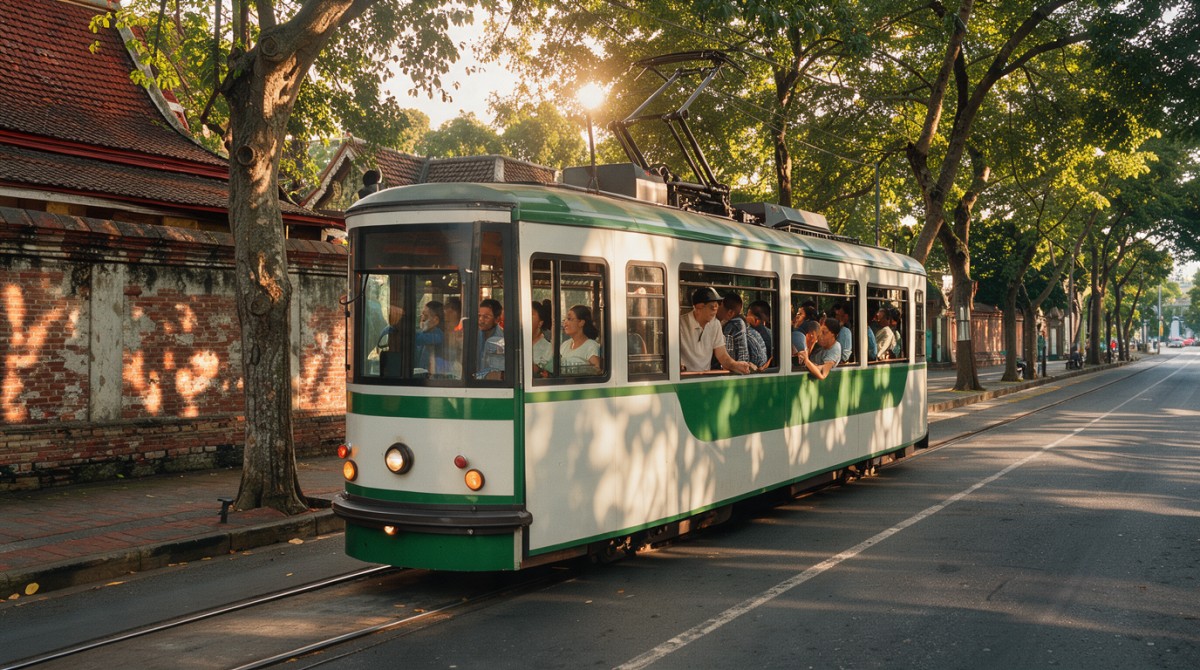
Chiang Mai welcomed a new chapter in sustainable travel on 18 November 2026, unveiling the city’s first fully electric tourist tram. Branded “Chiang Mai Tram by Lannatique,” the service threads together fifteen of the region’s most cherished sites, offering residents and visitors alike a gentle, low‑carbon way to glide through the historic streets. The launch reflects a growing Thai commitment to balance modern convenience with the preservation of cultural heritage, a principle that resonates deeply with Buddhist values of mindfulness and community stewardship.
Connecting the Heart of the City
The tram’s 15.8‑kilometre line weaves through a tapestry of landmarks that define Chiang Mai’s identity. Starting at the iconic Tha Phae Gate, the route passes the bustling Warorot Market, where colourful stalls echo the city’s centuries‑old trading spirit. It then glides past Wat Chedi Luang, a temple whose towering chedi has watched generations of monks and laypeople practice meditation, before reaching the revered Wat Phra Singh, home to the revered Phra Singh Buddha image. By linking these sites, the tram not only shortens travel time but also invites riders to experience the rhythm of daily life in the old city.
Beyond the major attractions, the line threads through quieter lanes and traditional neighbourhoods, allowing passengers to glimpse the subtle interplay of old wooden houses, fragrant incense, and the soft murmur of monks chanting at dawn. This design mirrors a Buddhist appreciation for the ordinary, reminding travelers that every step—whether on foot or on a tram—can be an act of mindful observation.
A Gentle Ride for All
Affordability sits at the core of the tram’s philosophy. A single journey costs just 20 baht, a price that aligns with the modest fare of a city bus, while a 99‑baht day pass grants unlimited rides from 9.00 am to 9.00 pm. For locals who rely on public transport for daily errands, monthly and annual passes begin at 450 baht, offering a cost‑effective alternative to private vehicles. This pricing structure underscores a broader Thai aim to keep mobility accessible, especially for those whose livelihoods depend on the city’s markets and temples.
The fare model also reflects a social‑enterprise mindset. Asset World Corporation (AWC), the developer behind the tram, emphasized that any revenue remaining after operating costs will be reinvested in community and social development projects. In practice, this could mean funding local school programs, supporting small‑scale artisans, or enhancing public spaces—efforts that echo the Buddhist principle of dana, or generosity, toward the wider sangha.
Technology Meets Tradition
While the tram’s exterior carries a sleek, modern silhouette, its interior is designed with both comfort and health in mind. Each carriage is equipped with PM2.5 air filtration systems, a feature that filters fine particulate matter common in urban Thai air, ensuring a clean breathing environment for passengers. This attention to air quality aligns with the Buddhist practice of caring for the body as a vessel for mindfulness.
Smart technology further enriches the journey. Real‑time tracking lets riders see the tram’s exact position via a mobile app, while onboard information displays and digital guides narrate the history and cultural significance of each stop. These guides, delivered in a calm, educational tone, encourage riders to contemplate the stories behind each temple bell and market stall, turning a simple commute into a moving meditation on Chiang Mai’s past.
Supporting Local Economies
The tram’s route deliberately threads through commercial hubs, offering a gentle boost to local businesses. Warorot Market, for instance, is famed for its fresh produce, handicrafts, and street food. With the tram stopping nearby, both tourists and residents can more easily access these stalls, potentially increasing foot traffic and sales for vendors who often rely on word‑of‑mouth and walk‑in customers.
AWC’s social‑enterprise promise includes reinvesting profits into community projects, which could translate into micro‑grants for market stall owners or training programs for artisans seeking to modernise their craft without losing authenticity. By linking economic opportunity with cultural preservation, the tram embodies a holistic approach to development—one that respects the interdependence of livelihood and heritage, a concept deeply rooted in Thai communal values.
Environmental Benefits
Electric propulsion eliminates tailpipe emissions, a significant step toward reducing Chiang Mai’s carbon footprint. The city, nestled among mountains and rice paddies, has long grappled with seasonal haze that can obscure the golden temples at sunrise. By offering a clean‑energy alternative to diesel‑powered taxis and motorbikes, the tram contributes to clearer skies and healthier air for monks, monks‑in‑training, and the wider public.
Beyond the immediate reduction in pollutants, the tram encourages a shift in travel habits. When visitors choose the tram over private cars, congestion around popular sites eases, preserving the serenity of temple courtyards and the tranquility of narrow lanes that have existed for centuries. This aligns with the Buddhist teaching of right action—choosing behaviours that minimise harm to both people and the environment.
Regional Implications
Chiang Mai’s electric tram marks a pioneering moment for Thailand’s tourism sector, setting a benchmark for other cities in the region. Neighboring provinces, many of which share similar cultural landscapes and face comparable environmental challenges, may look to Chiang Mai as a model for integrating green transport with heritage tourism. The collaboration behind the project—spanning Asset World Corporation, ARUN+, Toyota, and the Tourism Authority of Thailand—demonstrates how public‑private partnerships can mobilise resources for sustainable urban initiatives.
In the broader Southeast Asian context, the tram reflects a growing trend of cities leveraging clean technology to protect cultural districts while attracting responsible travelers. As tourists increasingly seek authentic experiences that do not compromise local ecosystems, Chiang Mai’s approach could inspire a wave of similar projects from historic towns in Laos, Myanmar, and Cambodia, fostering a regional network of low‑impact travel corridors.
Looking Ahead
As the first trams glide along their tracks each evening, the gentle hum of electric motors becomes a new soundscape for Chiang Mai—one that blends with the distant chants of monks and the rustle of market awnings. The service’s success will likely be measured not only in ridership numbers but in the subtle ways it nurtures community bonds, supports small businesses, and preserves the city’s serene atmosphere.
Future expansions may extend the line to reach additional cultural sites or connect with regional transport hubs, further weaving Chiang Mai into a sustainable tourism tapestry. For now, the tram stands as a quiet testament to Thailand’s ability to honor its past while embracing a cleaner, more inclusive future—an embodiment of the Thai spirit of “mai pen rai,” adapting gracefully to change without losing the heart of the community.
This article was produced with AI-assisted research and editorial support. Reporting is based on the source material cited below. Sources: Khaosod English; khaosodenglish.com; Global1.News (19 November 2026).
By Ann Srisawat, Staff Writer
What's Your Reaction?
 Like
0
 Dislike
0
 Love
0
 Funny
0
 Wow
0
 Sad
0
 Angry
0

Southeast Asia Correspondent at Global1.News. Based in Bangkok, covering Thai and Southeast Asian politics, economy, technology, and culture. Deep regional perspective on one of the world's most dynamic regions.














Comments (0)