
Pope walking and recovering 'as expected' after surgery, doctors say
On 14 October 2026, the Vatican released an update on Pope Leo XIV’s health that has reverberated across Catholic communities worldwide. Vatican officials described the procedure as “successful” and free of complications.
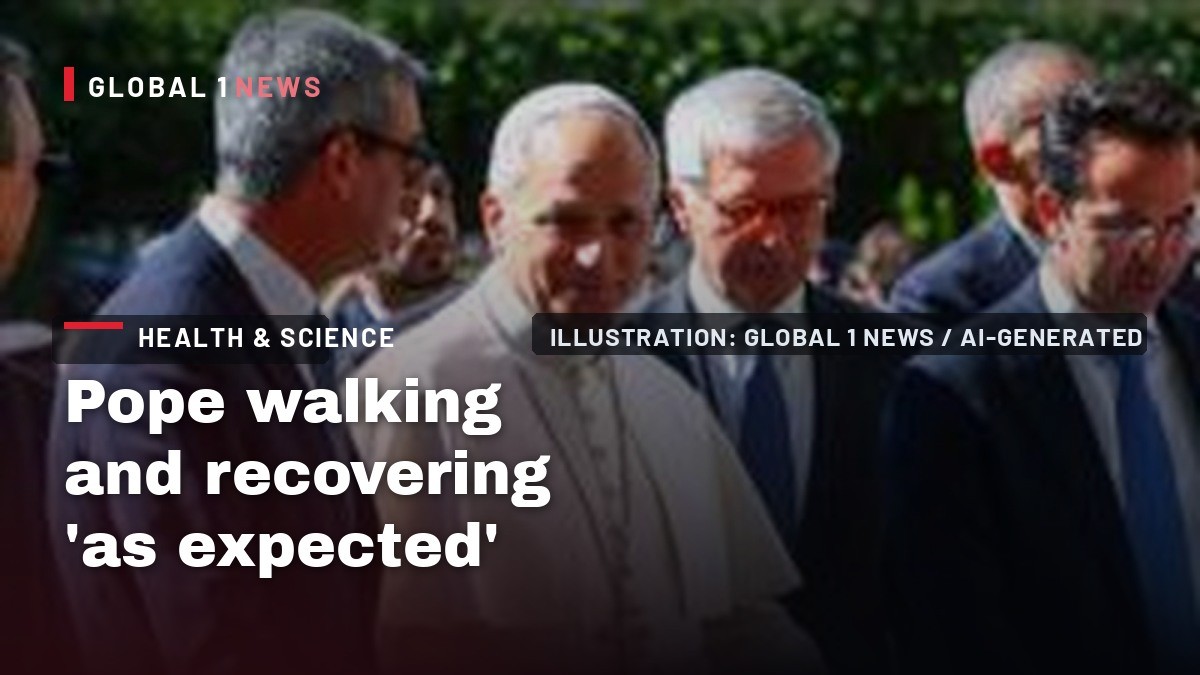
On 14 October 2026, the Vatican released an update on Pope Leo XIV’s health that has reverberated across Catholic communities worldwide. The 71‑year‑old pontiff, diagnosed with lung cancer after a 90‑minute operation to remove a lower lobe of his right lung, is now walking and has resumed a normal diet. While the Vatican emphasizes that his recovery is “as expected,” the news raises profound questions about the future of the Catholic Church, the medical realities of aging leaders, and the broader social implications for believers who look to the Pope for spiritual guidance.
Medical facts behind the surgery
The Pope’s operation took place at Rome’s Gemelli Hospital, where surgeons removed the entire lower lobe of his right lung. Vatican officials described the procedure as “successful” and free of complications. Early blood tests and an X‑ray on Wednesday confirmed that his recovery was “proceeding normally,” and he has already begun respiratory physiotherapy to aid lung function.
According to the Vatican’s statement, the Pope awoke normally after the surgery, spent a brief period under observation, and then returned to his room for a “peaceful night.” He is expected to remain in the hospital for about a week while doctors monitor his progress. The removal of a whole lobe is intended to ensure a “radical” approach, aiming to excise the cancerous tissue completely.
The diagnosis: lung adenocarcinoma
During his weekly Sunday address in St Peter’s Square, Pope Leo XIV disclosed that doctors had found a “well‑contained” nodule on his lung at an early stage. He described the nodule as “well‑contained” and indicated that pre‑operative tests already suggested malignancy. Post‑operative pathology confirmed the presence of lung adenocarcinoma, a type of cancer that develops in mucus‑producing cells and is among the most common forms of lung cancer.
A Vatican source told AFP that additional tests are being conducted to determine whether the disease has spread beyond the removed lobe. The Vatican stressed that the Pope showed no symptoms of infection or illness before the operation, underscoring his generally good health despite his age.
Historical parallels within the papacy
The current health episode echoes the experience of Pope Francis’s predecessor, who passed away in 2025. That former pontiff also underwent lung surgery in his youth, later suffering a series of respiratory infections. While the circumstances differ, the pattern of lung‑related health challenges among recent popes highlights the physical toll of a demanding office that often requires extensive travel, public speaking, and constant exposure to crowds.
These parallels have prompted observers to reflect on the physical demands placed on a spiritual leader whose role is both symbolic and operational. The Vatican’s emphasis on the Pope’s fitness and lack of symptoms before the operation serves to reassure the faithful, yet the recurrence of serious lung issues within the papacy cannot be ignored.
Implications for the global Catholic community
The announcement has shaken Catholics worldwide, many of whom still recall Pope Francis’s hospital stays and the emotional impact of seeing a living symbol of faith become vulnerable. The Pope’s openness about his diagnosis—announcing it publicly before surgery—has been praised for its transparency, yet it also forces believers to confront the fragility of their spiritual head.
For many, the Pope’s health is intertwined with the Church’s direction on social issues, from climate justice to migration. As the pontiff recovers, questions arise about the continuity of his agenda, especially in regions where the Church plays a pivotal role in education, health care, and political advocacy. The uncertainty may embolden factions within the hierarchy that favor a more conservative or progressive stance, depending on how long the Pope remains incapacitated.
Medical context: early detection and prognosis
Medical experts note that adenocarcinomas are often detected early through routine imaging, sometimes before symptoms appear. The Vatican’s statement that the nodule was identified at an early stage aligns with this pattern, suggesting a better prognosis than cancers discovered later. However, the long‑term outlook depends on several variables, including the exact stage at diagnosis and the Pope’s overall health.
Early detection generally improves survival rates, and advances in treatment over recent decades have increased the chances of successful outcomes. The Pope’s immediate post‑operative course—normal awakening, stable vitals, and early physiotherapy—are positive indicators, but the Vatican’s ongoing tests for metastasis will be critical in shaping the next phase of his care.
Socio‑political dimensions of a papal health crisis
In Latin America, where the Catholic Church remains a major social force, the Pope’s health is more than a medical story; it is a political one. Leaders across the region have historically looked to the Vatican for moral guidance on issues such as poverty, indigenous rights, and drug‑related violence. A prolonged illness could create a vacuum that political actors might seek to fill, either by aligning with the Church’s stance or by exploiting perceived weakness.
Moreover, the Pope’s public battle with cancer may resonate deeply with populations that face high rates of respiratory disease due to pollution and limited health infrastructure. His experience could become a rallying point for public health campaigns, especially if the Vatican leverages his story to advocate for better lung‑cancer screening and treatment access in underserved communities.
Looking ahead: what the next weeks could mean
As Pope Leo XIV continues his recovery, the Vatican will likely provide periodic updates on his condition and any further findings regarding the spread of the disease. The next week, during his expected hospital stay, will be crucial for assessing whether additional interventions—such as chemotherapy or targeted therapy—are necessary.
For the faithful, the Pope’s resilience and the transparency of his medical journey may become a source of inspiration, reinforcing a narrative of confronting adversity with humility. For analysts, the episode offers a lens through which to examine the intersection of health, religion, and politics in a region where the Catholic Church remains a powerful cultural institution. As the story unfolds, the world will watch not only the Pope’s personal recovery but also the ripple effects his health will have on the spiritual and sociopolitical fabric of Latin America and beyond.
This article was produced with AI-assisted research and editorial support. Reporting is based on the source material cited below. Sources: BBC News Latin America; bbc.co.uk; Global1.News (17 October 2026).
By Elena Vasquez, Staff Writer
What's Your Reaction?
 Like
0
Like
0
 Dislike
0
Dislike
0
 Love
0
Love
0
 Funny
0
Funny
0
 Wow
0
Wow
0
 Sad
0
Sad
0
 Angry
0
Angry
0

Latin America Correspondent at Global1.News. Based in Mexico City, covering politics, economics, energy, and culture across the region. Brings an on-the-ground perspective to stories spanning from the Rio Grande to Patagonia.













Comments (0)