
Uttarakhand Tunnel Collapse: 16 Workers Rescued as Search Continues in Chamoli
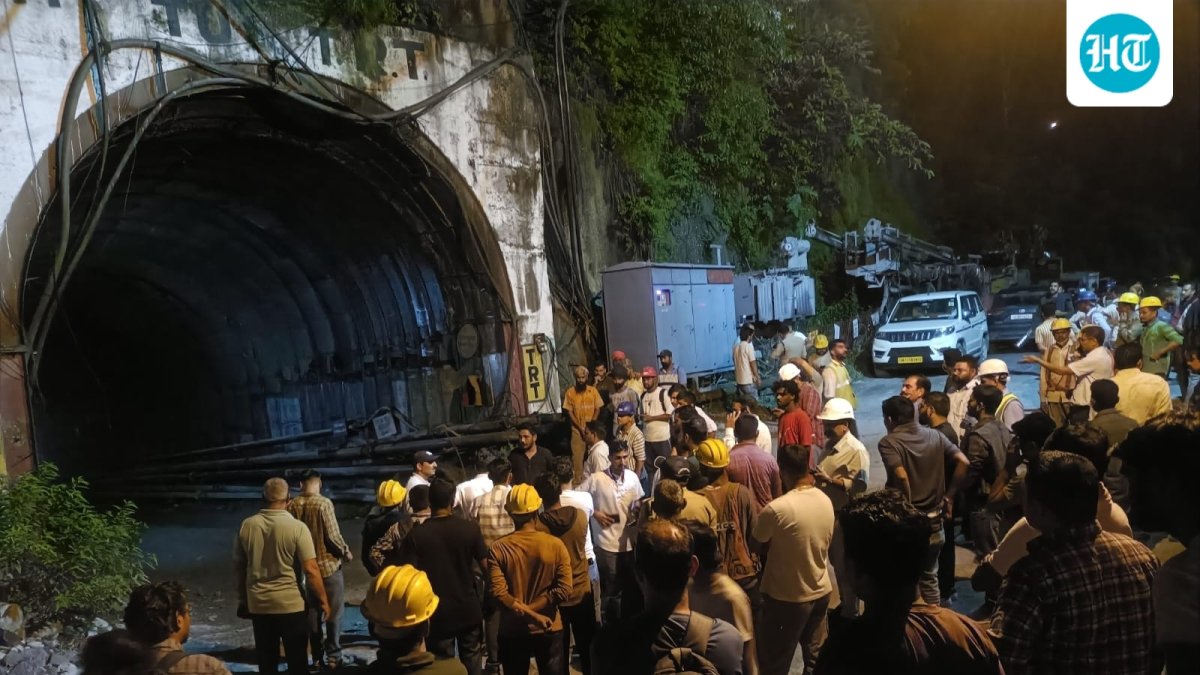
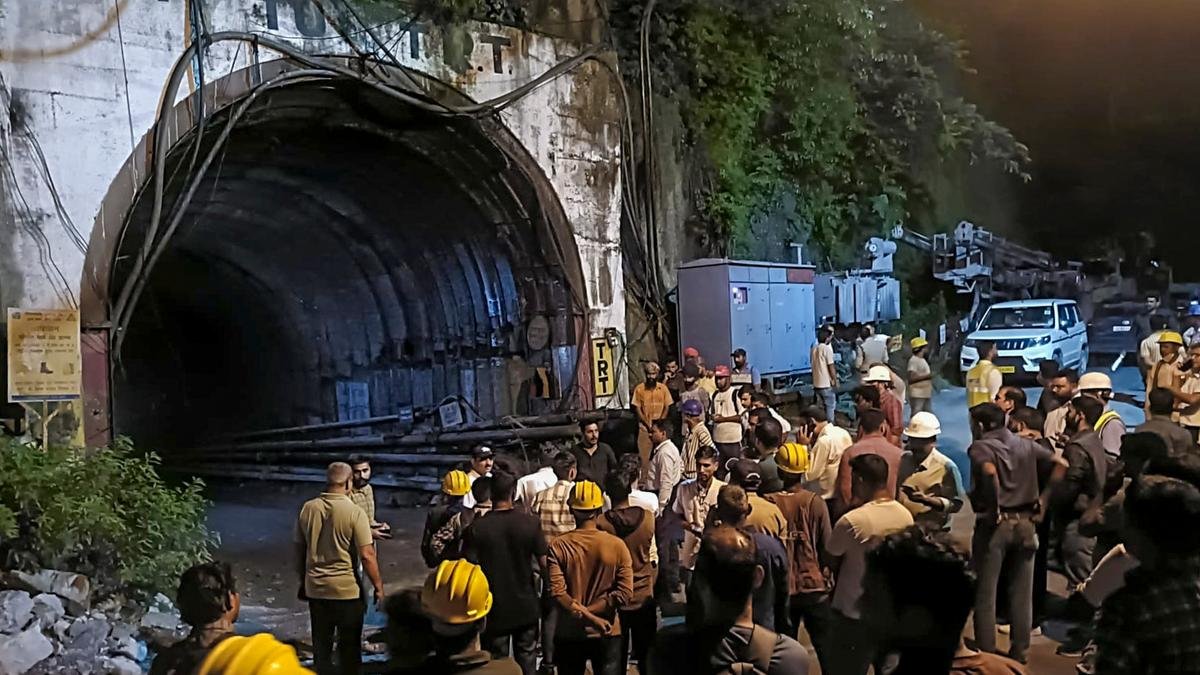
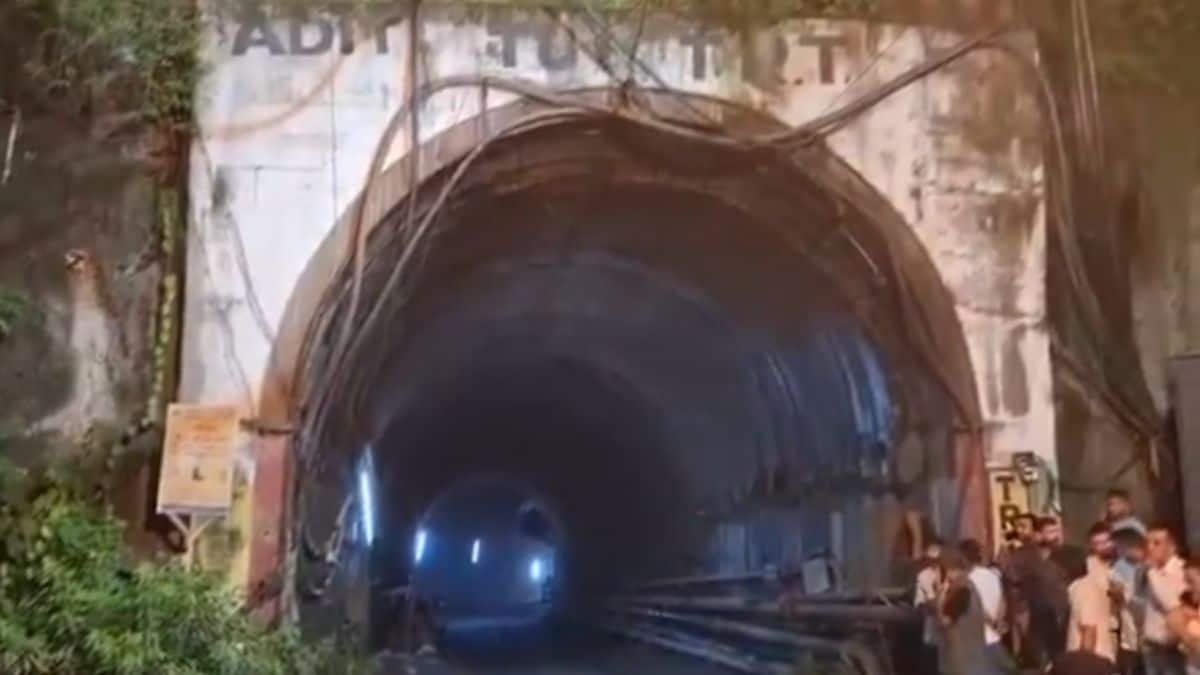
The clock is ticking in the high Himalayas. At approximately 7:05 PM IST on Thursday, August 13, 2026, a sudden surge of water and debris slammed into the tail-race tunnel of THDC India Limited's under-construction Vishnugad-Pipalkoti Hydroelectric Project (VPHEP) near Pipalkoti in Chamoli district, Uttarakhand.
The clock is ticking in the high Himalayas. At approximately 7:05 PM IST on Thursday, August 13, 2026, a sudden surge of water and debris slammed into the tail-race tunnel of THDC India Limited's under-construction Vishnugad-Pipalkoti Hydroelectric Project (VPHEP) near Pipalkoti in Chamoli district, Uttarakhand. With 22 workers on shift inside the 3-kilometre-long excavation, the collapse triggered an immediate, multi-agency rescue operation that has so far pulled 16 men to safety, with search efforts continuing for the remaining trapped personnel. This incident, occurring just 33 months after the dramatic Silkyara tunnel rescue in the same state, has reignited urgent questions about geological risk assessment and worker safety protocols in India's aggressive hydropower expansion.
Chamoli Tunnel Collapse: 16 Workers Rescued, Race Against Time for Trapped in THDC's 444 MW VPHEP
New Delhi, India – August 13, 2026 — The incident unfolded with terrifying speed. Chamoli District Magistrate Gaurav Kumar confirmed that debris and water surged into the tunnel around 6:30 PM, with the initial distress call logged by project authorities roughly 35 minutes later. The affected section lies approximately 1.5 kilometres from the tunnel mouth, a point where the excavation was reportedly dealing with challenging rock conditions exacerbated by heavy rains that have lashed the region over the past 48 hours. As of the latest India Today video report from the scene, 16 workers have been successfully evacuated, while official figures for those still trapped have fluctuated between 3 and 6 as the operation dynamically evolves and communication with underground teams is established.
War Footing Response: NDRF, SDRF, and CISF Mobilise in Chamoli
Uttarakhand Chief Minister Pushkar Singh Dhami moved swiftly, expressing deep concern and ordering an immediate, coordinated response. In a statement from Dehradun, CM Dhami confirmed that teams from the National Disaster Response Force (NDRF) and the State Disaster Response Force (SDRF) had been dispatched to Pipalkoti, with instructions to the district administration and all concerned agencies to run relief and rescue operations on a "war footing." He stated he was in constant touch with senior officials, receiving real-time updates, and that the top priority was the safe evacuation of every person trapped inside the tunnel.
Vinod Kumar Suman, Secretary of Disaster Management and Rehabilitation for the Uttarakhand government, directed all agencies to work in close coordination, promising that additional specialist teams would be deployed as required. The on-ground response is a multi-layered operation involving the SDRF, the Central Industrial Security Force (CISF), local police, and the district administration. The presence of CISF personnel, who guard critical infrastructure, underscores the strategic importance of the THDC facility. Chief Medical Officer (CMO) Rajiv Singh Pal reported that five of the rescued workers sustained injuries, with two in "relatively serious condition and are being stabilised" at a nearby medical facility, while the others are under observation.
Understanding VPHEP: A Critical Cog in India's Hydropower Strategy
The Vishnugad-Pipalkoti Hydroelectric Project is not a minor undertaking. It is a 444 MW run-of-the-river scheme (4 x 111 MW units) being developed by THDC India Limited, a central public sector undertaking operating under the administrative control of the Ministry of Power. Located on the Alaknanda River, a major tributary of the Ganga, the project sits approximately 225 kilometres from Rishikesh on National Highway 58. The engineering involves a 65-metre-high concrete diversion dam that harnesses a gross head of about 237 metres, directing water through a complex system of headrace tunnels to an underground powerhouse.
The tail-race tunnel, where Thursday's collapse occurred, is the final conduit that returns water from the turbines back to the river. At 3 kilometres in length, it is a significant underground excavation in its own right. This project is emblematic of India's broader policy push to expand hydropower capacity as a clean, grid-stabilising complement to solar and wind energy. The Ministry of Power has consistently highlighted such projects as essential for meeting peak demand and integrating renewable energy into the national grid. However, the geological realities of the young, fragile Himalayan ranges present persistent engineering challenges that have repeatedly proven costly in both financial and human terms.
What This Means for India: The Recurring Cost of Himalayan Infrastructure
This incident is a stark reminder that India's infrastructure ambitions in the Himalayas are being pursued in one of the most geologically unstable regions on Earth. The February 2021 Chamoli disaster, where a glacial burst triggered a flash flood on the Rishi Ganga river, killed more than 200 people, many of them workers at hydropower sites, remains a fresh scar. The 2013 Kedarnath floods demonstrated the region's catastrophic vulnerability to extreme weather. More recently, the ongoing land subsidence concerns at Joshimath, just a few kilometres upstream, have highlighted the fragility of the terrain upon which critical infrastructure and towns are built.
For Indian taxpayers and citizens, the implications are twofold. First, there is the immediate human cost: the workers trapped in the tunnel are predominantly skilled and semi-skilled labourers from across northern India, whose safety is the direct responsibility of the project developer and the state. Second, there is the economic cost. Delays at projects like VPHEP, which has already faced multiple deadline extensions due to geological surprises, translate into cost overruns that are ultimately borne by consumers through electricity tariffs. The collapse will inevitably trigger a safety audit and likely a temporary halt to tunnelling works, further pushing back the project's commissioning timeline.
Precedents and Lessons: From Silkyara's 17-Day Ordeal to Sikkim's Tragedy
The shadow of the Silkyara tunnel collapse looms large over this operation. On November 12, 2023, a section of the under-construction Silkyara Bend-Barkot tunnel on NH-134 in Uttarkashi caved in, trapping 41 workers. Their rescue after 17 days, on November 28, 2023, was a monumental multi-agency effort involving the NDRF, NHIDCL, RITES, NHAI, RVNL, SJVNL, and KRCL. The operation, which involved drilling through rock and debris with auger machines, captured the nation's attention and set a benchmark for rescue protocols. However, it also exposed significant gaps in risk assessment and the absence of emergency escape routes in tunnel designs.
More ominously, the July 2026 Sikkim tunnel tragedy at the NHPC Teesta Stage VI project in Namchi, where a methane explosion killed 25 workers on July 20, serves as a grim reminder that even with improved protocols, the margin for error in underground construction remains razor-thin. The Chamoli incident, involving a sudden water and debris surge, presents a different challenge than Silkyara's dry collapse. The presence of water and slurry complicates rescue efforts, making it difficult to use heavy drilling equipment and increasing the risk of further collapse. Rescuers are likely having to proceed with extreme caution, potentially using manual excavation and small-diameter probes to locate and reach the trapped men.
Expert Perspectives: Geological Foresight vs. Development Urgency
Chief Minister Pushkar Singh Dhami's immediate response has been to prioritise rescue, but the political and administrative fallout will be significant. He has directed officials to ensure that all agencies are working in tandem, a clear acknowledgment of the coordination challenges that plagued early responses in past incidents. Secretary Vinod Kumar Suman's directive for "close coordination" suggests a recognition that the NDRF, SDRF, and CISF must operate as a single unit, with the district administration providing logistical support.
District Magistrate Gaurav Kumar has been the public face of the on-ground operation, providing regular updates. His confirmation that the surge occurred around 6:30 PM, before the official report, indicates that project authorities may have had a brief window to initiate an internal response before formal rescue agencies were alerted. CMO Rajiv Singh Pal's update on the injured workers highlights the medical preparedness required for such events, with stabilisation facilities being a critical first step before evacuation to larger hospitals in Chamoli or Rishikesh.
The broader question that experts are already raising is whether India's hydropower development framework adequately accounts for the specific risks of extreme rainfall events, which are becoming more frequent and intense due to climate change. The heavy rains that preceded this collapse are not an anomaly; they are part of a pattern that has seen Uttarakhand's monsoon become more erratic and destructive. The design of tail-race tunnels, which are typically built at a slight upward gradient to facilitate water flow, may need to be revisited to include better debris and water surge protection at the portal.
The Bottom Line: Safety Must Be the Non-Negotiable Foundation
As of this writing, the rescue operation at Pipalkoti is ongoing, with the nation's eyes fixed on the tunnel mouth. The successful rescue of 16 workers is a testament to the improved response mechanisms put in place after Silkyara, but the fate of the remaining trapped men hangs in the balance. For India, this is more than a single incident; it is a stress test of its commitment to worker safety in the face of ambitious infrastructure goals. The 444 MW VPHEP is vital for the country's clean energy transition, but its construction must not come at the cost of the lives of the men building it. The lessons from this collapse must be applied not just to this project, but to every tunnel being bored through the fragile Himalayas, from the railway tunnels in Jammu & Kashmir to the strategic road projects along the northern borders. The cost of inaction is measured not in rupees, but in human lives.
— By Dr. Raj Patel, Staff Writer
This article was produced with AI-assisted research and editorial support. Reporting is based on sources cited in the article.
What's Your Reaction?
 Like
0
Like
0
 Dislike
0
Dislike
0
 Love
0
Love
0
 Funny
0
Funny
0
 Wow
0
Wow
0
 Sad
0
Sad
0
 Angry
0
Angry
0

India/South Asia Correspondent at Global1.News. Analytical voice with a background in science and health journalism. Based in New Delhi, covering Indian politics, education, healthcare, technology, and policy. Breaks down complex data into clear, actionable reporting.















Comments (0)