
US Strikes Iranian Revolutionary Guard Targets as Mideast Conflict Flares Again
US forces struck Iranian Revolutionary Guard targets Tuesday, reigniting the six-month Mideast conflict after Iran's missile attacks on US bases in Jordan and tanker strikes near the Strait of Hormuz.
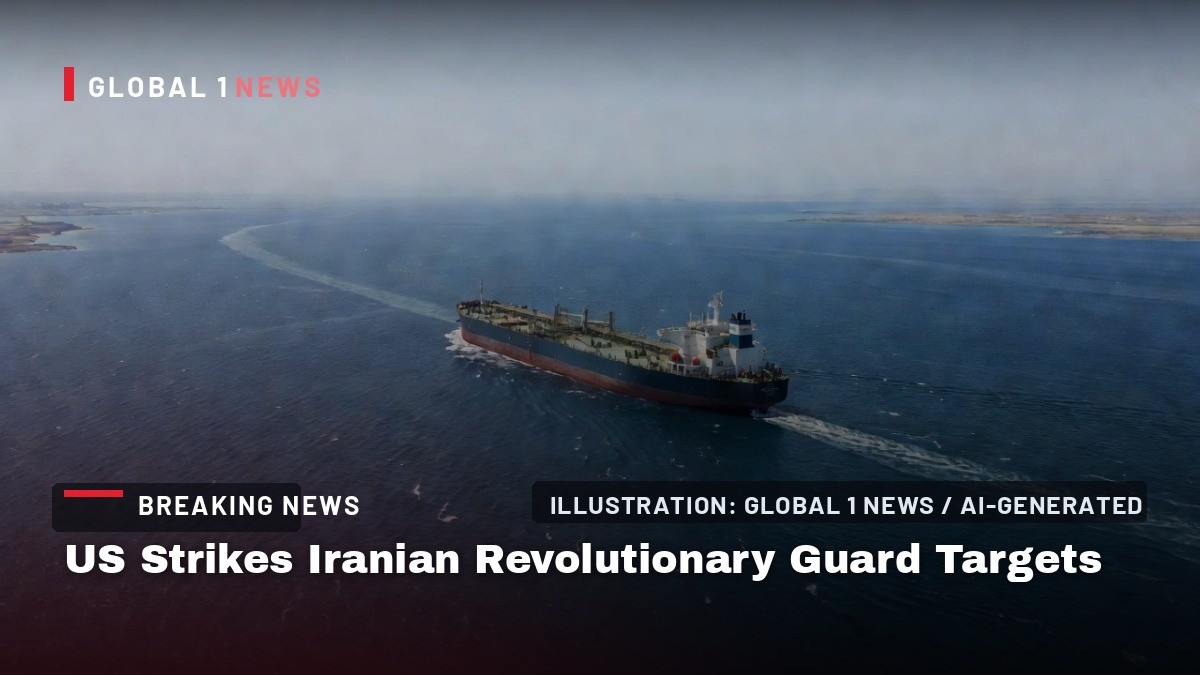
The United States on Tuesday launched a fresh wave of airstrikes against Islamic Revolutionary Guard Corps targets inside Iran, shattering a month of relative quiet and reigniting a conflict that has already killed thousands and drawn in much of the Middle East. The strikes, announced at noon Eastern Time by U.S. Central Command, come days after Iran fired ballistic missiles at American bases in Jordan and after two oil tankers were hit near the Strait of Hormuz. The region, which had been bracing for a possible de-escalation, is now bracing for the opposite.
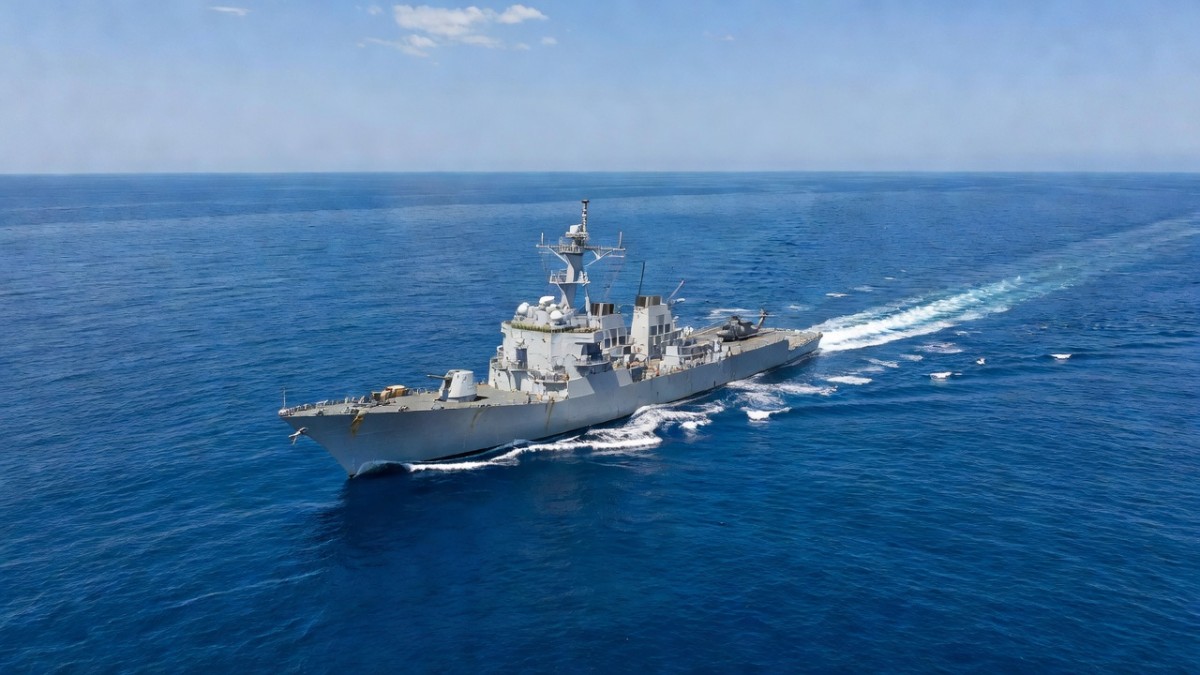
Fresh Strikes on Revolutionary Guard Targets
U.S. Central Command announced Tuesday that American forces had begun striking Islamic Revolutionary Guard Corps targets inside Iran, according to The Guardian, CBS News, Al Jazeera, and the Associated Press. The announcement, made at 12:00 p.m. Eastern Time, marked the first major U.S. military action in roughly a month and signaled an abrupt end to a period of relative quiet in the six-month-old war.
CENTCOM said the strikes follow recent attempted attacks on shipping and attacks on American service members, as reported by the AP via the Orlando Sentinel and CBS News. The military command did not immediately provide details on the scope of the strikes, the specific targets hit, or whether there were any casualties. But the message was clear: the United States is back on the offensive.
The timing is notable. In recent weeks, the Trump administration had signaled it was shifting strategy from military strikes to intense economic pressure on Iran, according to Al Jazeera. That approach now appears to have been abandoned, at least for the moment, in favor of direct military action against the IRGC, the elite branch of Iran's armed forces that Washington has long blamed for destabilizing activities across the region.
A Weekend of Escalation
The path to Tuesday's strikes began over the weekend, when U.S. forces struck Larak Island in southern Iran, targeting two IRGC rocket launchers that officials said were preparing to launch rockets carrying sea mines toward the Strait of Hormuz, according to Axios, citing a U.S. official, as well as BBC, DW, and Al Jazeera. That attack, which took place on Sunday, August 30-31, was the first U.S. strike in weeks and set the stage for a rapid spiral.
Iran responded swiftly. On Sunday night, Tehran launched ballistic missiles and drones at two U.S.-operated air bases in Jordan that host American troops: King Hussein and Azraq bases, according to Iranian state media, as reported by Al Jazeera, the New Indian Express, and The Hill via Fars. Several of the projectiles were intercepted, but the attack was a direct hit on American military infrastructure and a clear escalation in the conflict.
The strikes on Jordanian bases were a significant escalation. The decision to target King Hussein and Azraq bases, both of which are used by American forces, signaled that Tehran was willing to expand the battlefield. It also put Washington in a position where it had little choice but to respond.
Tankers Hit Near the Strait
On Monday evening, the situation deteriorated further when two supertankers were struck by unknown projectiles minutes apart near the Strait of Hormuz, according to GlobalSecurity.org's Day 186 update and CBS News, which reported that "two oil tankers were attacked in the Strait of Hormuz as the U.S. and Iran returned to hostilities."
The vessels were identified as the Sidr, operated by the Saudi-owned Bahri company, and the Senegal Prosperity, operated by a South Korean firm. The attacks, which occurred within minutes of each other, raised immediate concerns about the safety of commercial shipping in one of the world's most critical waterways. No group immediately claimed responsibility, and it was not clear whether the projectiles came from Iranian forces, U.S. forces, or another actor in the region. But the timing, coming just hours after Iran's missile attack on Jordan, pointed to a deliberate attempt to disrupt oil traffic and raise the stakes.
The attacks on the tankers were a stark reminder of how vulnerable global energy supplies remain. The Strait of Hormuz is one of the world's most critical energy chokepoints: roughly a fifth of global oil consumption passes through it by sea, according to Reuters and The Guardian. Any sustained disruption to shipping through the strait could send oil prices soaring and cause significant economic damage worldwide.
Trump Vows a Hard Response
President Donald Trump had already signaled his intent to respond forcefully. On Monday, August 31, Trump told Fox News, "We're going to hit them hard," and vowed there would be "a response" to Iran's attack on U.S. bases in Jordan, according to NBC News, USA Today, and Politico. Those words were followed by action less than 24 hours later.
On Tuesday, Trump went further, warning Iran of what was described as the "biggest attack of them all" if Tehran retaliates again, according to The Independent via MSN live coverage. The warning was blunt and unmistakable, suggesting that the United States is prepared to escalate significantly if Iran responds to the latest strikes with another round of attacks.
The president's rhetoric has been consistent throughout the conflict, which began on February 28, 2026, when the United States and Israel initiated military action against Iran under the U.S. operation known as CENTCOM's Operation Epic Fury, according to Britannica and CBS News. Six months in, the war has killed thousands and injured tens of thousands, mostly in Iran and Lebanon, but also in Iraq, Israel, Palestine, and Persian Gulf states including Kuwait, Oman, Saudi Arabia, Qatar, and the UAE. The conflict appears locked in a stalemate, with neither side willing to restart negotiations.
Iran Pledges Retaliation
Iran, for its part, has vowed to respond to the new strikes. Tehran said the United States would regret the aggression and face "severe punishment," according to Al Jazeera's live blog and Reuters. Iran also urged Washington to comply with an interim deal, though it was not immediately clear what terms that deal would involve or whether any formal proposal has been put on the table.
The Iranian response was predictable but nonetheless concerning. Every time the United States has struck Iranian targets, Tehran has retaliated, often with missile and drone attacks on American bases or allied forces in the region. The pattern has repeated itself throughout the six-month conflict, and there is little reason to believe it will change now.
The question is how far Iran is willing to go. The attack on Jordanian bases was a significant escalation, as was the targeting of commercial tankers near the Strait of Hormuz. If Iran chooses to respond to Tuesday's strikes with similar or greater force, the conflict could expand further, drawing in more regional actors and increasing the risk of a broader war.
Why the Strait of Hormuz Matters
The Strait of Hormuz is not just a narrow waterway; it is the lifeblood of the global energy economy. Roughly a fifth of global oil consumption passes through it by sea, according to Reuters and The Guardian. That means any disruption to shipping through the strait has immediate and far-reaching consequences for oil prices, global markets, and the economies of countries around the world.
Oil prices rose after the exchange of strikes, according to Reuters and The Guardian's war timeline. That is no surprise. The attacks on the two supertankers on Monday evening, combined with the renewed U.S. strikes on Tuesday, have created a climate of uncertainty that markets abhor. Traders are now pricing in the risk of sustained disruption to oil flows, and that risk is reflected in higher prices at the pump for consumers everywhere.
The strategic importance of the strait has been a central feature of the conflict from the beginning. Iran has repeatedly threatened to close the strait or disrupt shipping through it as a way of exerting pressure on the United States and its allies. The United States, in turn, has made clear that it will not allow the strait to be closed. The result is a dangerous standoff in which any miscalculation could have catastrophic consequences.
What Comes Next
The immediate future is uncertain. The United States has launched its strikes, Iran has vowed to retaliate, and the region is bracing for what comes next. The Trump administration has warned of the "biggest attack of them all" if Tehran responds again, but it is not clear what that would look like or whether it would be enough to force Iran to back down.
The conflict, which began six months ago, shows no signs of ending. The war has already killed thousands and injured tens of thousands, according to Britannica and CBS News, and the human toll continues to mount. The stalemate that has defined the conflict for months appears to be holding, with neither side willing to make the first move toward negotiations.
For now, the focus is on the immediate aftermath of Tuesday's strikes. Will Iran respond, and if so, how? Will the United States follow through on its threat of a larger attack? And what will happen to the tankers and the shipping lanes that the global economy depends on?
These are questions that cannot be answered with certainty. What is certain is that the conflict has entered a new and more dangerous phase. The month of relative quiet is over. The war is back, and the world is watching.
By Jessica Ali, Staff Writer
This article was produced with AI-assisted research and editorial support. Sources: Reuters, Associated Press, CBS News, Al Jazeera, The Guardian, NBC News, BBC, Axios, DW.
What's Your Reaction?
 Like
0
Like
0
 Dislike
0
Dislike
0
 Love
0
Love
0
 Funny
0
Funny
0
 Wow
0
Wow
0
 Sad
0
Sad
0
 Angry
0
Angry
0

Editor-in-Chief at Global1.News. Atlanta-based journalist who cuts through the BS and tells it like it is. Lead anchor, host, and the voice you hear when the spin stops and the truth starts.











Comments (0)