
US Midterms 2026: Implications for Middle East Strategy and Energy Markets
As the United States approaches the November 7, 2026 midterm elections, the stakes extend far beyond the domestic balance of power. Texas, Michigan, and California were highlighted as key arenas where demographic shifts and voter turnout will be decisive.
As the United States approaches the November 7, 2026 midterm elections, the stakes extend far beyond the domestic balance of power. In a special preview aired on Al Arabiya English’s Global News Today, host Catalina Marchant de Abreu convened two seasoned commentators—Greg Swenson, Chairman of Republicans Overseas, and Hank Sheinkopf, former adviser to President Bill Clinton—to dissect the electoral battleground and to gauge how the outcome could reshape Washington’s foreign policy, particularly in the Gulf, the Israeli‑Palestinian arena, and the broader energy landscape. Their discussion, framed by the looming end of the campaign season, offers a nuanced lens through which to view the interplay of partisan dynamics and great‑power rivalry that continues to define the Middle East.
Electoral Landscape: Battleground States and Party Strategies
The panel opened by mapping the critical swing states that will determine control of the House of Representatives and the Senate. Texas, Michigan, and California were highlighted as key arenas where demographic shifts and voter turnout will be decisive. Swenson emphasized that Republicans Overseas are mobilising expatriate voters in these states, seeking to offset Democratic gains among younger, urban constituencies. He noted that the party’s overseas outreach has intensified, reflecting a broader strategy to harness the diaspora’s traditionally conservative leanings.
Sheinkopf, drawing on his experience in Democratic campaign operations, countered that the Democrats are focusing on voter registration drives in suburban districts that have trended away from the party in recent cycles. He underscored the importance of the “blue wave” narrative that the party hopes to sustain, especially in states where economic concerns—such as inflation and housing costs—remain front‑page issues for voters.
Both guests agreed that the outcome will hinge on turnout rather than pure partisan alignment. The discussion noted that the midterms are the first major test of President Joe Biden’s administration since the 2024 election, and that the results will shape the legislative agenda for the remainder of his term. The analysts cautioned that any surprise swing—whether a Republican resurgence or a Democratic hold—will reverberate through Washington’s foreign policy calculus, especially in regions where US influence is contested.
Donald Trump’s Enduring Shadow Over the Midterms
One of the most striking points raised by the panel was the lingering influence of former President Donald Trump on the 2026 contests. Swenson described Trump as a “kingmaker” for the Republican base, noting that his endorsements continue to sway primary outcomes and that his rhetoric still shapes the party’s messaging on national security and immigration. He warned that candidates who distance themselves from Trump risk alienating a substantial segment of the party’s grassroots.
Sheinkopf offered a counter‑balance, arguing that the Democrats are positioning themselves as the antidote to Trump’s “America First” doctrine, especially on issues of democratic governance and human rights. He highlighted how the Biden administration has sought to re‑assert US leadership in multilateral forums, a stance that could be jeopardised if a Trump‑aligned Congress re‑asserts a more unilateral approach.
The discussion underscored that Trump’s legacy is not merely a domestic political factor; his foreign‑policy positions—particularly his skepticism toward Iran’s nuclear programme and his support for strong ties with Israel—continue to shape US policy options in the Middle East. The panel warned that a shift in congressional composition could either reinforce or dilute the administration’s current diplomatic overtures toward Tehran and Riyadh.
US Domestic Policy Trends and Their Foreign‑Policy Spillovers
Beyond party politics, the analysts examined how domestic policy debates are likely to influence US engagement abroad. Swenson pointed to the growing fiscal pressures that Congress faces, particularly regarding the national debt and entitlement reforms. He suggested that a Republican‑led Congress might push for reduced spending on foreign aid, potentially affecting US assistance programmes in the Arab world.
Sheinkopf, meanwhile, highlighted the Democrats’ focus on climate policy and renewable energy investment. He argued that an aggressive push for green technology could reshape US energy imports, especially from the Gulf, as the administration seeks to diversify away from fossil fuels. This shift could have profound implications for Gulf economies that rely heavily on hydrocarbon exports.
The panel agreed that the midterm outcomes will determine whether Washington continues to pursue a “strategic competition” posture—balancing China and Russia’s influence in the region—or adopts a more cooperative stance that emphasises economic partnerships and conflict resolution. The direction taken will affect everything from arms sales to diplomatic mediation in the Israeli‑Palestinian conflict.
Implications for Gulf Alliances and Energy Security
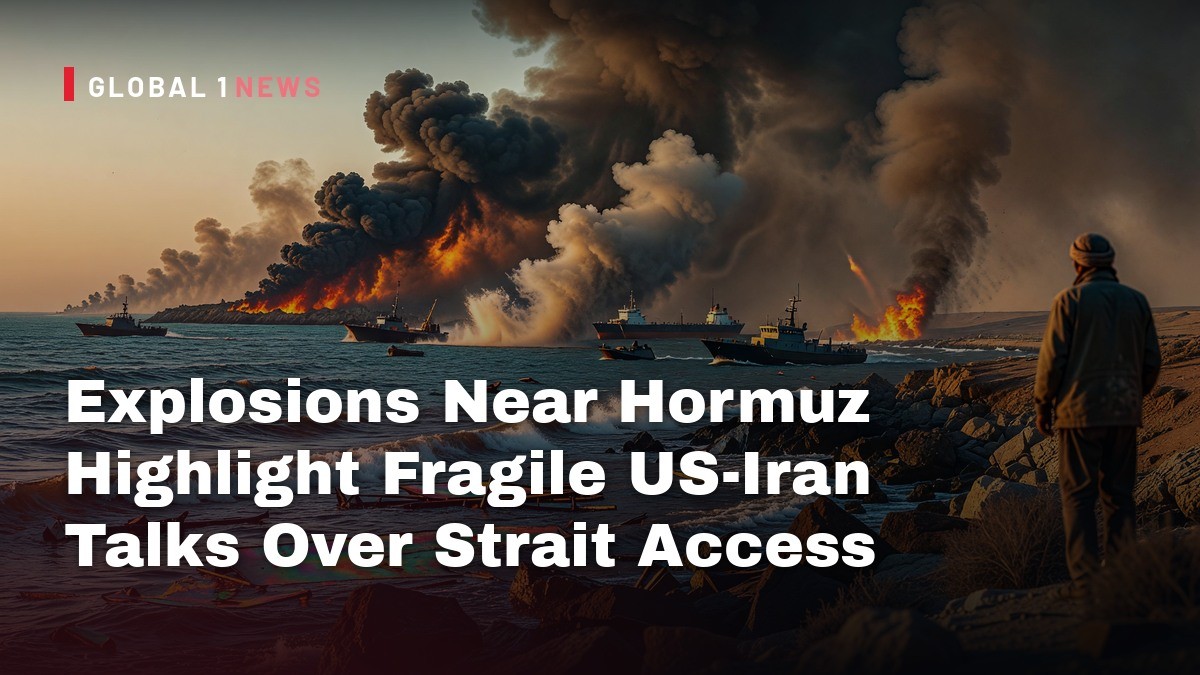
Turning to the Gulf, the analysts stressed that US legislative changes could alter the security guarantees that Saudi Arabia, the United Arab Emirates, and Qatar rely upon. Swenson warned that a Republican‑controlled Senate might pursue a tougher stance on Iran, potentially escalating tensions in the Strait of Hormuz and jeopardising the free flow of oil. He noted that Republican overseas networks have historically advocated for a robust US naval presence to protect shipping lanes.
Sheinkopf countered that Democrats have been more inclined to pursue diplomatic channels with Tehran, seeking a negotiated settlement to the nuclear issue. He argued that a Democratic hold in Congress could sustain the Biden administration’s “back‑channel” efforts, which aim to stabilise the region through incremental confidence‑building measures.
The discussion highlighted that any shift in US policy will reverberate through the energy markets. A hardening of US‑Iran relations could spur volatility in oil prices, prompting Gulf producers to adjust output strategies. Conversely, a diplomatic thaw could ease market anxieties, encouraging investment in downstream projects across the Gulf Cooperation Council (GCC) states.
The Israeli‑Palestinian Conflict in the Midterm Context
Both guests agreed that the US midterms will also impact the Israeli‑Palestinian dynamic. Swenson noted that Republican lawmakers have traditionally been staunch supporters of Israel, often backing legislation that affirms US security assistance and opposes BDS movements. He warned that a Republican surge could lead to renewed legislative pushes that limit US aid to the Palestinian Authority, thereby constraining diplomatic leverage.
Sheinkopf emphasized that Democrats, while supportive of Israel’s right to security, have increasingly advocated for a two‑state solution and for conditioning aid on human‑rights considerations. He suggested that a Democratic majority could sustain or even expand funding for humanitarian projects in Gaza, while also pressing for renewed peace talks.
The panel underscored that US congressional action—whether through appropriations, sanctions, or diplomatic endorsements—will shape the parameters within which regional actors negotiate. A shift toward a more hardline stance could embolden Israeli settlement expansion, while a more balanced approach might open space for renewed negotiations under US auspices.
Regional Stability, Energy Markets, and Future Alliances
In concluding remarks, the analysts projected how the midterm results could influence broader regional stability. Swenson warned that a Congress dominated by hard‑liners could increase the risk of proxy confrontations, especially as Iran seeks to expand its influence in Iraq and Syria. He stressed that US legislative support for regional security initiatives—such as the Saudi‑UAE‑Egypt maritime security pact—will be crucial to contain escalation.
Sheinkopf offered a more optimistic outlook, noting that a balanced Congress could sustain bipartisan support for diplomatic engagements, including the ongoing talks on a potential Saudi‑UAE normalisation with Israel. He highlighted that energy market stability will depend on the ability of US policymakers to maintain a predictable regulatory environment for oil and gas exports, as well as to support the transition to renewable energy in a way that does not destabilise Gulf economies.
The discussion reaffirmed that the 2026 US midterms are not merely a domestic contest but a pivotal moment for the Middle East’s geopolitical architecture. The composition of the US House and Senate will dictate the tone of Washington’s engagement—whether it leans toward confrontation or cooperation—and will consequently shape the strategic calculations of Gulf states, Iran, Israel, and the broader Arab world. As the campaign season draws to a close, the region watches closely, aware that the ballots cast in America will reverberate across deserts, oil fields, and diplomatic corridors for years to come.
By Malik Hassan, Staff Writer
This article was produced with AI-assisted research and editorial support. Reporting is based on the source material cited below. Sources: Al Arabiya English video report (03 November 2026); Al Arabiya English; Global1.News
What's Your Reaction?
 Like
0
 Dislike
0
 Love
0
 Funny
0
 Wow
0
 Sad
0
 Angry
0
Middle East Correspondent at Global1.News. Based in Beirut, covering politics, conflict, energy, and society across the Middle East. Brings context and depth to a region often reduced to headlines.











Comments (0)