
Thailand seeks to keep Japanese investors engaged amid shifting regional dynamics
In a recent Thai PBS World broadcast titled “How Thailand can remain attractive for Japanese investors,” the channel explored the factors that could sustain and deepen Japan’s investment presence in the Kingdom.
In a recent Thai PBS World broadcast titled “How Thailand can remain attractive for Japanese investors,” the channel explored the factors that could sustain and deepen Japan’s investment presence in the Kingdom. The report, aired on 21 November 2026, highlighted Thailand’s strategic position in Southeast Asia, its cultural ties with Japan, and the policy steps the government is taking to nurture a favourable business climate. As Global1.News reflects on the footage, it is clear that the conversation is not merely about economics; it is also about shared values, Buddhist-inspired stewardship of resources, and the everyday lives of Thai communities that stand to benefit from continued partnership.
Strategic geography and regional connectivity
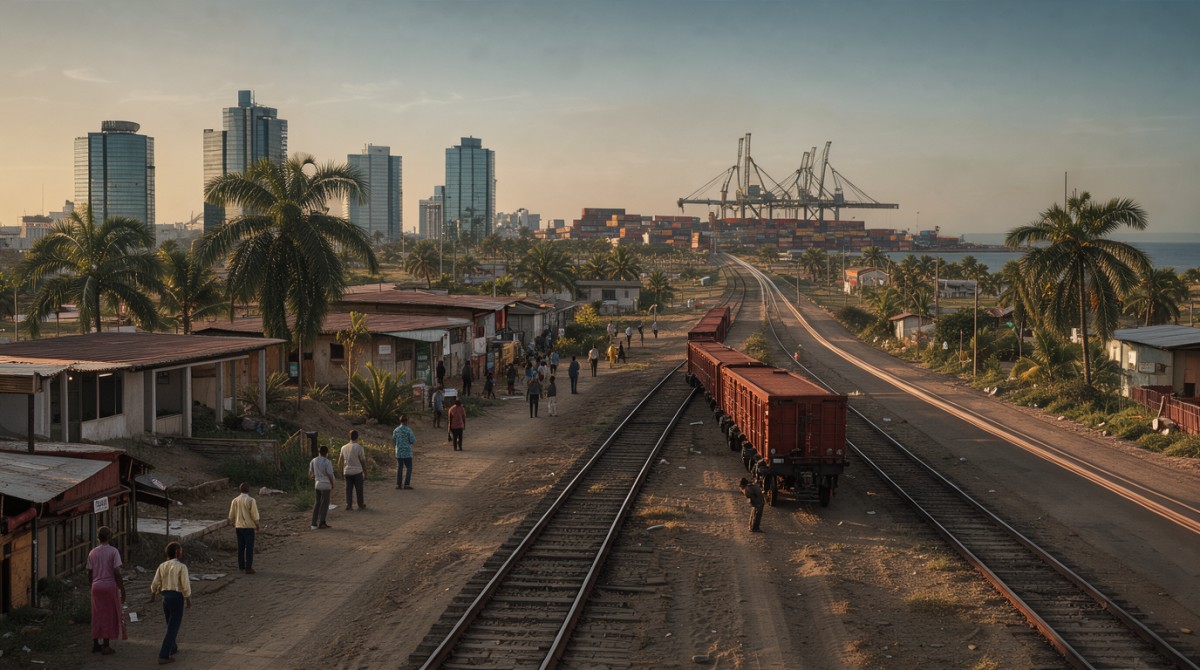
The video underscored Thailand’s central location within the ASEAN bloc, noting how the country serves as a logistical gateway for Japanese firms seeking to reach broader Asian markets. By situating manufacturing hubs near major ports and rail corridors, Thailand offers Japanese investors a convenient platform for distribution across the region. This geographic advantage aligns with Thailand’s ongoing efforts to improve transport infrastructure, a theme that resonated throughout the broadcast.
Beyond physical connectivity, the report highlighted Thailand’s participation in regional trade agreements that include Japan. These arrangements help lower barriers and create a predictable environment for cross‑border commerce. The channel’s correspondents pointed out that such frameworks reinforce Thailand’s reputation as a stable partner, encouraging Japanese businesses to view the Kingdom as a long‑term base rather than a temporary stop‑over.
For Thai communities, the flow of Japanese investment often translates into job opportunities and skill development. The broadcast featured scenes of bustling factories and modern logistics centers, where local workers engage with Japanese management practices. This interaction, the report suggested, fosters a two‑way exchange that enriches both economies while preserving the Thai spirit of hospitality and cooperation.
Economic policies that welcome foreign capital
Thai PBS World’s analysis emphasized the government’s commitment to maintaining a business‑friendly regulatory environment. Recent policy signals include streamlined procedures for setting up enterprises and incentives aimed at high‑tech and green industries. While the video did not cite specific numbers, it conveyed a clear message that Thailand is actively shaping rules to reduce friction for Japanese investors.
The report also mentioned Thailand’s focus on protecting intellectual property and ensuring transparent legal processes. These assurances are especially important for Japanese firms that value certainty and long‑term planning. By reinforcing legal safeguards, Thailand signals respect for the sophisticated technologies and brand reputations that Japanese companies bring.
From a cultural perspective, the broadcast highlighted how Thai officials often reference Buddhist principles of harmony and responsible stewardship when discussing economic development. This framing resonates with Japanese investors who appreciate ethical business conduct and long‑term relationships rooted in mutual respect. The channel suggested that such shared values can deepen trust beyond contractual obligations.
Human capital and education partnerships
The video showcased Thailand’s investment in education and vocational training as a cornerstone for attracting Japanese businesses. Partnerships between Thai universities and Japanese corporations have been expanding, creating pathways for Thai students to acquire technical skills aligned with Japanese industry standards. These collaborations were presented as a win‑win: companies gain a skilled workforce, while young Thais access better career prospects.
In addition to formal education, the broadcast highlighted community‑based training programs that focus on craftsmanship and service excellence. Such initiatives echo the Buddhist emphasis on mindfulness and quality in daily work, traits that Japanese partners often admire. By nurturing these qualities, Thailand positions itself as a source of reliable, diligent labor that complements Japanese operational philosophies.
The report also touched on the role of language exchange and cultural immersion programs, noting that many Thai professionals are learning Japanese and vice versa. These efforts help bridge communication gaps and foster smoother collaboration on the ground, reinforcing the notion that economic ties are built on personal connections as much as on trade figures.
Infrastructure development and sustainability
Thai PBS World highlighted ongoing infrastructure projects that are crucial for sustaining Japanese investment. The video referenced upgrades to ports, highways, and rail links that improve supply‑chain efficiency. While specific project details were not enumerated, the overall narrative conveyed a nation in the midst of modernising its logistics backbone to meet the expectations of high‑value investors.
Equally important, the broadcast stressed Thailand’s growing attention to environmental sustainability. Initiatives such as renewable energy expansion and greener manufacturing practices were presented as aligning with Japan’s own commitments to low‑carbon development. By adopting eco‑friendly standards, Thailand not only protects its natural heritage but also makes its industrial base more appealing to Japanese firms that prioritize sustainability in their global operations.
The report connected these developments to Buddhist teachings on caring for the Earth, suggesting that Thailand’s environmental stewardship is both a moral duty and a strategic advantage. This cultural framing adds depth to the economic story, reminding viewers that responsible growth is a shared aspiration across the two societies.
Political stability and diplomatic goodwill
Political continuity was a recurring theme in the Thai PBS World segment. The channel noted that Thailand’s democratic institutions, despite occasional challenges, have provided a predictable backdrop for foreign investment. This stability reassures Japanese companies that their long‑term projects will not be jeopardised by abrupt policy shifts.
Diplomatic ties between Bangkok and Tokyo were also highlighted as a foundation for economic cooperation. High‑level visits, cultural exchanges, and joint statements of friendship were mentioned as reinforcing a climate of goodwill. Such diplomatic warmth, the report suggested, translates into smoother negotiations and quicker resolution of any commercial disputes that may arise.
For local Thai communities, strong Thailand‑Japan relations often bring cultural festivals, culinary events, and educational scholarships. These exchanges enrich everyday life and create a sense of shared destiny, making the presence of Japanese investors feel like an extension of the community rather than an external force.
Future outlook and shared aspirations
Concluding the broadcast, Thai PBS World reflected on the mutual benefits of deepening Thai‑Japanese economic ties. The report emphasized that while global markets evolve, the core of the relationship rests on trust, cultural affinity, and a shared vision for sustainable prosperity. By continuing to align policies, education, and infrastructure with Japanese expectations, Thailand aims to remain a preferred destination for investment.
The video also hinted at emerging sectors—such as digital technology, health tourism, and clean energy—where Japanese expertise could complement Thai innovation. These areas, though not quantified in the segment, represent fertile ground for future collaboration, inviting both governments and private enterprises to explore joint ventures.
Ultimately, the story presented by Thai PBS World is one of interconnectedness: the flow of capital, knowledge, and cultural values between Thailand and Japan shapes not only boardrooms but also the daily lives of ordinary citizens. As Global1.News files this piece on 22 November 2026, the hope is that the continued partnership will bring shared prosperity, guided by the gentle wisdom of Buddhist compassion and the diligent spirit of both peoples.
By Ann Srisawat, Staff Writer
This article was produced with AI-assisted research and editorial support. Reporting is based on the source material cited below. Sources: Thai PBS World video report (21 November 2026); Thai PBS World; Global1.News
What's Your Reaction?
 Like
0
 Dislike
0
 Love
0
 Funny
0
 Wow
0
 Sad
0
 Angry
0

Southeast Asia Correspondent at Global1.News. Based in Bangkok, covering Thai and Southeast Asian politics, economy, technology, and culture. Deep regional perspective on one of the world's most dynamic regions.














Comments (0)