
UK Consulate Signs Removed Amid Israeli Response to British Settlement Sanctions
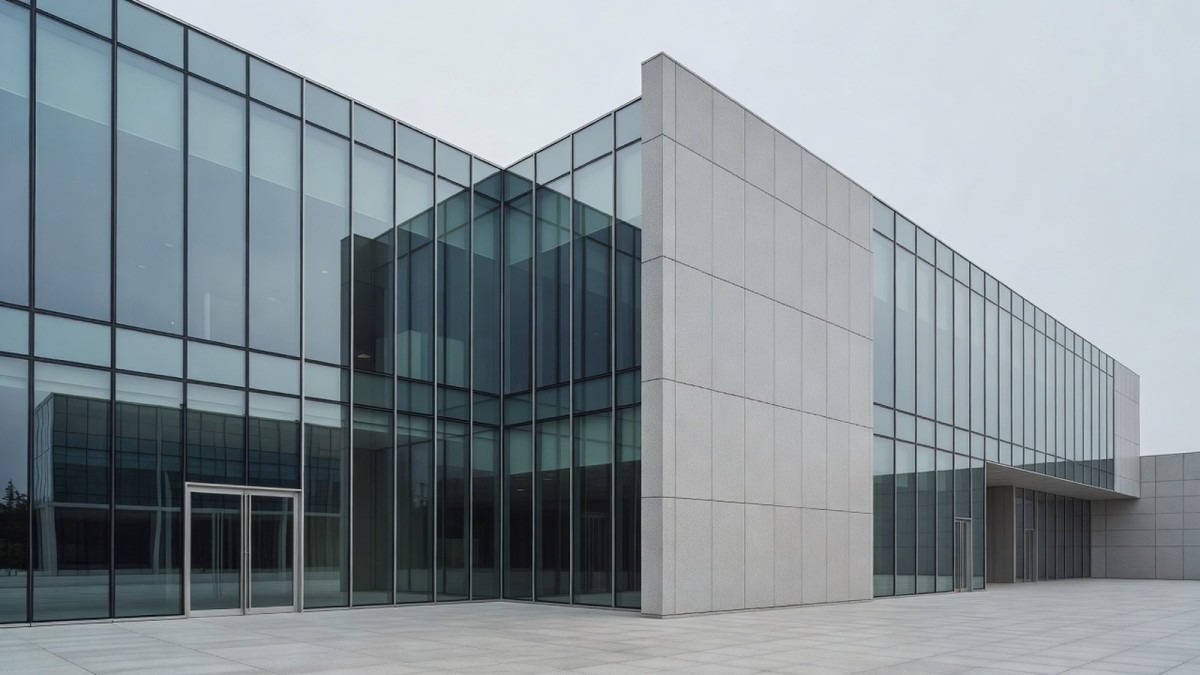
In a striking visual that has quickly circulated on social media, the British consulate in occupied East Jerusalem was seen stripped of its familiar signs and plaques.
In a striking visual that has quickly circulated on social media, the British consulate in occupied East Jerusalem was seen stripped of its familiar signs and plaques. The footage, captured by Al Jazeera English correspondent Camille Nedelec, shows the building’s exterior now bare, a silent testament to a diplomatic tug‑of‑war that began earlier this week when Israel’s foreign minister ordered the consulate’s closure. The move was a direct retaliation to the United Kingdom’s decision to sanction goods originating from Israeli settlements in the occupied West Bank. While the consulate’s doors remain physically open, its status has shifted, now operating under the designation of a “UK Mission” rather than a traditional diplomatic outpost.
Background to the Diplomatic Standoff
The latest episode is part of a broader pattern of escalating tensions between Israel and several European capitals over settlement activity in the occupied territories. In the weeks preceding the removal of the signs, the British government announced a series of sanctions targeting goods produced in settlements deemed illegal under international law. The policy, championed by senior officials in London, was framed as a moral stance against the expansion of settlements that many in the international community consider an obstacle to a two‑state solution.
Israel’s foreign minister, whose portfolio includes overseeing the nation’s diplomatic missions, responded swiftly. By ordering the British consulate in East Jerusalem to close, the minister signaled that the United Kingdom’s punitive measures would not go unanswered. The decision was presented as a reciprocal action, a common diplomatic practice when one side perceives a breach of mutual respect or a challenge to sovereignty.
It is important to note that the closure order does not extend to the British embassy in Tel Aviv. That mission continues its work unchanged, underscoring that the diplomatic friction is focused on the consular presence in the contested eastern part of the city, an area that Israel administers but which the Palestinians claim as the capital of a future state.
The Role of the Consulate in East Jerusalem
The British consulate in occupied East Jerusalem has historically served as a focal point for the United Kingdom’s engagement with the Palestinian population and authorities. Its responsibilities include monitoring the humanitarian situation, facilitating development projects, and maintaining dialogue with Palestinian civil society. By overseeing the UK’s relationship with Palestinians, the consulate has been a conduit for British aid programmes and a platform for diplomatic advocacy on issues ranging from human rights to economic development.
When the signs and plaques were removed, the visual impact was immediate. The symbols that marked the building as a British diplomatic entity vanished, leaving only the structure itself. In diplomatic practice, such symbols carry weight; they signal the presence and legitimacy of a nation’s representation. Their removal therefore represents more than a cosmetic change – it is a clear statement of altered status.
According to the footage, the consulate will continue to operate, but under the new label of a “UK Mission.” While the exact functional differences between a consulate and a mission are not detailed in the video, the terminology suggests a scaling back of official diplomatic privileges, perhaps limiting the scope of consular services and diplomatic immunity traditionally afforded to such posts.
British Government’s Position and Rationale
From London’s perspective, the sanctions on settlement goods were presented as a principled response to ongoing settlement expansion. British officials have repeatedly voiced concern that settlement activity undermines the viability of a future Palestinian state and contravenes international norms. By targeting products originating from these settlements, the United Kingdom aimed to exert economic pressure on entities that benefit from the disputed construction.
The decision to sanction was not made in isolation. It aligns with a broader European trend of using trade measures to signal disapproval of settlement policies. While the video does not enumerate other countries’ actions, the context suggests that the UK’s move is part of a coordinated diplomatic effort to curb settlement growth through economic levers.
In the aftermath of the Israeli closure order, British officials have emphasized that the consulate will remain open as a mission, signalling a determination to maintain a foothold in East Jerusalem despite the diplomatic downgrade. This stance reflects a balancing act: asserting the United Kingdom’s commitment to Palestinian engagement while navigating the diplomatic fallout from Israel’s retaliatory step.
Implications for Palestinian Relations
The removal of the consular signage carries symbolic resonance for Palestinians living in the occupied territories. The British consulate has long been a point of contact for Palestinian NGOs, community leaders, and ordinary citizens seeking assistance or advocacy. Its altered status may affect the ease with which these groups can interact with British officials, potentially complicating aid delivery and diplomatic lobbying.
Nevertheless, the continuation of the mission suggests that the United Kingdom does not intend to abandon its engagement altogether. By keeping the doors open, albeit under a different designation, Britain signals that its commitment to the Palestinian cause remains, even as it endures diplomatic friction with Israel.
Observers note that the episode could influence other foreign missions operating in East Jerusalem. If diplomatic symbols are stripped or downgraded, it may set a precedent for how Israel manages foreign presences that it perceives as challenging its policies in the occupied city. The broader impact on the diplomatic ecosystem in Jerusalem remains to be seen, but the visual of a stripped consulate will likely linger in the collective memory of both local and international audiences.
Regional and International Reactions
While the video does not capture statements from other governments, the incident has already sparked discussion across diplomatic circles. The presence of hashtags such as #UKSanctions and #IsraeliSettlements in the video description indicates that the story is resonating on social media platforms, where policymakers, analysts, and the public are weighing the merits and risks of such diplomatic tit‑for‑tat.
European partners, many of whom have expressed similar concerns about settlement activity, may view the British sanctions as a rallying point for coordinated action. Conversely, Israel’s decisive response underscores its willingness to confront foreign criticism head‑on, particularly when it perceives its sovereignty over Jerusalem and the West Bank to be under threat.
The episode also highlights the role of media outlets like Al Jazeera English in bringing these diplomatic nuances to a global audience. By broadcasting the removal of the signs and providing on‑the‑ground reporting, the channel adds a visual dimension to what might otherwise remain a diplomatic footnote, thereby amplifying public awareness and potentially shaping future policy debates.
Looking Ahead: What the Consulate’s Future May Hold
The immediate future of the British presence in occupied East Jerusalem hinges on diplomatic negotiations between London and Jerusalem. The designation of a “UK Mission” suggests that both sides are seeking a compromise that acknowledges Israel’s closure order while preserving a channel for British‑Palestinian interaction. The exact parameters of this mission—whether it can issue visas, provide consular assistance, or host diplomatic events—remain to be clarified.
For the United Kingdom, the incident may serve as a litmus test for the effectiveness of sanctions as a tool of foreign policy. If the diplomatic cost of retaining a downgraded mission outweighs the moral and political gains of sanctioning settlement goods, British officials may reassess their approach. Conversely, a steadfast commitment to the mission could reinforce the message that economic pressure will not be abandoned despite Israeli pushback.
From a broader African perspective, the situation resonates with many nations on the continent that grapple with the complexities of international law, sovereignty, and diplomatic leverage. African observers often draw parallels between the Palestinian struggle for self‑determination and their own histories of colonialism and occupation. The visual of a stripped consulate in a contested city may evoke reflections on how diplomatic symbols can both empower and marginalise peoples in contested spaces.
In any case, the removal of the signs and plaques at the British consulate in occupied East Jerusalem stands as a vivid illustration of how trade policy, diplomatic protocol, and on‑the‑ground symbolism intersect in the fraught arena of the Israeli‑Palestinian conflict. As the story develops, Global1.News will continue to monitor the evolving status of the UK mission, the reactions of both Israeli and British officials, and the broader implications for settlement policy and international diplomatic practice.
By Sarah Okafor, Staff Writer
This article was produced with AI-assisted research and editorial support. Reporting is based on the source material cited below. Sources: Al Jazeera English video report (08 October 2026); Al Jazeera English; Global1.News
What's Your Reaction?
 Like
0
Like
0
 Dislike
0
Dislike
0
 Love
0
Love
0
 Funny
0
Funny
0
 Wow
0
Wow
0
 Sad
0
Sad
0
 Angry
0
Angry
0

Africa Correspondent at Global1.News. Based in Lagos, covering politics, business, technology, and culture across the continent. Focused on telling African stories beyond the headlines — the innovation, entrepreneurs, and communities shaping the region's future.











Comments (0)