
UK Campaigners Demand Stronger Sanctions on Israel After Ben Gvir's Kill Calls
In a recent Middle East Eye report, Stop the War Coalition founder Chris Nineham declared that "an apology is not enough" following the release of a podcast interview in which Israeli National Security Minister Itamar Ben Gvir called for the nightly killing of Palestinians in Gaza.
In a recent Middle East Eye report, Stop the War Coalition founder Chris Nineham declared that "an apology is not enough" following the release of a podcast interview in which Israeli National Security Minister Itamar Ben Gvir called for the nightly killing of Palestinians in Gaza. The remarks, which included describing Palestinians as "not worthy of life" and "not even people," have ignited a renewed campaign by UK-based Palestinian rights groups demanding that Prime Minister Andy Burnham's government move beyond condemnation and impose comprehensive sanctions on Israel. As the UK prepares to announce new policies on Israel in September, activists are pressing for concrete action rather than diplomatic statements.
The controversy centres on an interview published the weekend of 15-16 August 2026, in which Ben Gvir advocated for "targeted assassinations" in Gaza, suggesting Israel should be "taking down 30 to 40 every night." He added that such operations should target "not just those who pose an immediate threat. There are people there who are not worthy of life. They shouldn't live. They're not even people." The minister also declared "I see all of Gaza as ours," advocated for settlements throughout the territory, and called for encouraging "as much emigration as possible" of Palestinians — a proposal international lawyers say could amount to ethnic cleansing under international law.
UK Campaign Intensifies: Activists Demand Sanctions After Ben Gvir's Call for Nightly Killings in Gaza
London, United Kingdom – 21 August 2026 — The release of Israeli National Security Minister Itamar Ben Gvir's inflammatory remarks has catalysed a coordinated response from UK-based Palestinian solidarity groups, who are now demanding that the Burnham government take decisive action against both the minister and the Israeli state. The campaign comes at a critical juncture, with the UK government poised to announce new policies on Israel in September, including a possible ban on goods from illegal Israeli settlements, according to Middle East Eye reporting.
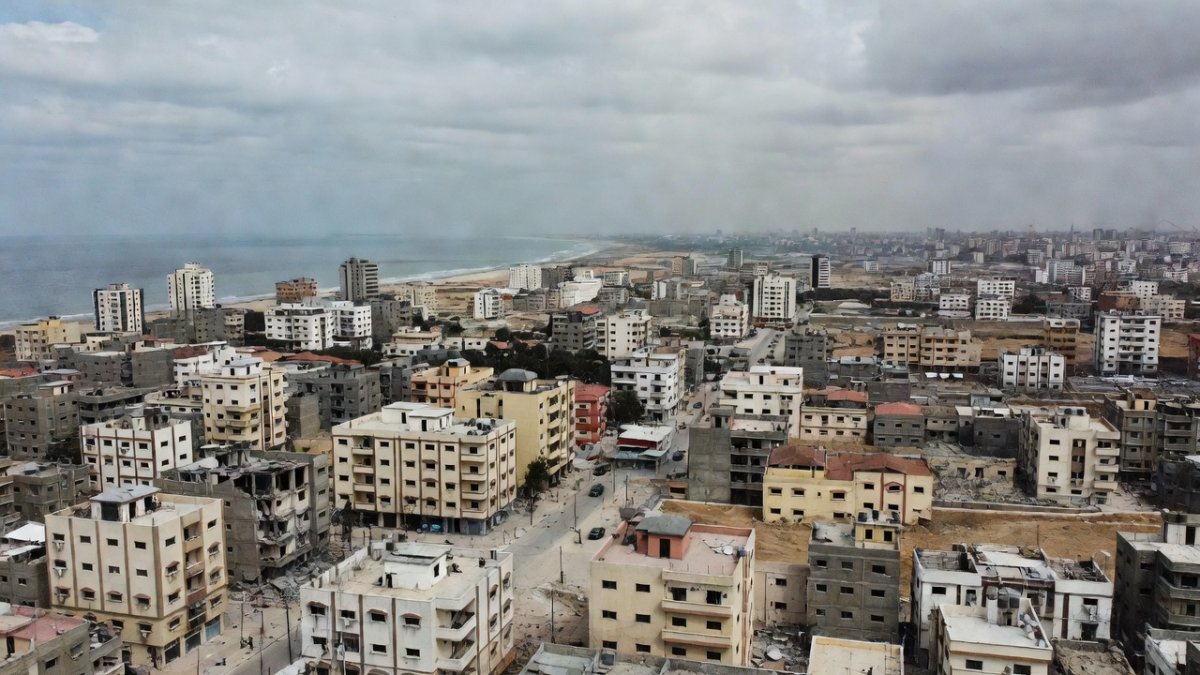
Ben Gvir's Remarks: A Pattern of Incitement
Ben Gvir's latest comments are not an isolated incident but part of a sustained pattern of inflammatory rhetoric from the far-right minister, who has previously made provocative visits to the Al-Aqsa Mosque compound in occupied East Jerusalem and has a long history of anti-Arab incitement. In the podcast interview, he went further than ever before, explicitly calling for mass killings and describing Palestinians in dehumanising terms that human rights organisations have compared to the language used during past genocides.
The minister's call for "targeted assassinations" of 30 to 40 people nightly represents a significant escalation in the discourse of Israeli officials, moving beyond military operations to what appears to be a policy of deliberate mass killing. His statement that "there are people there who are not worthy of life" has been widely condemned as genocidal intent, particularly given the ongoing war in Gaza that has now entered its third year.
Ben Gvir's vision extends beyond military action. His declaration that "I see all of Gaza as ours" and his advocacy for settlements throughout the territory signal an explicit annexationist agenda. Combined with his call for "as much emigration as possible" of Palestinians, international lawyers have noted that these proposals, if implemented, would constitute ethnic cleansing — a crime against humanity under the Rome Statute of the International Criminal Court.
UK Government Response: Condemnation Without Action
The UK Foreign Office responded to Middle East Eye on 20 August 2026, stating: "These remarks are abhorrent. Dehumanising language and calls for violence from an Israeli government minister are unacceptable and serve only to further inflame an already catastrophic situation." A spokesperson added that the UK "continue[s] to call on the Israeli government to take action against those whose rhetoric fuels violence and to clamp down on settler violence."
However, activists argue that this response is insufficient. Ben Gvir is already subject to British sanctions for inciting violence against Palestinians, along with Finance Minister Bezalel Smotrich. The sanctions, which include asset freezes and travel bans, have done little to alter the minister's behaviour or the Israeli government's policies in Gaza. Chris Nineham's assertion that "an apology is not enough" reflects a growing frustration among UK civil society with what they perceive as performative condemnation without meaningful consequences.
The Foreign Office's statement notably stopped short of announcing any new measures, instead reiterating existing calls for Israel to address settler violence and inflammatory rhetoric. This approach has drawn criticism from Palestinian rights groups who point out that the Israeli government has consistently failed to take action against Ben Gvir or Smotrich, both of whom remain powerful figures in Prime Minister Benjamin Netanyahu's coalition.
International Condemnation: A Global Consensus Emerges
Ben Gvir's remarks have drawn condemnation from across the international community. German Chancellor Friedrich Merz "strongly condemns the inhumane appeals made by Minister Ben Gvir, which violate international law," according to government spokesman Sebastian Hille. France and the United Nations have also issued statements condemning the remarks, with UN officials describing them as a violation of fundamental principles of international humanitarian law.
The international response reflects a growing consensus that Israeli officials' rhetoric has crossed a line. However, as with the UK's response, most international condemnations have not been accompanied by concrete measures. This gap between rhetoric and action is precisely what UK-based campaigners are seeking to address through their demands for comprehensive sanctions.
The timing of the international outcry is significant, coming as it does against the backdrop of nearly three years of war in Gaza. The conflict, which began in October 2023, has resulted in the deaths of over 60,000 Palestinians, according to figures from the Gaza health ministry cited by UN agencies. Humanitarian officials have repeatedly warned of famine and catastrophic conditions in the territory, where the vast majority of the population has been displaced multiple times.
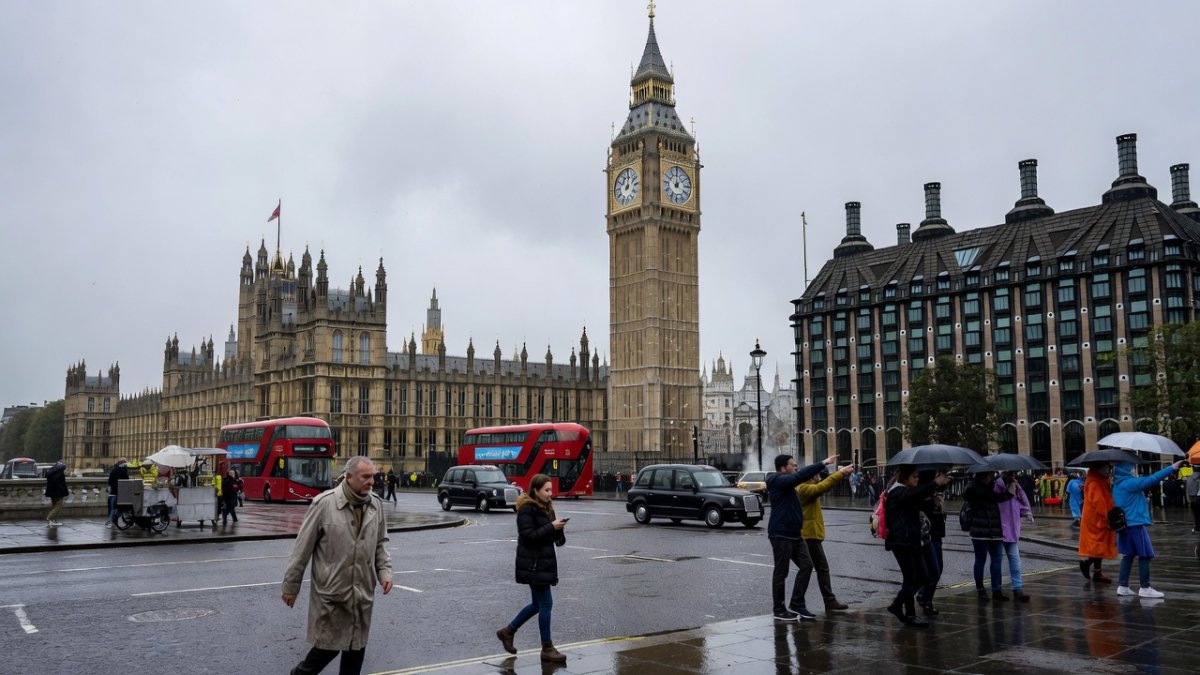
UK Campaign: Three Years of Genocide, Britain Must Act
The Stop the War Coalition has launched a campaign titled "Three years of Genocide: Britain must act," which demands an end to the arms trade with Israel, the suspension of military and intelligence support, and the implementation of comprehensive sanctions. The campaign notes that the UK recognised the State of Palestine a year ago, but argues that this symbolic gesture must be followed by substantive action.
A national march in London is planned for 10 October to mark three years of the war, with organisers expecting significant turnout from across the UK. The demonstration is intended to pressure the Burnham government ahead of its September policy announcement, which activists hope will include meaningful measures rather than continued diplomatic equivocation.
The coalition of UK groups supporting Palestinian rights that released a statement calling on Burnham to take action against Ben Gvir and the Israeli state includes major organisations such as the Palestine Solidarity Campaign, Friends of Al-Aqsa, and the Muslim Association of Britain. Their joint statement emphasises that the UK's response to Ben Gvir's remarks must go beyond condemnation and address the broader context of Israeli policies in Gaza and the occupied territories.
September Policy Announcement: A Critical Test
The Burnham government is poised to announce new policies on Israel in September, with Middle East Eye reporting that these could include a ban on goods from illegal Israeli settlements. Foreign Secretary Ed Miliband is reportedly pushing for stronger measures and has warned Israel over the E1 settlement plan east of occupied Jerusalem, where a tender for 1,234 settlement units opened in August 2026.
The E1 settlement plan is particularly contentious, as it would effectively cut off East Jerusalem from the rest of the West Bank and make the creation of a viable Palestinian state nearly impossible. Miliband's warning on this issue suggests that the UK may be moving toward a more assertive posture on Israeli settlement expansion, which international law considers illegal.
However, activists remain cautious about the scope of the September announcement. While a ban on settlement goods would be a significant step, campaigners are demanding much more: a comprehensive arms embargo, the suspension of all military and intelligence cooperation with Israel, and targeted sanctions against Israeli officials involved in human rights violations. The question is whether the Burnham government, which has shown some willingness to take a harder line on Israel than its predecessors, will go far enough to satisfy these demands.
The Human Cost: Gaza's Catastrophic Reality
Behind the diplomatic manoeuvring and policy debates lies the grim reality of life in Gaza. Nearly three years into the war, the territory's population faces conditions that humanitarian officials have described as apocalyptic. The Gaza health ministry's figure of over 60,000 dead represents only those killed by direct violence; the true toll, including deaths from disease, malnutrition, and lack of medical care, is likely far higher.
Famine has been repeatedly warned of by UN agencies, with the Integrated Food Security Phase Classification (IPC) having previously declared catastrophic levels of food insecurity in parts of the territory. The destruction of Gaza's healthcare infrastructure, water and sanitation systems, and agricultural capacity has created a humanitarian catastrophe that continues to worsen with each passing month.
Ben Gvir's call for nightly killings must be understood in this context. His remarks are not abstract rhetoric but a policy prescription for a territory where the population is already being systematically deprived of the means of survival. The international community's response to his words will be judged against this backdrop of ongoing suffering and death.
Analysis and Implications
The UK campaign for stronger sanctions against Israel represents a significant moment in the evolution of British policy toward the conflict. The recognition of the State of Palestine a year ago marked a symbolic shift, but activists argue that it must be accompanied by substantive measures that hold Israel accountable for its actions. The September policy announcement will be a critical test of whether the Burnham government is willing to translate its stated principles into concrete action.
The fact that Ben Gvir is already subject to UK sanctions yet continues to make genocidal statements raises fundamental questions about the effectiveness of targeted measures. Sanctions against individual ministers have not altered Israeli government policy, leading many to argue that comprehensive economic and military measures are necessary. The UK's continued arms trade with Israel, despite the devastating impact of those weapons in Gaza, remains a particular focus of campaigners' demands.
The international context is also evolving. Germany's strong condemnation of Ben Gvir's remarks, coming from a country that has historically been reluctant to criticise Israel, suggests that even Israel's closest allies are becoming uncomfortable with the direction of its government. The question is whether this discomfort will translate into meaningful action or remain at the level of diplomatic statements.
For Palestinians in Gaza, the debate in London may seem remote from their daily struggle for survival. But the UK's decisions on sanctions, arms exports, and diplomatic pressure have real consequences. The weapons used in Gaza include British-made components; the diplomatic cover provided by Western allies has enabled the continuation of the war. The campaign for stronger sanctions is, at its core, an attempt to break this cycle of complicity.
As the October march approaches and the September policy announcement draws nearer, the pressure on the Burnham government will only intensify. Chris Nineham's words — "an apology is not enough" — capture the sentiment of a movement that has watched nearly three years of death and destruction in Gaza and is no longer satisfied with expressions of regret. The demand is for action: an end to arms sales, comprehensive sanctions, and a fundamental shift in the UK's relationship with Israel. Whether the government will heed this call remains to be seen, but the campaign shows no signs of abating.
The coming weeks will be decisive. The September announcement will reveal whether the UK is prepared to take meaningful steps or will continue to offer words while Israel's war on Gaza enters its fourth year. For the people of Gaza, and for the activists who have mobilised in their support, the stakes could not be higher. The international community's response to Ben Gvir's call for nightly killings will be a measure of whether the world has learned anything from the catastrophes of the past — or whether it is content to watch another genocide unfold in real time.
By Fatima Al-Rashid, Staff Writer
This article was produced with AI-assisted research and editorial support. Reporting is based on sources cited in the article.
What's Your Reaction?
 Like
0
Like
0
 Dislike
0
Dislike
0
 Love
0
Love
0
 Funny
0
Funny
0
 Wow
0
Wow
0
 Sad
0
Sad
0
 Angry
0
Angry
0

Gulf/MENA Correspondent at Global1.News. Based in Doha, covering Gulf politics, energy markets, diplomacy, and development across the Middle East and North Africa. Tracks the economic transformation of the Gulf states.












Comments (0)