
New faces, new stories as Israel’s 26th Knesset convenes
Israel’s 26th Knesset convenes on Tuesday, marking a historic turnover in the nation’s legislative body. Forty‑six of the 120 seats are filled by first‑time lawmakers – more than a third of the parliament – and the chamber now includes 33 women, up from 29 in the previous term.

Israel’s 26th Knesset convenes on Tuesday, marking a historic turnover in the nation’s legislative body. Forty‑six of the 120 seats are filled by first‑time lawmakers – more than a third of the parliament – and the chamber now includes 33 women, up from 29 in the previous term. The influx of former security chiefs, senior civil servants, journalists and activists arrives at a moment of political uncertainty, as Prime Minister Benjamin Netanyahu’s 53‑seat bloc and the opposition’s 48 seats both fall short of a majority. President Isaac Herzog will open the ceremony at 3 p.m., followed by the swearing‑in at 4 p.m., before the new members begin the arduous task of shaping Israel’s future.
Broadening the professional profile of the Knesset
The composition of the new parliament reflects a pronounced shift toward professional expertise. According to data compiled by Vote Smart and reported by JNS, 73 % of incoming MKs served in the Israel Defense Forces, underscoring the continued centrality of security experience in Israeli politics. Nearly half hold master’s degrees, and 9 % possess doctorates, indicating a highly educated cohort.
Women now account for 28 % of the legislature, with Yashar’s list leading at 52 % and both The Democrats and B’Yachad close behind at 50 % each. This gender balance, while still short of parity, signals a gradual but meaningful change in representation, especially given the traditionally male‑dominated security and political spheres.
Yashar’s professional influx and committee leadership
Yashar, the second‑largest faction with 21 seats, will introduce 15 newcomers, many of whom bring senior security and bureaucratic credentials. Former Shin Bet chief Yoram Cohen and retired Maj. Gen. Kamil Abu Rukun, once head of the IDF’s COGAT unit, exemplify the security‑focused background of the list. Senior civil servants such as Shaul Meridor, former director of the Finance Ministry’s Budget Department, and Tair Ifergan, ex‑director general of the Labor Ministry, add fiscal and administrative depth.
Under an agreement brokered by Yashar leader Gadi Eisenkot with party heads Naftali Bennett, Yair Golan, Avigdor Liberman and Yair Lapid, Yashar secured key parliamentary positions. Former minister Matan Kahana will serve as Knesset speaker, while Liberman will chair the Foreign Affairs and Defense Committee, positioning Yashar to influence Israel’s security agenda directly. The arrangement also earmarks Liran Avisar Ben‑Horin of B’Yachad to chair the Finance Committee, linking Yashar’s security focus with fiscal oversight.
Security veterans on the rise
The presence of former military leaders is a defining feature of the new Knesset. In addition to Yashar’s security veterans, B’Yachad’s list includes retired Maj. Gen. Noam Tibon, who gained national attention for rescuing his family during the Oct 7 Hamas assault. His personal story of confronting the attack underscores the deep scars the war has left on Israel’s political class.
Other right‑wing factions also field former officers. The Religious Zionist Party introduces reserve Lt. Col. Itamar Eitam, while Otzma Yehudit brings in Hanamel Dorfman, a former chief of staff to National Security Minister Itamar Ben‑Gvir. These appointments suggest that security considerations will dominate legislative debates, especially as the country continues to grapple with the aftermath of the Gaza conflict.
Women’s expanding role in governance
The increase to 33 women MKs reflects a broader societal shift toward gender inclusion. Yashar leads with a 52 % female share, while B’Yachad and The Democrats each have half of their lists composed of women. Notable female entrants include former mayor Tal Ohana Hachmon, former regional council head Oshrat Gani Gonen, and former director general of the Pnima movement Inbar Harush Giti, all joining Yashar.
Beyond political parties, civil society leaders are also entering the legislature. Adi Altschuler, founder of the inclusive youth movement Krembo Wings, and Alex Rif, who promotes Russian‑speaking Israeli culture through the Cultural Brigade, exemplify the growing pipeline from nonprofit leadership to parliamentary service. Their presence may broaden the policy agenda to include social integration and cultural diversity.
Personal narratives shaped by Oct 7
The war’s trauma permeates the new Knesset, with several members carrying personal loss from the Oct 7 Hamas attack. Likud’s list features Talik Gvili, mother of Master Sgt. Ran Gvili, whose son was killed in the assault and whose remains were returned after two years of captivity. Elisha Madan, an IDF reservist who lost both legs in Gaza, also joins Likud, while Yashar includes Shira Shapira, mother of a soldier killed protecting civilians at a festival near Kibbutz Re’im.
Other parties bring similar stories. B’Yachad’s Michal Hirsch Negri lost her son, Maj. (res.) Roee Negri, at Kibbutz Be’eri on Oct 7, and now seeks to honor his memory through public service. The Religious Zionist Party’s Tzvika Mor, whose son was held hostage for more than two years, emphasizes education, Jewish identity and security as his legislative priorities, reflecting a personal drive to prevent future tragedies.
Economic and social priorities amid cost‑of‑living pressures
Beyond security, the new parliament faces mounting economic challenges. B’Yachad’s Liran Avisar Ben‑Horin pledged to bring the cost of living closer to 2008 levels and align prices with OECD standards, signaling a focus on inflation relief. She also highlighted the integration of ultra‑Orthodox (Haredi) communities into the workforce, military service and state education, framing socioeconomic inclusion as a national imperative.
Michal Negri, with a background in municipal management, will prioritize education and strengthening local government, arguing that empowered municipalities better meet residents’ needs. Her emphasis on granting local authorities greater decision‑making powers dovetails with broader calls for decentralization to improve public services and address regional disparities.
Looking ahead: coalition building and legislative outlook
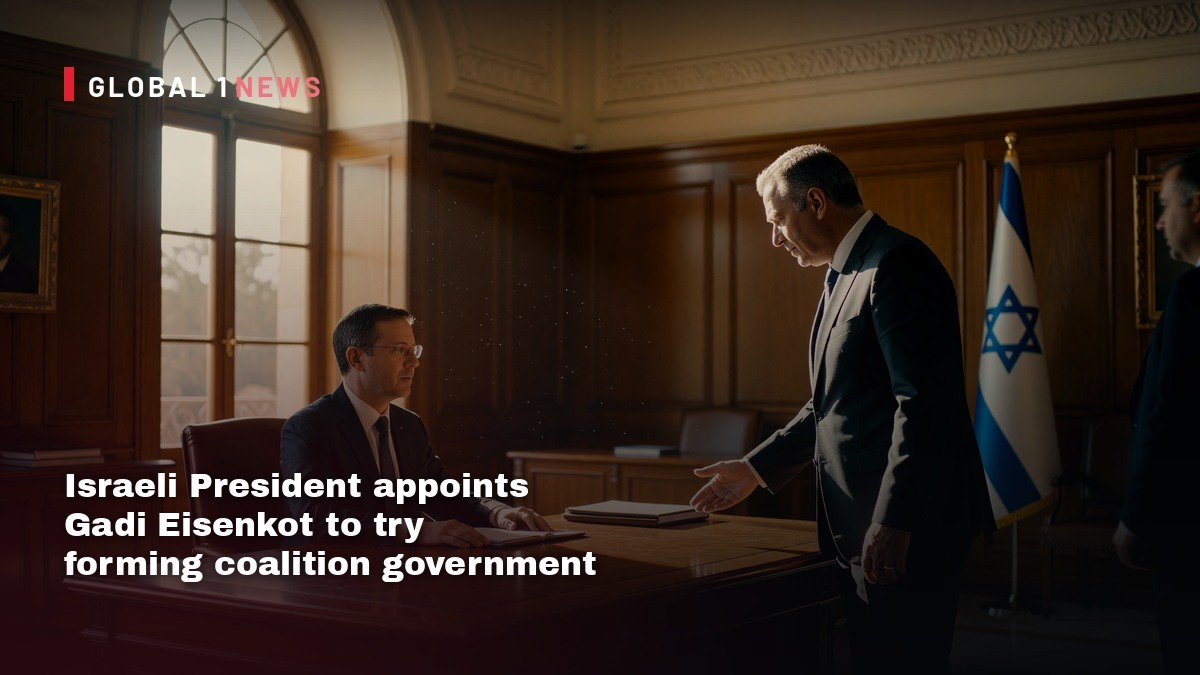
The immediate political task is forming a governing coalition. Herzog tasked Yashar leader Gadi Eisenkot with negotiations, and Eisenkot’s recent agreement on committee leadership signals progress toward a functional parliament, even as a formal majority remains elusive. The composition of the committees, slated for discussion this week and approval next Wednesday, will shape the legislative agenda on security, finance and foreign affairs.
With a diverse mix of security veterans, civil servants, social activists and bereaved families, the 26th Knesset embodies both continuity and change. Its members bring professional expertise and personal stakes that could foster a more pragmatic, technology‑driven approach to governance, as Liran Avisar Ben‑Horin described the new chamber as “a serious parliament of statehood, professionalism and technology.” How these dynamics translate into policy will determine whether Israel can navigate its security challenges while addressing the pressing economic and social needs of its citizens.
This article was produced with AI-assisted research and editorial support. Reporting is based on the source material cited below. Sources: JNS (Jewish News Syndicate); jns.org; Global1.News (10 November 2026).
By Hannah Berg, Staff Writer
What's Your Reaction?
 Like
0
 Dislike
0
 Love
0
 Funny
0
 Wow
0
 Sad
0
 Angry
0

Israel Correspondent at Global1.News. Based in Tel Aviv, covering Israeli politics, security, technology, and society. Provides balanced, deeply-sourced reporting on one of the most closely-watched regions in the world.













Comments (0)