
Uganda's Ebola Containment Offers Lessons as DR Congo Deaths Surpass 1,500
As DR Congo's Ebola outbreak tops 1,500 deaths, Uganda's swift containment of its own cases - just 20 infections and two deaths - shows how preparedness, institutional memory and community trust can stop a deadly virus in its tracks.
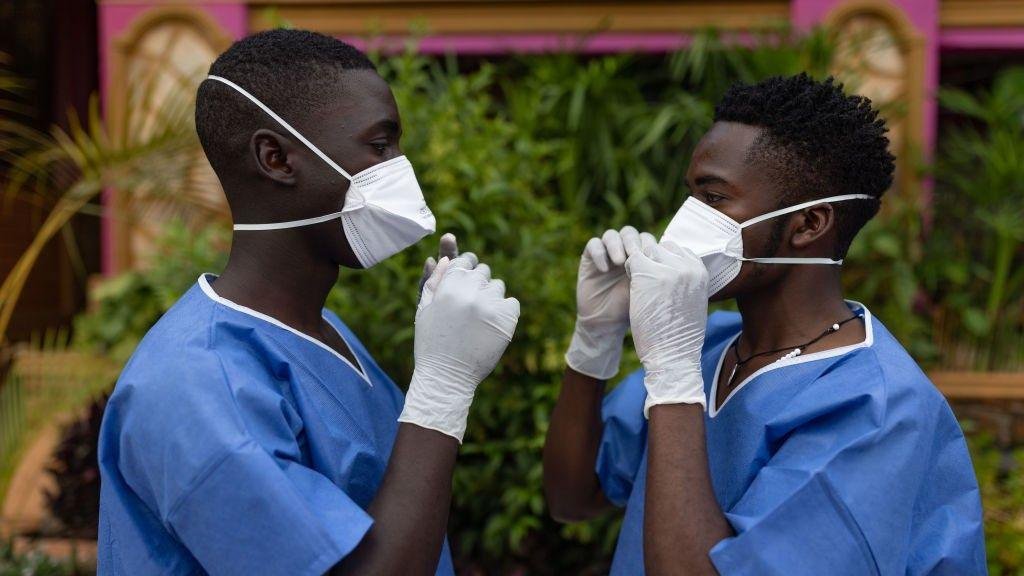
As the Democratic Republic of Congo grapples with an Ebola outbreak that has claimed more than 1,500 lives since its May declaration, neighboring Uganda has swiftly contained its own imported cases, recording just 20 infections and two deaths before declaring itself free of the virus. This striking contrast underscores how years of preparedness, institutional memory, and community trust can blunt a disease that has repeatedly struck the region. Uganda's experience now stands as a practical guide for neighbors facing the same threat.
The Grim Milestone in DR Congo
The Ebola outbreak in eastern Democratic Republic of Congo reached a sombre milestone in early August 2026, with the official death toll exceeding 1,500. Declared in May, the outbreak has already become the second-worst on record. Health authorities confirmed on 31 July that the virus was spreading faster than in previous episodes, and experts warned that the true number of fatalities is likely much higher given the difficulty of reaching affected communities.
The current strain, known as Bundibugyo, went undetected for weeks because surveillance teams were testing only for more common Ebola species, according to the BBC report on the outbreak. This delay allowed wider transmission before the outbreak was publicly acknowledged on 15 May. This is the 17th Ebola outbreak in DR Congo since the virus was first identified 50 years ago, and the accelerated pace of spread carries direct implications for neighboring areas where constant population movement heightens the risk of wider regional impact.
Uganda's Remarkable Containment
Next door, Uganda presented a sharply different picture. The country recorded just 20 cases and two deaths after its first imported infection arrived in May. Health Minister Chris Baryomunsi described the discharge of the last patient two weeks earlier as a moment of joy. Uganda has since declared itself Ebola-free, citing the absence of unexplained community transmission.
Dr Kasonde Mwinga, the World Health Organization's Uganda chief, told the BBC that the low casualty figures were not "by luck or chance." "It's because people invested in preparedness," she said.
Of the 20 people who tested positive in Uganda, 15 originated in DR Congo, including the first known case of a man who crossed the border seeking treatment. That investment translated into concrete advantages that separated Uganda's outcome from the larger toll recorded across the border. Established treatment capacity, rapid referral pathways and accumulated operational knowledge allowed authorities to intercept imported infections before they seeded wider chains, demonstrating how sustained funding and training can convert potential epidemics into contained events.
Lessons from Past Outbreaks
Uganda has faced nine Ebola outbreaks since 2000, and officials credit repeated exposure with building institutional memory. Government spokesperson Alan Kasujja told the BBC's Newsday programme: "We know Ebola. It's been here a few times, we know how to deal with it."
In 2011 a 12-year-old girl reached a hospital in Luwero district displaying symptoms that immediately triggered isolation and the donning of personal protective equipment by attending medics. Three hours after arrival she died, yet the careful sealing of her body in a coffin stopped any onward spread; a later blood sample confirmed the pathogen as Ebola. These measured steps illustrate how earlier encounters leave behind practical templates that health teams can activate without hesitation.
Institutional memory of this kind strengthens African health systems by turning each outbreak into a live rehearsal for the next. The cumulative effect is a steadily more capable workforce whose reflexes are sharpened rather than improvised when fresh cases appear.
Rapid Activation of Treatment Facilities
Once health authorities confirmed multiple imported infections, they activated the specialist Ebola treatment centre at Mulago hospital in Kampala. The facility, used during an outbreak the previous year, already held leftover medical supplies and maintained an emergency medical team on standby.
Dr David Kaggwa, head of the unit, explained that only minor reordering of supplies was needed before the centre could receive patients within a single day. "So, it is easy, it's not that we're starting from scratch," he said. After the joint declaration on 15 May, people with symptoms including headaches, fever and vomiting came directly to the treatment unit rather than passing through general hospitals, sharply limiting opportunities for community transmission.
Ready-made infrastructure of this sort proves decisive during a fast-moving outbreak because it removes the lag between detection and isolation, allowing resources to focus on confirmed cases from the outset.
Surveillance Hurdles in Conflict Zones
DR Congo's response faced steeper obstacles. In Bunia, the epicentre in Ituri province, field investigator Dr Moubarack Kano described surveillance hampered by poor planning, logistical bottlenecks and inexperienced staff. The result, he said, was that officials often discovered the disease only after it had already spread. "We're just chasing it," he told Reuters.
Ituri has operated under military rule for several years amid efforts to contain dozens of armed groups. Further south, M23 rebels control territory where their Ebola response coordinator, Dr Fred Kaniki, reported successful early detection and contact tracing of 400 people linked to two additional cases. This insecurity has displaced millions, while artisanal mining and cross-border trade keep large numbers of people constantly on the move, rendering systematic contact tracing nearly impossible. Yet official assessments highlight that teams remain largely reactive, chasing the outbreak rather than containing it at source.
Community Involvement and Quarantine Success
Uganda quarantined more than 6,000 contacts for the full 21-day incubation period. Dr Kaggwa stressed that this measure proved critical because most new cases arise from known contacts. Public cooperation remained high even after the last patient recovered, with people continuing precautions despite official announcements that no active cases remained.
One nurse who contracted the virus in Kampala sought a second medical opinion after colleagues tested positive and immediately entered isolation, even while her 11-month-old baby was quarantined separately. Such compliance helped prevent further chains of transmission. Uganda's earlier success against HIV and Aids offers useful context: a sustained national campaign in the 1990s and 2000s reduced prevalence from more than 10 percent to 6 percent within roughly a decade by promoting the "ABCs" of abstinence, being faithful and condom use. That same emphasis on community-level action appears to underpin the current Ebola response, where voluntary cooperation has been notable.
Cross-Border Solidarity and Future Risks
Uganda closed its border with DR Congo to curb the spread, despite the economic impact on cross-border traders. The country has since deployed dozens of healthcare workers to assist DR Congo, with Health Minister Chris Baryomunsi saying on X that Ugandans were helping their "brothers and sisters" tackle Ebola. Alan Kasujja framed it plainly: "Uganda cannot win against Ebola if the Democratic Republic of Congo fails."
Screening at entry points has been strengthened and public education continues. Dr Kaggwa noted that the long, porous border with Ituri means the virus could return, underscoring the need for sustained vigilance. The experience signals a growing understanding that isolated national strategies are insufficient for diseases that cross porous frontiers, and that sustained cross-border cooperation will be essential for protecting public health across the region in future outbreaks.
By Amara Diop, Staff WriterThis article was produced with AI-assisted research and editorial support. Reporting is based on sources cited in the article.
What's Your Reaction?
 Like
0
Like
0
 Dislike
0
Dislike
0
 Love
0
Love
0
 Funny
0
Funny
0
 Wow
0
Wow
0
 Sad
0
Sad
0
 Angry
0
Angry
0

West Africa/Sahel Correspondent at Global1.News. Dakar-based journalist covering politics, security, climate, and development across Francophone and Anglophone West Africa. Tells the stories of a region undergoing profound transformation.














Comments (0)