
Riot Breaks Out at Tapachula Migrant Detention Center After Alleged Arson Attempt
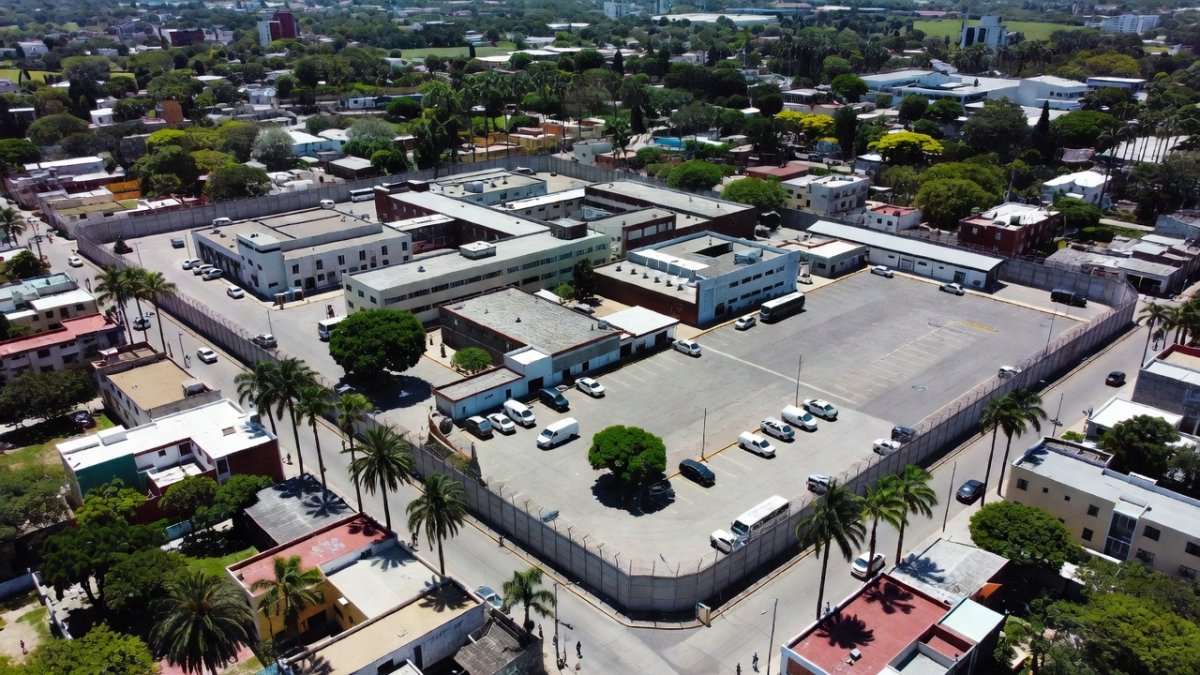
The night of Saturday, August 1, 2026, brought unrest to the Estación Migratoria Siglo XXI in Tapachula, Chiapas. Shortly before 10:00 PM, migrants inside the facility set fire to mattresses in the dormitories. Their actions demanded immediate release and faster processing of immigration cases.
Riot Breaks Out at Tapachula Migrant Detention Center After Alleged Arson Attempt
The Events Unfold on August 1
The night of Saturday, August 1, 2026, brought unrest to the Estación Migratoria Siglo XXI in Tapachula, Chiapas. Shortly before 10:00 PM, migrants inside the facility set fire to mattresses in the dormitories. Their actions demanded immediate release and faster processing of immigration cases. The center, run by the Instituto Nacional de Migración under the Secretaría de Gobernación, serves as Mexico's largest immigration detention site on the southern border.
Reports indicate the group included around 40 Cuban migrants who had learned of impending deportations. Some had been relocated from central Mexico after failing to prove legal status. Others among the protesters were foreigners previously removed from the United States by ICE and sent overland to southern facilities. The facility, built to hold up to 1,500 people, already faces chronic overcrowding that strains daily operations for everyone inside.
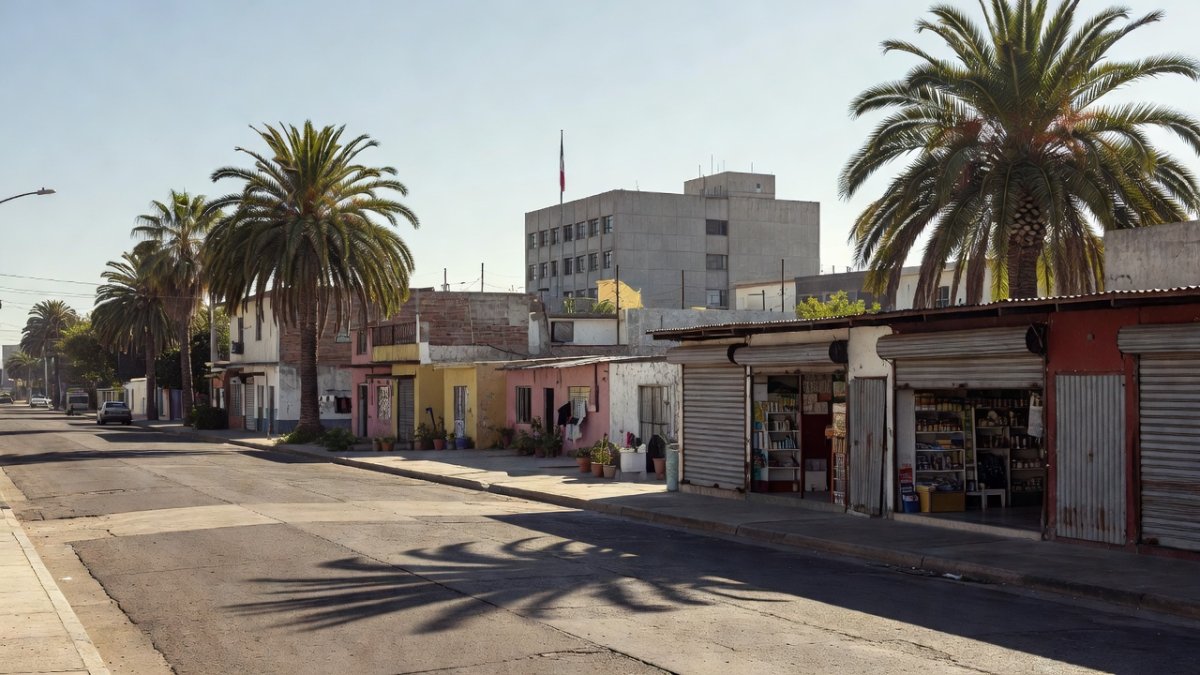
Local families in Tapachula colonias heard the commotion from nearby streets. The unrest lasted until security forces contained the situation around midnight, roughly 150 minutes after it began. No injuries or serious casualties were reported by authorities.
This episode echoes the March 2023 fire at the Ciudad Juárez immigration station, where dozens lost their lives. Residents across Chiapas remember that tragedy and fear similar risks when tensions rise inside detention centers.
Tensions in Tapachula have risen steadily through 2026. In April, Cuban migrants reported assaults by municipal officials in Miguel Hidalgo Park. By May, between 1,200 and 1,500 Cubans organized a caravan heading toward Mexico City to demand concrete responses to their immigration situation.
Tapachula stands as the main commercial center of the Soconusco region in Chiapas, right near the Guatemala border. Migrant flows through the area regularly include Central Americans, Cubans, Venezuelans, Haitians, and others seeking safety or onward movement. Many described facing systematic abuses and incomunicación during their time in the region, adding to the sense of isolation that fueled the unrest that night.
Migrant Demands and Reported Conditions
Migrants voiced frustration over systematic abuses and isolation from the outside world. They described being held without clear timelines for their cases, leaving many in limbo for months. Some reported pressure to hire private attorneys rather than receive free legal support through official channels.
The complaints center on lack of due process and limited communication with family members or advocates. With about 65,000 migrants estimated to be stranded at the southern border, processing delays affect thousands of families waiting for resolutions. Many come from Cuba, Venezuela, and other countries, unable to return home yet facing long asylum waits in Mexico.
Deportees from the United States often end up transferred to places like Tapachula or Villahermosa. This practice keeps people in detention even after crossing the northern border. Healthcare workers and local volunteers in Tapachula note the strain on community resources when large numbers remain in the area without institutional support.
In July, civil organizations warned that thousands of migrants were surviving thanks to informal support networks because of the lack of institutional solutions. These networks provide food, temporary shelter, and emotional support, yet they cannot replace the structured assistance many migrants need.
Since January 2025 the Trump administration has deported more than 4,300 Cuban citizens to Mexico, the largest group among nearly 13,000 nationals from third countries sent to Mexican territory. Many now face asylum processes in Mexico that can extend beyond a year, deepening the uncertainty felt by families who already endured exhausting journeys.
Security Operation and Official Response
Elements of the Guardia Nacional, the Mexican Army, and state and municipal police responded to the incident. The joint operation focused on restoring order through dialogue, according to the Instituto Nacional de Migración. Two individuals identified as probable instigators were detained and transferred to Tuxtla Gutiérrez for further processing.
The two men, Venezuelan migrants Henderson Villaroel Chopite and Howard David Caballero, now face forced repatriation proceedings. Authorities stated that human rights were respected during the containment and that order was restored without major damage beyond the mattresses set alight.
As of Sunday morning, August 2, the Instituto Nacional de Migración had not released a full official statement detailing the exact number of participants or final outcomes. The Sheinbaum administration has emphasized orderly and regular migration as a priority while balancing external pressures on border enforcement.
According to the MVS/Proceso report, the INM statement described the incident as one that "derived from the intentional burning of bedding motivated by procedural grievances," while noting that during the multisectoral operation the guarantees of the housed individuals were preserved and the two identified instigators were placed at the disposal of the competent legal jurisdiction.
García Villagrán denounced that "those expelled from the north by U.S. agencies suffer exhausting overland journeys to the south, falling into a cycle of confinement perpetrated by an operational structure that acts as a replica of ICE on national soil."
The facility remains the largest immigration detention center in Latin America, designed for up to 1,500 people, and the INM operates as a federal agency under the Secretaría de Gobernación. Community members in nearby colonias expressed relief that the response avoided further escalation, yet they continue to hope for clearer communication from officials about conditions inside.
Activist Calls for Greater Transparency
Luis García Villagrán, director of the Centro de Dignificación Humana A.C. in Tapachula, criticized the opacity surrounding events inside the station. He called for public access to the facility so citizens can understand what occurs within its walls. His organization has long documented conditions affecting migrants held there.
García Villagrán highlighted class-based differences in how migration issues are handled. He noted that many migrants remain isolated and that some face pressure during their stays. These concerns connect to broader patterns reported by civil organizations throughout 2026, including incidents in April and a large caravan in May.
Local communities in Chiapas, including indigenous groups and ejido members, feel the ripple effects when migration policies create prolonged uncertainty. Advocates continue to push for solutions that respect human rights while addressing the backlog of cases.
Residents across the Soconusco region often share stories of how informal networks step in when official channels fall short, offering meals and temporary shelter to those released or still waiting. These community efforts highlight the warmth and solidarity that define daily life in Tapachula even amid ongoing challenges.
Regional Context and Future Implications
Since January 2025, more than 4,300 Cuban citizens have been deported to Mexico under U.S. policies, forming the largest group among nearly 13,000 third-country nationals sent across the border. Many remain in migratory limbo, unable to return to Cuba or enter the United States while awaiting Mexican asylum decisions that can take over a year.
The Sheinbaum administration continues to navigate these pressures alongside commitments to safe and regular migration. The Congreso de la Unión and state governments in Chiapas monitor developments at facilities like Siglo XXI. Ordinary Mexicans in rural communities and urban colonias feel the human cost when policies leave thousands without clear paths forward.
Events like the August 1 riot remind everyone of the need for practical improvements in processing and conditions. For migrant families, teachers supporting affected students, and healthcare providers serving the region, lasting solutions depend on coordinated action across federal, state, and municipal levels.
Community leaders in Tapachula emphasize that the southern border situation affects everyone, from local businesses to schools and clinics. They call for approaches that honor the dignity of those passing through while strengthening support systems that already exist in neighborhoods across Chiapas.
By Rosa Martinez, Staff Writer
This article was produced with AI-assisted research and editorial support. Reporting is based on sources cited in the article.
What's Your Reaction?
 Like
0
Like
0
 Dislike
0
Dislike
0
 Love
0
Love
0
 Funny
0
Funny
0
 Wow
0
Wow
0
 Sad
0
Sad
0
 Angry
0
Angry
0

Latin America/Andes Correspondent at Global1.News. Based in Bogota, covering politics, environment, energy, and social movements across the Andean region. Passionate about environmental journalism and communities protecting their land.












Comments (0)