
Trump's Orders on Birthright Citizenship Spark Mexican Concern
The recent DW News report highlights how the new directives could affect Mexican families living in Tijuana and Ciudad Juárez who have long weighed the benefits of U.S. prenatal care against the realities of cross-border life. Many households maintain close ties on both sides of the line, and the orders arrive at a moment when travel planning already carries extra layers of documentation and cost.
The recent DW News report highlights how the new directives could affect Mexican families living in Tijuana and Ciudad Juárez who have long weighed the benefits of U.S. prenatal care against the realities of cross-border life. Many households maintain close ties on both sides of the line, and the orders arrive at a moment when travel planning already carries extra layers of documentation and cost.
Trump Signs Two Executive Orders Targeting Birthright Citizenship and Birth Tourism
Mexico City, Mexico – This Week — On Thursday, August 6, 2026, President Trump signed two executive orders in the Oval Office with Stephen Miller present. The measures expand categories of non-citizens whose children may not receive automatic citizenship and create new tools to deter birth tourism. Mexican consular officials across the United States are preparing to monitor how the changes affect mixed-status families and dual-nationality children.
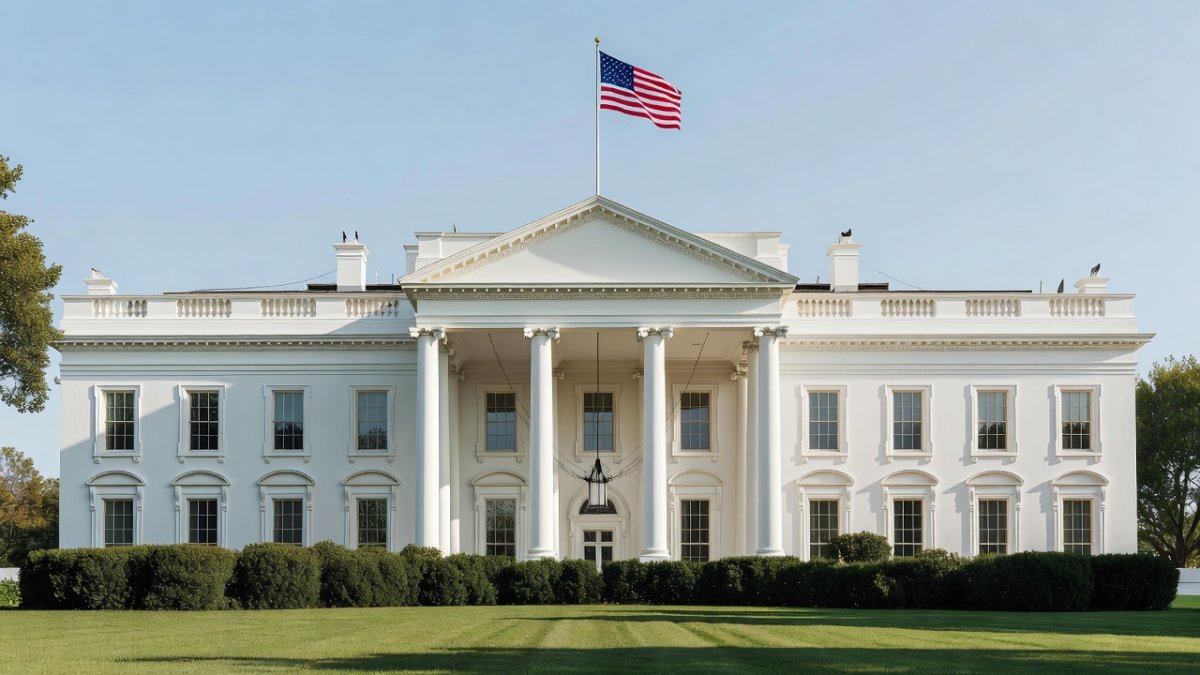
The Story Unfolds — Two Orders, One Goal
On August 6, 2026, President Trump signed the orders in the Oval Office while Stephen Miller stood nearby. The first order, titled “Continuing to Protect the Meaning and Value of American Citizenship,” broadens the list of non-citizens whose U.S.-born children are not entitled to birthright citizenship. The second order, “Ending Birth Tourism,” focuses on preventing the use of tourist visas primarily for childbirth. Together the actions represent the administration’s latest effort to narrow the scope of the 14th Amendment’s citizenship clause.
Trump described the Supreme Court’s June 30, 2026, decision in Trump v. Barbara as “very unfortunate” and “very unfair.” He noted that “people are building businesses around it” and said the practice “should have happened years ago.” He added that birthright citizenship had been turned into “a joke.” The president indicated he would ask the Supreme Court for a formal review of the new measures.
Stephen Miller called the practice of “pretending to be a tourist…to have a child, to make that child an automatic citizen” unacceptable. He stated that “no one in the world is any more allowed to obtain a visa for this fraudulent purpose” and described the issue as one of the administration’s top three priorities.
What the Orders Actually Say
The first order expands the categories of parents whose children born in the United States will not receive automatic citizenship. These include children of “alien enemies,” members of foreign terrorist organizations, foreign government employees and diplomatic personnel, individuals who have attempted citizenship fraud, and people present in U.S. territories without statutory citizenship. The order draws on long-standing legal arguments advanced by figures such as John Eastman.
The second order delegates authority under Section 215(a) of the Immigration and Nationality Act to the Secretary of State and the Secretary of Homeland Security. Consular officers may now deny or revoke tourist visas when they suspect the primary purpose of a pregnant woman’s travel is to give birth. The order also authorizes permanent bars on entry, removal proceedings, and actions against facilitators who run deceptive advertising promising citizenship, public benefits, or hotel packages while coaching clients to misrepresent their travel purpose.
A Department of Justice memo from Acting Attorney General Todd Blanche and Assistant Attorney General Colin McDonald directs prosecutors to prioritize cases involving visa fraud, money laundering, identity theft, and wire fraud tied to birth tourism. The Department of Homeland Security launched its Birth Tourism Initiative in April 2026 to coordinate enforcement.
Mexican Context — Consulates and Bilateral Ties
Mexico maintains fifty consulates in the United States, the largest consular network of any country. These offices have historically assisted families navigating dual nationality under Mexican law and have provided documentation for children born in the United States. The new orders are expected to increase the volume of inquiries reaching consulates in cities with large Mexican populations.
The Sheinbaum administration has consistently defended migrants’ rights and is likely to instruct the Secretaría de Relaciones Exteriores and its consulates to monitor implementation closely. Mexican media outlets including La Razón, Proceso, and El Informador have already begun covering the potential effects on families who travel for prenatal care or who maintain homes on both sides of the border.
Communities in Tijuana and Ciudad Juárez colonias have long balanced U.S. hospital births with Mexican residency. The orders introduce new visa scrutiny that could affect how families plan future pregnancies and how they secure the documents needed to register dual-nationality children with Mexican authorities.
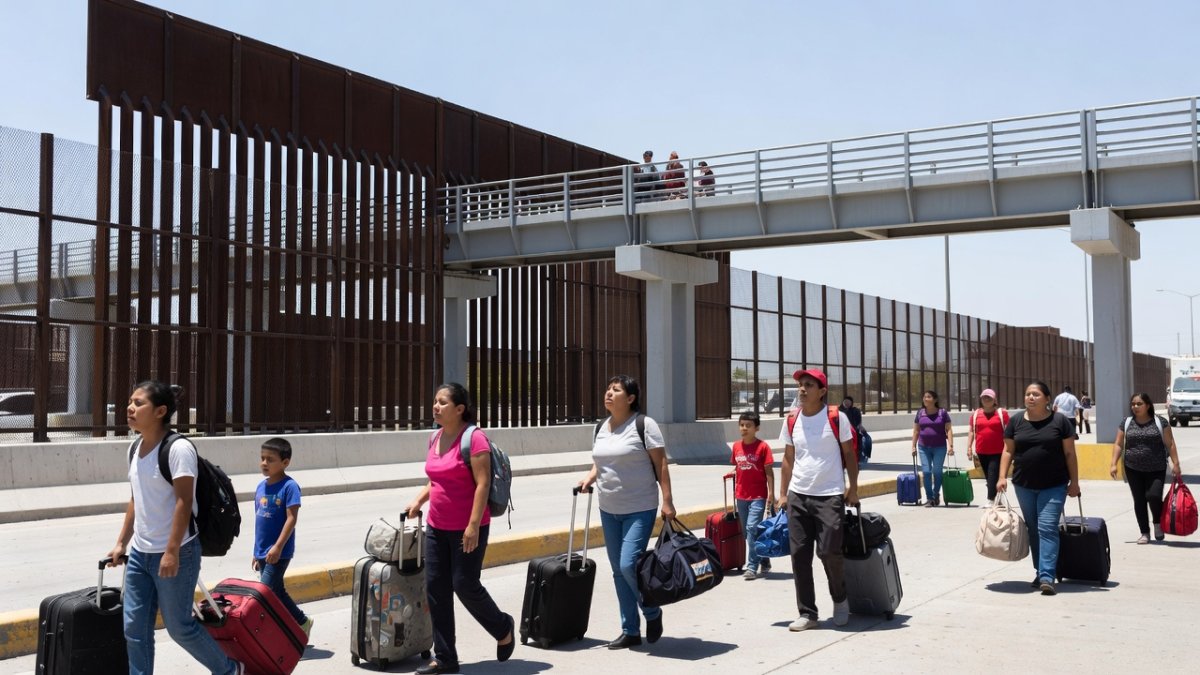
Impact on Mexican Communities
The Migration Policy Institute estimates 22,000 to 26,000 birth-tourism births occur annually in the United States, with the highest census figure reaching 9,600 births to mothers listing foreign addresses in 2024. While these numbers represent a small share of total births, the orders could still touch Mexican families who travel for medical reasons rather than for citizenship alone. Uninsured hospital births in the United States can cost between $18,000 and $30,000 or more.
Approximately 300,000 children are born each year to parents who are undocumented or hold temporary visas. Many of these families live in mixed-status households common in Mexican-American communities. The new restrictions on visa issuance may prompt some families to reconsider travel plans or to seek prenatal care closer to home in Mexico.
Thirty-two other countries continue to grant birthright citizenship. Mexican families weighing the costs and benefits of U.S. births must now factor in heightened consular interviews and possible future restrictions on re-entry for the mother or other relatives.
Reactions and Responses
The ACLU issued a strong statement against the orders, arguing they conflict with constitutional precedent. The Guardian’s Robert Mackey described the measures as the latest step in an “obsessive campaign” against birthright citizenship. Mexican officials have not issued formal protests but are expected to track how the directives affect consular services and family reunification cases.
Trump has framed the orders as necessary to restore the original meaning of citizenship. Stephen Miller emphasized that the goal is to eliminate any perception that tourist visas can be used to secure automatic citizenship for a child. Both statements have circulated widely in Mexican media and among border communities.
Local organizations serving Mexican families in the United States are expected to ramp up informational sessions to explain the new visa rules and the categories of parents affected by the citizenship order. Consulates are likely to expand legal orientation services in the coming weeks.
The Legal Battle Ahead
The Supreme Court’s June 30, 2026, ruling in Trump v. Barbara struck down an earlier executive order from January 20, 2025, by a 6-3 vote. Chief Justice Roberts wrote for the majority that “Citizenship, then and now, was the right to have rights—to freely participate in our political community,” reaffirming the precedent set by United States v. Wong Kim Ark in 1898. Justices Thomas and Gorsuch dissented, with Gorsuch and Alito filing separate dissents.
Legal scholar Gabriel Chin of UC Davis has noted that once a child is born in the United States, the president lacks authority to declare that child a non-citizen. He described birth tourism as “a drop in the bucket” compared with the larger population of births to undocumented or temporary-visa parents. The administration’s decision to seek further Supreme Court review sets up another round of constitutional litigation.
The 14th Amendment was adopted in 1868 in direct response to the Dred Scott decision of 1857. Any new challenge will again test the amendment’s text and more than 125 years of subsequent interpretation.
What to Watch For
Consular officers are expected to begin applying the new visa screening standards in the coming weeks. Mexican families planning travel for prenatal care should expect more detailed questions about the purpose of their trip and may need additional documentation. The Department of Homeland Security’s Birth Tourism Initiative will coordinate with prosecutors on cases involving suspected facilitators.
Advocacy groups and Mexican consulates are expected to issue updated guidance for mixed-status families. The Supreme Court’s response to the administration’s request for formal review will determine whether the orders face immediate nationwide injunctions or proceed while litigation continues.
Border communities in Tijuana and Ciudad Juárez will continue to balance medical needs, family ties, and legal requirements. Mexican officials have signaled they will track implementation to protect the rights of their citizens abroad.
As Mexican families navigate these changes, the fifty consulates stand ready to provide information and assistance. The coming months will show how the new rules reshape travel patterns and family decisions along the border.
By Rosa Martinez, Staff Writer
This article was produced with AI-assisted research and editorial support. Reporting is based on sources cited in the article.
What's Your Reaction?
 Like
0
Like
0
 Dislike
0
Dislike
0
 Love
0
Love
0
 Funny
0
Funny
0
 Wow
0
Wow
0
 Sad
0
Sad
0
 Angry
0
Angry
0
Latin America/Andes Correspondent at Global1.News. Based in Bogota, covering politics, environment, energy, and social movements across the Andean region. Passionate about environmental journalism and communities protecting their land.















Comments (0)