
Mexico Bans Fracking in Tampico-Misantla Basin
On August 6 2026 President Claudia Sheinbaum announced at the mañanera that her government will respect the expert committee's recommendation to prohibit unconventional natural gas extraction in the Tampico-Misantla basin, a move that directly shields families in Veracruz and southern Tamaulipas colonias from risks to fresh water and local livelihoods.
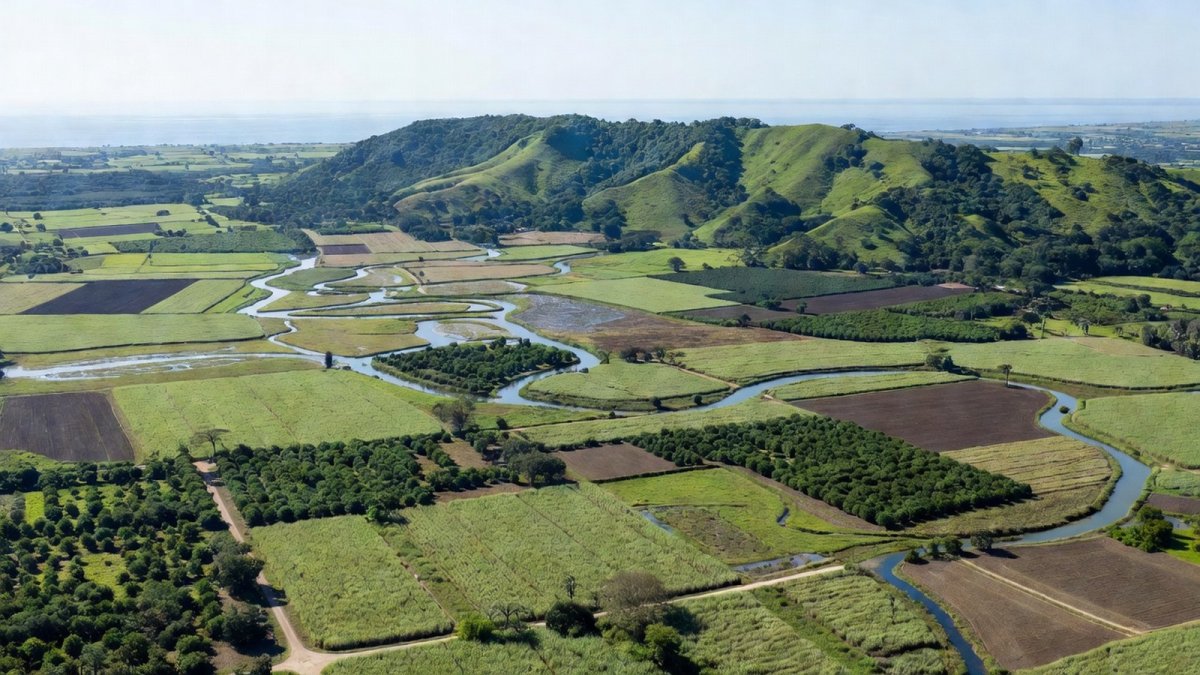
On August 6 2026 President Claudia Sheinbaum announced at the mañanera that her government will respect the expert committee's recommendation to prohibit unconventional natural gas extraction in the Tampico-Misantla basin, a move that directly shields families in Veracruz and southern Tamaulipas colonias from risks to fresh water and local livelihoods.
Mexico Bans Fracking in Tampico-Misantla Basin
Mexico City, Mexico — President Claudia Sheinbaum told reporters at the August 6 mañanera that Mexico will respect the recommendation to prohibit fracking in the Tampico-Misantla basin, prioritizing the protection of water sources and densely populated communities over new extraction in the country's largest-potential shale area.
Expert Committee Delivers Clear Recommendation
José Antonio Hernández Espriú, director of UNAM's Faculty of Engineering, read conclusion No. 4 to the nation: the committee recommends prohibiting natural gas extraction from non-conventional fields in the Tampico-Misantla basin region. The panel of 54 scientists reached this view after months of study divided into engineering, water, impact and planning sub-committees.
Ana Paulina Gómora Figueroa, head of the petroleum engineering department at UNAM, stressed that criteria of environmental protection, social issues, biodiversity and population density all pointed toward prohibition in this basin. The decision reflects the reality that Tampico-Misantla sits beneath communities with high indigenous presence and vital fresh-water reserves.
Rosaura Ruiz, Science, Humanities, Technology and Innovation Minister, confirmed the consensus process that produced ten concrete conclusions. She noted that the committee first presented its work in April 2026 and delivered findings after careful review of water volumes and aquifer risks.
Sheinbaum stated plainly, "Obviously we're going to recognize that advice," signaling immediate policy alignment with the scientists' findings.
Water Use and Aquifer Protection Drive the Ban
Hernández Espriú explained that each fracking well requires 50,000 to 70,000 cubic meters of water. The committee therefore recommended banning fresh-water use entirely and insisted that any future activity elsewhere must first confirm salt-water bodies at 1,000 to 1,500 meters depth with full hydraulic disconnection from shallow aquifers.
The Tampico-Misantla basin was singled out because of its dense population and ample fresh-water resources. Local families who rely on these aquifers for daily use and farming now see their concerns placed at the center of national energy policy.
Additional safeguards include recycling at least 75 percent of water, avoiding highly toxic substances in fracturing fluids, and maintaining closed circuits for return water. These measures aim to prevent contamination that could affect ejidos and rural water supplies.
IMTA will drill the exploratory hydrogeological wells needed to verify salt-water conditions before any further steps are considered in other regions.
In regions already facing seasonal shortages, the prospect of drawing tens of thousands of cubic meters of fresh water for each well raises immediate worries for families who rely on the same aquifers for drinking, irrigation, and livestock. The committee's emphasis on confirming deep salt-water bodies at 1,000 to 1,500 meters, hydraulically separated from shallow supplies, directly addresses those daily realities for ejido members and small-scale farmers across Veracruz and southern Tamaulipas. By requiring closed circuits and at least 75 percent recycling, the recommendations aim to keep any future activity from competing with household needs.
The Mexican Institute of Water Technology will now lead the drilling of exploratory wells to verify those conditions, a step that brings independent technical oversight closer to the communities most affected. Transparent publication of every additive and water volume used, together with external monitoring of aquifer integrity, offers a practical way to build trust where past energy projects have left lasting doubts. These measures reflect a broader shift toward protecting the water that sustains both rural livelihoods and regional biodiversity.
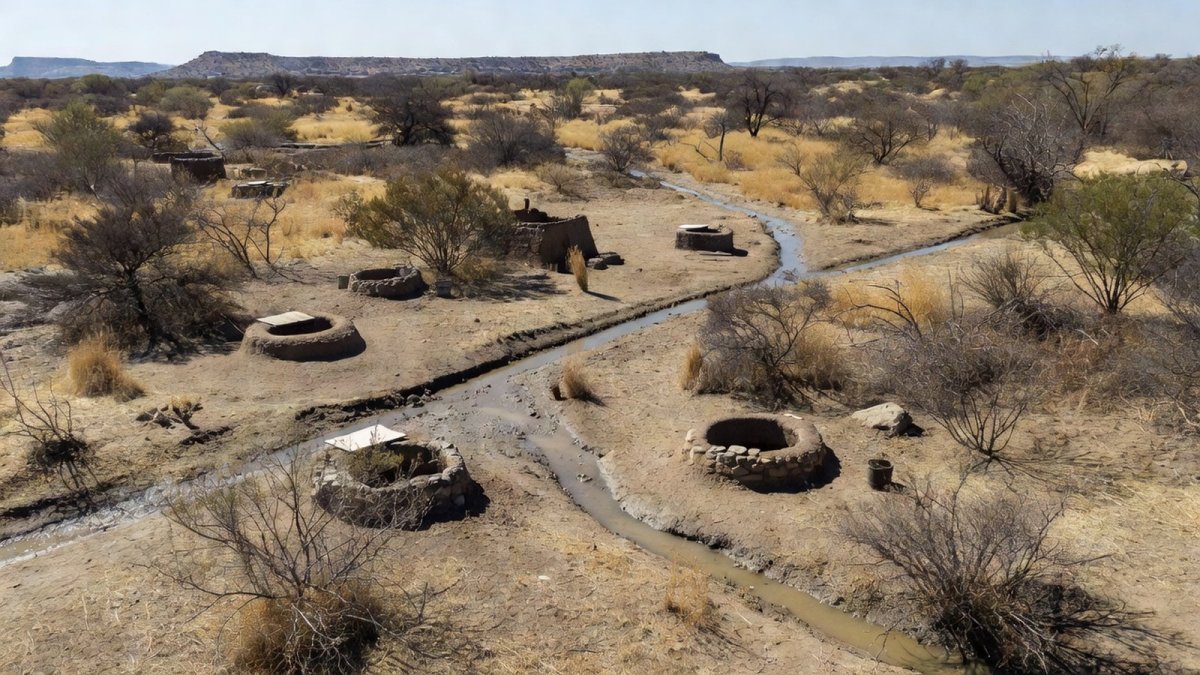
Northern Basins Face Strict Conditions
The committee recommended continued evaluation of the Sabinas-Burro-Picachos basin in Coahuila and Nuevo León and the Burgos basin in northeastern Tamaulipas, but only if salt water is confirmed and hydraulically isolated. No final decision on large-scale activity has been made.
Sheinbaum noted that these exploratory wells would serve hydrogeological research rather than immediate production. If salt water is absent, she said with characteristic directness, "we'll all go home."
Any viable projects would require prior consultation with local residents through public, free and informed processes, ensuring that campesinos and indigenous communities have a voice before drilling begins.
Reducing Dependence on US Gas Imports
Mexico currently imports more than 6.5 billion cubic feet of gas per day, roughly 75 percent of daily demand, with 93 percent of those imports coming from US shale deposits. The committee's full set of measures, including accelerated renewables and energy efficiency, could lower that dependence to 50 percent.
Sheinbaum acknowledged that further reductions would require responsible unconventional extraction where conditions allow. She highlighted new technologies and even biodegradable chemicals that were not available a decade ago, marking a shift from her earlier opposition to fracking.
Progress on all ten conclusions will be reported every two months through SENER and the Secretariat of Science, Technology, Humanities and Innovation platforms, giving communities transparent updates.
Mexico's daily consumption of 9.1 billion cubic feet of natural gas, with 70 percent of electricity generation tied to that fuel, underscores how deeply the country has come to rely on external supplies. The fact that 75 percent of demand is met through imports, the vast majority from U.S. shale, creates a strategic exposure that touches everything from industrial output to household electricity bills. Sheinbaum's stated goal of halving that import share through efficiency, renewables, and conventional production aligns with long-standing Morena priorities around energy sovereignty.
The 141.5 trillion cubic feet of prospective unconventional resources represent a potential domestic buffer, yet the committee's cautious approach shows the administration balancing that opportunity against environmental and social costs. By accelerating renewable electricity and cutting flaring at existing fields, the plan seeks to ease pressure on Pemex while still addressing the heavy debt and production challenges the state company faces. This measured path keeps the focus on reducing vulnerability without rushing into new extraction.
Community Voices and Indigenous Concerns
The Tampico-Misantla prohibition directly benefits families in colonias and indigenous communities who have long worried about water contamination and health impacts. These groups now see their priorities reflected in national policy announced from Palacio Nacional.
Local supply requirements and national content rules in any future projects aim to create regional employment while protecting the social fabric of affected pueblos. External independent monitoring of aquifer integrity, water balance and seismic activity will involve permanent technical advice open to public scrutiny.
Ordinary Mexicans in Veracruz and Tamaulipas can expect continued reporting that centers their lived experience rather than distant corporate interests.
The Tampico-Misantla basin sits beneath communities where population density and indigenous presence are high, making any large-scale industrial activity a direct concern for local water sources and health. Fears of contamination have long circulated among residents who remember earlier energy projects that promised benefits but delivered lasting environmental strain. The requirement for public, free, and informed consultations before any northern-basin work begins gives those voices a formal seat at the table.
Independent scientific monitoring of seismic activity, ecosystem health, and water balance, paired with local supply requirements and national-content rules, aims to channel economic activity back into the same towns that would bear the risks. This framework recognizes that genuine consent and ongoing oversight matter as much as technical findings when decisions affect entire regions and generations.
Next Steps and Ongoing Oversight
The government will begin hydrogeological exploration through IMTA in the coming weeks where conditions permit. All findings must be published transparently, including volumes of water used and additives employed.
Sheinbaum emphasized that Mexico's shift toward energy sovereignty must still respect environmental limits and community consent. The August 6 announcement marks the first concrete outcome of the expert process launched earlier this year.
Further updates will reach families through official channels and local authorities, keeping the focus on practical impacts in everyday life across the country.
Progress reports every two months on the SENER and Science Secretariat platforms will keep the public informed as the four sub-committees continue their work. The consensus reached among the 54 scientists, technologists, and humanists already demonstrates how diverse expertise can shape policy without fracturing along disciplinary lines. That same collaborative spirit will guide the next phase of hydrogeological testing.
If salt water is confirmed and hydraulically isolated, limited pilot projects in Coahuila and Tamaulipas could move forward after local consultations; if not, the unconventional route closes for those basins as well. The coming weeks will show whether the technical conditions align with the social and environmental safeguards the committee has placed at the center of every recommendation.
Tags: Mexico fracking, Tampico-Misantla, Claudia Sheinbaum, water protection, energy independence, UNAM committee, indigenous communities, unconventional gas
By Rosa Martinez, Staff Writer
This article was produced with AI-assisted research and editorial support. Reporting is based on sources cited in the article.
What's Your Reaction?
 Like
0
Like
0
 Dislike
0
Dislike
0
 Love
0
Love
0
 Funny
0
Funny
0
 Wow
0
Wow
0
 Sad
0
Sad
0
 Angry
0
Angry
0
Latin America/Andes Correspondent at Global1.News. Based in Bogota, covering politics, environment, energy, and social movements across the Andean region. Passionate about environmental journalism and communities protecting their land.













Comments (0)