
Trump Calls Off Iran Strikes Citing Deal Progress as Tehran Stays Silent
Trump called off planned strikes on Iran on August 2, citing progress toward a deal to reopen the Strait of Hormuz and end Tehran's nuclear program. But Iran has not confirmed talks, and US advisories now cover 10 Middle East countries ahead of Rome negotiations set for August 4-6.
Background of the Ongoing 2026 Iran War
The 2026 Iran war began on February 28, 2026, after US-Israeli airstrikes killed several senior Iranian officials, including Supreme Leader Ali Khamenei. US forces have since launched more than 80 strikes on Iranian targets following attacks on three commercial vessels in the Strait of Hormuz. Tehran retaliated with reported hits on targets in Bahrain and Kuwait. Wikipedia entries on the conflict note that Iran responded with missile and drone strikes against Israel, US bases, and Arab countries while closing the Strait of Hormuz.
Iranian Revolutionary Guard forces struck two tankers attempting to pass through the Strait of Hormuz, while a third tanker was hit off the coast of Oman, damaging its engine room. A separate strike hit Bartalla in Iraq's northern Nineveh province on July 29, 2026. These actions have kept the conflict centered on critical energy routes and regional infrastructure. Since February 28 the United Kingdom has shot down Iranian drones and missiles over allied countries including Qatar, Iraq, and Jordan.
The Strait of Hormuz remains a vital chokepoint for global oil shipments, with disruptions directly influencing energy prices worldwide. Repeated tit-for-tat exchanges have involved oil infrastructure and targets across multiple countries, sustaining high tensions since the war's start. European countries including the UK, France, and Germany have strengthened security around military bases and worked to evacuate nationals as the war draws Europe in.
Details of Trump's August 2 Announcement
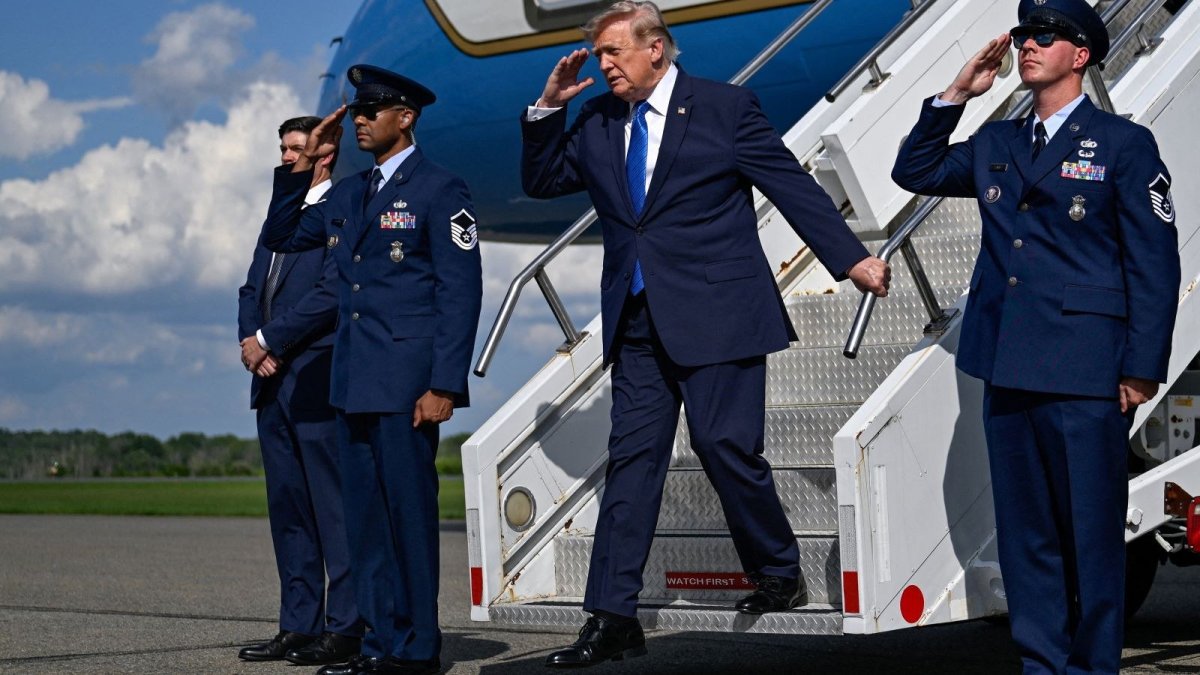
On August 2, 2026, President Donald Trump announced he was canceling planned strikes on Iran, citing progress toward the perimeters of a deal to end the war. In a Truth Social post, Trump stated the US military was locked and loaded and ready to unleash levels of Military Terror, Strength, and Power not seen since World War II, but he agreed to requests from Iran and other Middle Eastern countries to cancel the attacks. Axios reported Trump said Iran and other Middle Eastern Countries had asked the U.S. to hold off on attacking in that the perimeters of a deal had been agreed to.
The New York Times reported Trump specifically referenced requests from Iran and regional nations as the basis for halting operations. CNN confirmed the announcement came after months of escalation, with Trump emphasizing what he described as advancing negotiations. Yahoo News noted the cancellation was subject to a deal being made rapidly, including the Immediate, Complete, and Total OPENING OF THE HORMUZ STRAIT and an end to Iran's nuclear program.
US-led talks are now scheduled in Rome on August 4-6, according to a US State Department official. This pause follows repeated on-again, off-again signals from the administration that have kept allies and markets on edge throughout the conflict. Turkiye Today observed the post came days after Trump warned the U.S. would hit Iran very hard.
Politico reported that Iran's demands leave Trump with few good options, particularly around how Iran is paid and sanctions mechanics that would require waivers from multiple countries.
Iran's Position and Lack of Confirmation
Iran has shown no signs of changing its stance on the Strait of Hormuz and has yet to acknowledge the talks. CNN reports Tehran maintains its previous positions without any public shift following Trump's announcement. Al Jazeera's explainer questioned whether there is substance to the claim of a deal.
Iran's top diplomat warned of a decisive response to any US-Israeli aggression, according to Al Jazeera. Iran's Islamic Revolutionary Guard Corps rejected Trump's claim that Iran sought a halt to attacks, as reported by The National. Iran has also condemned a US plan to use frozen Iranian assets to pay for war damages, per BBC reporting.
This stance leaves the claimed deal progress unverified by Tehran itself. Politico EU noted that such mechanics would reduce the international community's ability to pressure Iran over its nuclear ambitions, complicating any rapid agreement.
Tehran's silence underscores ongoing skepticism about the perimeters described by Trump, with no official reaction reported immediately after the August 2 post.
Reactions from Regional and International Actors
Saudi Arabia's Crown Prince urged Trump to prioritize dialogue and ceasefire, according to The National. The call came amid ongoing regional concerns over further escalation in the Middle East. Most European leaders reacted cautiously, with Spanish PM Pedro Sánchez the only EU leader to openly condemn the strikes on Iran.
UN Secretary-General António Guterres stated the world cannot afford more war, highlighting global fears of expanded conflict. Al Jazeera's live blog on August 2 carried the headline Trump cancels Iran attack; Israel kills 11 in Gaza, underscoring parallel developments. Lebanese PM Nawaf Salam sharply condemned recent Israeli military actions in southern Lebanon as a direct breach of international law and ceasefire commitments.
These responses reflect broader diplomatic pressure on all parties to de-escalate after months of strikes involving multiple nations. Firstpost reported European countries have strengthened security around bases while preparing evacuations.
Lebanese Parliament Speaker Nabih Berri rejected the southern Lebanon pilot zones after the US-Iran deal announcement, adding friction to regional diplomacy.
Fluctuations in Global Oil Markets
Brent crude swung as low as roughly $72 early in July and as high as $102 last week. After Trump signaled a pause, Brent fell nearly 9 percent on Monday, July 27, closing at $88 a barrel, the largest single-day decline since late May. These movements directly tied to Hormuz access concerns.
Brent later climbed above $90, with a settlement of $90.12, recording its biggest monthly gain since March. A fresh re-escalation pushed Brent up more than 4 percent intraday from a previous close of $81.82. The swings illustrate repeated disruptions from the conflict and its pauses.
Analysts link the volatility to the 80-plus US strikes and Iranian closures of the strait since February 28. Markets remain sensitive to any Rome outcomes that could reopen shipping lanes.
US Travel Advisories and Evacuation Warnings
The US State Department has issued a fresh advisory for US citizens in at least 10 Middle East countries, including the UAE and Israel, with a be prepared to depart message. Americans are advised to prepare for possible evacuation, flight cancellations, and airspace closures. The advisory covers risks tied directly to the ongoing military situation and possible further strikes.
US embassies in the region warned of the potential for unforeseen escalation, according to the New York Times. These measures reflect concrete steps taken by the US government to protect citizens amid the uncertain pause in hostilities. European allies have mirrored similar evacuation preparations for their nationals.
The warnings extend to risks in Qatar, Iraq, and Jordan where UK forces have intercepted Iranian projectiles. Officials emphasize that the pause does not eliminate underlying threats from the February 28 escalation onward.
Travel guidance remains active as Rome talks approach, with no reduction in alerts despite the August 2 announcement.
Next Steps in Rome and Potential Outcomes
The US-led talks scheduled for August 4-6 in Rome represent the immediate next diplomatic effort. A US State Department official confirmed the dates following Trump's announcement. CNN reported the initial pilot zones launched in southern Lebanon, where the Israeli military said it handed over control to the Lebanese army.
Success hinges on whether Iran engages, given its current silence on any deal and unchanged position regarding the Strait of Hormuz. Without Tehran's participation, the claimed progress remains one-sided. CSIS analysis indicates the Rome talks cover far more than ceasefire implementation, including technical security arrangements in southern Lebanon.
Observers note that previous rounds of talks have produced limited results, leaving the August meetings as a critical test of whether the pause can lead to lasting de-escalation. Nabih Berri's rejection of pilot zones adds complexity to Lebanese state authority questions.
Al Jazeera questioned the substance behind Trump's hints, stressing that rapid deal-making remains uncertain amid sanctions disputes.
Broader Implications for Middle East Stability
The combination of canceled strikes, unconfirmed deal claims, and continued Iranian rejection of US assertions creates a fragile situation. Regional actors including Saudi Arabia and the UN have emphasized dialogue to avoid further loss of life and economic damage. Pedro Sánchez's condemnation highlighted divisions within European responses.
With oil prices still volatile and travel warnings active across 10 countries, the pause has not yet translated into reduced risks for civilians or markets. The war's February 28 start and subsequent 80-plus US strikes underscore the scale of accumulated tensions. UK involvement in intercepting drones over multiple nations illustrates Europe's deepening entanglement.
Future developments will depend on concrete actions at the Rome talks rather than announcements alone, as multiple verified reports show Iran has not altered its core positions. Pilot zones in southern Lebanon test whether the Lebanese army can reclaim authority amid ongoing Israeli actions condemned by Nawaf Salam.
Overall, the August 2 decision and unverified perimeters leave markets, allies, and civilians awaiting verifiable progress before stability returns to the region.
By Jessica Ali, Staff WriterThis article was produced with AI-assisted research and editorial support. Reporting is based on sources cited in the article.
What's Your Reaction?
 Like
0
Like
0
 Dislike
0
Dislike
0
 Love
0
Love
0
 Funny
0
Funny
0
 Wow
0
Wow
0
 Sad
0
Sad
0
 Angry
0
Angry
0

Editor-in-Chief at Global1.News. Atlanta-based journalist who cuts through the BS and tells it like it is. Lead anchor, host, and the voice you hear when the spin stops and the truth starts.









Comments (0)