
Honduras' Erratic Rains Are Devastating Indigenous Harvests in La Mosquitia
In the remote villages of eastern Honduras, families who have tended the land for generations now watch their fields wither or flood without warning, a stark reminder that climate change hits hardest in the most vulnerable corners of Latin America. Honduras ranks among the countries most exposed to these shifts, where Indigenous and Afro-descendant communities bear the brunt of disrupted seasons and lost harvests.
In the remote villages of eastern Honduras, families who have tended the land for generations now watch their fields wither or flood without warning, a stark reminder that climate change hits hardest in the most vulnerable corners of Latin America. Honduras ranks among the countries most exposed to these shifts, where Indigenous and Afro-descendant communities bear the brunt of disrupted seasons and lost harvests. This is not abstract science but daily survival for people whose food security depends on rains that no longer follow the old patterns.
Honduras' Erratic Rains Are Devastating Indigenous Harvests in La Mosquitia
Batalla, Gracias a Dios – Honduras, August 2, 2026 — From the heart of La Mosquitia, Al Jazeera English correspondent Alessandro Rampietti reports on how increasingly erratic rainfall is upending the lives of Indigenous and Afro-Honduran communities who rely on rain-fed agriculture for everything from daily meals to cultural continuity.
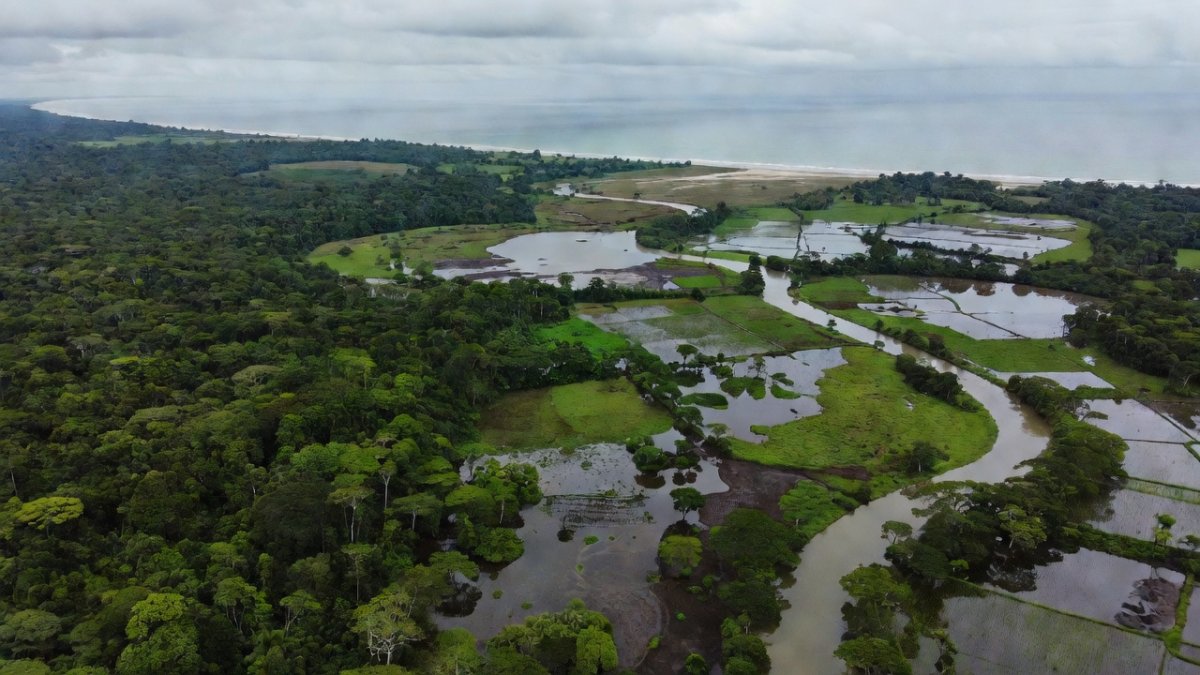
La Mosquitia's Vanishing Harvest — When the Rains Lie
La Mosquitia, the remote eastern region of Honduras in Gracias a Dios department, encompasses vast rainforest, wetland and Caribbean coastal areas where Miskito, the largest Indigenous group, along with Tawahka and Pech peoples, have long practiced subsistence farming. Afro-Honduran Garifuna communities along the coast share these pressures, their livelihoods tied directly to the land and sea. In Batalla village, reports detail how erratic rainfall now devastates staple crops including plantains, cassava, maize, beans and rice, all traditionally rain-fed and central to food security across these communities. Plantains prove highly sensitive to water stress, with excess rain triggering root rot, fungal disease and flooding damage while insufficient rain stunts growth entirely. Cassava, though drought-tolerant once established, suffers reduced tuber quality from waterlogging. Traditional planting calendars linked to seasonal rains lie disrupted, forcing families to gamble on unpredictable windows. Slash-and-burn roza agriculture, a longstanding Miskito practice, grows riskier as dry spells ignite uncontrolled fires or heavy rains wash away fragile soils. These shifts compound existing challenges of limited infrastructure, markets and government services, leaving remote communities with few alternatives amid deforestation and land encroachment. Without irrigation systems, drought-resistant varieties or water-harvesting bolsones de agua, the margin for error shrinks daily. The human cost registers in empty granaries and rising hunger, echoing patterns seen throughout Latin America's most marginalized regions where climate volatility erodes centuries of accumulated knowledge.
The Climate Science — Why Erratic Rain Is the New Normal
Warmer atmospheres hold more moisture, unleashing heavier downpours when rain finally arrives while simultaneously extending dry periods that parch the soil. This dynamic alters El Niño and La Niña cycles, rendering seasonality less predictable across Honduras and the broader isthmus. In 2026 an early and intense canícula, the midsummer dry spell, worsened drought stress nationwide. Scientists consistently rank Honduras among the countries most vulnerable to climate change, with La Mosquitia exemplifying how these global forces manifest locally. June 2026 brought major flooding to San Pedro Sula in Cortés department, illustrating the pattern of more common extreme events that swing between deluge and drought. Earlier catastrophes such as Tropical Storm Sara and Tropical Depression Nineteen in 2024 delivered catastrophic rainfall, hundreds of millimeters in mere days, triggering flash floods and mudslides in northern and mountainous zones. These oscillations threaten the postrera planting cycle from August to November, when beans and maize should take root. The science underscores that such volatility is no longer anomalous but the emerging baseline for Latin America, where smallholder farmers lack the buffers available in wealthier nations. Indigenous knowledge systems, once finely tuned to reliable seasons, now confront a climate system reshaped by distant emissions yet felt most acutely here.
The National Picture — Drought Alerts and the Dry Corridor
By late July 2026 roughly 75 municipalities sat under Alerta Amarilla for severe drought, with 38 in critical condition and at least 22 receiving direct government assistance through Sedesol. COPECO, the Secretaría de Gestión de Riesgos y Contingencias Nacionales, saw Vice Minister Nelson Márquez warn that worst impacts still lie ahead as 2025 harvest reserves deplete. CENAOS Director Francisco Argeñal stated that August 2026 rains would remain isolated and insufficient for soil moisture, with significant precipitation more likely only after September 10. The Corredor Seco, spanning Choluteca, Valle, El Paraíso, Francisco Morazán, La Paz, Ocotepeque and parts of Comayagua, Intibucá and Lempira, already reports total losses of subsistence crops, emergency declarations, food aid distributions and urgent calls for seeds and fertilizers ahead of the postrera season. Bean prices are projected to rise nearly 8 percent due to harvest shortfalls, while cattle deaths mount in Choluteca from lack of water and fodder. Honduras appears on FAO alerts for food insecurity risk, with the World Food Programme and UN highlighting the country alongside Guatemala, El Salvador and Nicaragua as exposed to El Niño-driven production cuts. Government responses include COPECO and SINAGER field visits, Mesas Técnicas in Choluteca and El Paraíso, and the Plan Integral ante la Sequía coordinated with national institutions and international partners under the President Nasry Asfura administration. These measures, though necessary, reveal the scale of a crisis gripping the entire nation.
Voices from the Ground — Miskito and Garifuna Communities
In Batalla and surrounding La Mosquitia settlements, Miskito farmers describe watching plantain bunches rot on flooded stems or shrivel under prolonged drought, while cassava tubers turn fibrous from waterlogged soils. Garifuna coastal families recount how traditional calendars no longer align with rainfall, forcing risky experiments with planting dates that sometimes yield nothing. These communities, already navigating limited adaptive resources, face compounding pressures from deforestation and land encroachment that further erode resilience. The absence of irrigation, drought-resistant crop varieties and simple water-harvesting techniques leaves them exposed when rains fail or arrive too fiercely. Food security erodes as staple harvests of maize, beans and rice dwindle, pushing reliance on distant markets where prices climb. Yet these same communities demonstrate quiet determination, sharing seeds and knowledge even as external support lags. Their struggles mirror those of Indigenous and Afro-descendant groups across Latin America, from the Amazon to the Andes, where climate disruption collides with historical marginalization. Reports from the ground emphasize that solutions must center local voices rather than impose top-down fixes that ignore centuries of place-based expertise. Without swift, culturally appropriate intervention, the erosion of these livelihoods threatens not only nutrition but cultural continuity itself.
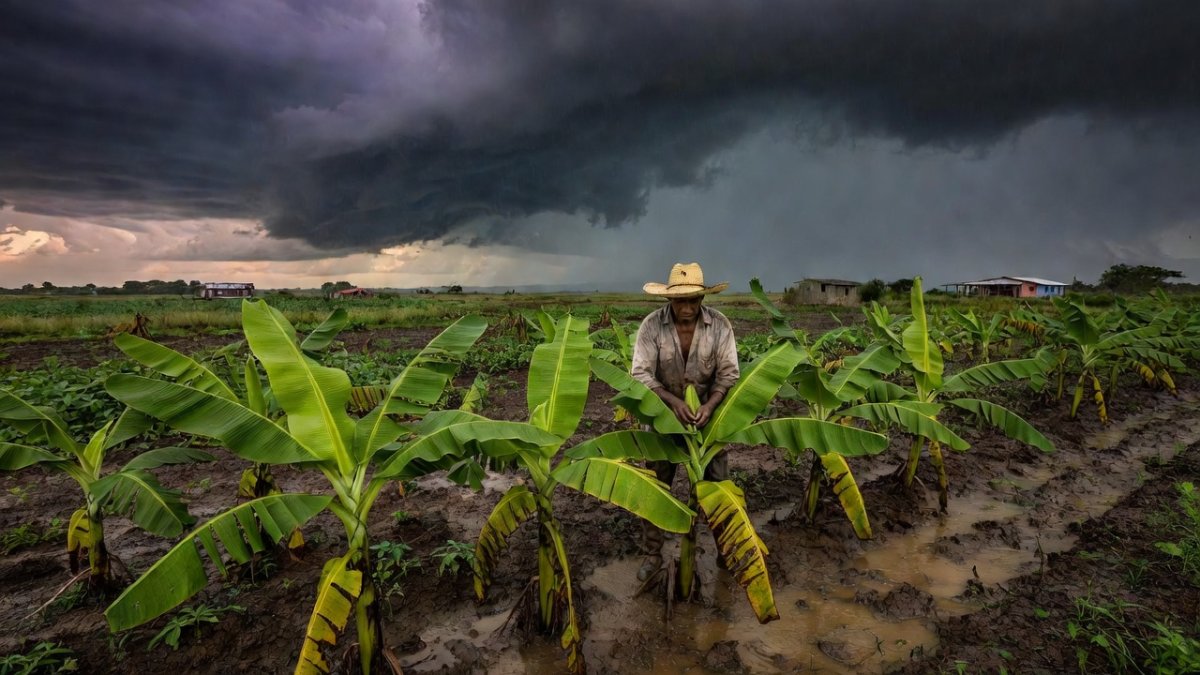
El Niño's Return — The Forecast Behind the Fear
Strengthening El Niño conditions, backed by NOAA-linked reports showing an 81 percent chance of a very strong event peaking October through December 2026, fuel widespread alarm. Local coverage labels it the "El Niño Godzilla" or possible "super El Niño," with meteorologist César Quintanilla warning of higher temperatures, reduced rainfall and mounting agricultural losses. This phenomenon threatens to intensify the already severe canícula and extend dry conditions deep into the postrera cycle. CENAOS forecasts confirm that isolated August showers will fail to restore soil moisture, delaying meaningful relief until after September 10. The combination of El Niño with broader warming trends amplifies extremes, turning what were once manageable seasonal variations into existential threats for rain-dependent farmers. Honduras, positioned in the Central American Dry Corridor, feels these effects acutely, yet the ripple reaches every corner of Latin America where similar climate patterns converge. International partners and national agencies scramble to preposition aid, but the scale of projected losses demands far greater investment in early warning systems and resilient agriculture. The forecast leaves little room for complacency, underscoring how global climate dynamics translate into immediate hardship for the region's most exposed populations.
What This Means for Latin America
Honduras serves as a bellwether for the wider Latin American climate crisis, where Indigenous territories from the Caribbean coast to the Pacific slopes confront the same cocktail of erratic rains, prolonged drought and sudden floods. The vulnerability ranking that places Honduras near the top reflects structural inequalities that leave smallholder and Indigenous communities with minimal buffers against global warming. El Niño-driven reductions in food production now threaten multiple nations, prompting FAO alerts and WFP warnings that encompass Guatemala, El Salvador and Nicaragua alongside Honduras. Bean price spikes, cattle losses and emergency seed requests in the Corredor Seco preview challenges that could spread if adaptation remains underfunded. Latin America's biodiversity hotspots and traditional farming systems, long sources of resilience, now require urgent protection and innovation. International cooperation must prioritize these frontline regions rather than treating them as afterthoughts in global climate finance. The pattern of extreme events, from 2024's tropical storms to 2026's dual drought and flood episodes, signals that no country in the isthmus can address this alone. Coordinated regional strategies, drawing on Indigenous knowledge and scientific forecasts alike, offer the only viable path forward amid accelerating change.
The Bottom Line — Seeds, Systems, and Survival
Ultimately, survival in La Mosquitia and across Honduras hinges on delivering seeds, strengthening early-warning systems and building adaptive infrastructure before the next failed season compounds existing losses. The Plan Integral ante la Sequía and Mesas Técnicas represent steps in the right direction, yet they must scale rapidly to match the 75 municipalities under alert and the 38 in critical condition. International partners, including those highlighted in UN and WFP reports, need to move beyond alerts to concrete support for drought-resistant crops, water harvesting and market access in remote areas like Gracias a Dios. President Nasry Asfura's administration emphasizes coordinated action, but sustained political will and funding remain essential. For Miskito, Tawahka, Pech and Garifuna families, the stakes involve not only this year's harvest but the transmission of knowledge to future generations. Latin America cannot afford to lose these living repositories of agricultural wisdom. The data from CENAOS, COPECO and NOAA paint a clear picture: without decisive intervention now, the erratic rains of 2026 will become the devastating norm, deepening food insecurity across the region. The time for half-measures has passed.
By Elena Vasquez, Staff Writer
Keywords: Honduras climate crisis, La Mosquitia Indigenous, Miskito Garifuna, El Niño 2026, Dry Corridor drought, erratic rainfall crops, food insecurity Latin America, COPECO CENAOS, plantain cassava losses, postrera plantingThis article was produced with AI-assisted research and editorial support. Reporting is based on sources cited in the article.
What's Your Reaction?
 Like
0
Like
0
 Dislike
0
Dislike
0
 Love
0
Love
0
 Funny
0
Funny
0
 Wow
0
Wow
0
 Sad
0
Sad
0
 Angry
0
Angry
0

Latin America Correspondent at Global1.News. Based in Mexico City, covering politics, economics, energy, and culture across the region. Brings an on-the-ground perspective to stories spanning from the Rio Grande to Patagonia.












Comments (0)