
Thirteen dead as mine disaster highlights illegal hunt for gold
The recent flood at an illegal gold mine in Bogor, West Java, has claimed at least thirteen lives and left a similar number still missing, underscoring the perilous reality of Indonesia’s unregulated small‑scale mining sector.

The recent flood at an illegal gold mine in Bogor, West Java, has claimed at least thirteen lives and left a similar number still missing, underscoring the perilous reality of Indonesia’s unregulated small‑scale mining sector. The tragedy, which unfolded after torrential rain caused a river to overflow and inundate two mine shafts, has reignited debate over the country’s longstanding struggle to curb illegal extraction while confronting the socioeconomic forces that keep it alive.
The disaster in detail
On Monday night, a group of at least twenty‑five miners, including fifty‑year‑old Rais, were working in an open‑pit mine roughly one hundred metres deep when the nearby river burst its banks. The flood quickly filled the two shafts, trapping workers underground. By Thursday, authorities confirmed that thirteen bodies had been recovered, while another thirteen individuals remained unaccounted for.
Rescue teams, coordinated by the Jakarta Search and Rescue Office, have been navigating narrow, dark and slippery shafts with ropes, contending with ongoing water inflow from below. “The depth of the shaft, narrow access and limited lighting are key considerations in determining the search strategy so that personnel can operate safely,” said Desiana Kartika Bahari, head of the office, in a Wednesday statement.
Legal context and the role of state‑owned Antam
Small‑scale gold mining is officially prohibited in Indonesia, yet it persists across rural areas of the mineral‑rich archipelago. The mine involved in the recent flood lies within a concession held by state‑owned Aneka Tambang (Antam). Antam has publicly disavowed responsibility, stating the operation was conducted without its authorization.
This incident occurs against a backdrop of a national gold price surge that reached an all‑time high in early 2026, prompting a new wave of illegal mining activity. The high price environment has encouraged operators to expand clandestine sites, despite the legal ban.
Scale of the illegal mining problem
West Java Regional Police reported uncovering twenty‑four illegal mining cases between October and November alone, illustrating the breadth of the issue in a single province. Experts suggest the official figures understate the true magnitude. Bisman Bakhtiar, Executive Director of the Center for Energy and Mining Law Studies, told the BBC that recorded cases represent only a fraction of the sector, noting “there must be more than that.”
Former deputy chairman of the Corruption Eradication Committee, Laode M Syarif, highlighted systemic corruption as a key barrier to enforcement, asserting that illegal mines often enjoy backing from police, military or high‑ranking local officials. He warned that without addressing these “backers,” the illegal trade will continue unabated.
Human cost and community impact
The human toll of illegal mining extends beyond occasional disasters. In the same Bogor area earlier this year, eleven miners died from a carbon monoxide leak, while a separate incident in West Sumatra in May claimed nine lives after heavy rain triggered a cliff collapse that buried twelve miners.
For many families, illegal mining offers a vital, albeit precarious, source of income. The lack of formal employment opportunities in remote regions drives individuals to risk their lives for gold. As the Bogor disaster shows, the absence of safety standards and proper construction amplifies the danger, with floods, landslides and toxic gases recurring threats.
Government response and calls for systemic reform
Following the flood, the Indonesian Ombudsman urged a comprehensive investigation, emphasizing that accountability must extend beyond the miners themselves. “We must not allow only the miners in the field to be seen and prosecuted, while those who control the activities, provide capital and facilities, store, and market the mined products remain untouched,” stated Abdul Ghoffar, a member of the Ombudsman.
The Ombudsman’s appeal reflects a growing consensus that piecemeal crackdowns fail to dismantle the entrenched networks sustaining illegal extraction. Effective reform, according to officials, would require targeting the financial and logistical chains that enable these operations.
Rescue efforts and the lingering uncertainty
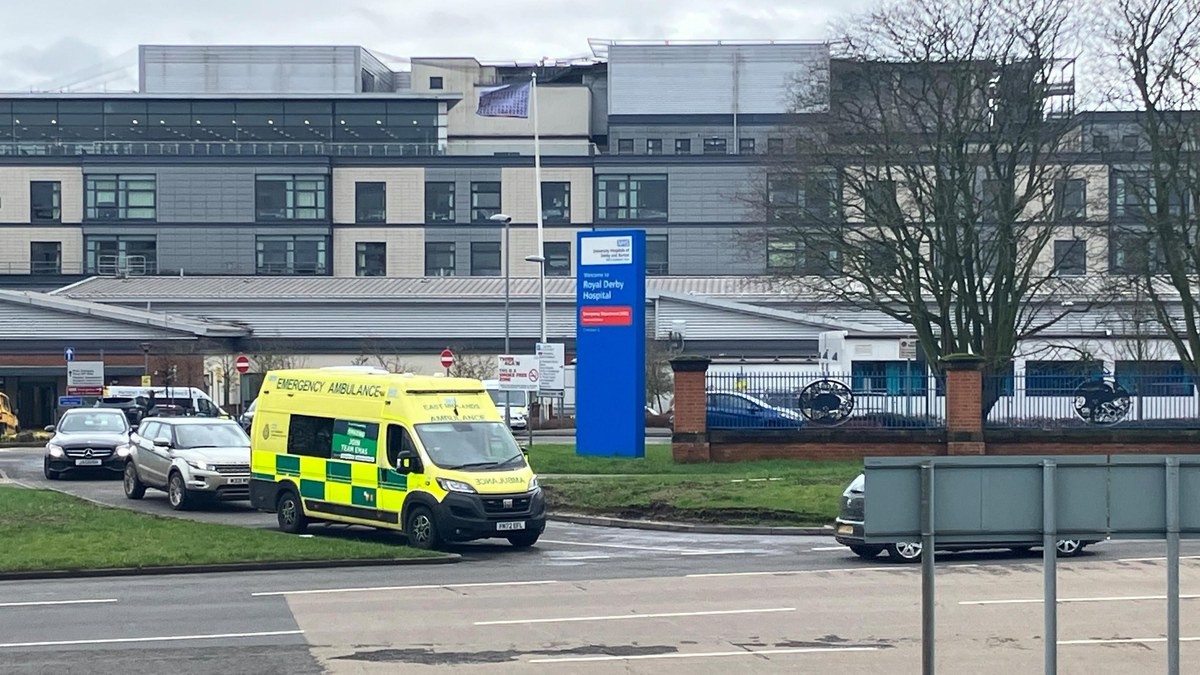
Rescue operations continue under challenging conditions. Ambulances and medical personnel stand ready above ground, while teams below grapple with water‑logged shafts and limited visibility. M Adam Hamdani, head of emergency and logistics at the Bogor Regency Regional Disaster Management Agency, admitted that the exact number of miners present when the flood occurred remains unclear, with estimates ranging from twenty to twenty‑nine.
Relatives, such as Rais’s daughter Rani, wait anxiously for news. “I hope he’s found soon,” Rani said, embodying the personal anguish that accompanies each statistic. As more bodies are recovered, the possibility of survivors diminishes, given the prolonged exposure to water and hazardous conditions.
Implications for Indonesia’s mining future
The Bogor tragedy underscores the urgent need for Indonesia to reconcile its lucrative mineral resources with robust governance. While gold’s price volatility may ebb, the socioeconomic drivers that push communities toward illegal mining are unlikely to disappear without targeted development policies.
Addressing corruption, improving rural livelihoods, and establishing transparent, enforceable mining frameworks could reduce reliance on dangerous, unregulated pits. Until such measures take hold, incidents like the Bogor flood will persist, leaving families in mourning and highlighting the human cost of a shadow economy that thrives beneath the surface of Indonesia’s mineral wealth.
This article was produced with AI-assisted research and editorial support. Reporting is based on the source material cited below. Sources: BBC News Asia; bbc.co.uk; Global1.News (26 November 2026).
By Kenji Tanaka, Staff Writer
What's Your Reaction?
 Like
0
 Dislike
0
 Love
0
 Funny
0
 Wow
0
 Sad
0
 Angry
0

Japan Correspondent at Global1.News. Tokyo-based voice covering Japanese politics, technology, economy, and culture. Tracks the intersection of tradition and innovation in one of the world's most dynamic societies.













Comments (0)